
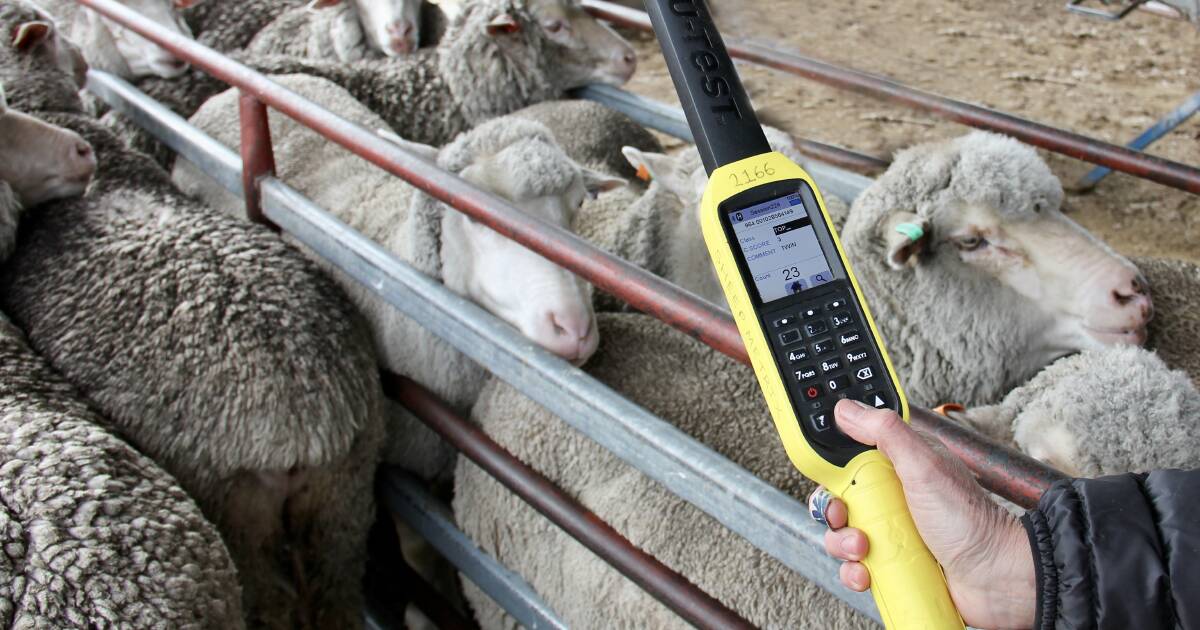
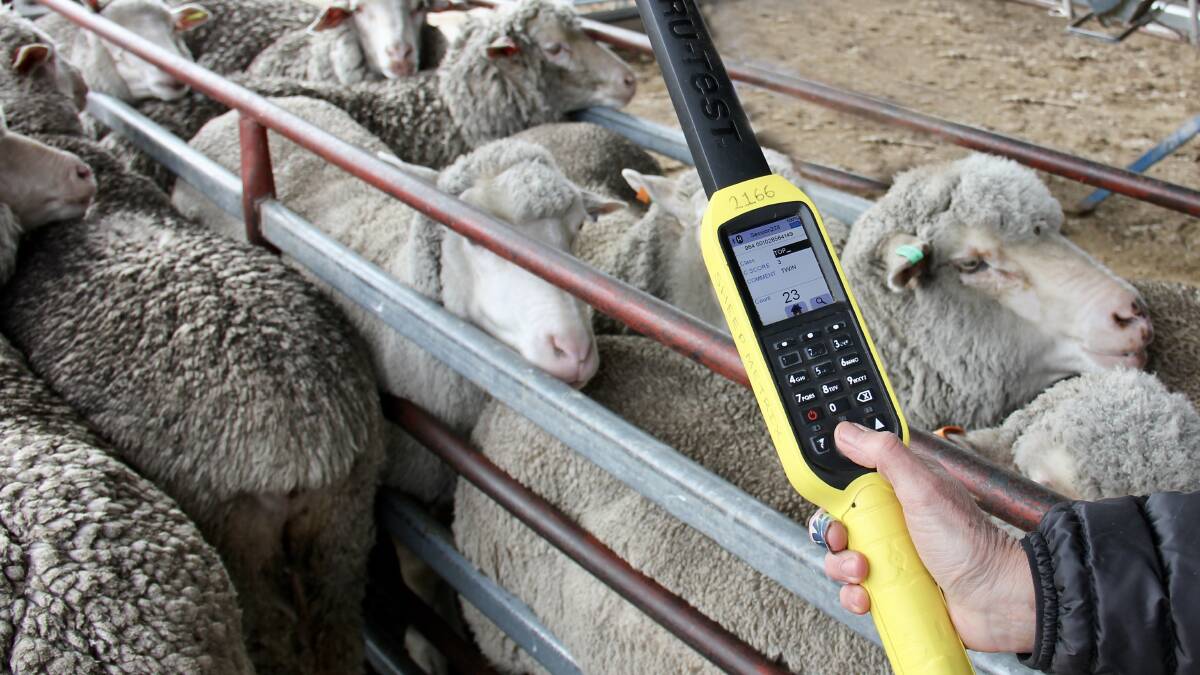
 From January 1, 2027, all sheep and farmed goats must have a National Livestock Identification System (NLIS) accredited eID tag before leaving a property. Picture supplied
This is branded content for Government of South Australia
South Australian sheep and goat producers can access practical resources to help them make the switch from visual tags to electronic identification (eID) tags.
Developed by the Department of Primary Industries and Regions (PIRSA) through the eID Advantage Program, the new suite of traceability videos and producer case studies showcase how eID is already being used on South Australian farms and across the supply chain to improve livestock management and traceability.
Drawing on practical, real-world experiences, the producer case studies have been designed to help producers confidently adopt eID and make the most of the technology in their businesses.
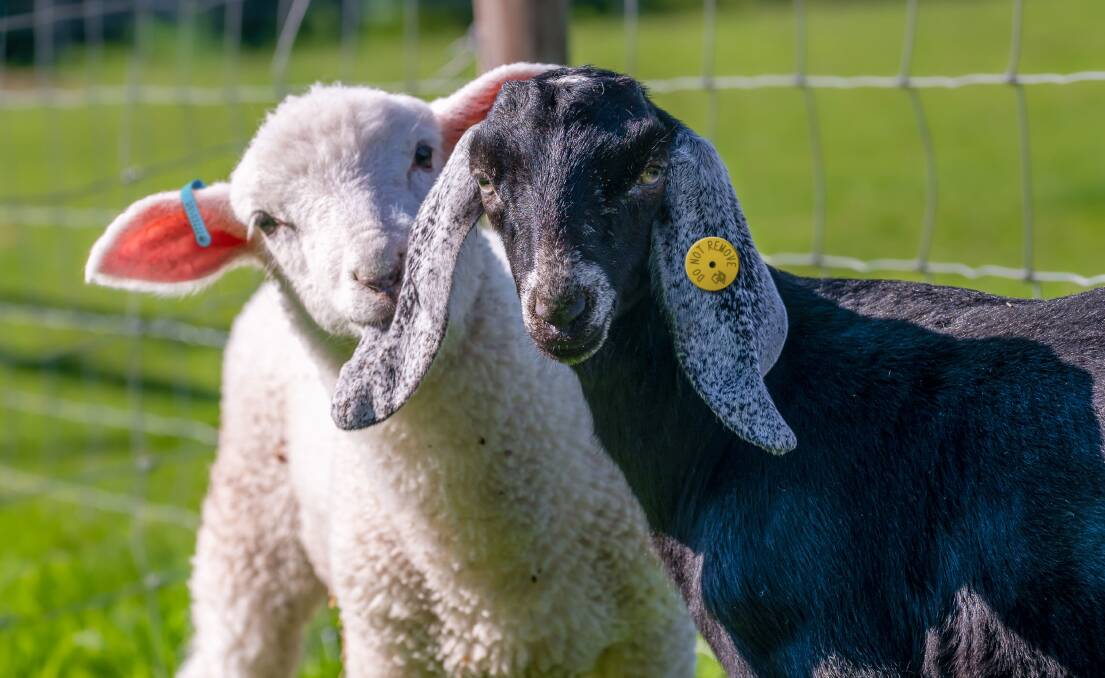 A new suite of traceability videos and producer case studies showcase how eID is already being used on South Australian farms. Picture supplied
From January 1, 2027, all sheep and farmed goats must have a National Livestock Identification System (NLIS) accredited eID tag before leaving a property.
Currently, eID is mandatory for sheep and farmed goats born on or after January 1, 2025 before they leave their property of birth.
Producers can access a 47.5-cent point-of-sale discount on NLIS-accredited eID tags in the designated year-of-birth: orange for animals born in 2026 and light green for animals born in 2027.
A rebate is available for approved eID tags in non-year-of-birth colours until June 30, 2027.
Producers are encouraged to visit the PIRSA website to explore the new videos and producer case studies and access more information about tag discounts, rebates and the transition to eID at pir.sa.gov.au/eID
This is branded content for Government of South Australia