
Last summer, amid the infamous cluster of East Coast shark attacks, I downloaded the Dorsal app to my phone.
It was the first time I’d done so but I felt I had to “empower” myself, as the Dorsal ad copy says about their shark alerts. Knowledge may be power, but in the case of shark awareness, I figured knowledge is safety too.
Last month, however, I deleted the Dorsal app off my phone. Not because it stopped working – it worked fine, pinging away every time a shark swam by a nearby receiving station or was spotted by the public.
Each alert brought with it an element of dread. My phone would ping, and like a macabre Pavlovian reaction, my anxiety levels would automatically rise. Then whenever I went to paddle out, I’d begin weighing the risk on alerts that were, more often than not, days old and many beaches away.
Nothing about my risk exposure had changed, but my sense of it had altered completely.
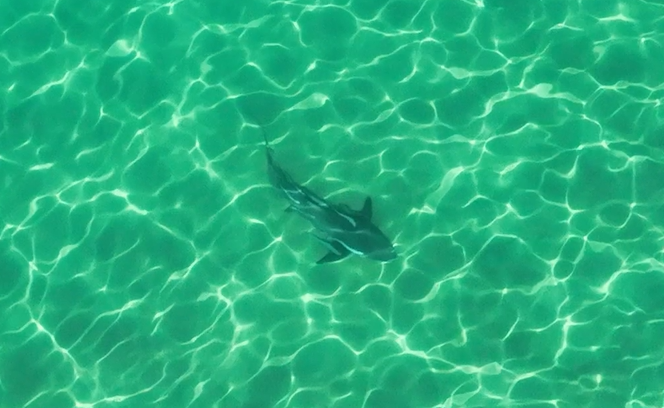
I’m not alone in this, anecdotally at least. A few friends have gone through the same cycle with Dorsal and SharkSmart: Install the app(s), get pinged constantly, feel the low hum of dread build, and then delete it.
The reasoning, when they explain it, is similar to mine. On balance, they’d just rather not know. Not because the information is wrong, but because carrying it around doesn’t make them feel any safer. It just makes them think about sharks at times they otherwise wouldn’t have.
Which is a strange thing to admit about a safety tool. Shouldn’t more information make us safer, or at the very least, feel safer?
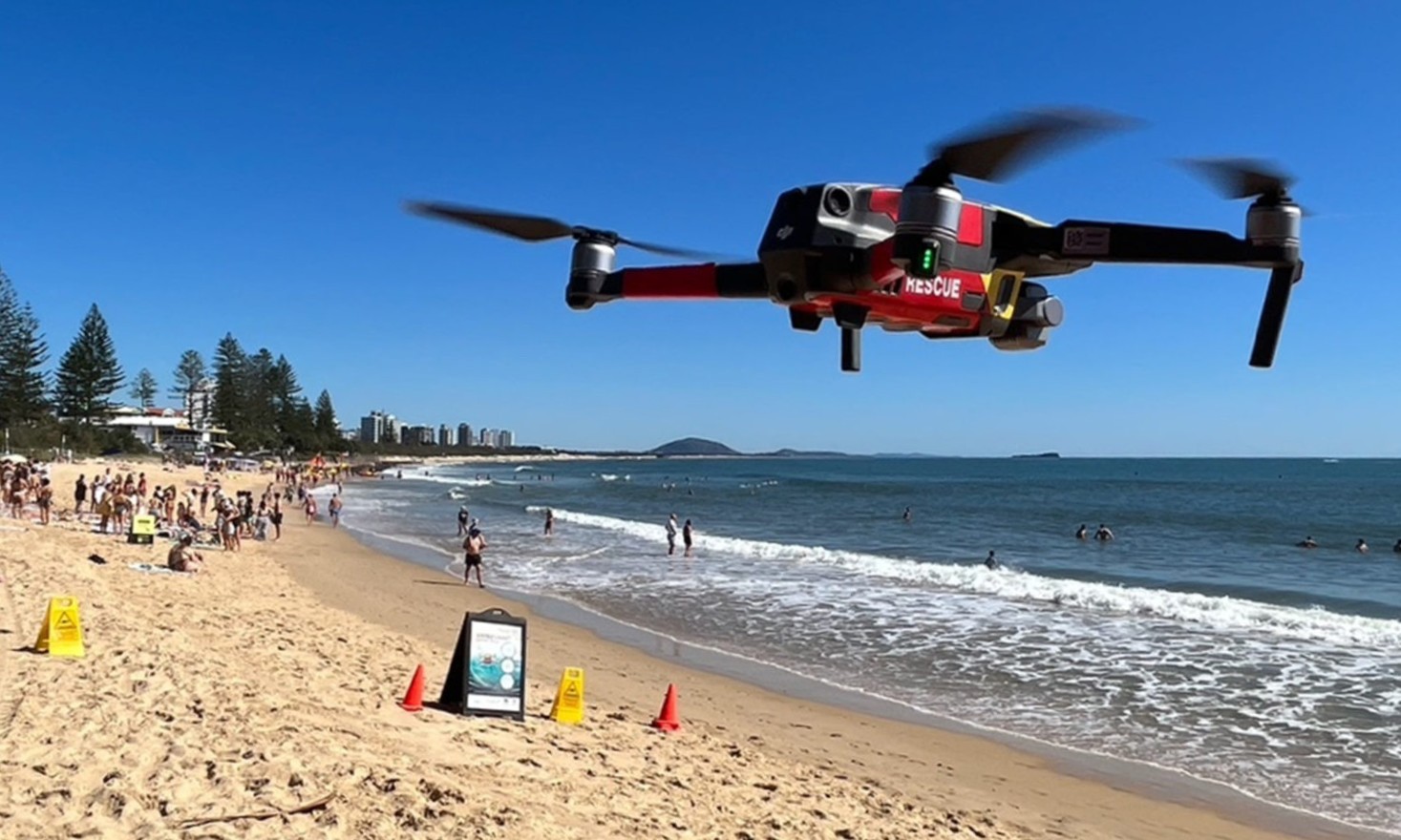
Apparently it’s not so straightforward, and that puts an interesting twist on the NSW state government’s newly expanded $34 million shark surveillance drone program, which in the coming months will make a great deal more of this information available, to a great many more people.
Announcing the funding, Premier Chris Minns framed the intention plainly enough: “this investment is about putting more eyes in the sky so we can spot sharks earlier and give people a clear heads-up when they’re in the water.”
To his credit, Minns also got out ahead of the obvious, warning that more drones would mean more alarms: “that doesn’t mean there are more sharks in the water, it means we are spotting more of them earlier.”
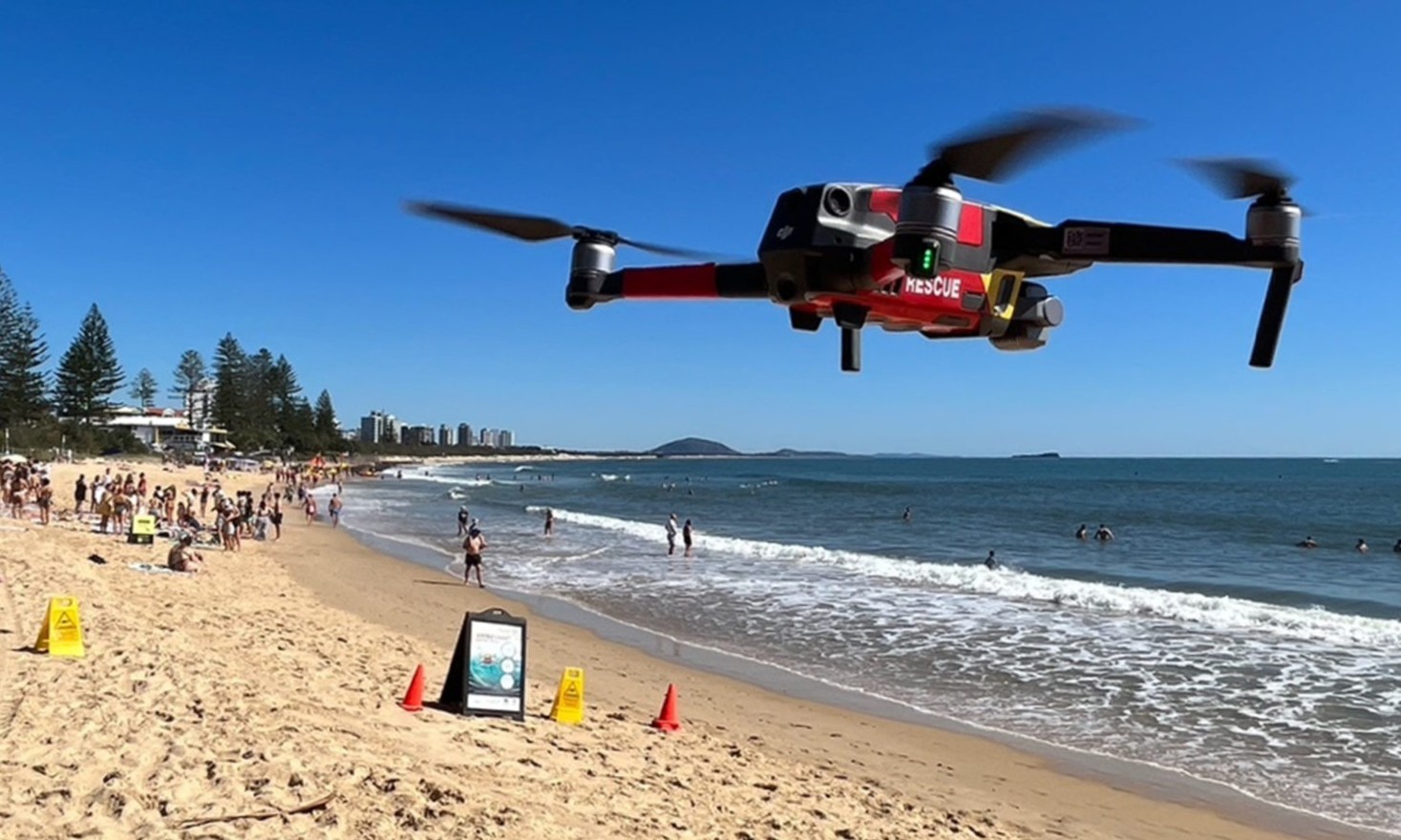
First things first. The drones aren’t the apps. They’re better in most of the ways that matter, with real eyes over the water, run by trained pilots. But I have a sense the underlying mechanism may be similar to what I felt with Dorsal. That being: Surveillance generates alerts, alerts generate awareness, and awareness – once it’s switched on – doesn’t easily switch off.
I put some of this to Professor Rob Brander – AKA Dr Rip – from the UNSW Beach Safety Research Group, who’s had similar thoughts since the program was announced.
“Whatever primal fear sharks evoke in humans, it’s real,” he says. “And the more you hear about it, the more you’re going to think about it, even if you don’t want to.”
Professor Brander has heard versions of my Dorsal story from surfers in his circle of friends. One guy’s wife has stopped swimming altogether, and their son has more or less given up surfing, and it’s not because either of them had a bad encounter. It’s because they hear about sightings now, constantly, in a way they never used to.
Increased awareness changed their behaviour.
I watched something similar to that play out in real time. During the aforementioned January shark attacks, I was up at Crescent Head where the lifeguards, understandably diligent, set off the shark alarm multiple times each day. As the days progressed, fewer and fewer people came to shore. After a while, people weren’t panicking, they were blasé.
Again, increased awareness changed their behaviour.
Spread that pattern over an entire summer of routine drone flights, and you get one of two outcomes: Either people stay jumpy the whole season, or – more likely, if the Crescent Head pattern holds – they go the other way. The alarm becomes muzak. Surfers remain in the surf and the system built to change behaviour ultimately changes very little.
There’s a third possibility too, and it’s the one that interests Professor Brander the most.
“I wonder if we might see some behaviour,” he says, “where a certain percentage of people hear about the shark sightings at all the patrolled beaches where drones are flying, and so then start going to the beaches where they’re not hearing about shark sightings and are not being closed all the time.”
In other words, people don’t ignore the information so much as relocate around it.
If drones and their alerts are concentrated on patrolled beaches, might that push a portion of beachgoers toward the unpatrolled ones. The places with no drones, no lifeguards, yet many rips, and the same amount of sharks – albeit undetected?
At the recent Australian Water Safety Summit, a Surf Life Saving rep put it to Prof. Brander the other way, saying people will gravitate toward the drone protected beaches because they feel safer there.
In Sydney, where unpatrolled options are thin on the ground, that may be right. Elsewhere along the NSW coast, it’s much less clear. This obviously concerns a fella who’s spent his career warning the public about rips.
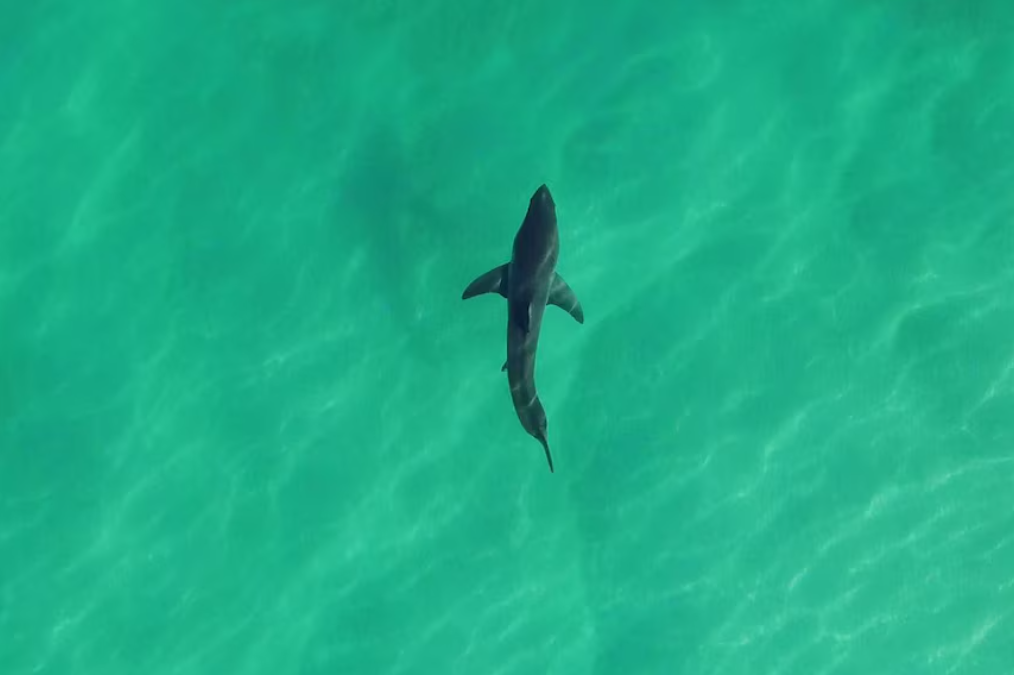
None of this is an argument against the drones. Spotting sharks from the air isn’t foolproof – overcast weather and rocky seafloors present a spotting problem – but they’re a genuinely good use of technology. But this summer, NSW beachgoers will be far more aware of shark numbers than ever before.
“I’m interested in seeing how beach behaviour, the psychology of beach usage, changes this summer,” says Brander.
To that end he’s planning a survey to test some of this properly. How people’s beach choices and anxiety levels shift once the drones have been running through a full summer, and whether the early adopters – the keen, engaged users who already understand shark behaviour and risk – respond differently to casual beachgoers who don’t.
It’s the same distinction, really, that separates me from someone who’s never given a shark a second thought until an app told them to. We’re the ones best placed to sensibly digest the information, and we’re also, as it happens, the first to decide we’re better off without it.
When I deleted that app I again became blissfully ignorant of sharks. Which leaves an odd, faintly uncomfortable question hanging over a program built entirely on the premise that more surveillance is better.
At what point does knowing more start costing us something – not in safety, but in the ordinary, unbothered pleasure of just going for a surf?
//STU NETTLE