
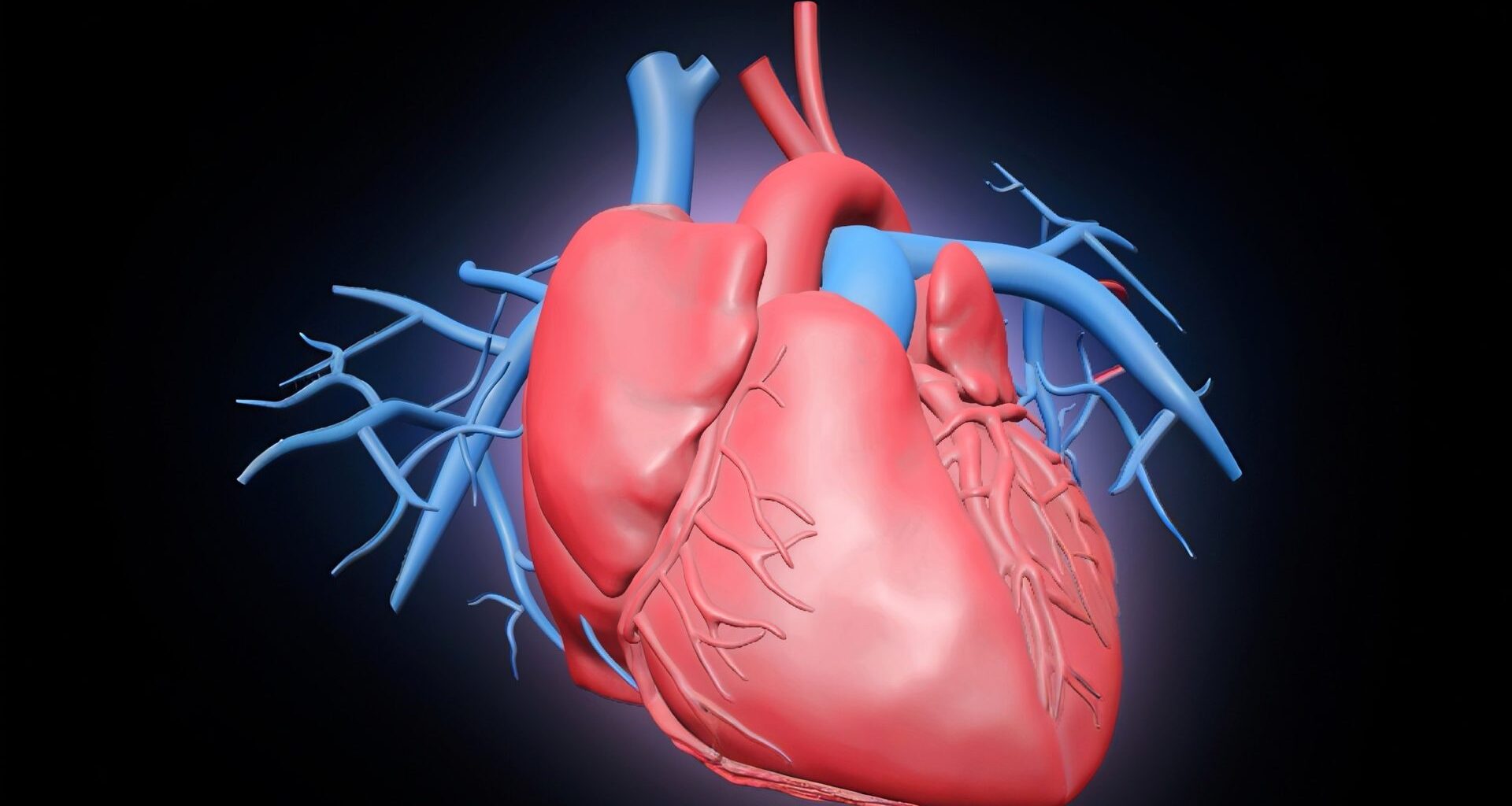
Early stress in mitochondria before birth helped mouse hearts resist later chemotherapy damage by creating lasting protective changes.
Chemotherapy can save lives, but some drugs can also put the heart under serious strain.
Doxorubicin, a chemotherapy used against several cancers, can damage the tiny structures inside heart cells that supply most of the energy needed to keep the heart working.
That creates a difficult problem. The same treatment used to fight cancer can, in some cases, contribute to heart damage, so researchers want better ways to protect healthy tissue without interfering with the treatment itself.
A new experiment in mice points to an unexpected possibility. A short period of stress inside cells early in life appeared to prepare the heart to handle a damaging challenge much later.
A little stress can help
The work centers on mitochondria, structures inside cells that make energy. The heart depends heavily on them because its muscle must keep contracting throughout life.
Mitochondria also produce reactive oxygen species, or ROS. These molecules can damage cells when there are too many, but smaller amounts can help cells prepare for future stress.
This protective response is known as mitohormesis. Instead of simply harming the cell, a brief period of mitochondrial stress can trigger changes that make the cell more resistant later.
Senior author Professor Gerald Shadel of the Salk Institute for Biological Studies has studied this process for years.
“Mitohormesis has a rich history in model organisms used to study longevity mechanisms in the aging research field, with other researchers and us finding that – paradoxically – mitochondrial stress, which is usually considered detrimental to health, can actually extend lifespan and have other benefits,” Professor Shadel said.
The heart remembered early stress
The team tested this idea using mice whose mitochondrial stress could be temporarily increased before birth.
They lowered SOD2, an antioxidant enzyme that normally helps remove a reactive molecule called superoxide from mitochondria.
Pregnant mice received doxycycline from early pregnancy until their pups were born. In the experimental offspring, this activated a genetic system that temporarily reduced SOD2 and allowed mitochondrial superoxide to rise.
The important part came after birth. SOD2 quickly returned to normal, meaning the animals were no longer living under the same increased mitochondrial stress.
Yet their hearts remained different weeks later. At six weeks old, the mice showed changes in 201 genes, including genes involved in mitochondrial energy production, antioxidant protection, and fat use.
They also had more mitochondrial proteins and stronger antioxidant defenses. Despite those changes, their hearts appeared healthy under normal conditions, with no clear abnormal remodeling or loss of pumping ability.
Chemotherapy provided the real test
The next question was whether these changes actually mattered when the heart faced serious damage.
First author Matthew Donnelly, a graduate student researcher in Professor Shadel’s laboratory, was interested in connecting the basic biology with heart health.
“As an MD/PhD student, I am always looking to connect foundational biological processes with human disease, and I have been especially interested in the ties between mitochondrial and cardiovascular health,” Donnelly said.
“To that end, we decided to test whether mitohormesis would protect against a heart failure model in mice – and we found that it does.”
The researchers challenged the adult mice with doxorubicin. This chemotherapy can damage mitochondria, increase oxidative injury, and weaken the heart.
In the first experiment, female mice received one high dose of 25 milligrams per kilogram. Their hearts were examined 48 hours later.
Early stress reduced later damage
Control mice showed clearer signs of heart injury after doxorubicin. Their heart weight relative to lower-leg bone length fell, and a gene linked with cardiac injury became more active.
The mice that had experienced mitochondrial stress before birth showed fewer of these changes. Their hearts also retained more of their mitochondrial proteins and showed less damage to fats in heart muscle cells.
The researchers then tested a longer treatment that better represented repeated chemotherapy exposure. Mice received 5 milligrams per kilogram of doxorubicin once a week for four weeks.
Over time, control mice developed weaker heart pumping, shrinking heart muscle cells, scarring, and loss of mitochondria.
The previously stressed mice showed smaller declines in heart function and less of this physical damage.
A similar preservation of pumping ability was also seen in males during the longer experiment. The first, high-dose experiment had focused on females because males experienced higher doxorubicin-related death rates.
Citrate carried the stress signal
Knowing that the hearts were better protected was only part of the story.
The team also wanted to understand how a short-lived stress could leave changes that lasted long after the original trigger disappeared.
For this part, they turned to mouse embryonic fibroblasts, connective-tissue cells that can be grown and carefully controlled in the laboratory.
The researchers temporarily lowered SOD2 for 48 hours and then allowed the cells to recover.
Eight days later, those cells still had more mitochondria, stronger antioxidant defenses, and greater maximum mitochondrial energy production. They were also less likely to die when exposed to doxorubicin.
The trail led to citrate, a small molecule normally involved in the chemical reactions that cells use to process energy.
Increased superoxide reduced the activity of an enzyme called ACO2, changing how citrate was processed inside mitochondria.
More citrate then moved out of the mitochondria and into the rest of the cell.
Citrate helped cells remember
The team tested whether citrate movement was important. When they lowered ACO2, cells developed many of the same protective changes seen after superoxide increased.
But when they removed SLC25A1, the protein that carries citrate out of mitochondria, many of the protective effects disappeared. Adding citrate also helped cells resist doxorubicin-related cell death.
Outside mitochondria, citrate can be changed into acetyl-CoA. Cells use this molecule to add chemical tags to histones, proteins that help control which genes are active.
The researchers found changes in these tags after temporary mitochondrial stress. This may help explain how cells can keep the effects of an earlier stress even after it has ended.
Why this matters for people
The findings challenge the simple idea that all reactive oxygen molecules are harmful and should always be removed. Their effects appear to depend on how much is present, where it appears, and how long the stress lasts.
Professor Shadel noted that this may help researchers think differently about attempts to control ROS.
“Antioxidant therapies have been developed to mitigate damaging effects of ROS, but they have largely failed in clinical trials,” Professor Shadel said.
“A better therapeutic approach to just targeting one reactive oxygen species at a time might be to enact a more nuanced global program like mitohormesis that affects both mitochondria and several antioxidant systems simultaneously.”
“Hopefully our findings will spur the development of more effective alternatives in the future.”
Human use remains unproven
This research does not suggest that people should create oxidative stress or take citrate to protect the heart.
The strongest evidence came from mice and mouse cells, often using small groups.
Researchers still need to test whether the same process can be safely used in adults or works in human tissues.
Short-term stress may help cells prepare for future damage. This could make them more resistant later.
The study is published in the journal Science Advances.
—–
Like what you read? Subscribe to our newsletter for engaging articles, exclusive content, and the latest updates.
Check us out on EarthSnap, a free app brought to you by Eric Ralls and Earth.com.
—–