
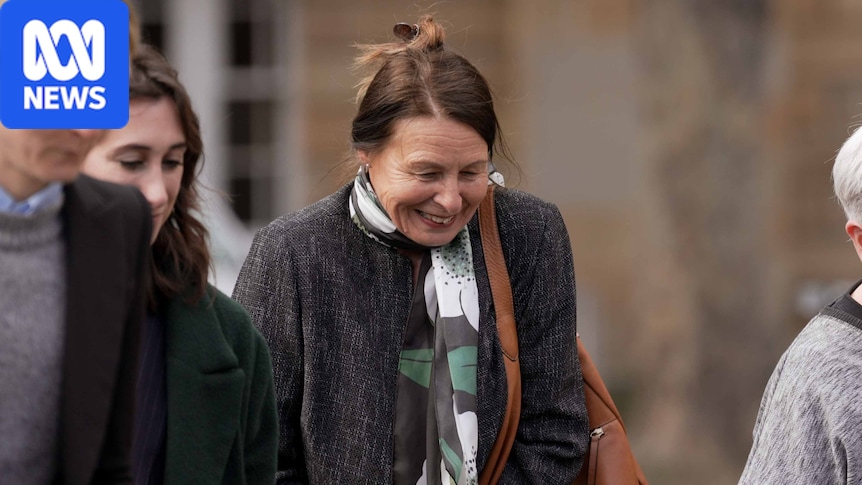
Tasmania’s Justice Department will undertake a review of past parole board decisions to understand the extent to which artificial intelligence (AI) has been used and whether it informed the outcome.
It follows revelations that AI-generated case law was used to justify a parole condition for convicted murderer Susan Neill-Fraser.
Neill-Fraser, who served 13 years in jail for the murder of her partner Bob Chappell in 2009, was released on parole in 2022.
A parole condition that prevented her from speaking to the media about her alleged innocence or claimed wrongful conviction was removed earlier this week, after Justice Stephen Estcourt ruled it denied her procedural fairness, was legally unreasonable and created uncertainty.
Justice Estcourt also found that when the parole board made the decision to impose this condition, it had relied on a document that cited case law that was “fictitious” and likely “AI hallucinations”.

Justice Stephen Estcourt found the parole board had relied on a document containing what were likely “AI hallucinations”. (Supplied: Supreme Court of Tasmania)
In response, the state’s Attorney-General Guy Barnett said he would be writing to the parole board “seeking an explanation about its professional standards”.
Opposition parties said that needed to include a review of past cases to understand how widespread the issue is.
On Wednesday morning, the ABC asked the parole board if it could provide a statement on its use of AI more broadly and if it would be conducting a review.
It received a response yesterday evening with the Justice Department confirming there would be an audit of past cases.
“The Department will undertake a review to determine the extent to which Artificial Intelligence (AI) may have been used to inform past Tasmanian Parole Board decisions,” a spokesperson said in a statement.
“The Department is unable to comment further while the review is in progress.”
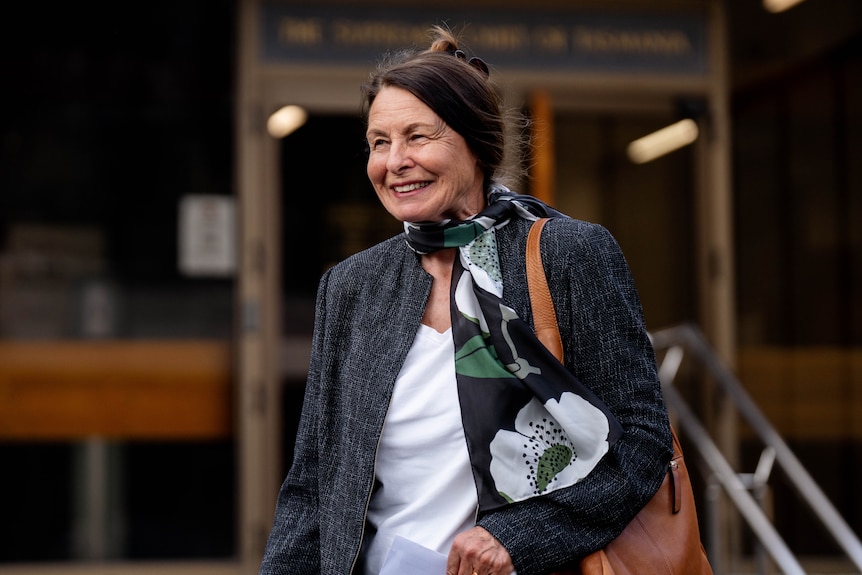
Susan Neill-Fraser is now able to speak more freely about her case after the parole condition was lifted. (ABC News: Ebony ten Broeke)
‘We need to get to the bottom of those issues’
But the review appeared to be a surprise to the government.
When questioned this morning, government minister Nick Duigan repeatedly told reporters the department was still assessing whether a review was the best course of action.
That was until the ABC read out the department’s statement.
Reporter: “So it seems like they are doing it.”
Mr Duigan: “Sounds like they are. Sounds like your information is more up-to-date than mine.”
Mr Duigan then welcomed the review.
“I think we can all agree that’s probably a good thing,” he said.
“These are emerging issues. They’re clearly providing outcomes that are unsound, so we need to get to the bottom of those issues.”
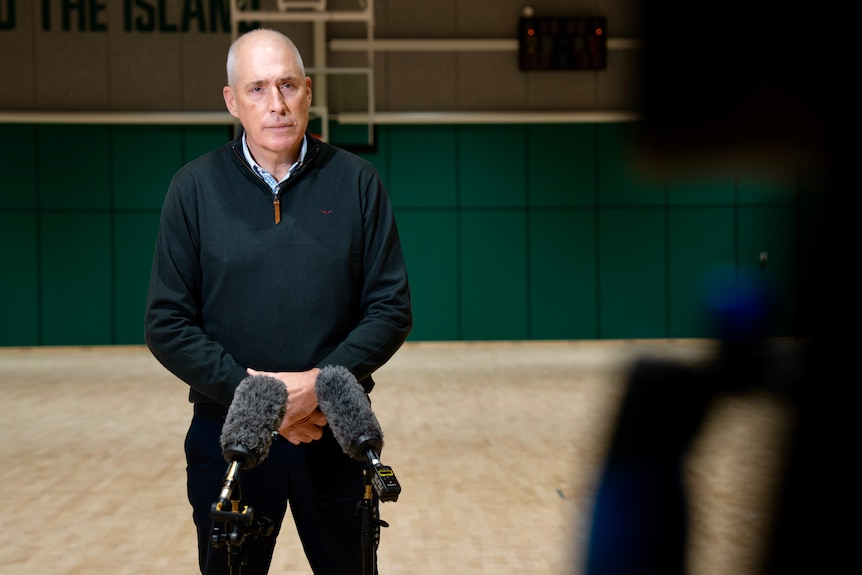
Nick Duigan appeared caught by surprise over the review. (ABC News: Mitchell Woolnough)
Greens corrections spokesperson Cecily Rosol was also happy to hear of the review.
“This use of AI-generated case law certainly calls into doubt many of the previous decisions that’ve been made by the parole board,” she said.
But Ms Rosol called on the government to make sure the review was independent.
“At the moment they’ve said that the review will be conducted by the Department of Justice; they’re effectively investigating themselves,” she said.
“This review needs to be an independent review that really gets to the bottom of what’s happened here.
“So we know those previous parole board decisions that have been made, how many of them have had AI-generated case law used in those decisions?”
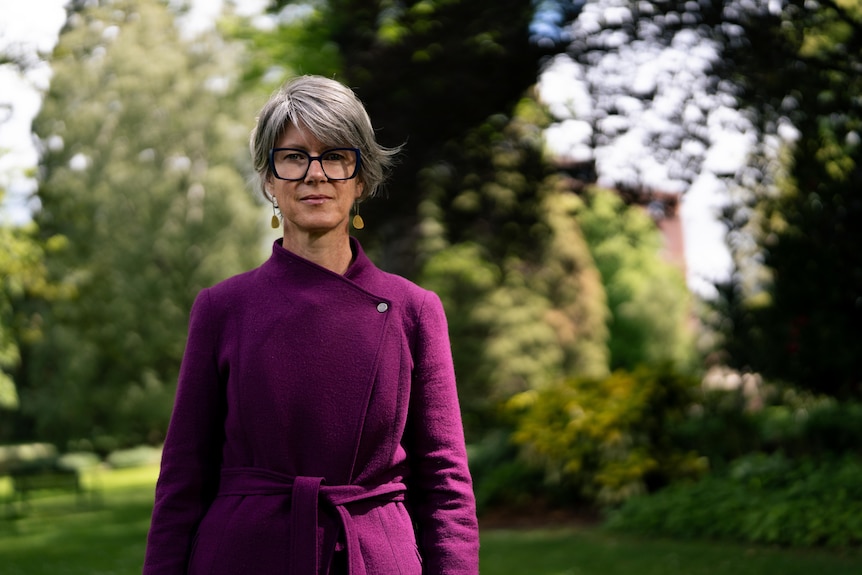
Cecily Rosol is calling on the government to ensure the review is independent. (ABC News: Ebony ten Broeke)
The parole board itself has repeatedly declined to respond to media enquiries, providing only a short statement.
“The Parole Board does not comment on individual matters and is unable to provide any further response to the additional questions raised at this time,” a spokesperson said.
While opposition parties were satisfied with a review, Greg Barns SC from the Prisoner’s Legal Service wanted it to go further. He called for anyone involved in generating the fake case law used in Neill-Fraser’s case to resign or be sacked.
The government has previously said the parole board is independent and the department would not comment on “employment matters relating to individuals”.