
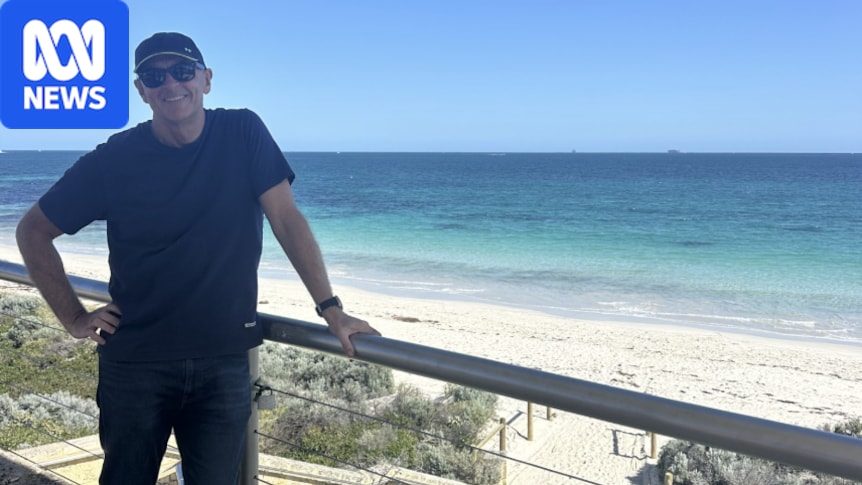
The victim of a fatal shark attack in Western Australia has been named as Greg O’Neill, with his family describing him as a devoted family man and ocean lover.
The 63-year-old was swimming close to the Sorrento Beach shoreline in Perth’s northern suburbs yesterday morning when he was attacked by a large great white.
“Our family is deeply shocked and devastated by the terrible tragedy that took the life of father, grandfather-to-be, brother, uncle, husband and friend, Greg James O’Neill,” his family said in a statement.
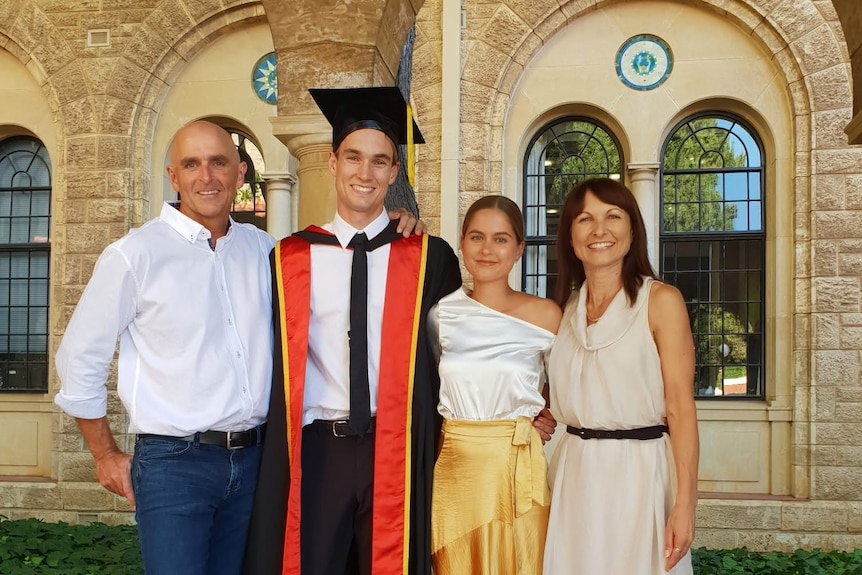
The ABC has only used photos of Greg O’Neill, left, that have been supplied by his family. (Supplied)
“He was a generous, devoted family man that gave his children so much love, care and opportunity. Greg loved the ocean and was known as a passionate swimmer, sports lover, dedicated worker and an all round generous, witty guy.
“The kind thoughts and support from everyone who has reached out are deeply appreciated.”
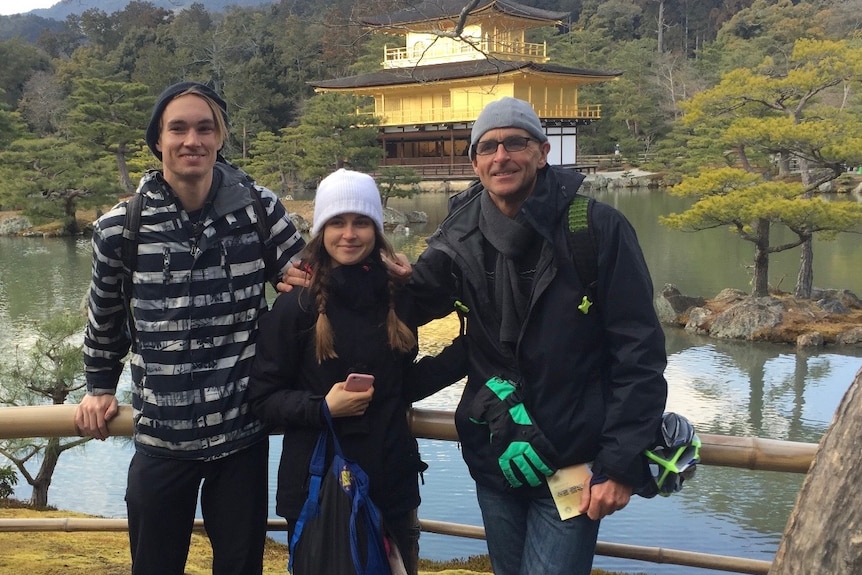
Greg O’Neill, right, was remembered as a passionate swimmer and generous person. (Supplied)
Catch-and-kill order
Western Australia’s fisheries minister Jackie Jarvis has taken the “extraordinary” step of issuing a catch-and-kill order for the shark, which killed Mr O’Neill in front of shocked onlookers.
However, she stopped short of ordering a widespread shark cull in the wake of the attack, saying it would not be appropriate.
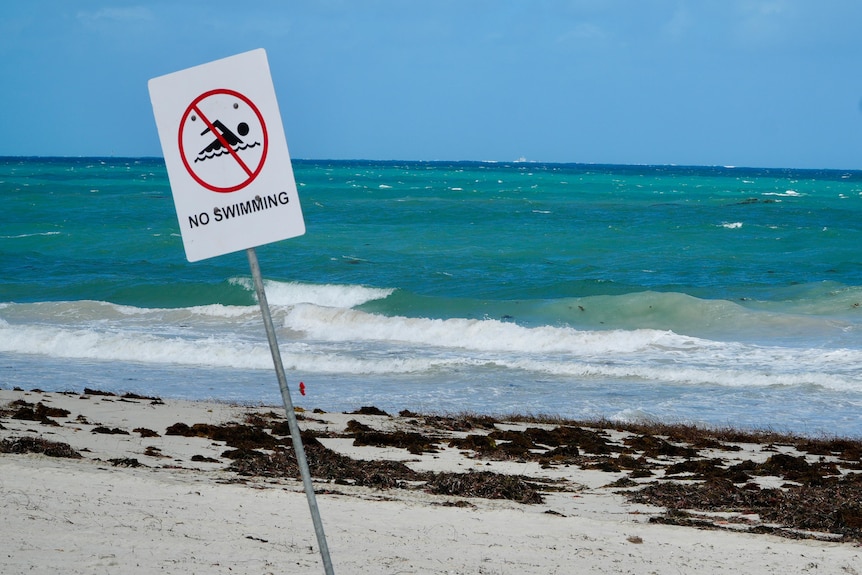
Sorrento Beach remained closed on Saturday after a fatal shark attack there on Friday morning. (ABC News: Courtney Withers)
Beaches across Perth’s northern suburbs remain closed today as the search continued for the shark, and Mr O’Neill’s body.
Mr O’Neill’s grief-stricken family visited the beach earlier today, as locals paid their respects with floral tributes at the site.
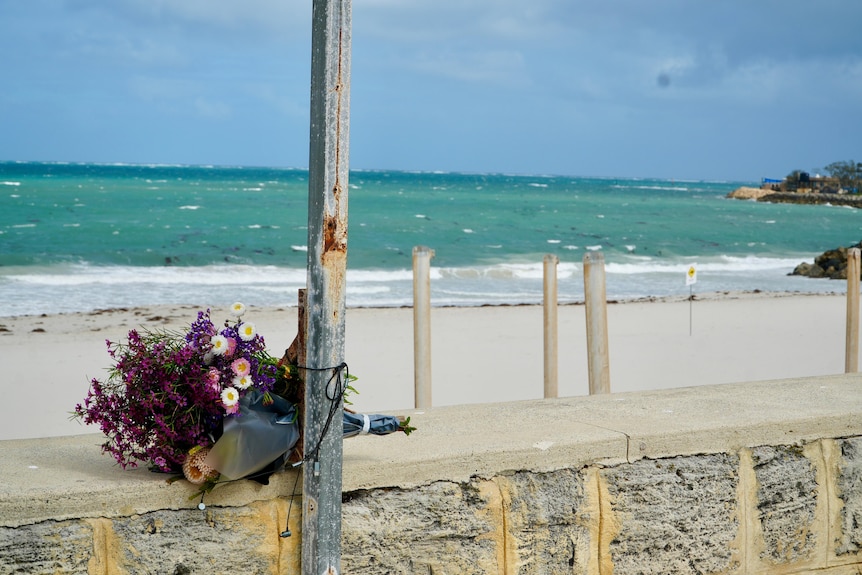
A floral tribute was laid at Sorrento Beach on Saturday morning. (ABC News: Courtney Withers)
His death was the third fatal shark attack in Western Australia this year — and the second this week — and has reignited debate about how to keep beachgoers safe.
Ms Jarvis said she took the “very unusual” step of authorising the capture and killing of the shark after it was positively identified by Water Police before it swam away.
“In making that decision, I considered the exceptional circumstances of the attack, the hazard posed by the shark, and the potential recovery of coronial evidence,” Ms Jarvis said.Loading…
She said capture gear, which is essentially a type of drum line that is normally used to tag sharks, was deployed on Friday in an effort to catch the untagged great white.
The equipment could not be set up today, however, due to unfavourable weather conditions and choppy waters.
Shark cull ‘not appropriate’
Ms Jarvis believed it was the first time in 10 years that a catch-and-kill order had been issued in WA, but said a widespread cull of white sharks was “not appropriate in these circumstances”.
“White sharks are protected internationally,” Ms Jarvis said.
“This is not the return to the idea that we would cull all apex predators in the ocean.
“I don’t want to give people a false sense of security. I cannot mitigate all risks.”
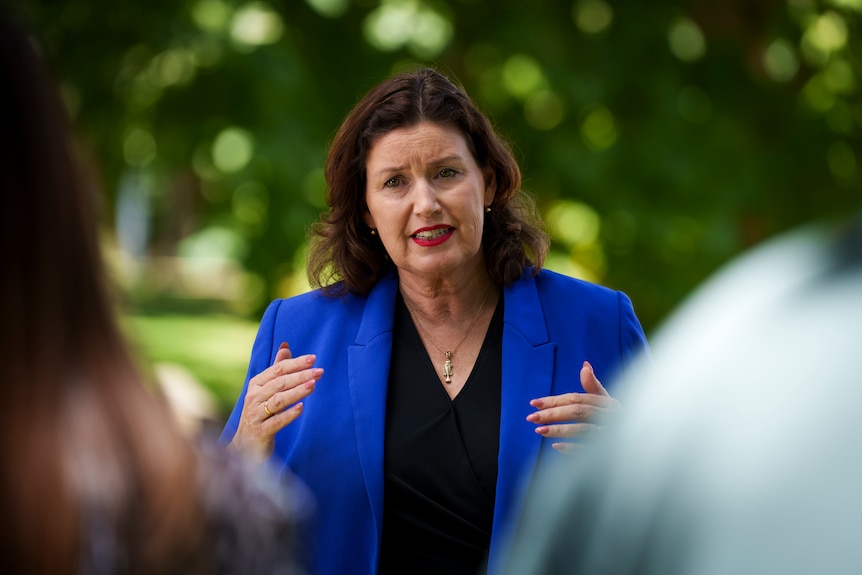
WA Fisheries Minister Jackie Jarvis has addressed the media following yesterday’s shark attack. (ABC News: Jake Sturmer)
More drones, tagging on the table
Western Australia’s shark mitigation strategies have been focused on tagging and tracking, an app for notifications, warning sirens, shark enclosures and personal deterrents.
Third person killed by sharks in WA this year
Ms Jarvis said the government would review this strategy to see what more could be done to protect beach goers.
“This is incredibly distressing and I will certainly be talking to my colleagues across emergency services and police to better understand what more we can do for shark mitigation,” she said.
Ms Jarvis said she had spoken with the police minister, and deploying more drones to spot sharks along WA’s vast coastline was “absolutely under consideration”.
The state government already funds the use of drones for Surf Life Saving WA clubs who want to use them for events, including those involving children.
She said the government would also review its tagging program to see if it could be increased.
More than 300 sharks have been tagged in Western Australia, including 227 white sharks.
Ms Jarvis said a 2018 CSIRO report indicated there were around 1,500 white sharks circulating off WA’s coast, but the government is awaiting an updated report, due to be released around May.
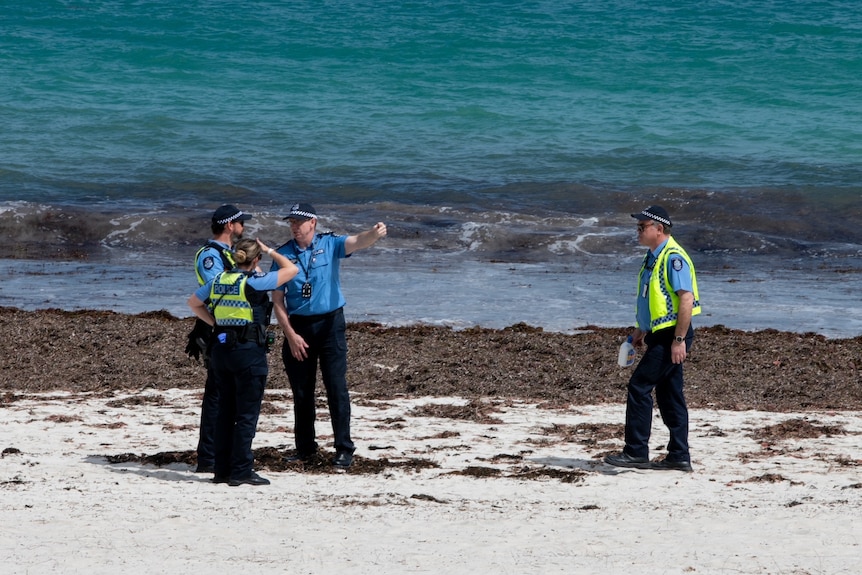
Police confirmed the death of the 63-year-old male swimmer on Friday afternoon. (ABC News: Andrew O’Connor )
A shark barrier at the northern end of Sorrento Beach was removed by Joondalup Council in 2020 due to structural failures and the need for expensive repairs.
When asked whether it could be reinstated, Ms Jarvis said she would be happy to revisit the issue with the council.
“There are funds available for local governments who wish to put up beach enclosures and so I’m happy to talk to any local government that wishes to go down that path,” she said.
Locals ‘rattled’
Owen Vladich said the community had been “rattled” by the fatal attack occurring so close to shore, describing it as “absolutely tragic”.
“We’re absolutely devastated that this could be so close to home in our little coastal community and it’s not just our community, people come from everywhere to come to this beautiful place,” he said.
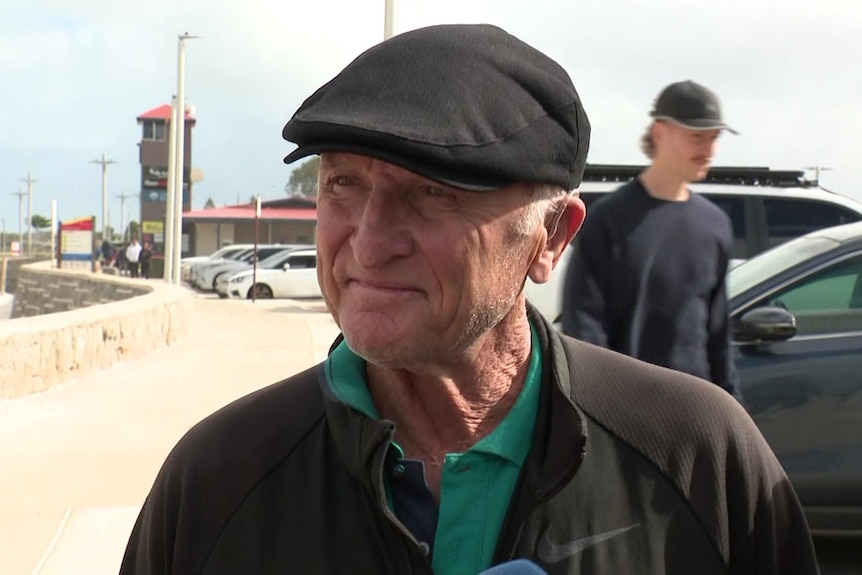
Owen Vladich said locals were in disbelief and hurting after the attack. (ABC News)
Other locals also returned to the beach on Saturday morning to pay their respects and lay flowers.
“I don’t know the guy, I wanted to bring some flowers down,” surfer Craig Hooper said.
Mr Hooper said he was surfing at the beach at the time of the incident and regularly sees children surfing along the popular stretch of coastline.
“It’s hit home, it’s quite sad … It really shook me up, I was quite rattled last night,” he said.
Hillarys resident Brid Hutchinson said Mr O’Neill’s death would “change the way [locals] think of Sorrento Beach”, saying a “bleakness” had set over the beach in the wake of the attack.
“This is our local beach … the boys did surf club here,” she told the ABC.
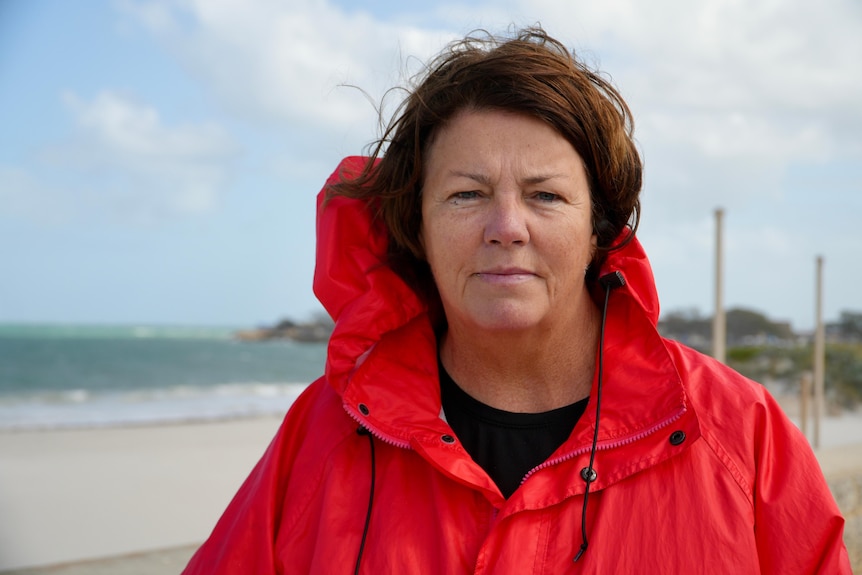
Brid Hutchinson said more needs to be done to keep beachgoers safe. (ABC News: Courtney Withers)
Ms Hutchinson said more mitigation measures were needed to give swimmers the confidence to return to the water.
“What do we need? Do we need drones or do we need to change the way we patrol the beaches?” she said.
“This is too close [to shore] and obviously the sharks are coming in for a reason.”
The attack comes just a week after Surf Life Saving WA began its weekend helicopter shark patrols ahead of summer, but daily patrols are not due to start until next week.
Beaches remain closed
All beaches in the City of Joondalup, from Marmion to Iluka, will remain shut while authorities assess the situation.
It has been a decade since there have been this many shark attack deaths in the Perth metro area.
Friday’s fatality comes days after 56-year-old firefighter Mel Ismail was injured in a shark attack at a Geraldton beach, about 400 kilometres north.
Earlier this year Steven Mattaboni died after a shark attack off Rottnest Island and spearfisher Daniel Turpin was killed near Albany a few weeks later.
The last time three people died in shark attacks in WA in a single year was 2020, when two people were killed off Esperance, and another person was fatally attacked off Cable Beach in Broome.