
The age of the orbital data center may be about to dawn.
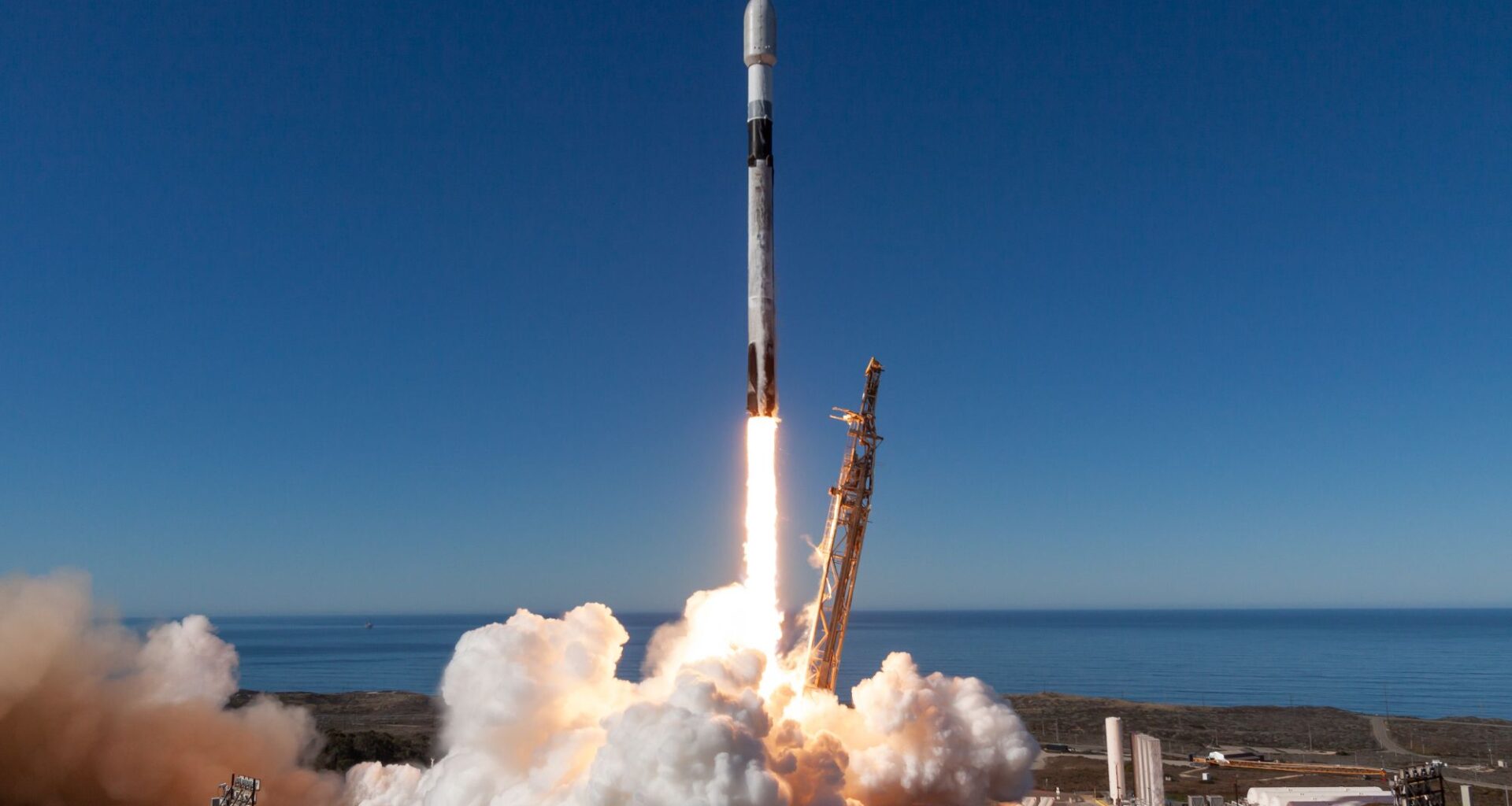
Google announced today (Sept. 24) that a prototype satellite for its planned Project Suncatcher AI constellation will fly on SpaceX‘s Transporter-18 rideshare mission, which is currently scheduled to launch on Oct. 1.
The main goal is to see how core Suncatcher hardware — Google chips known as tensor processing units (TPUs) — perform in the final frontier, according to the company.
The satellite going up on Transporter-18 was built by the San Francisco-based Earth-imaging company Planet, which has partnered with Google on Project Suncatcher.
The prototype spacecraft carries four TPUs and will operate in Earth orbit for a year, if all goes to plan, according to The New York Times. During that time, Google will keep close tabs on the TPUs, noting, among other things, how they’re affected by space radiation and how effectively the heat they generate is dissipated.
You may like
Indeed, cooling is regarded as one of the major challengers for operators of orbital data centers, as there is no airflow in space to carry away heat.
“We’re working on a number of different approaches for this, including a combination of heat pipes and radiators to cool the chips,” Google wrote in today’s Project Suncatcher update.

“So far, our team has tested the technology in a thermal vacuum chamber that simulates both the thermal and vacuum environment in space,” the company added. “We’ll see how our new TPU cooling system works in space and refine our designs as we learn more.”
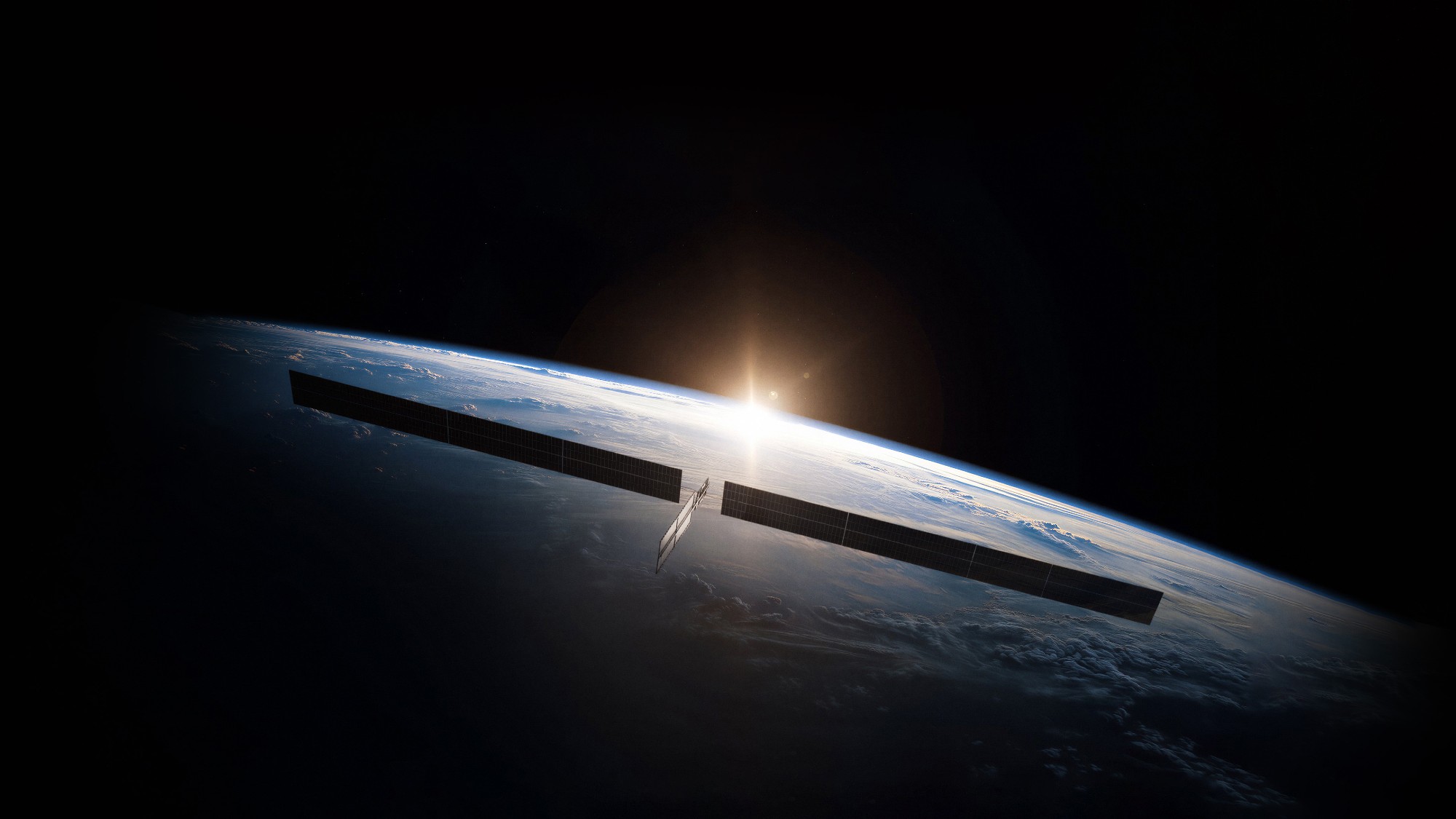
A rendering of one of SpaceX’s planned “Starmind” AI satellites in orbit. (Image credit: SpaceX)
The lessons will keep coming. Up next is a course in laser communication, a core capability that the Project Suncatcher satellites — which will operate in clusters of dozens of spacecraft — will need to possess.
“Maintaining the necessary connection requires extraordinary precision, similar to hitting a coin-size target from miles away while both points are in motion,” Google wrote. “We’ll test our work on this in 2027 when we put two satellites in orbit.”
Those two spacecraft will be built by Planet as well, according to The New York Times.
Many other companies are eyeing orbital data-center constellations these days, drawn by the promise of continuously available power (from the sun) and the lack of neighbors to make NIMBY protests. SpaceX, for example, aims to operate a million-member megaconstellation of its Starmind AI satellites in Earth orbit, and to start building it as soon as next year.
It’s unclear which, if any, of these off-Earth AI plans will come to pass. But the Transporter-18 launch could be a hinge point, teaching Google a lot more about its own prospects.