
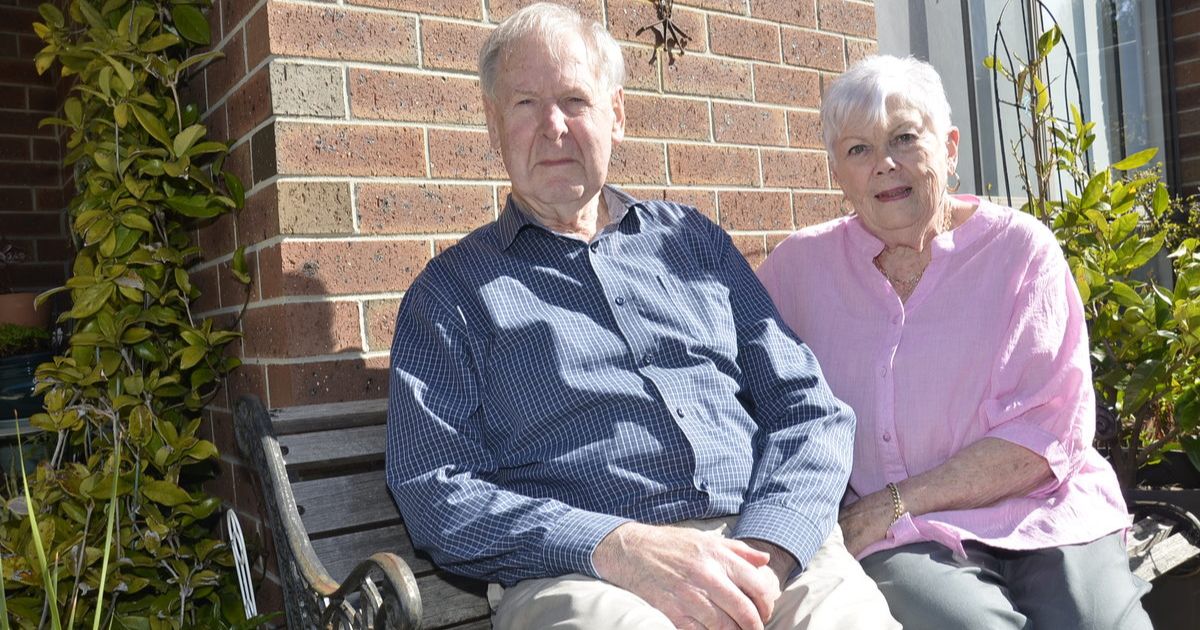
Frank Stuart’s Alzheimer’s disease diagnosis has challenged him, but it hasn’t stopped him living a full and active life.
“The first most confronting issue is lack of independence,” Stuart said.
“Probably the biggest setback for me was not being able to drive.”
During Dementia Action Week until 27 September, Stuart and his wife Lorraine are sharing their personal journey through the confronting experience, to help other Ballarat locals recognise the signs and seek support sooner rather than later.
“I was diagnosed in 2023, and we’ve had to adjust our daily life and lead a new lifestyle,” Stuart said.
Adapting to their new reality has been difficult for the active retired couple who loved caravanning the length and breadth of Australia, particularly as everyday tasks became more challenging.
Determined to focus on what they could control, Stuart embraced alterations including exercise, healthy eating, puzzles, and volunteering with organisations including St John’s and the St Vincent de Paul Society, while staying socially connected with friends and family.
“I’ve also been on a couple of trials with medications,” Stuart said.
He also had some helpful words for others contending with a similar experience.
“There is an incredible amount of support in the community, and we are very lucky here in Ballarat to have the medical support we have,” he said.
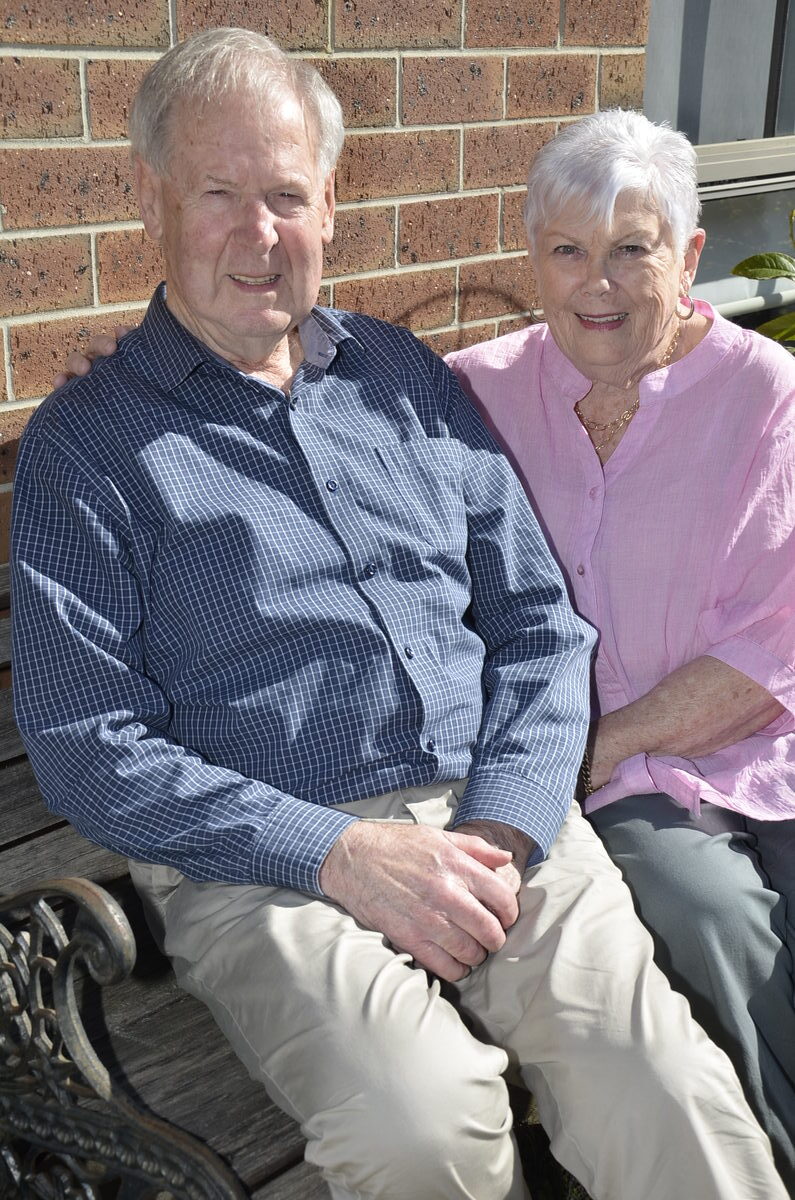 Frank and Lorraine Stuart are navigating their own dementia journey. Photo: Evie Lamb.
“One of the biggest problems is people locking themselves away when there’s plenty of things that can be done and opportunities for people to get support.
“People shouldn’t give up and shouldn’t be afraid to ask for help.”
Geriatrician Dr Mark Hohenberg said one of the most common misconceptions is that increasing forgetfulness is a normal part of ageing.
“While some changes in thinking can occur as we get older, persistent or worsening memory loss is not considered a normal part of healthy ageing and may be an early sign of a disease process,” he said.
“Too many Australians are dismissing these symptoms as ‘just old age’, potentially delaying opportunities to improve their health and function or prevent dementia.”
According to Dementia Australia, the disease is now the leading cause of death for Australians with an estimated 446,500 Aussies currently living with it.
Without a significant intervention, that number is forecast to increase to more than 1 million by 2065.