
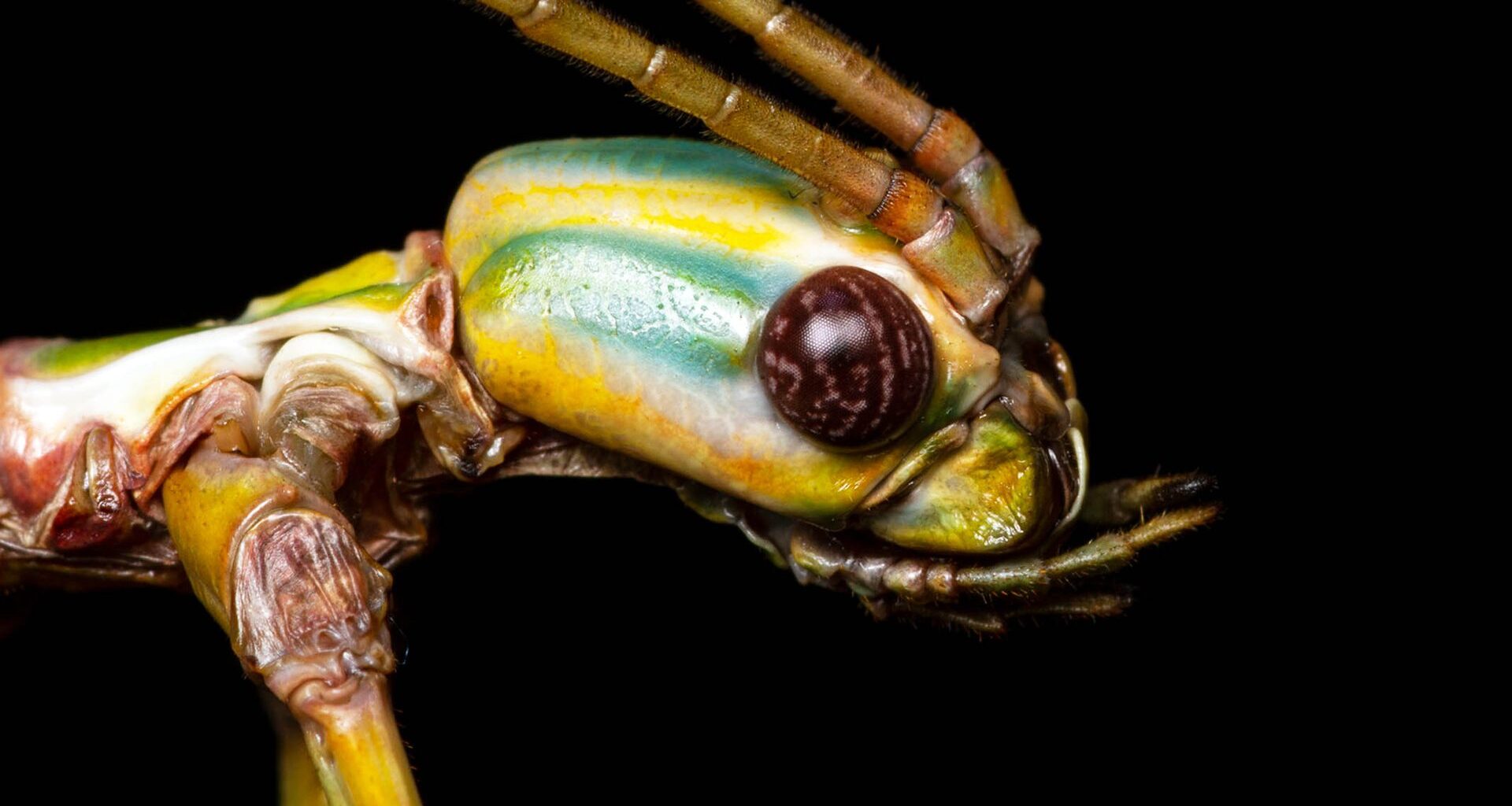
Australian scientists discovered two new giant stick insect species and fixed an old mix-up with a third.
Researchers have identified two new species of large stick insects and revived a third that had been misidentified for years.
What were once counted as just two species turned out to be five. These species are spread from northern New South Wales through coastal Queensland and into the tropical north.
The work was led by researchers at the University of Sydney.
A stick insect genus hiding surprises
Before this study, scientists recognized just two species within this group of large stick insects. That number has now jumped to five, and these insects range across a genuinely large stretch of the continent.
Getting there wasn’t quick. The team combined DNA analysis, museum specimens, field surveys, and studies of captive populations.
Citizen science played a real part too. Over 1,000 observations came in through platforms like iNaturalist and the Atlas of Living Australia.
Despite all the existing data, Australia is still only scratching the surface of its insect diversity.
Familiar stick insects can fool the experts
“Taxonomy is often a bit like detective work,” said lead author Braxton Jones from the University of Sydney.
“Even among some of Australia’s most photographed and frequently reported insects, we’re still finding species that have escaped scientific recognition.”
One of the surprises involved an insect that scientists have known about for years, and assumed it was correctly identified. It wasn’t.
Researchers have now formally recognized it as its own species, Anchiale robusta.
This species stands out as the largest and most robust in the genus. Females can be distinguished by having hindwings that reach further down the abdomen than in any other Australian Anchiale.
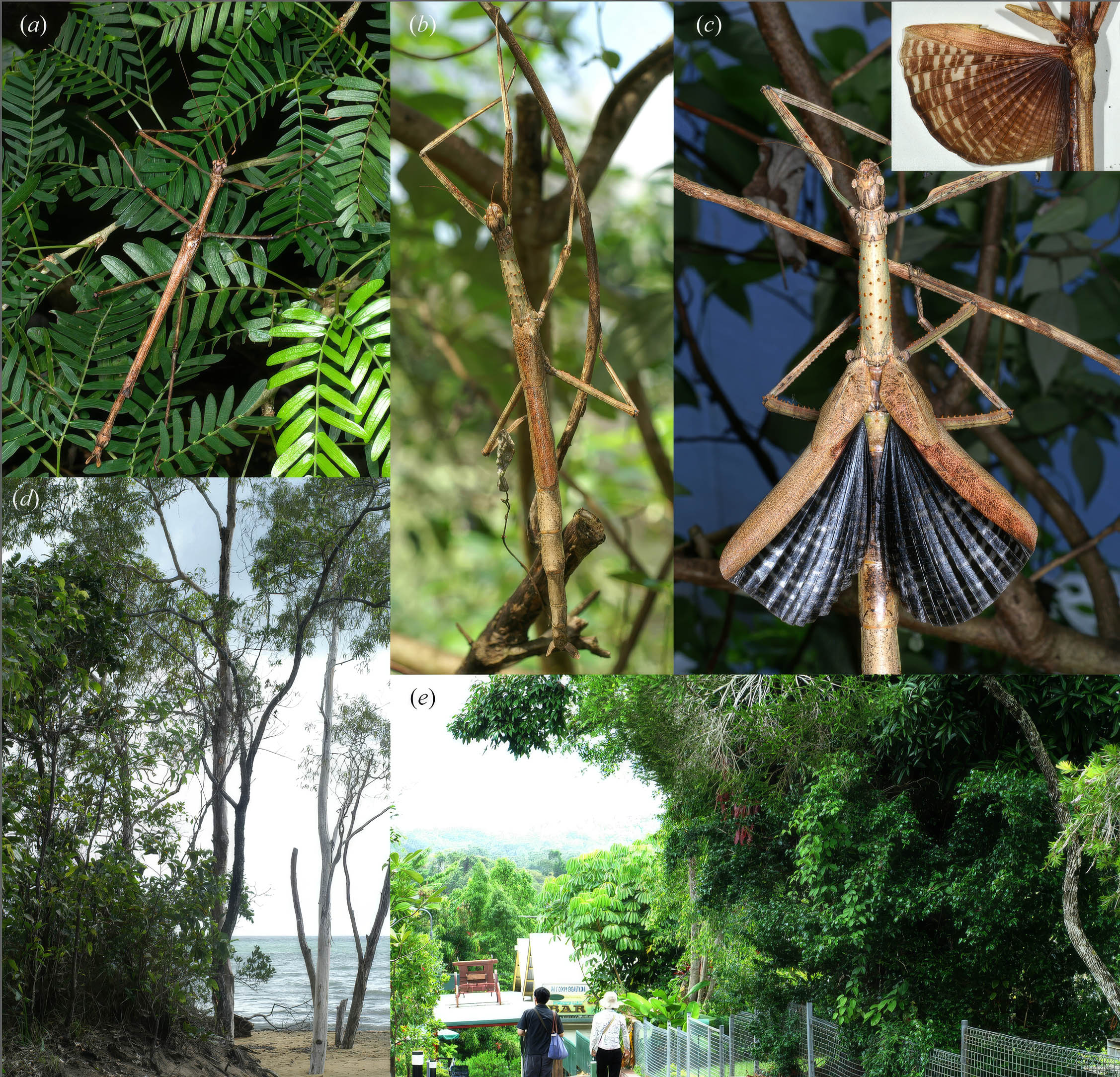 Anchiale robusta sp. nov. in situ. (a) Male. (b) Female. (c) Female defence display, inset: wings of preserved paratype female. (d) Coastal habitat, Bramston Beach, Qld. (e) Garden habitat, Kuranda, Qld. Credit: PDB. Click image to enlarge.A rainforest species with strange eggs
The team also described a second, brand-new species, Anchiale mabiensis. This species is found in Queensland’s critically endangered Mabi rainforest on the Atherton Tablelands.
It’s a smaller, more slender insect than its robust cousin, and seems endemic to a fairly narrow patch of habitat.
What sets this species apart isn’t just where it lives. Its eggs feature a structural lid, something never documented before in stick insects or their close relatives.
This marks the first time such inner rings on an egg’s operculum have been recorded in the entire order Phasmida. That detail matters more than it sounds, since stick insects are experts at not being seen at all.
Plenty of species gradually shift color to blend into leaves, bark, or lichen. This makes identifying them by sight alone notoriously unreliable.
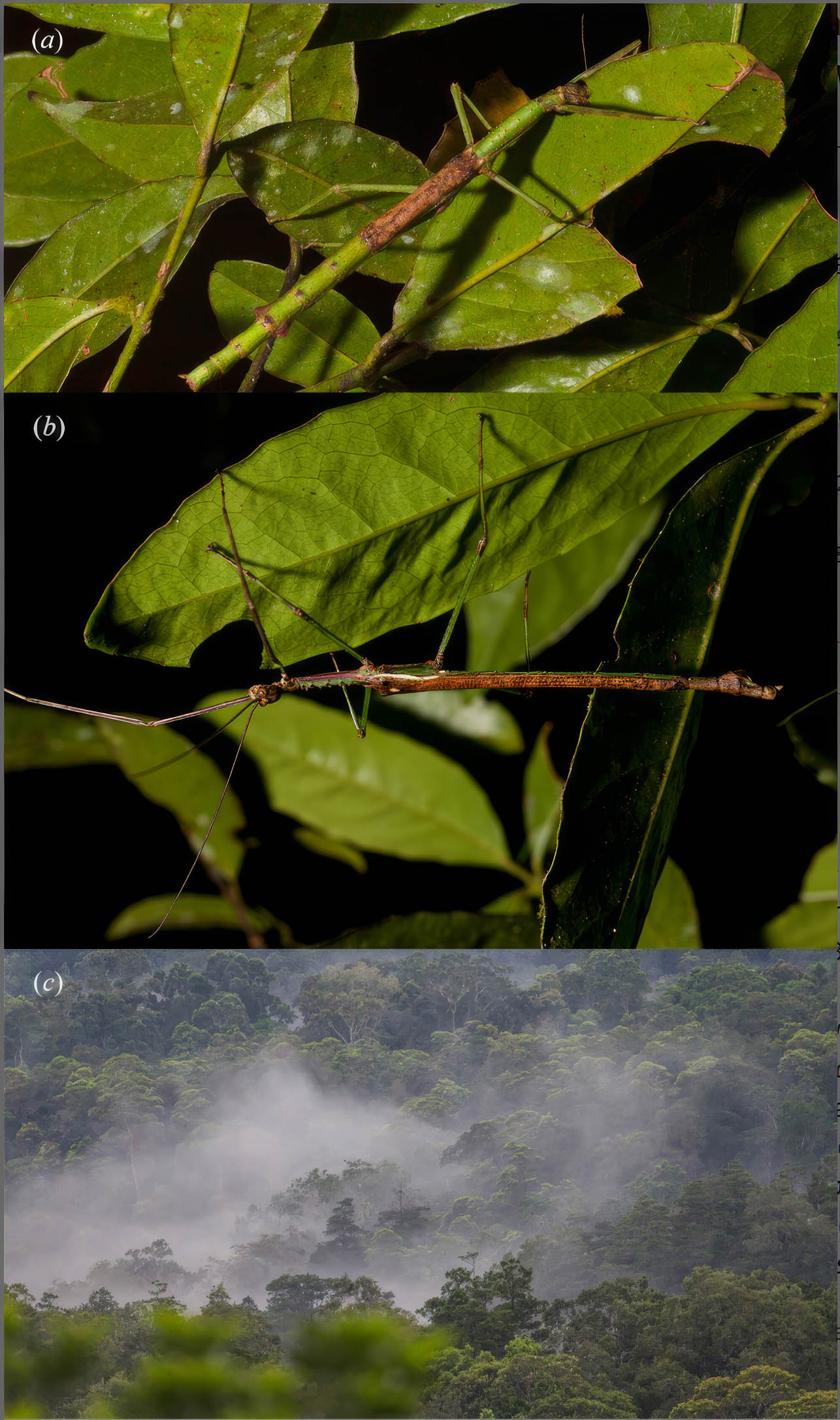 Anchiale mabiensis sp. nov. in situ. (a) Female holotype (photo by RMC [Ross M. Coupland]). (b) paratype male (photo by RMC). (c) Montane rainforest habitat (photo by AJE). Click image to enlarge.A dangerous and confusing pest
One stick insect known for triggering plague-like outbreaks in trees, shows an interesting adaptation known as kentromorphism. This means that the same species can shift dramatically in appearance between low-density and high-density population phases.
This phenomenon adds another layer of confusion for anyone trying to identify species accurately, as the colour morphs may be confused for separate species.
Sorting out the real species boundaries could genuinely help forestry and agriculture manage future outbreaks.
Knowing which species is behind a given outbreak is also important as it makes targeted management possible.
One mystery still unsolved
The study also flagged a likely additional species from Cape York that hasn’t been formally described yet.
Researchers say they’ll need more specimens before they can confirm its identity, so at least one mystery is still sitting open.
The possibility extends even further, with hints of an undescribed relative turning up on a small island in the Torres Strait. This suggests the genus may hold more surprises across Australia’s northern island chains.
“These findings demonstrate the importance of protecting threatened ecosystems and documenting Australia’s extraordinary biodiversity before we lose species without us having even discovered them,” Jones said.
Why this kind of work matters
Taxonomic revisions like this one rarely make headlines, but they quietly underpin almost everything else in conservation and land management.
Without knowing how many species actually exist, or where the lines between them fall, it’s difficult to protect the right habitats or respond effectively when populations crash or explode.
The Mabi rainforest, where Anchiale mabiensis was found, is itself critically endangered. As the researchers point out, some species could vanish before they’re ever formally recognized at all.
The study is published in the journal Austral Entomology.
—-
Like what you read? Subscribe to our newsletter for engaging articles, exclusive content, and the latest updates.
Check us out on EarthSnap, a free app brought to you by Eric Ralls and Earth.com.
——