
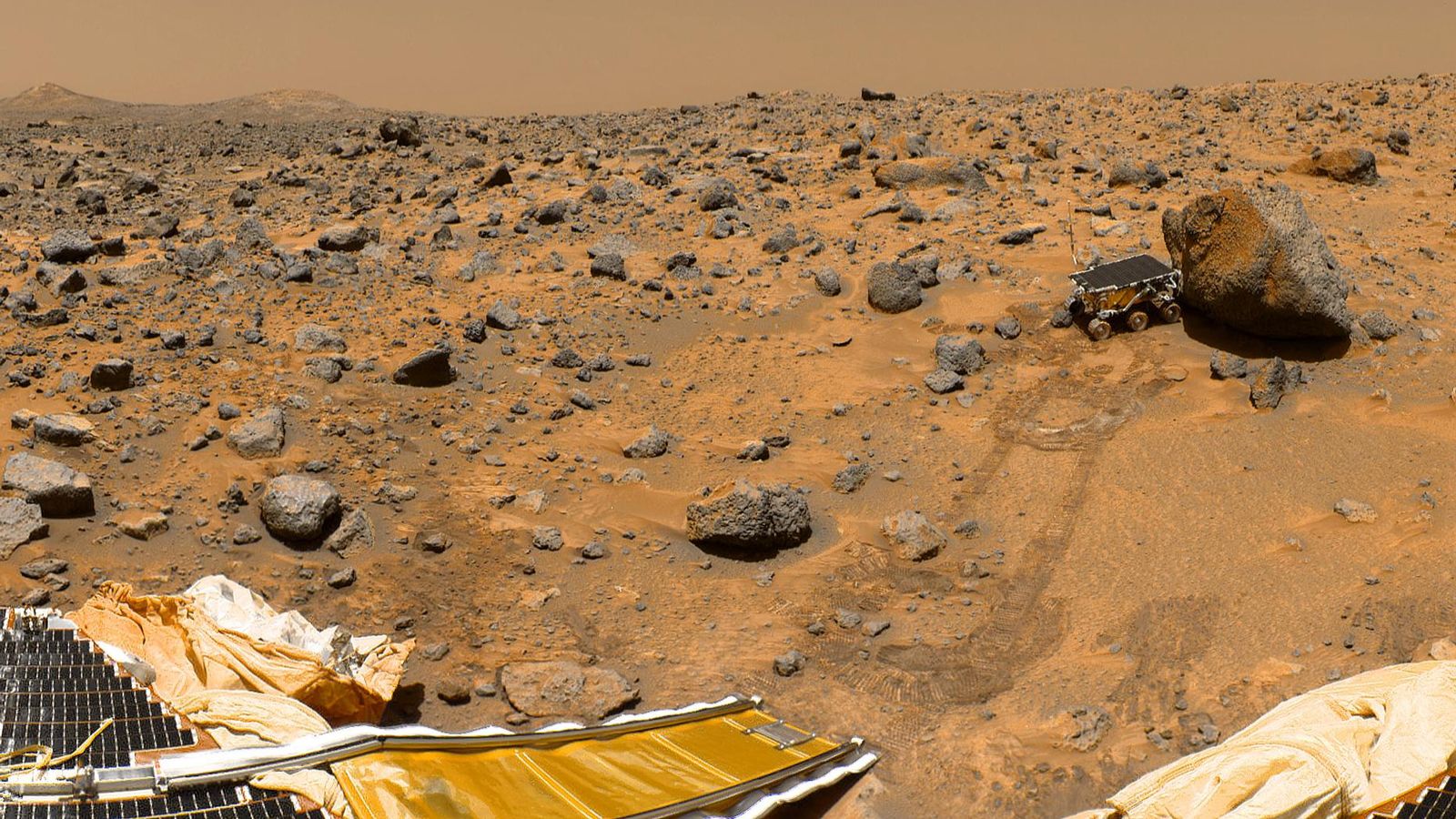
On Sept. 27, 1997, NASA’s Mars Pathfinder mission beamed its very last data transmission back to Earth.
Pathfinder was three months into what was supposed to be just a one-month mission on Mars when the base station’s battery began to fail. NASA struggled to reestablish contact with Pathfinder for another five months before giving up and calling the mission complete.
The Mars Pathfinder mission consisted of a base station and the very first Mars rover named Sojourner. NASA launched the Pathfinder mission, which was led by the agency’s Jet Propulsion Laboratory in Pasadena, California, on Dec. 4, 1996, with the lander and reaching the Red Planet on July 4, 1997.
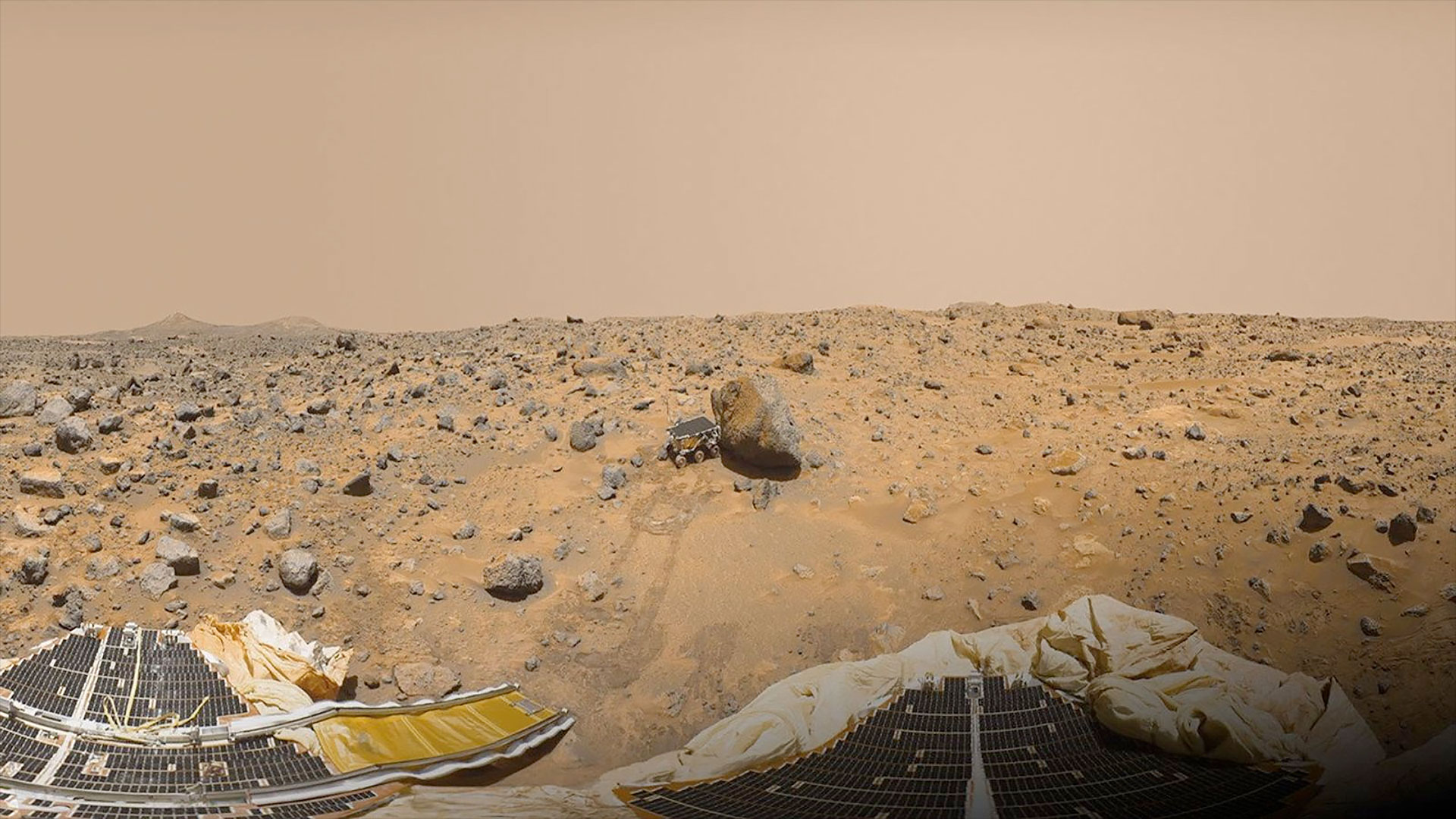
NASA’s Mars Pathfinder lander (bottom left) is seen near its small rover Sojourner during its 90-day mission in 1997. (Image credit: NASA/JPL-Caltech)Why it mattered
NASA’s Mars Pathfinder lander was a watershed mission or the space agency’s effort to explore the Red Planet. As a Discovery class mission, was designed as one of the agency’s “faster, better, cheaper” approaches to planetary exploration Its $262.3 million cost (in 1997 dollars) represented a fraction of the billions spent on NASA’s larger Viking landers.
Pathfinder was actually a technology testbed of sorts, with NASA using the mission to test many techniques the agency would later use in future Mars missions. The most prominent of those techniques were the use of airbags to land Pathfinder on Mars, as well its Sojourner rover’s rocker-bogie suspension system. Both technologies were scaled up for NASA’s next rovers on Mars, Spirit and Opportinity, which launched in 2004.
You may like
In all, Pathfinder took more than 16,500 photos of its Ares Vallis landing site on Mars, with Sojourner snapping another 550 photos. They made 15 chemical analyses of Mars rocks and soil, and collected Mars weather data as well. The Pathfinder base lander was renamed the Carl Sagan Memorial Station in honor of the late astronomer Carl Sagan.
The Pathfinder mission also demonstrated two key things: First, that a wheeled rover could successfully land and conduct science on Mars, and that the Jet Propulsion Laboratory’s Mars lander and rover designs were robust enough to far outstrip their design life.

Image 1 of 4
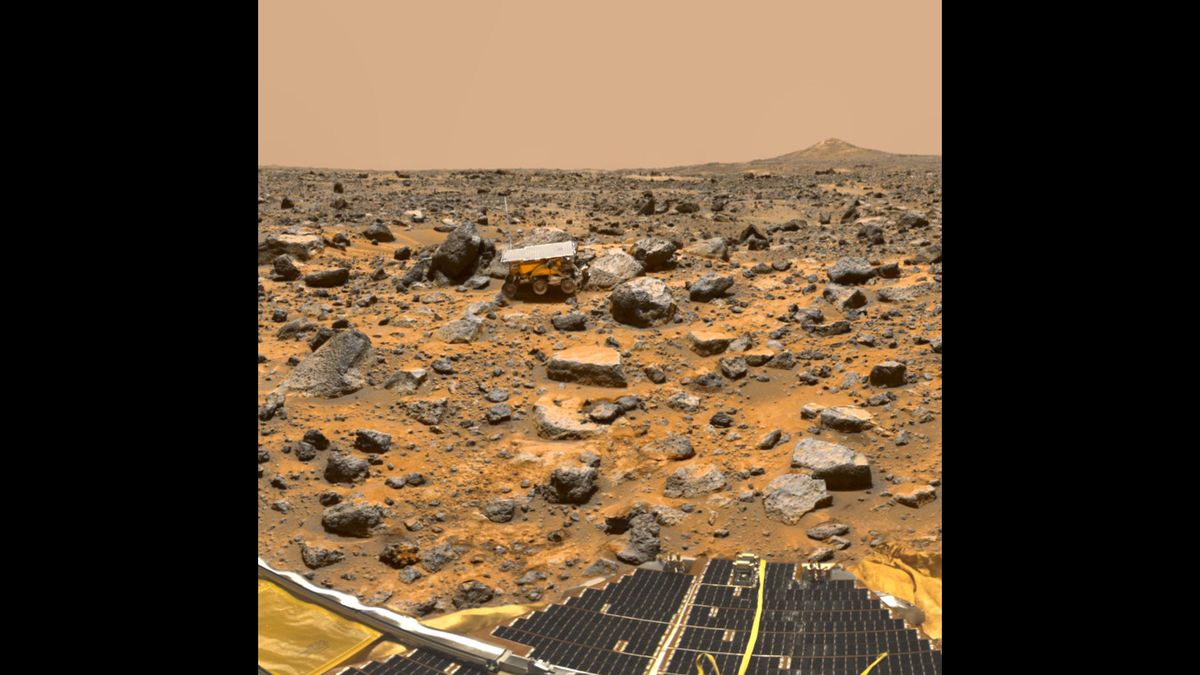
NASA’s Mars Pathfinder lander and the Sojourner rover on the surface of Mars.
(Image credit: NASA)
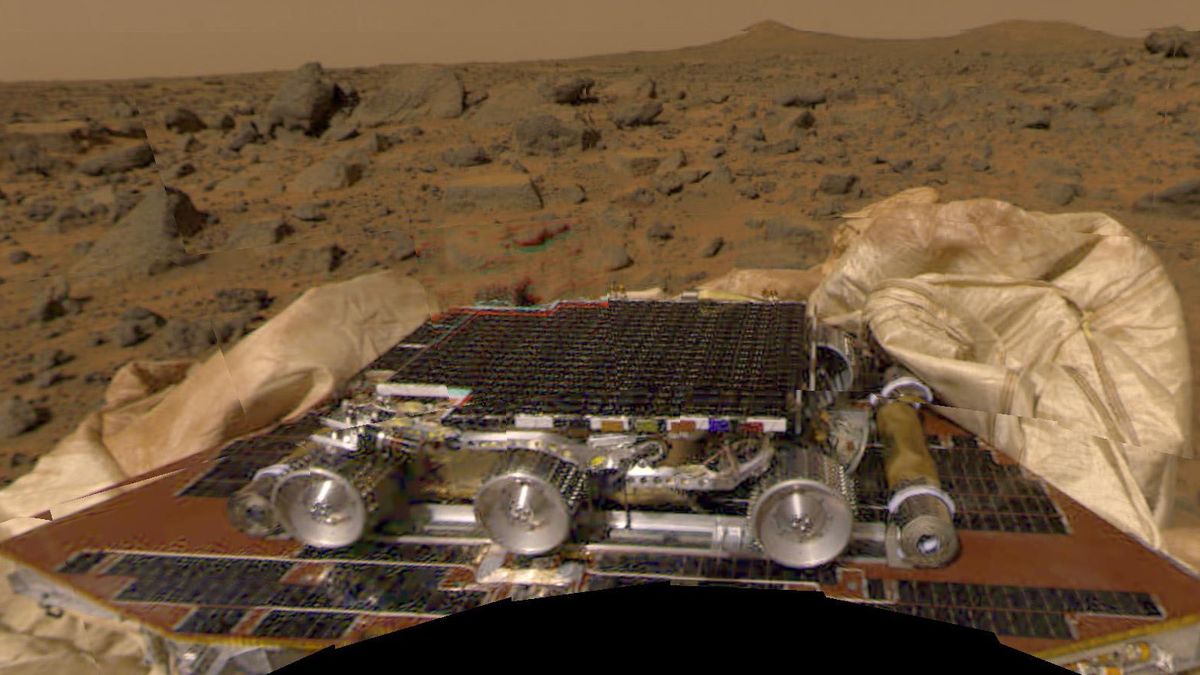
The NASA Sojourner Mars rover is nestled in its landing parachute aboard the Pathfinder lander, in this image taken shortly after landing on July 4, 1997.
(Image credit: NASA)
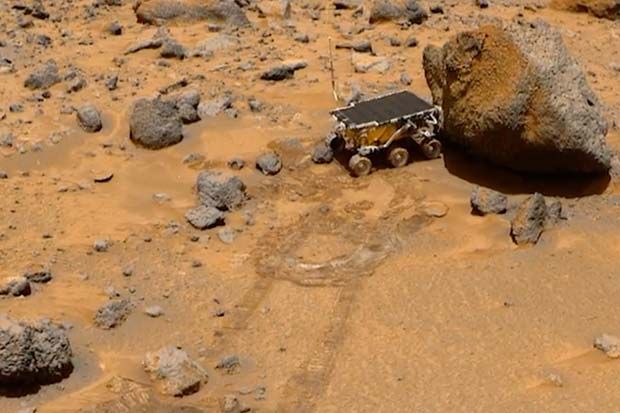
NASA’s Pathfinder mission and its Sojourner rover landed on the Red Planet in 1997.
(Image credit: NASA/JPL-Caltech)
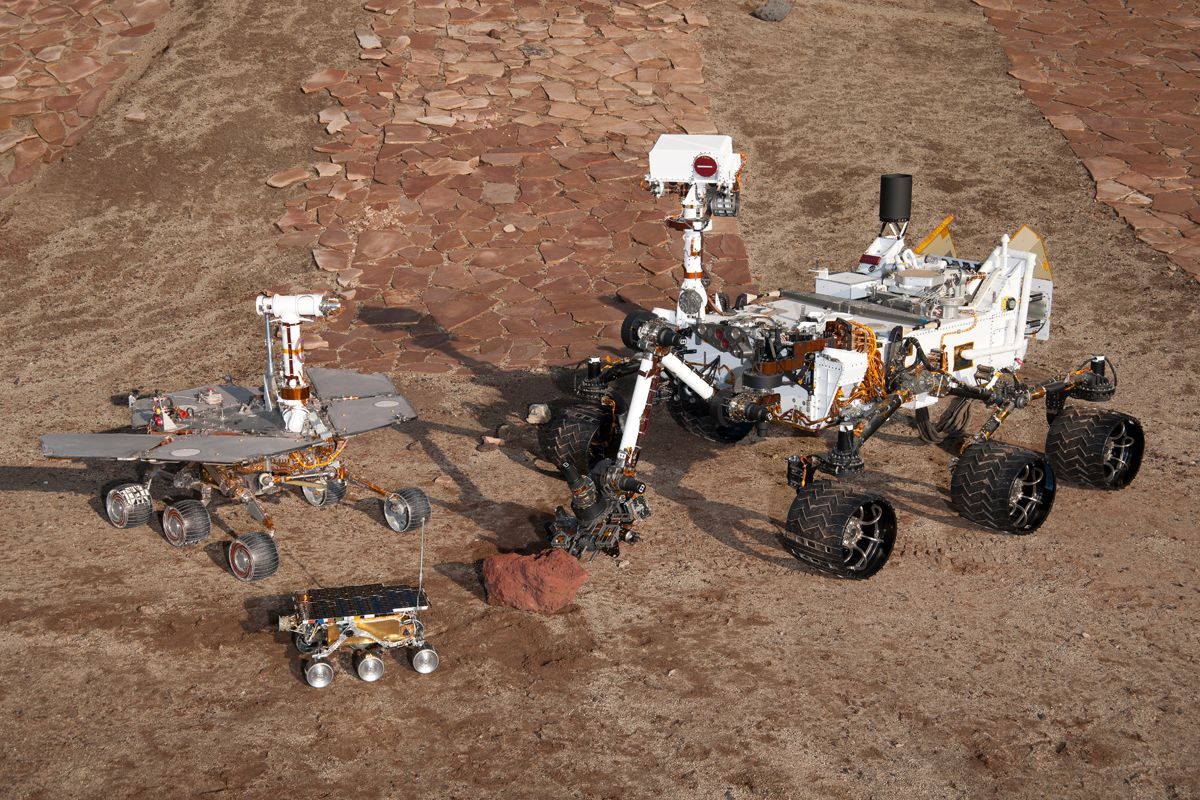
This grouping of two test rovers and a flight spare provides a graphic comparison of three generations of Mars rovers developed at NASA’s Jet Propulsion Laboratory, Pasadena, Calif.
(Image credit: NASA/JPL-Caltech)
While Pathfinder and Sojourner were only designed to last 30 days, they managed to survive three times that during the actual mission. That pattern would be repeated with Spirit and Opportunity, which both launched on a 90-day primary mission but survived for years (Opportunity would ultimately last 14.5 years on Mars).
Sojourner’s success not only paved the way for Spirit and Opportunity, but also for even larger rovers to come. NASA’s car-sized Mars rover Curiosity landed on the Red Planet in 2012 and was followed by the Mars rover Perserverance in 2021. Both are powered not by solar arrays, which limited the lives of Sojourner, Spirit and Opportunity, but by a nuclear battery, with both rovers still active today.
Want more space history? Check out our full On This Day In Space Story archive and watch our On This Day In Space videos on YouTube.
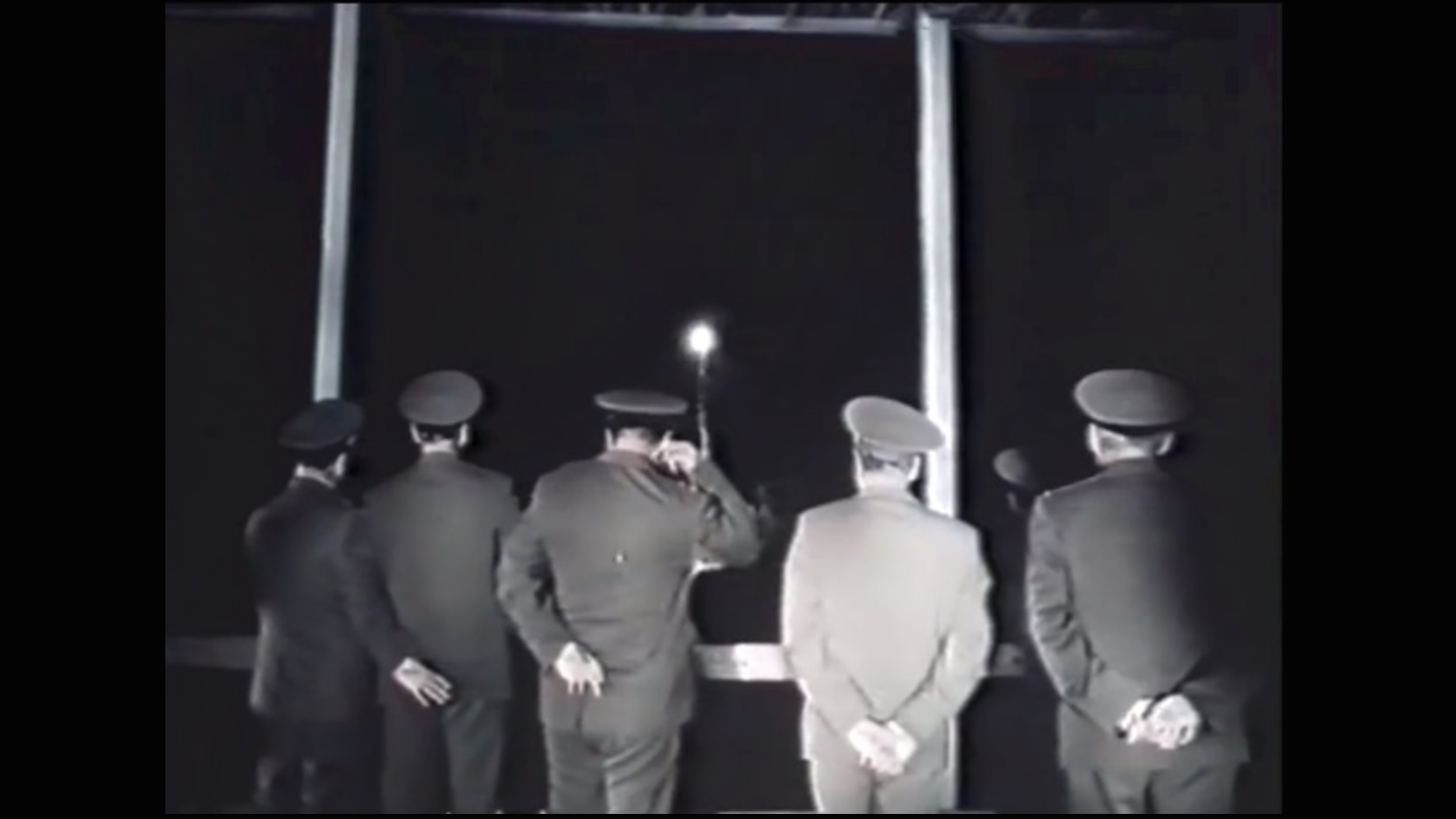
On this day in space! Sept. 26, 1983: Russian cosmonauts escape Soyuz rocket explosion