
 Play Brightcove video
How will the PM fund proposed changes to the social care system? ITV News Political Editor Robert Peston explains
I came away from Andy Burnham’s pre-conference interview thinking he may well promise to fund his new free system of care for the elderly (at least in part) by reforming the expensive triple lock guarantee for above-inflation increases in the state pension.
Here were the clues in his chat with the BBC.
First, he said that the plan would not be implemented in this parliament. It would be in Labour’s next general-election manifesto. And his reason was that he would not break Starmer’s manifesto, which promised to keep the triple lock.
Second, he said everyone would contribute to the funding of social care, but that the funding mechanism would be different from that of the NHS.
In other words, he would not use general taxation to pay for his new national care service. And to state the obvious, if the rate of increase in the state pension becomes less generous, up-rating by inflation rather than the higher marker of inflation or earnings, with a floor of 2.5%, this would have an impact both on current pensioners and future ones.
All of us would contribute, either now or in the future.
Subscribe free to our weekly newsletter for exclusive and original coverage from ITV News. Direct to your inbox every Friday morning.
Third, he has been listening to what I and others have been querying, which is whether he is prepared to take tough decisions that upset and enrage important sections of the community, when he believes doing so is in the national interest.
He made a point, in the context of how he would fund social care, in saying he would show his mettle, his backbone – and to state the obvious, opposition parties and some older people will be angry if he abolishes the triple lock.
So why might he choose to make the rate of increase in state pensions less generous?
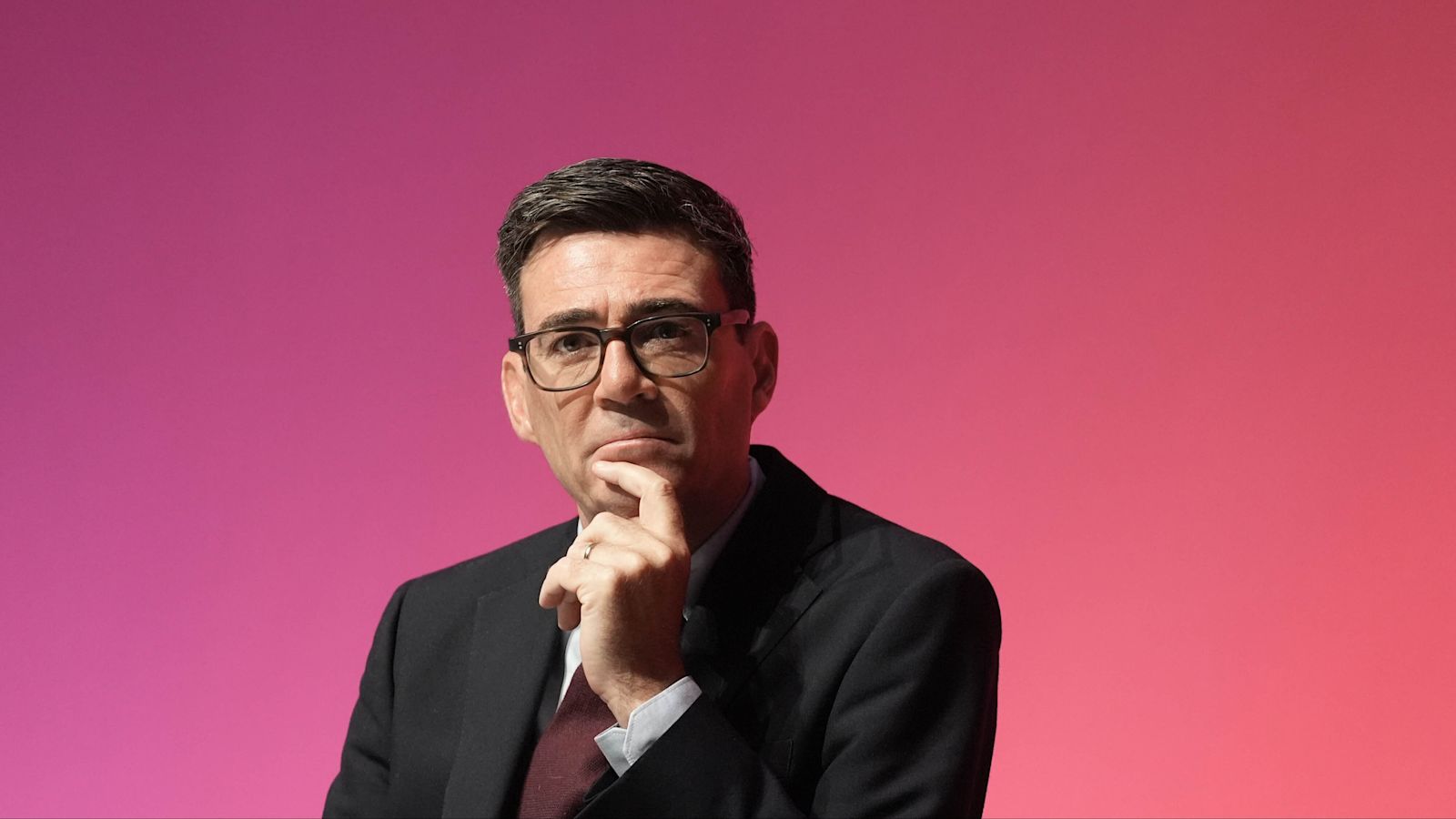
Andy Burnham arrived at the Labour Party conference on Saturday. Credit: PA
I’ve rehearsed these arguments before. But here they are again.
It’s hard to find an economist who believes the triple lock is sustainable given all the other competing claims on government resources. As the Institute for Fiscal Studies says, keeping it would add anywhere between £5 billion and £40 billion a year to public spending by 2050, with the central estimate being £20 billion.
This might be fair if there had not been a massive transfer of income and wealth between younger and retired people over the past 20 years. But that transfer is painfully real for working-age families struggling to earn enough to pay rent, let alone buy a home.
The clincher, for senior members of this government, is that a new free-at-the-point-of-use care service would disproportionately benefit older people (obviously!). And help all of them. So it would be reasonable, they say, to pay for it by adjusting another part of the state’s universal support for them.
Finally, Burnham said today he and the Chancellor would show the nation’s creditors, some of whom are sceptical, that they are prepared to take unpopular though rational decisions to slow the growth of the national debt and the public sector’s interest bill. Reforming the triple lock would be the most symbolically powerful manifestation of that fiscal resolve.
As I say, Burnham dropped all these hints today. Am I certain that is his plan? Not really. Though he said he would tell us more in his conference speech on Tuesday – and I am struggling to think of another funding plan that is consistent with everything he set out.
From Westminster to Washington DC – our political experts are across all the latest key talking points. Listen to the latest episode below…