
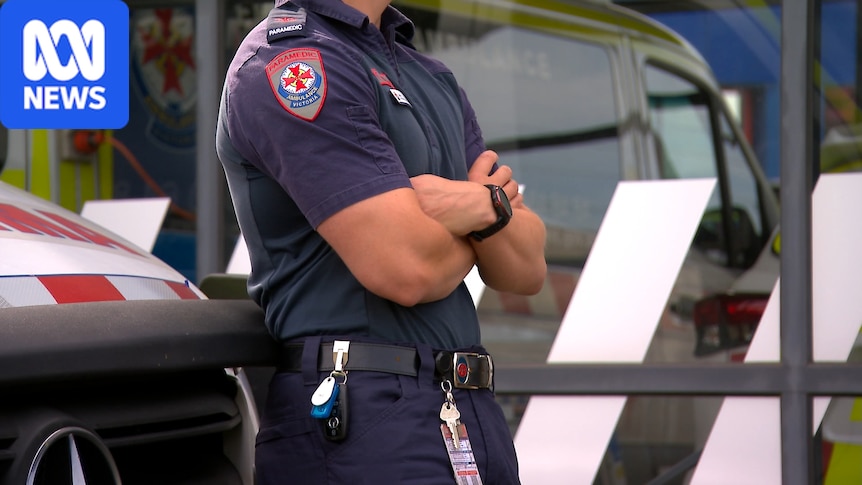
The union representing Victoria’s ambulance workers says it found out about a plan for paramedics to take over responsibility for mental health call-outs through the media.
The Victorian government has announced new protocols to transition to a health-led response to mental crisis incidents.
Under the plan, paramedics will be the first responders to call-outs whenever possible, with police and protective services officers moving to a support role.
It said the aim was to ensure faster and more effective health care, while freeing up police to focus on crime.
“When someone is experiencing a mental health crisis, they deserve a response that puts their health and wellbeing first while keeping them and the community safe,” Health Minister Ingrid Stitt said.
“We’re making sure our paramedics, mental health workers and police are in step to deliver a health-led response that is patient centred.”
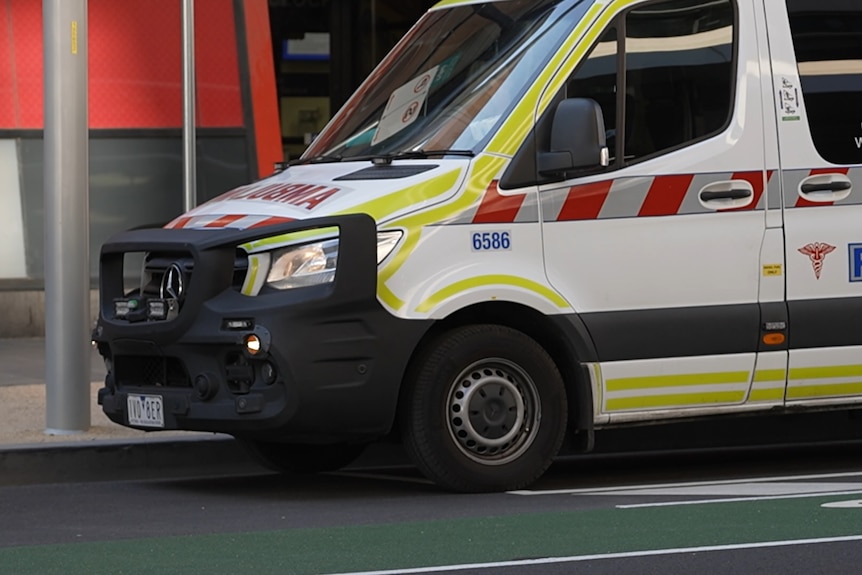
Paramedics will become the first responders to mental health-related callouts in Victoria. (ABC News)
The government said Ambulance Victoria, Victoria Police and the Department of Health had signed off on the protocols.
But Victorian Ambulance Union secretary Danny Hill said he was only hearing about the directive now.
“We haven’t been consulted, the workforce hasn’t been consulted,” Mr Hill told 774 ABC Melbourne.
“I found out more about this through the media.
“There’s a panic on now, I think.
“They’ve realised they haven’t consulted, and there’s a few meetings in the diary, but I know more about this from the media release than I do from them.”
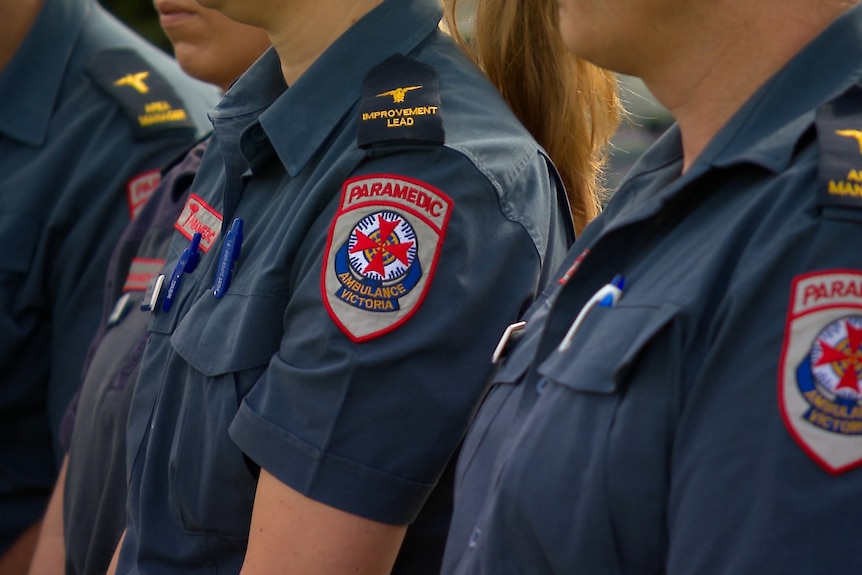
The ambulance union fears the new protocols will put paramedics in danger. (ABC News)
Mr Hill said the details he had read sounded like a better outcome for patients but he was concerned about the risks to paramedics.
“We’ve always supported a health-led response … but for the vast majority of cases, it does need to be a co-response between ambulance and police,” he said.
“They’re really complicated cases to attend and they’re often the cases where our members experience harm, aggression and violence, so freeing up police from those cases is going to be pretty alarming to our members.”
Ambulance Victoria said it was developing further clinical guidelines to support paramedics when responding to mental health call-outs.
It said the changes would still see paramedics being supported by other agencies depending on each patient’s particular needs.
“The agreement puts patient care and welfare first,” a spokesperson said.
“Mental health is one of Ambulance Victoria’s most frequent call types, with our teams responding to more than 65,000 calls per year either through an ambulance dispatch or telehealth support with a mental health clinician via our Triage Services team.”
Police involvement to be a ‘last resort’
Victoria Police said the new protocols provided clarity over the role its officers would play when responding to mental health crises.
A spokesperson said police involvement would now only be requested as a last resort, with the new procedures reinforcing the preference for a health-led response wherever possible.
They said police would continue to be responsible for public safety, maintain the peace and responding to immediate risks.
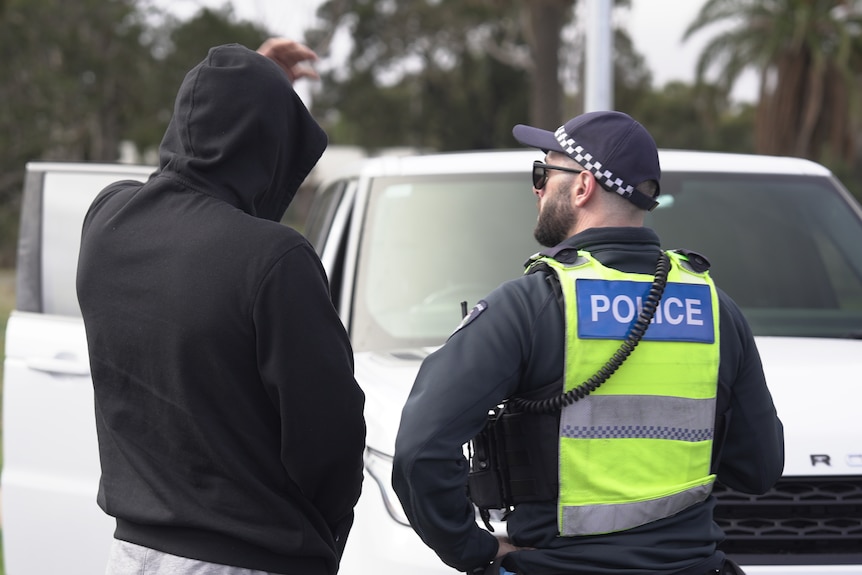
The government says the new ambulance-led response to mental health will free up police to focus on crime. (ABC News: Patrick Rocca)
“These arrangements are in line with recommendations from the Royal Commission into Victoria’s Mental Health System,” the spokesperson said.
“Police and protective services officers retain power to take a person into care and control during a mental health crisis to prevent imminent and serious harm to the person or others.
“Health agencies will continue to be the primary response option where patients have absconded from mental health units or while subject to compulsory treatment orders with police providing support only in circumstances where police powers are necessary.”