
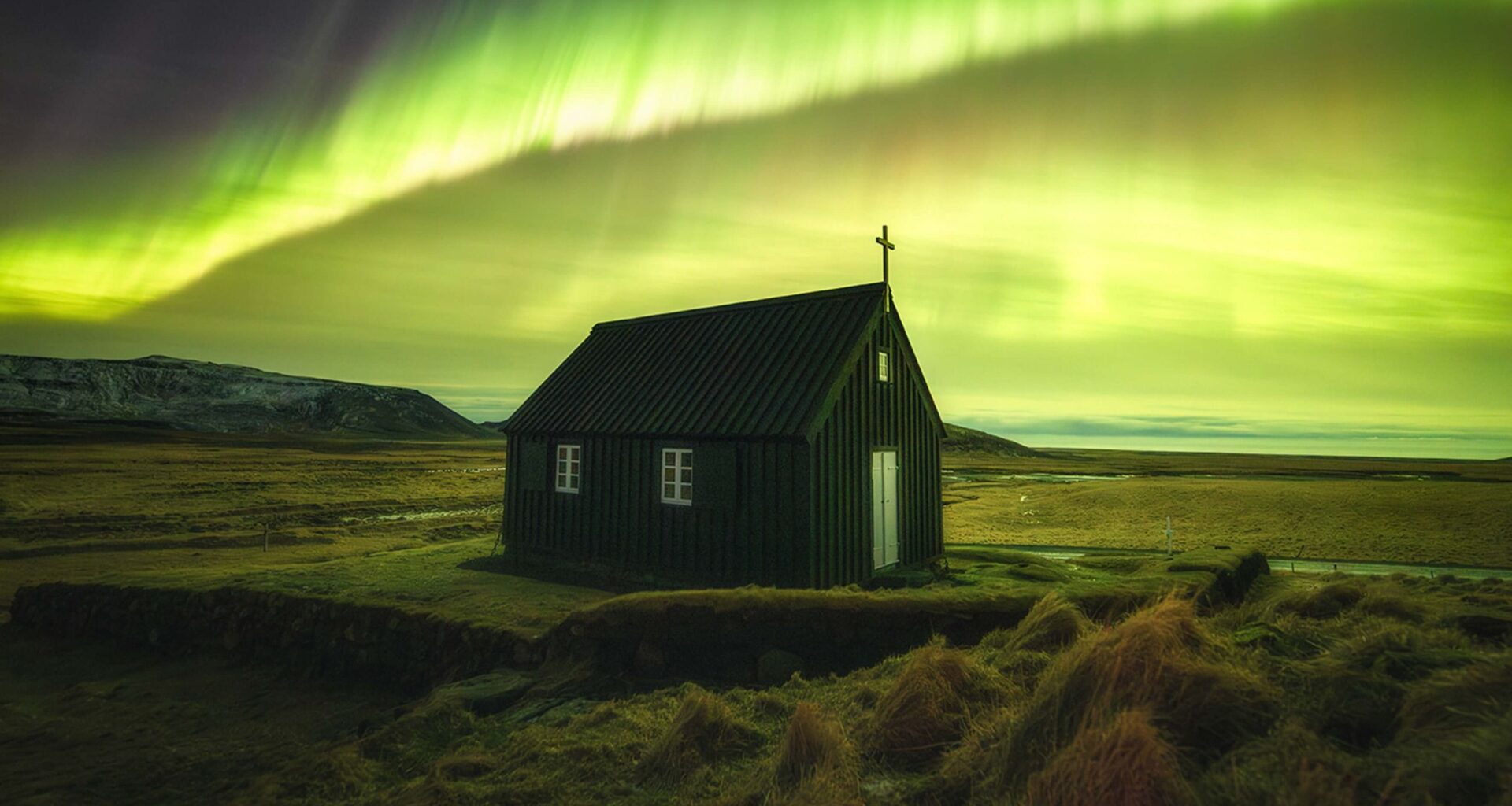
Many astrophotographers capture images of the Northern Lights (aurora borealis), but snapping the awe-inspiring frames of the solar activity dancing in our atmosphere requires not only skill, but timing too.
For Bulgarian astrophotographer Radoslav Sviretsov, during a trip to Iceland this January, the timing was spot on. And now, the image he captured has been awarded first place in the “Aurorae” category of the ZWO Astronomy Photographer of the Year Award.
Sviretsov was on the hunt for the Northern Lights during what he told the photography competition organizers was a “particularly strong” geomagnetic storm.
Latest Videos FromDigital Camera World
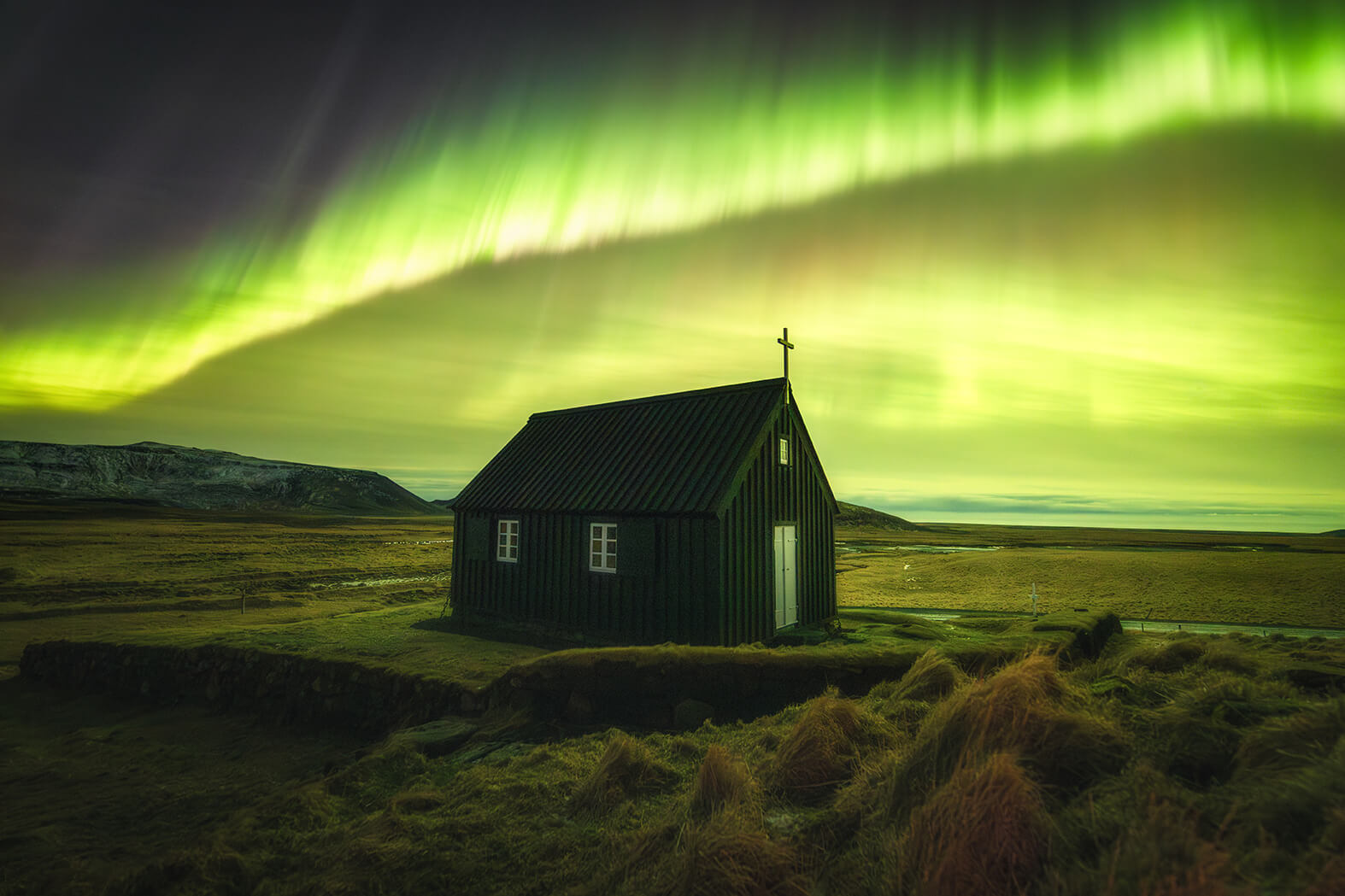
The Crown by Radoslav Sviretsov (Image credit: Radoslav Sviretsov)
Radoslav Sviretsov gear and settings
He came across a traditional Icelandic church between the small coastal town of Keflavík and the capital city, Reykjavík, far from light pollution. The dark sky intensified the already strong solar activity, enabling Sviretsov to snap the Northern Lights in a way, he said, they’re “rarely seen”.
You may like
“In moments like this, I feel nothing but gratitude for being in the right place at the right time,” he added.
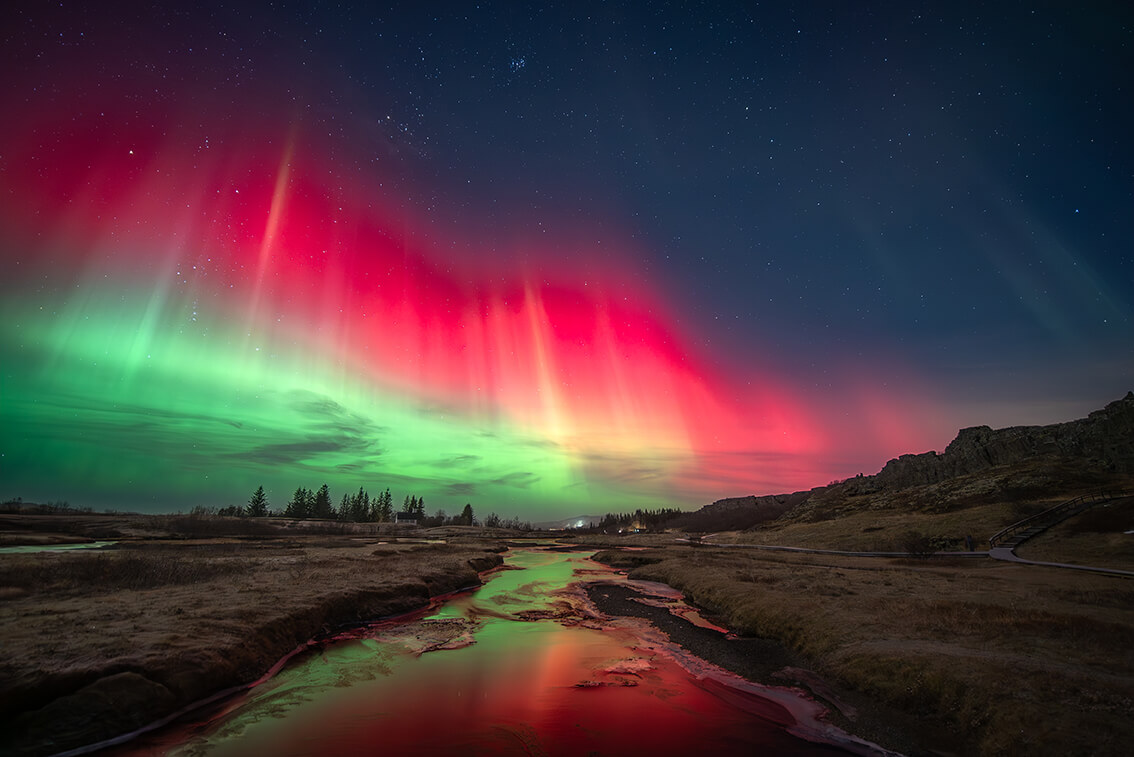
Aurora Between Two Continents by Phil Halper (Image credit: Phil Harper)
Phil Halper’s gear and settings
Sony A7S III15 mm | f/2 | ISO 3200 | 2.5 secondsLocation: Kjósarhreppur, Capital Region, Iceland, 12 November 2025
British astrophotographer, Phil Halper, clinched second with his frame “Aurora Between Two Continents.”
He told the competition organizers how, in November last year, he traveled to Iceland with just one day’s notice to snap a “multitude” of powerful CMEs – or coronal mass ejections (large eruptions of plasma from the Sun’s surface) – which had sent aurorae “rippling far beyond” their usual reach.
“On the Edge of Glory” was the final commended image in the “Aurorae” category, and it came from US photographer MaryBeth Kiczenski.
What to read next
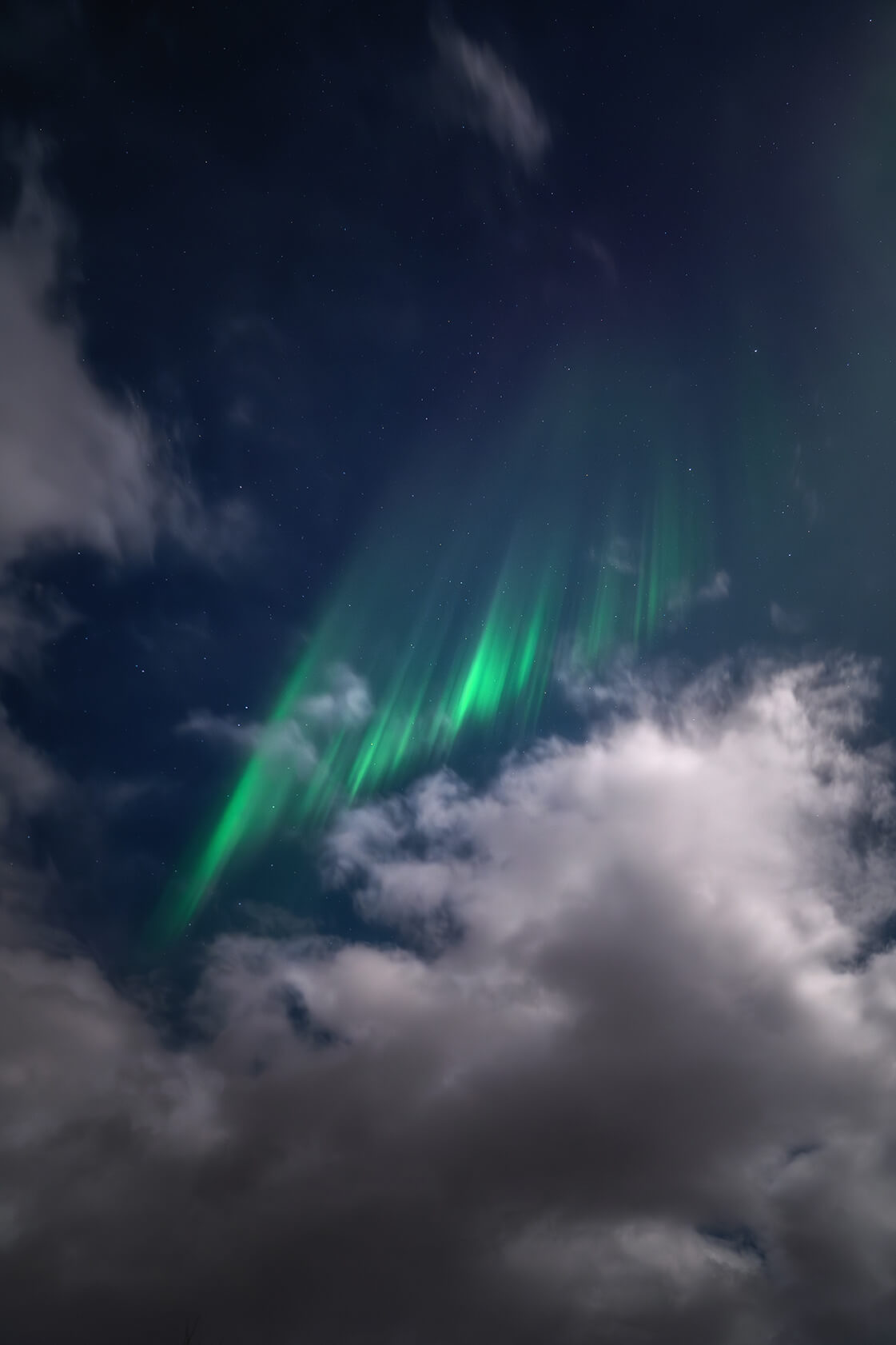
(Image credit: MaryBeth Kiczenski)
MaryBeth Kiczenski’s gear ad settings
Taken in Norway late last year, Kiczenski explained how moonlight and clouds are often “overlooked” when aurora chasing, but that, in the Arctic, they can provide an unmatched “dreamlike quality”.
The ZWO Astronomy Photographer of the Year is the world’s largest astrophotography competition, hosted by the Royal Observatory Greenwich, London.
This year’s overall winner was Ali Alobaidly (Kuwait) for his depiction of the rarely photographed Shark Nebula, snagging him £10,000 (approximately 13,000 / AU$19,000) along with the competition accolade. Category winners took home £1,500 (approximately $2,000 / AU$2,800).
Deals On The Wward Winners’ Cameras
Here’s our expert’s pick of the best telescopes for astrophotography and stargazing.