
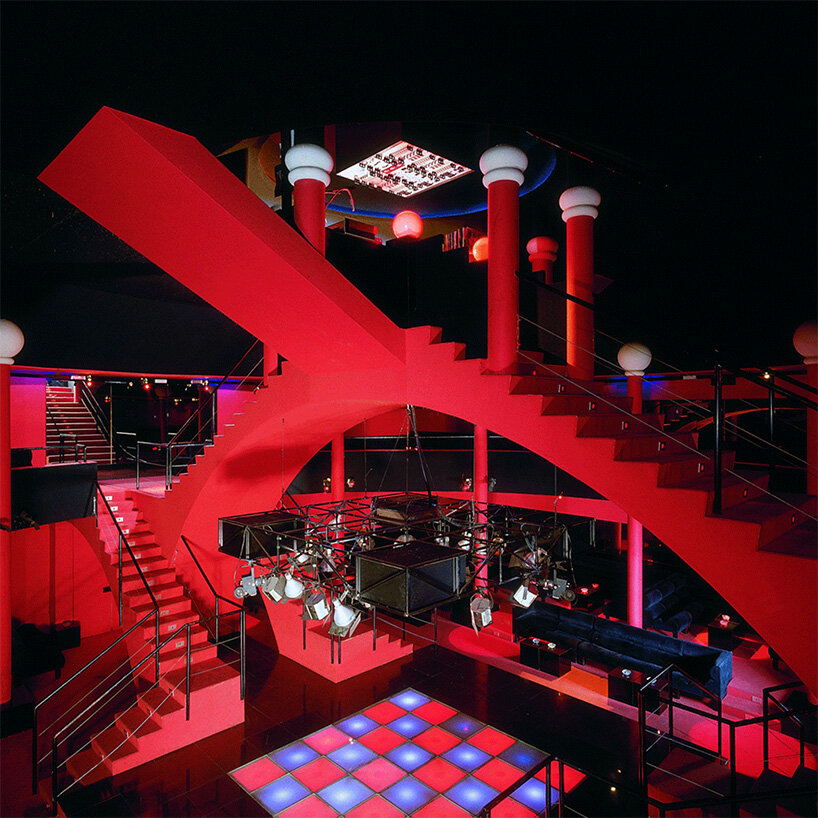
When the Dance Floor Became the Stage
Looking back at Vitra Design Museum’s 2018 exhibition Night Fever, the history of club culture reveals a recurring architectural experiment: what happens when the audience is no longer separate from the spectacle? A nightclub does not have a conventional audience. There is no fixed row of seats, no clear division between stage and auditorium, and no guarantee that the person who enters will remain a spectator. Once inside, bodies, sound, light, fashion and architecture begin to become one. The room changes as people move, and the people inside are part of what everyone else is experiencing.
This is one of the ideas that emerges from Night Fever: Designing Club Culture 1960–Today, the exhibition presented at Vitra Design Museum in 2018, which traced how designers, architects, artists and musicians turned it the nightclub into an experimental environment. From radical Italian discotheques to post-industrial clubs in Berlin, the history of nightlife becomes a history of spaces designed to be inhabited, performed and transformed by their occupants. The question is less about what a nightclub looks like than what it makes possible: what happens when the spectator walks into the spectacle?
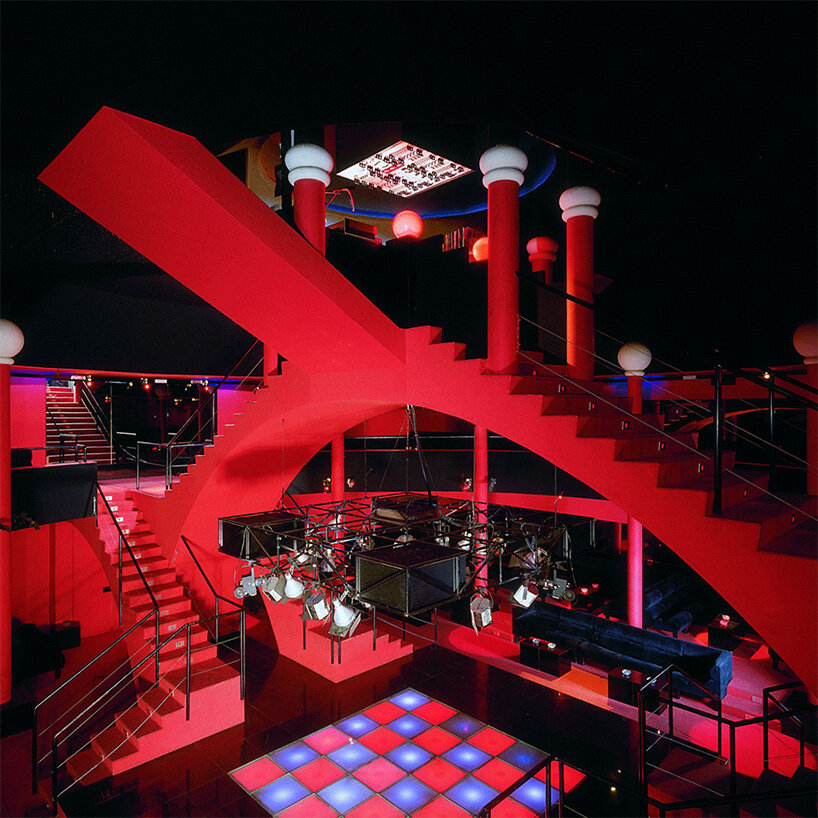 Discotheque Flash Back, Borgo San Dalmazzo, ca. 1972. Interior Design: Studio65. © Paolo Mussat Sartor
When the room became part of the show
In the 1960s, this question was already being tested by architects and designers working around the emerging nightclub culture. Piper, which opened in Turin in 1966, was designed by Giorgio Ceretti, Pietro Derossi and Riccardo Rosso as a multifunctional environment that could accommodate concerts, happenings, experimental theater and dancing. Its modular interior allowed the space to change according to what was happening inside it. In Florence, Gruppo 9999’s Space Electronic, completed in 1969, similarly belonged to the Radical Design milieu, treating the club as a place where architecture, technology, music and performance could all become elements of the same experience. In New York, the Electric Circus opened in 1967 as a countercultural venue designed by architect Charles Forberg, with Chermayeff & Geismar responsible for its distinctive graphic identity. The experience was deliberately removed from the model of a room containing a performance. The architecture, lighting, music and performers were folded into the same environment, while the audience moved through it.
With the rise of disco in the 1970s, going out became increasingly tied to being seen. At Studio 54 in New York, founded by Ian Schrager and Steve Rubell in 1977 and designed by Scott Bromley and Ron Doud, fashion, celebrity and nightlife came together in a club where the crowd was part of the spectacle. The dance floor was where people appeared, watched one another and were watched in return. Clothes, movement, lighting and photography all contributed to the image of the night, making the people in the room as important to its visual identity as the room itself. Studio 54 was an extreme example, but other New York clubs were playing with the same relationship between the room and the people inside it. The Mudd Club, which opened in 1978, brought together artists, musicians and the downtown scene, while Area, founded in 1983, transformed its interiors around different themes. The club could change from one night to the next, and so could the people within it. These spaces took their character from the people inside them. The crowd was part of what gave the club its atmosphere and identity.
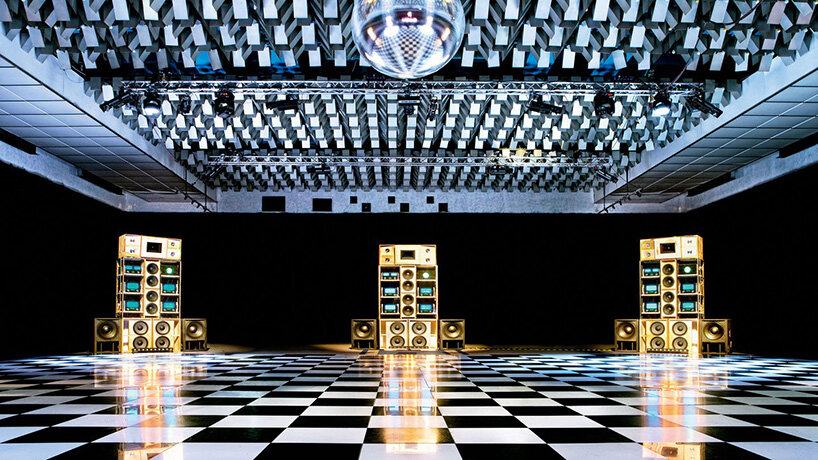 Despacio Sound System, New Century Hall, Manchester International Festival, July 2013 | image © Rod Lewis
Architecture starts choreographing
At the Haçienda, designed by Ben Kelly in 1982, the room gave people plenty of space to move without prescribing exactly how they should move. Its industrial structure, bold markings, lighting and sound created a setting that changed as the crowd filled it. The architecture mattered, but so did everything that happened inside it. A club could provide the setting without ever knowing exactly what the night would look like.
After the fall of the Berlin Wall, nightlife began occupying a very different kind of architecture. Disused buildings and former industrial sites opened up across Berlin, giving clubs such as Tresor, which opened in 1991, spaces that had little connection to conventional nightlife. More than a decade later, Berghain would establish itself in a former heating plant. The buildings brought their own history with them. Concrete walls, steel structures and empty industrial spaces became the setting for a very different kind of activity, with clubs occupying places that had previously been closed or left unused. At night, the forgotten spaces of the city became places to gather.
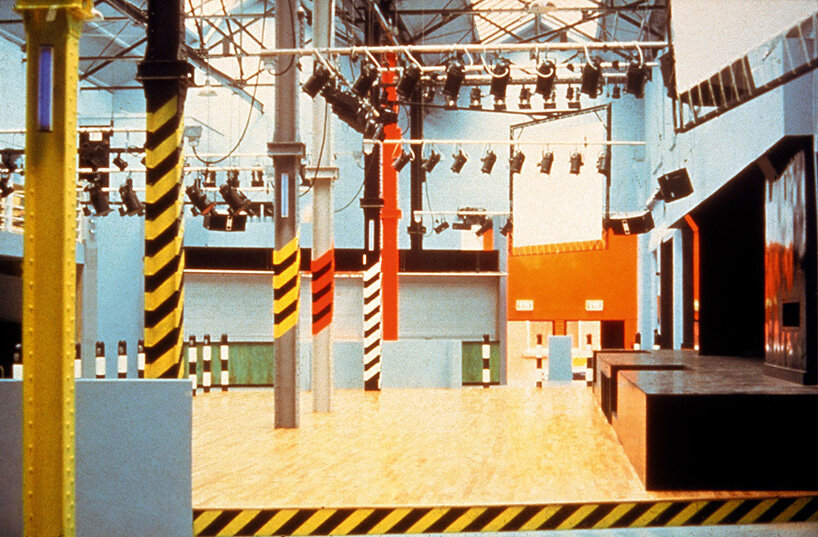 the Haçienda interior by Ben Kelly for Factory Records, Manchester, 1982 | image courtesy of Ben Kelly
But who gets to participate?
Today, the relationship between the club, its crowd and the outside world has become harder to contain. Berghain is a good example. The club has been famous for years for its door, its atmosphere and its refusal to allow photography inside, but social media has turned the question of getting in into a spectacle of its own. The queue is photographed, the door is discussed, advice on what to wear or how to behave circulates online, and getting through the entrance can start to feel like an achievement. The club becomes something you can experience twice: first as an image and a story online, and then, if you make it inside, as a physical place.
Inside, Berghain maintains almost the opposite logic. Cameras are covered at the door, and people caught taking photographs can be removed. At a time when almost every concert, exhibition and night out can be documented and shared immediately, the ban creates a rare space that cannot easily be watched from elsewhere. You have to be there. That changes the role of the spectator again. The person outside can see the queue, the building and thousands of images about Berghain, but not the thing itself. Clubs have become more visible than ever, and yet some of the most interesting ones are trying to protect the part of the experience that cannot be photographed. The smartphone has made spectatorship almost constant, while places like Berghain deliberately interrupt it. For a few hours, the crowd can stop performing for the camera and simply become the crowd.
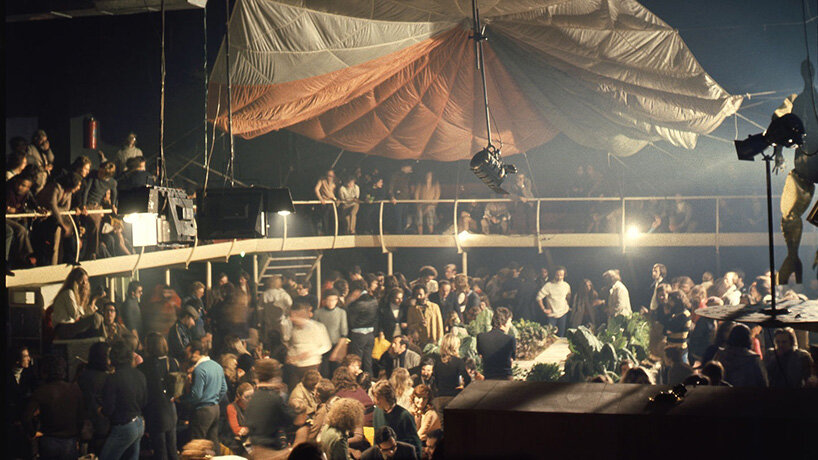 Space Electronic | image courtesy of Carlo Caldini, Gruppo 9999
The room needs people
The history of nightclub design is often told through its most recognizable interiors, from the radical spaces of 1960s Italy to Studio 54, the Haçienda and Berlin’s industrial clubs. Their interiors set the scene, while the people inside gave each place its character. A nightclub can control its darkness, sound, lighting and circulation. Once the doors open, the crowd takes over some of that control. People gather, spread out, dance, pause, watch each other and change the atmosphere around them. The same room can feel completely different from one night to the next. This makes the nightclub an interesting place to think about the relationship between spectator and spectacle. The audience is scattered throughout the room, moving through the same space as the music, performers and other people. Everyone becomes part of the scene simply by being there. The design sets the conditions for the night, while the crowd gives it its shape. When the doors close again, the room is still there, ready to become something slightly different the next time people walk in.
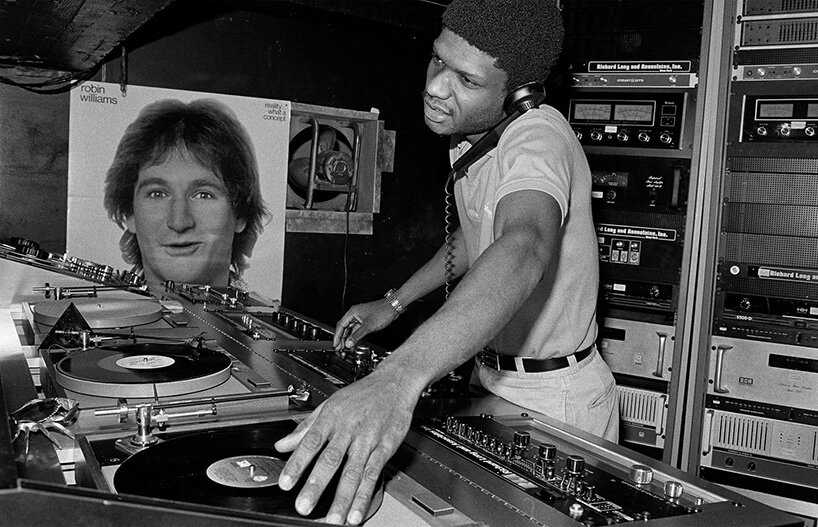 DJ Larry Levan in Paradise Garage, New York, 1979. © Bill Bernstein, David Hill Gallery, London
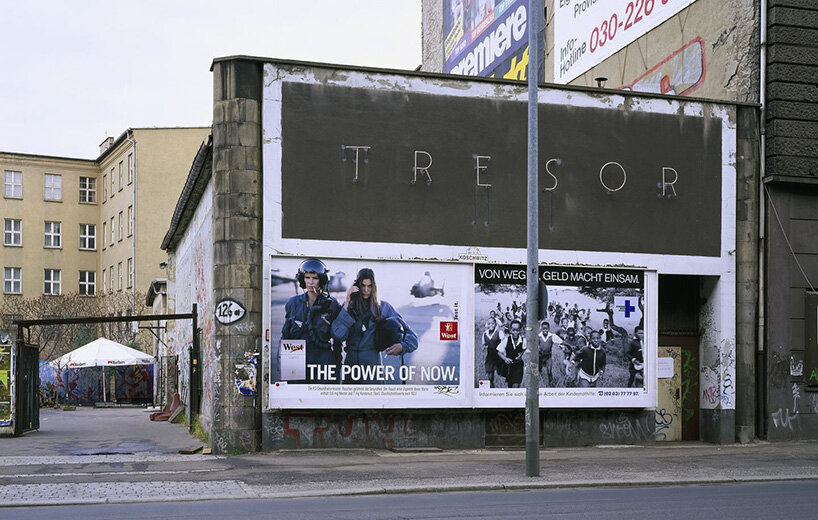 Tresor, Berlin, 1996. From the series Temporary Spaces | image © Martin Eberle.
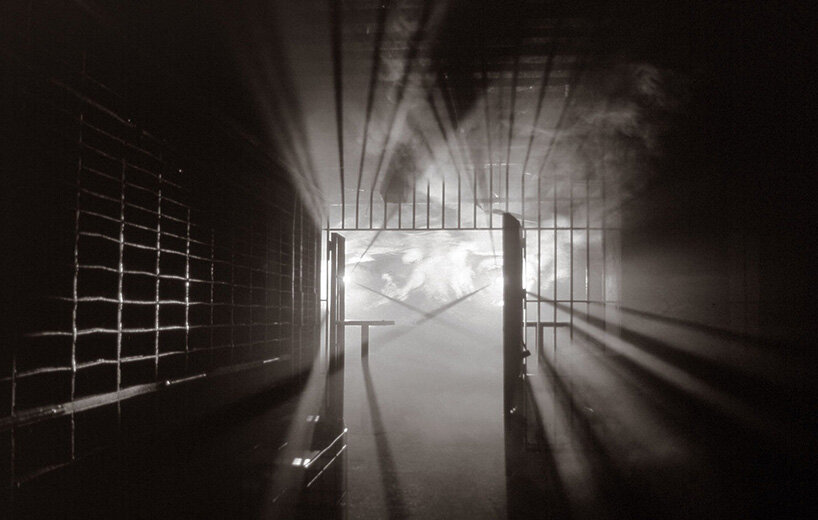 Interior view of Tresor, Berlin, 1996/97 | image © Gustav Volker Horst
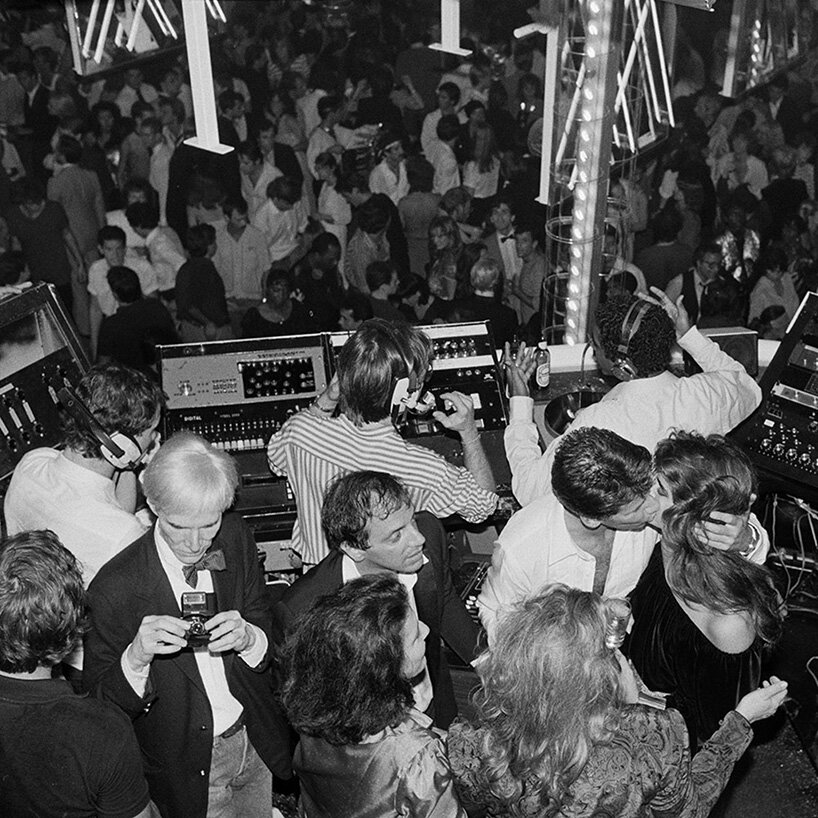 Hasse Persson, Calvin Klein Party, 1978 © Hasse Persson
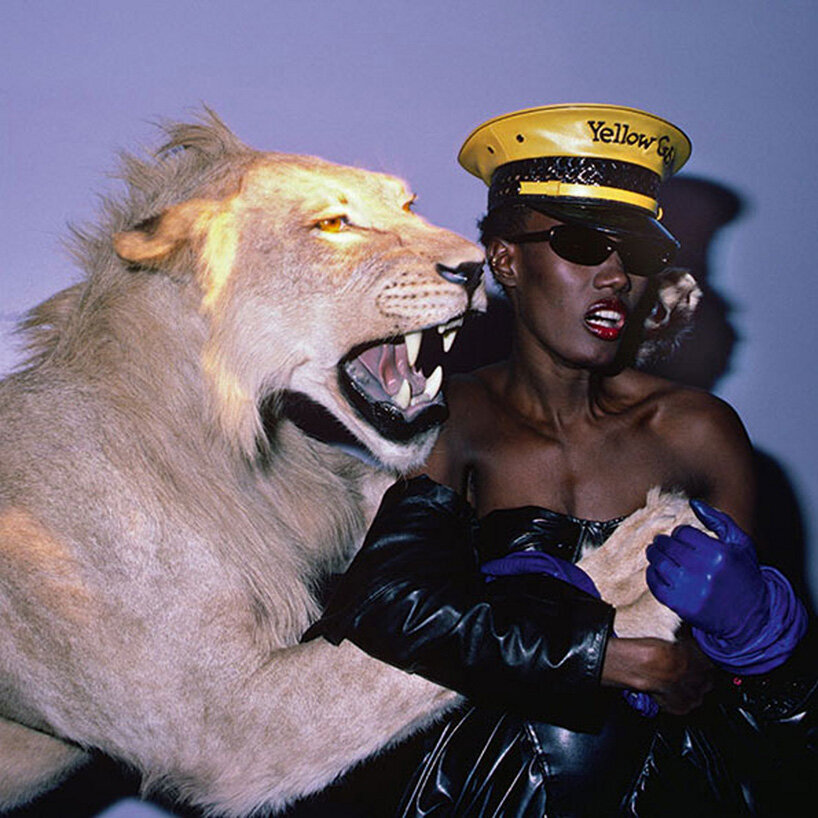 lker Hinz, Grace Jones Confinement Thema, Area, New York, 1984. © Volker Hinz
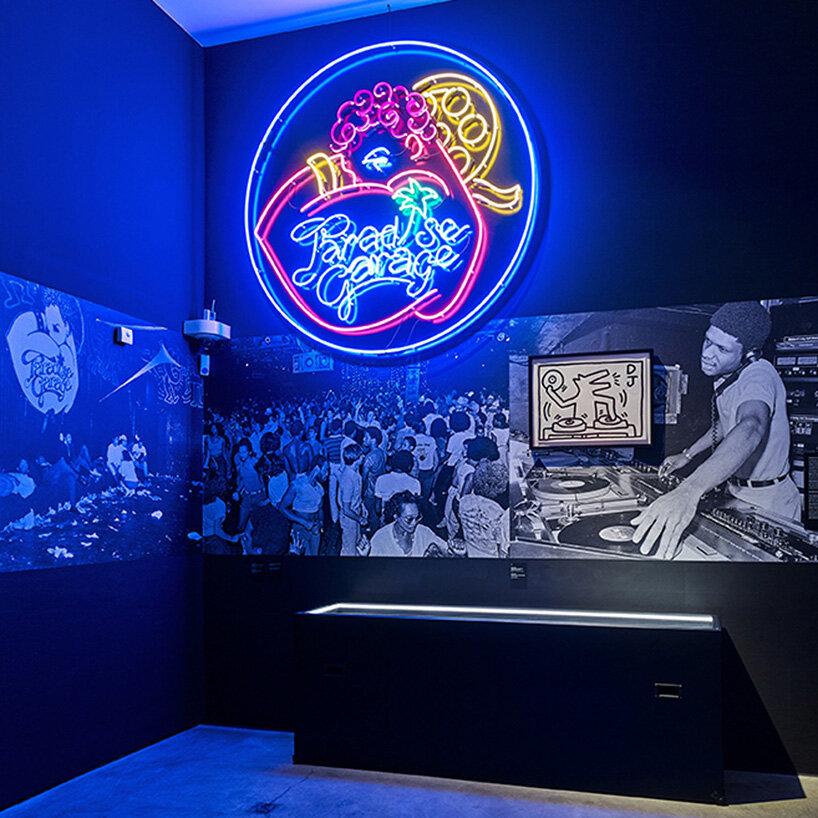 Night Fever, Installation view © Vitra Design Museum, photo by Mark Niedermann
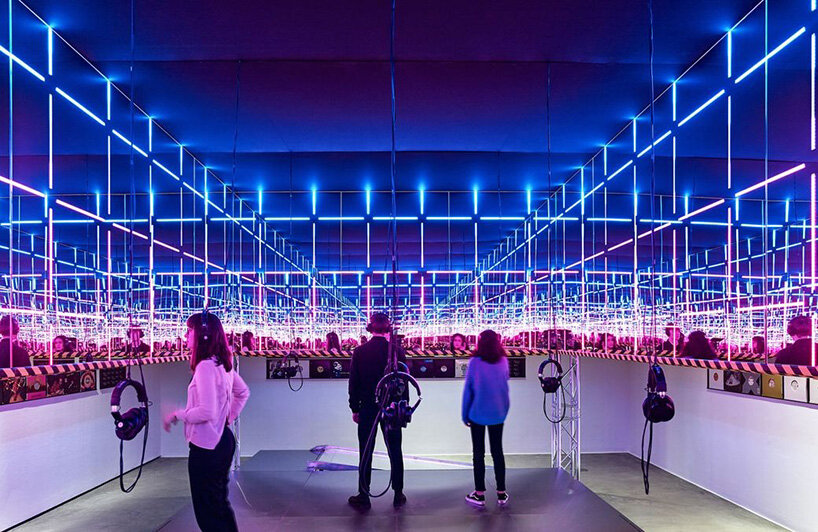 Night Fever Installation view © Vitra Design Museum, photo by Mark Niedermann
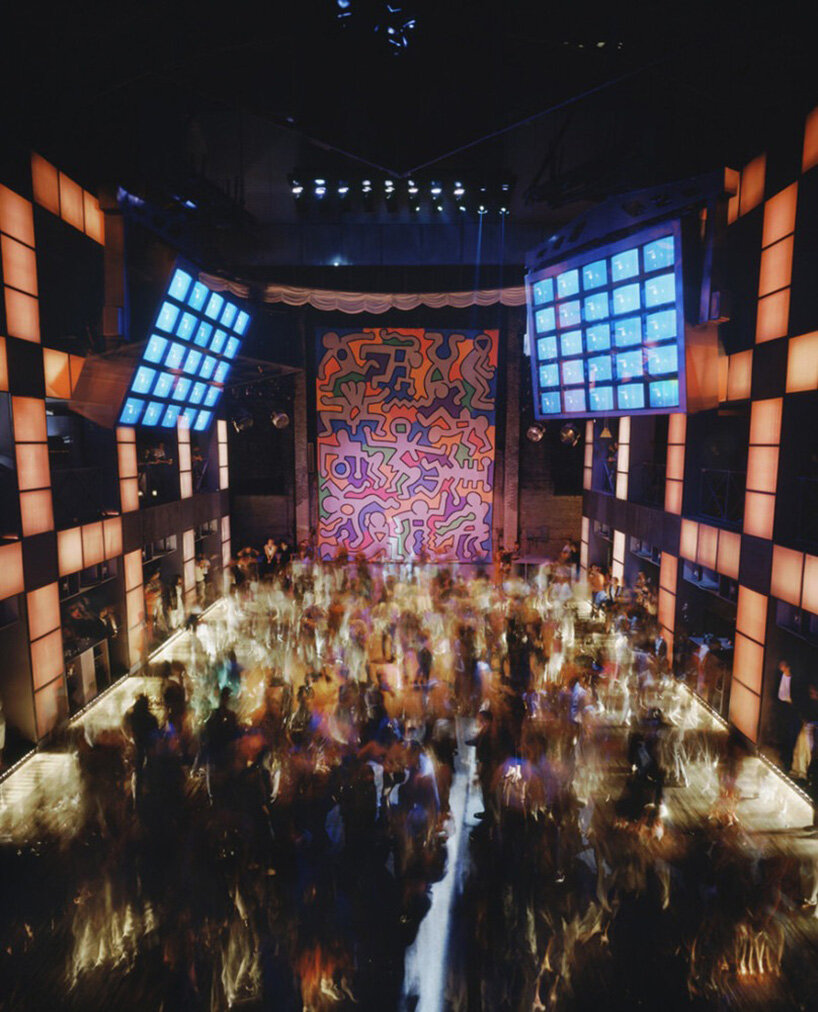 Palladium, designed by Arata Isozaki in New York City with mural by Keith Haring | image courtesy of Timothy Hursley/Garvey|Simon Gallery New York
This article is part of designboom’s SPECTATOR AND SPECTACLE chapter, asking how wonder gets built, presented in partnership with SolidNature, and how it might return some mystery to a world that has measured most of it away. Discover more stories that turn onlookers into participants, alter perception and disrupt the everyday here.