
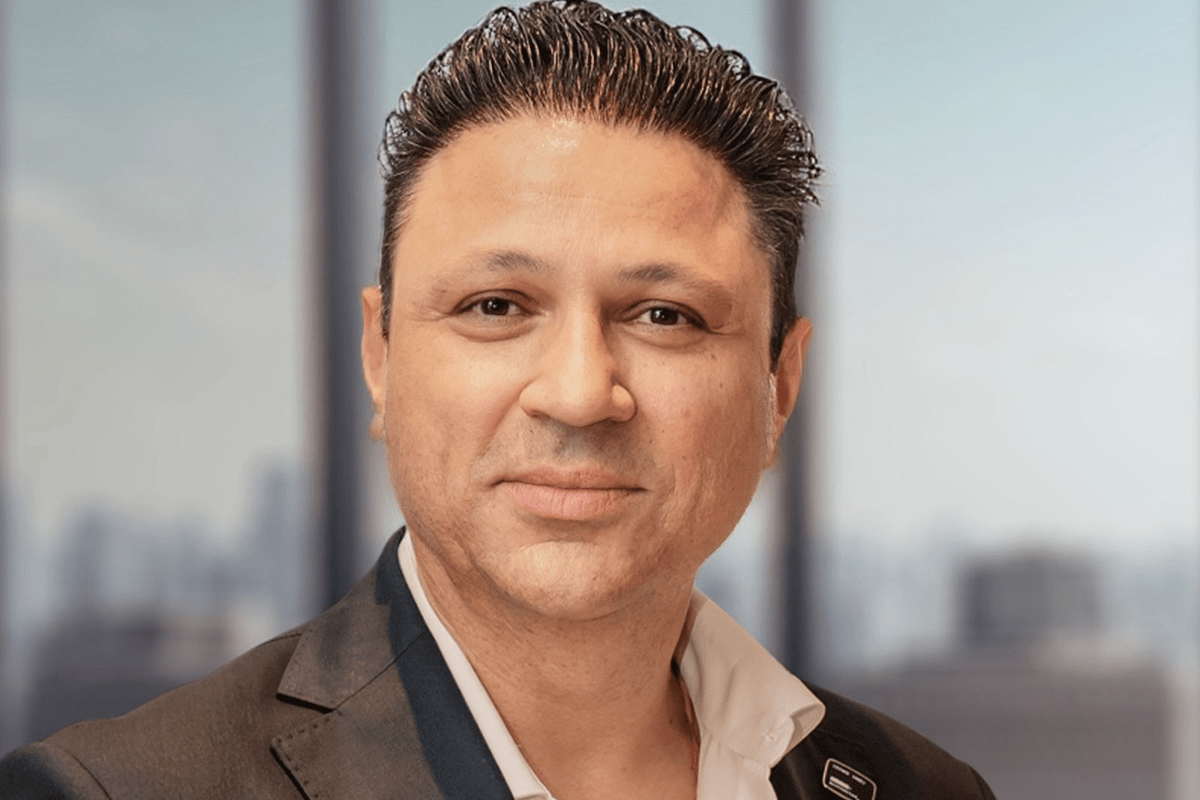
Saudi Arabia’s wealth managers are serving clients who want easier access to investment opportunities without giving up judgement, local understanding or a trusted adviser. As the market develops, firms must find ways to deliver that depth of service consistently to a broader and more demanding client base. Akash Anand, Managing Director for the Middle East, Africa and India at Avaloq, sees this as a test of institutional readiness. Saudi Arabia’s financial-sector transformation creates room for more sophisticated wealth propositions. His priority for wealth firms is to turn market ambition into a service model that works at scale. Technology and data are part of the answer, but their value will be judged through the quality of advice and the confidence clients place in the institution.
Key Takeaways
Several shifts in parallel: Avaloq wealth insights 2026 links scalable technology, rising client expectations, AI and demand for alternative and digital assets; Anand sees these themes developing together.
A demanding GCC client base: Seventy-one percent of surveyed GCC investors contact their bank, wealth manager or adviser at least weekly, and 35% expect a response within an hour.
The Saudi opportunity: Vision 2030 is broadening financial participation and investment choice, creating room for more sophisticated, locally grounded wealth propositions.
Advisers remain central: AI can automate administration, improve access to information and support personalisation, provided firms maintain sound data, governance and human oversight.
Innovation through trusted firms: Among GCC respondents who do not hold digital assets, 87% would consider investing if their traditional bank or wealth manager offered them, versus 55% across the full survey.
Execution matters: Anand’s priority is to turn market ambition into scalable services without weakening trust or the quality of advice.
What the Research Says About Client Expectations
For Anand, the central message from Avaloq wealth insights 2026 is that wealth management is changing on several fronts simultaneously. Clients are more engaged with digital services, but they are also asking more of the people and institutions that serve them. Firms, meanwhile, need to find ways to personalise service and handle greater complexity without allowing costs and manual work to rise at the same pace.
The report frames those pressures around four connected themes: technology foundations that can scale, higher expectations from clients, the expanding role of AI, and interest in alternative and digital assets. Anand does not see any one of them as a substitute for the relationship between adviser and client. The opportunity, as he describes it, is to use technology to make that relationship more responsive and more informed.
In Avaloq’s survey, 71% of GCC investors said they communicate with their bank, wealth manager or adviser at least once a week; 35% expect a reply within an hour. Both were the highest readings across the markets surveyed. A client asking for that level of contact may also expect personalised advice, a consolidated account of their holdings and help navigating less familiar asset classes. Institutions therefore need to connect fast service with a more complete understanding of the client, rather than treating responsiveness as a matter of answering messages more quickly.
Building Wealth Management Capacity in Saudi Arabia
Anand places Saudi Arabia’s opportunity within the wider changes under Vision 2030. The Financial Sector Development Program aims to develop a more diversified and effective financial sector, encourage savings and investment, deepen capital markets and advance financial technology. As financial participation grows and the range of opportunities expands, he expects clients’ requirements to become more sophisticated as well.
For wealth managers, that calls for more than a larger range of investments. Anand points to broader access to investment solutions, including alternatives and innovative Shariah-compliant products, alongside trusted advice and a service that still feels personal. The challenge is to develop local wealth management capabilities that can bring these elements together as demand grows.
Digital transformation is part of that story. Saudi Arabia’s financial technology ambitions are helping to shape how clients expect to access and manage their wealth. Anand also connects the Kingdom’s development to a wider GCC movement towards managing wealth onshore. Clients increasingly value advisers who understand the region and are close to them, while continuing to seek global investment opportunities. A strong local proposition, in his view, should be able to meet both expectations.
This is where he sees a role for Avaloq: supporting institutions as they build wealth services around local client needs, international capabilities and technology that can accommodate future growth. The question is how to turn the momentum of market development into a durable operating model, rather than assuming that growth alone will make a proposition sustainable.
Using AI Without Losing the Human Relationship
“Technology should strengthen the relationship between advisers and their clients, not replace it.” This is Anand’s starting point for AI. Avaloq’s global survey found that 84% of wealth professionals expect AI to become integral to their work within two years. It also identified administrative automation and client report generation as areas where advisers see practical value.
If a firm can reduce repetitive tasks and make relevant information easier to retrieve, an adviser has more capacity to respond, prepare and tailor advice. Better use of data could also help institutions present a more coherent view of a client’s financial position across channels and products.
For Anand, first getting the operating conditions right is essential. Data needs to be reliable and accessible; governance has to establish what an AI-enabled tool may do and how its output is checked; and people must remain responsible for advice and client decisions. The point is not simply to deploy new tools. In an industry built on trust, he argues, clients should experience the result as better service and a stronger relationship.
Digital Assets and the Value of Trust
Avaloq’s research also shows how interest in new investments can sit alongside a preference for established institutions. Among GCC investors who do not already hold cryptocurrencies or other digital assets, 87% said they would consider investing if their traditional bank or wealth manager offered them. The equivalent figure across the survey was 55%.
Anand reads that as a clear opportunity for traditional wealth managers. Clients may want access to innovation, but they also want the governance, expertise and advice they associate with a familiar institution. Responding to the preference does not mean offering every new asset. It means understanding where demand exists and how a firm can assess and serve it within a trusted advisory relationship.
From Ambition to Sustainable Growth
Looking ahead, Anand sees Saudi Arabia’s next phase in the practical work of execution. Financial institutions will need to modernise their technology foundations, use data more effectively, introduce AI and automation responsibly, and keep adjusting to clients whose needs and expectations are becoming more complex.
He is struck by the ambition and pace of development in the Kingdom’s financial sector. The discussion, he says, is increasingly shifting from whether transformation is necessary to how institutions can carry it out effectively. His test for the next generation of wealth services is whether they can grow at scale while maintaining the trust and personal attention that clients expect.