


Want to bookmark your favourite articles and stories to read or reference later? Start your Independent Membership today.
Already a member?
Log in
Your support helps us to tell the story
From reproductive rights to climate change to Big Tech, The Independent is on the ground when the story is developing. Whether it’s investigating the financials of Elon Musk’s pro-Trump PAC or producing our latest documentary, ‘The A Word’, which shines a light on the American women fighting for reproductive rights, we know how important it is to parse out the facts from the messaging.
At such a critical moment in US history, we need reporters on the ground. Your donation allows us to keep sending journalists to speak to both sides of the story.
The Independent is trusted by Americans across the entire political spectrum. And unlike many other quality news outlets, we choose not to lock Americans out of our reporting and analysis with paywalls. We believe quality journalism should be available to everyone, paid for by those who can afford it.
Your support makes all the difference.Read more
More American moms are being prescribed GLP-1 diabetes and weight loss medications after they give birth, first-of-its-kind research published Thursday shows.
The percentage of new mothers receiving prescriptions for the drugs saw a 24-fold increase over the course of seven years, researchers at the University of Southern California found.
Insurance claims data for over one million births revealed the percentage ticked up from just 0.8 percent in the first half of 2018 to 1.9 percent by the first quarter of 2025.
But while the drugs have been shown to benefit multiple facets of health in years of research, the effects of the drugs postpartum have not been studied widely.
“Postpartum is a critical window for addressing metabolic risk after pregnancy, and we’re seeing GLP-1 use explode in this population,” lead author and Schaeffer scholar Sih-Ting Cai explained in a statement.
 More American mothers are getting GLP-1 prescriptions postpartum, according to a new analysis of seven years of data (Hans Lucas/AFP via Getty Images)
“Because evidence on GLP-1 exposure during breastfeeding remains limited, rising postpartum initiation warrants further study,” she said.
A major jump for moms with gestational diabetes
This study is one of the first to document this surge and also the first to identify which clinical groups – women with diabetes, gestational diabetes, obesity or no documented diagnosis – are driving the growth.
Most mothers started taking the drug between 3-6 months after their delivery.
Mothers with type 2 diabetes had the highest rate of prescriptions, and prescribing increased the quickest among those diagnosed as obese or overweight before their pregnancy.
The share of those with gestational diabetes – a type of diabetes that forms during pregnancy – starting GLP-1 drugs also rose substantially from 0.4 percent in mid-2021 to 2.7 percent in the first quarter of 2025.
Gestational diabetes affects between 5-9 percent of pregnancies. The condition typically goes away after the baby is born, but raises the risk of developing type 2 diabetes and may increase the risk of postpartum depression, the Centers for Disease Control and Prevention shows.
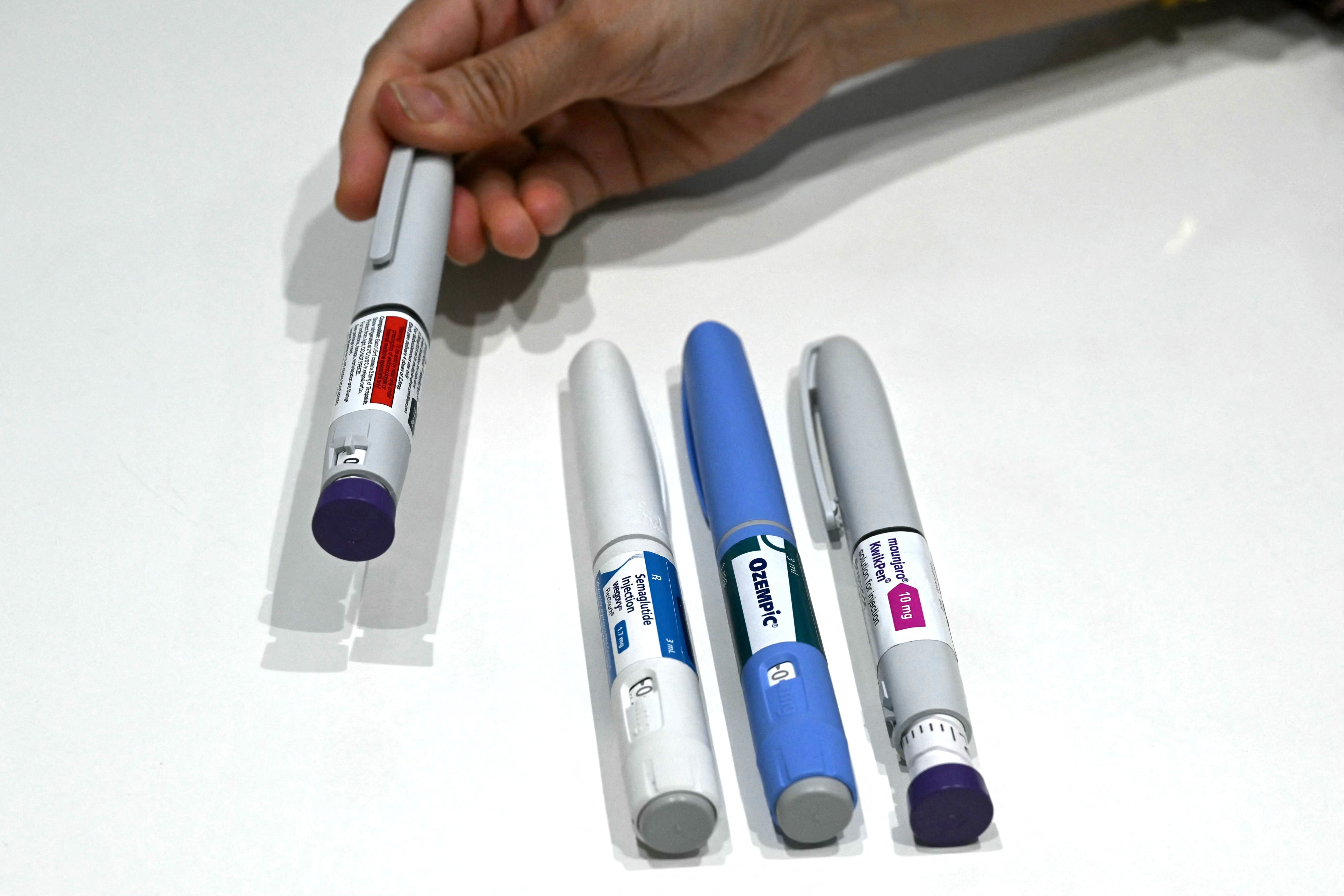 Data regarding taking the drugs during breastfeeding is limited and warrants further study, the researchers say (AFP via Getty Images)
The authors said the observed uptick was similar to rates in Denmark, as reported in a separate study last year. This is despite differences in health care systems, drug pricing and insurance coverage.
Data limitations
The study further reveals how the popularity of the medications has exploded since the early 2020s, with more than 30 million Americans now taking GLP-1s.
In the years since, there have been dozens of studies released examining the impact of GLP-1s on overall health.
However, data regarding taking GLP-1 drugs during breastfeeding remains scant.
Taking the drugs during the first trimester does not appear to substantially increase the risk of adverse outcomes, a June study led by Harvard T.H. Chan School of Public Health found.
But the medications are still not recommended during the postpartum period for breastfeeding mothers, Dr. Jyoti Manekar, an obesity medicine specialist at Georgia’s Northside Hospital healthcare system, said in a post 2025.
“There’s limited safety data in lactating women, and it’s unclear whether the drug is excreted in breast milk or how it might affect a nursing infant’s growth, metabolism or pancreatic development,” she explained.