
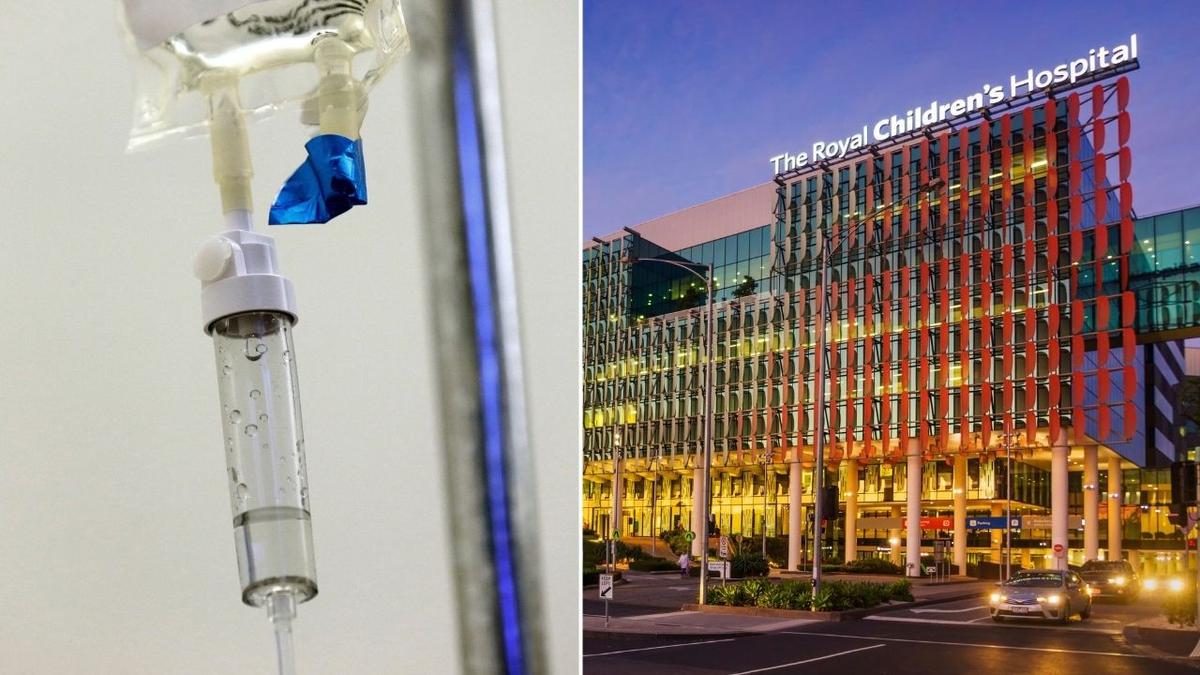
Staff at a major Melbourne hospital may have been exposed to chemotherapy toxins for years.
Sterile gloves which do not meet the current global standard for guaranteed protection against cytotoxic agents have been used in cancer care areas of The Royal Children’s Hospital (RCH).
The gloves, which are not rated for chemotherapy, were used for patients with latex allergies in a range of clinical applications, the Victorian Department of Health says.
Know the news with the 7NEWS app: Download today Arrow
Nurses had used the non-chemotherapy-rated gloves in high-risk areas including the Kookaburra cancer ward, intensive care units and the hospital-in-the-home program, where chemotherapy agents are administered, the Australian Nursing and Midwifery Federation (ANMF) (Victorian Branch) Secretary Maddy Harradence told 7NEWS.com.au.
The hospital is now reviewing the matter, and testing the gloves it had been using to confirm whether workers were exposed.
The international standard for gloves used to handle chemotherapy chemicals was updated about a decade ago.
Harradence said the ANMF understood the hospital, or certain sections of it, had been aware of the change in standards as far back as 2016.
“We don’t know why all of the gloves were not replaced but clearly there has been a system failure and breakdown in communication,” Harradence said.
The RCH was still using the historic standard of gloves when the issue was first escalated to hospital leadership in late August.
“After learning of this, we removed these gloves and replaced them with sterile gloves that meet the international standard for handling cytotoxic agents,” an RCH spokesperson told 7NEWS.com.au.
“The Royal Children’s Hospital (RCH) has been open and transparent with staff about the potential risks of sterile gloves historically used for handling cytotoxic agents (such as chemotherapy).”
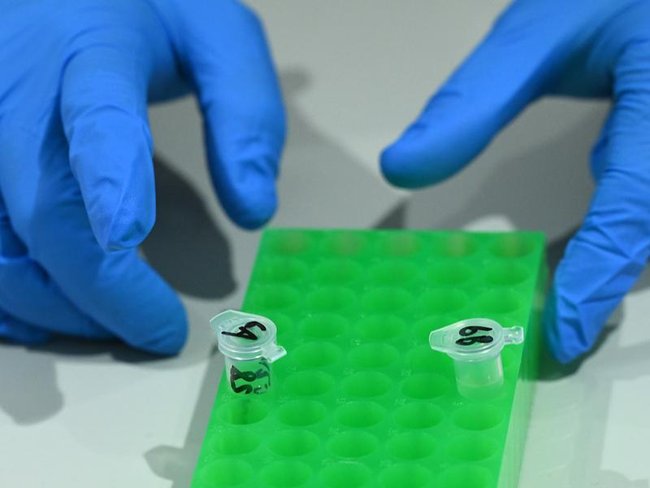 There are fears gloves used at a major hospital may not have provided adequate protection for staff. (James Ross/AAP PHOTOS) Credit: AAP
Harradence described the situation as “completely unacceptable” and said affected workers had been left with significant uncertainty.
“Our members are dealing with a great deal of uncertainty because we don’t yet know what the risk is or who has been impacted,” she said.
“They’re angry, distressed and disappointed that their safety and health may have been compromised. They have more questions than answers.”
The union has escalated the issue to WorkSafe Victoria, the office of the Chief Nurse and the Victorian Department of Health.
“We want to know exactly what the risk is and that this is not happening in any other healthcare facility,” Harradence said.
Cytotoxic drugs are used to target cancerous cells in patients receiving chemotherapy, but they are known to be highly toxic to non-target cells.
For staff who prepare and administer the drugs without proper personal protection equipment (PPE), exposure to the chemicals can lead to a range of health issues including fertility changes, fetal loss, liver damage, and genetic mutations, according to the WorkSafe Victoria website.
Harradence said it was critical that healthcare workers handling chemotherapy drugs use chemotherapy-rated PPE that is not permeable to the chemicals.
“These are lifesaving drugs, but they’re also amongst the most toxic chemicals if you don’t need them,” she said.
The hospital is now testing whether any staff might have been exposed to cytotoxic agents as a result of the gloves.
“We are now engaging an independent organisation to test and assess the protective performance of the previous sterile gloves and any potential exposure risk to staff,” the RCH spokesperson said.
“We understand the concern and uncertainty this has caused, and we are committed to being open with affected staff about what we know and what we are doing to find answers.”
The ANMF said it expected the independent testing, involving occupational disease physicians and toxicologists, to provide a clearer picture of the potential risk in the coming weeks.
“It’s a very difficult time for staff left in limbo while they wait for answers,” Harradence said.
“When we understand more about the level of exposure risk for our members, we expect there may be a need for comprehensive testing including contact tracing, ongoing monitoring and communication.
“Of course, we hope that the level of risk is minimal, but we just don’t know yet what it is.”
The hospital said that it would make more information known to staff as further details come to light, and continue to support its employees.
WorkSafe Victoria is also involved in the ongoing investigations.
The safety regulator has inspectors dedicated to ensuring duty holders in the health industry comply with their obligations by inspecting workplaces, providing advice and information, and taking enforcement action when neccessary.
“WorkSafe is making inquiries to ensure health and safety risks are being adequately addressed and determine whether further action is required,” a WorkSafe spokeswoman told 7NEWS.com.au.
Halle Berry faces shocking allegations from ex in bitter custody dispute
2 min read
Passenger’s lie to kids as plane plummeted amid stabbing attack
4 min read