
For Alex, getting a prescription for medicinal cannabis was remarkably simple.
The Sydney-based part-time worker had used cannabis recreationally for years, taking it to switch off and wind down after a hard day’s work. She struggles with sleep, anxiety and depression, and says cannabis has significantly improved her quality of life.
“I’m aware it doesn’t work for everybody … but it’s an amazing substance for me,” she tells SBS News.
Friends who used medicinal cannabis later recommended the prescription route, and after researching providers online, she found a clinic offering what she describes as a “cheap, quick and easy” service.
But the evidence for using medicinal cannabis for conditions such as anxiety, insomnia and depression remains limited, with the Australian Medical Association saying there is little or no evidence base for some of these uses.
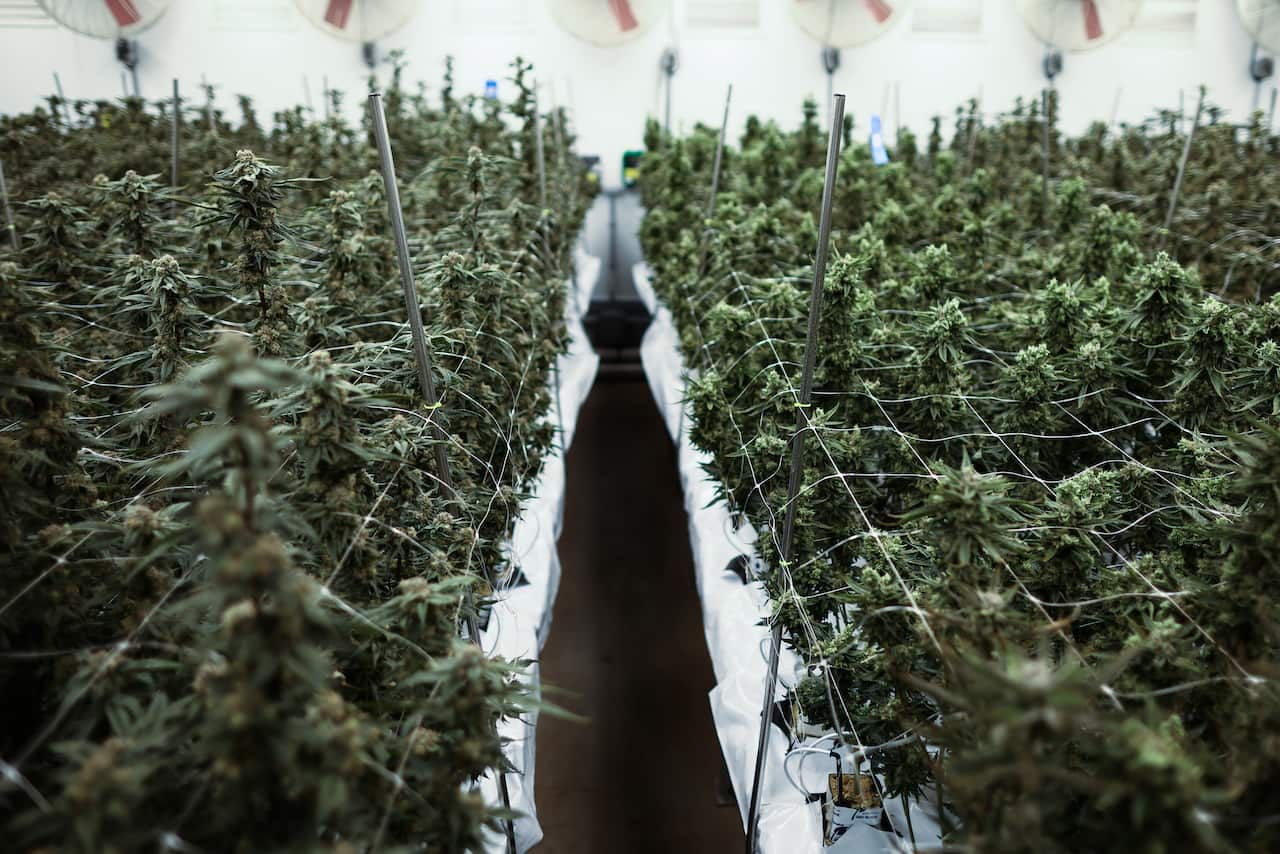 A decade after medicinal cannabis was legalised, prescribing has surged and a large commercial market has emerged in Australia. Source: Getty / Bloomberg
Alex’s experience is increasingly part of the way Australians access cannabis. SBS News has withheld her surname for privacy reasons.
Ten years after medicinal cannabis was legalised, prescribing has expanded and a large commercial market has emerged around it. Australians aged 18 and over can access medicinal cannabis through online prescribing services, which patients can then take to a pharmacy.
But as access has grown, so too have concerns about how medicinal cannabis is prescribed and marketed, the evidence behind some of its uses and whether patients fully understand the products they are being prescribed.
What ‘medicinal cannabis’ really means
For patients, getting a prescription can make a cannabis product feel much like any other medicine. But the word “medicinal” does not necessarily mean a product has been assessed and registered by the Therapeutic Goods Administration (TGA).
Most medicinal cannabis products in Australia are not included in the Australian Register of Therapeutic Goods (ARTG) and have not been assessed by the TGA for safety, quality or effectiveness.
However, doctors can lawfully prescribe some of these unapproved products through regulatory pathways, including the Special Access Scheme and Authorised Prescriber Scheme. Sponsors are also legally responsible for ensuring these products comply with applicable Australian standards, including requirements relating to quality and labelling.
Medicinal cannabis contains the same primary compounds found in cannabis more broadly, including THC, the main psychoactive compound and CBD, which does not produce the same intoxicating effects. Their strength, cannabinoid content and composition can vary between products.
READ MORE
That regulatory distinction is central to the debate over medicinal cannabis, with some doctors and researchers questioning whether the language around the treatment can sometimes give greater weight to its medical benefits than the evidence supports.
Matthew Large, a conjoint professor from the School of Psychiatry at the University of New South Wales, says the term “medicinal cannabis” can overstate its benefits and downplay its risks.
[I believe] the medicalisation of cannabis is the biggest public health bungle in Australia’s history.
“As a medicine, cannabis has not come with the appropriate health warnings. And because it’s become a medicine, it’s become more and more difficult to talk with patients about its harms around addiction and psychosis,” he tells SBS News.
As part of its research, SBS News found examples of clinics and online retailers using language that could give prospective patients the impression their cannabis products had been “approved” by the TGA.
One example was online prescriber Medicinal Organic Cannabis Australia (MOCA), which lists a Sydney address on its website.
Managing director Alessandro Sorbello stated on the website that the company’s “complete product range is approved by the Therapeutic Goods Administration (TGA) and is ready for practitioners to prescribe to patients in Australia”.
The website also said its “approved medical cannabis product range includes capsules, sublingual oils, isolates, vape pens and whole cannabis flowers”.
In a statement to SBS News, MOCA acknowledged the wording “did not accurately reflect the regulatory status” of its products and said it had been removed.
The company said it was also reviewing its broader website to ensure information about its products and their regulatory status was “accurate and consistent with current requirements”.
Asked whether it would communicate the changes to patients, MOCA said it “will consider whether any further communication is appropriate as part of that process”.
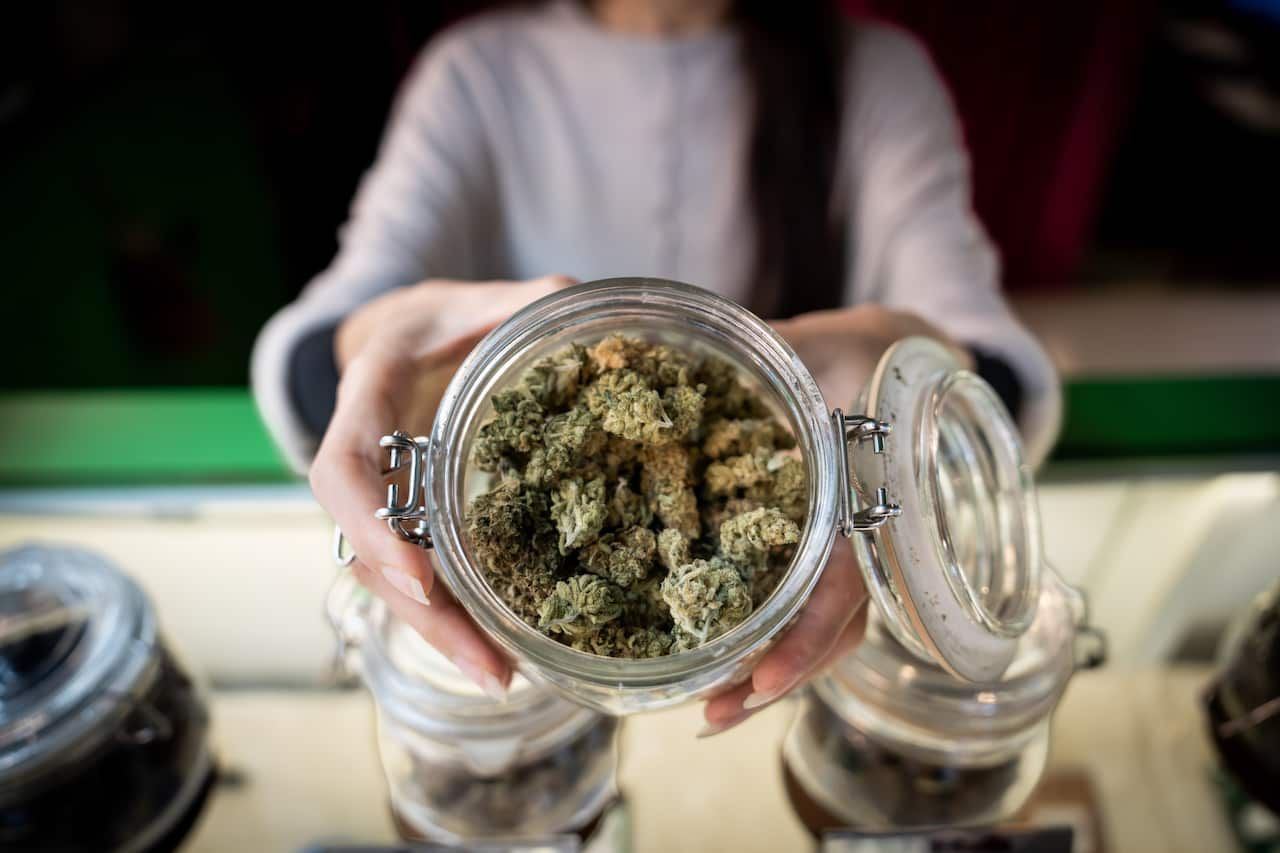 The most common way medicinal cannabis was prescribed so far in 2026 was in herb or dried form. Source: Getty / NurPhoto
In response to questions from SBS News about the MOCA material identified by the investigation, a TGA spokesperson said the regulator was unable to say whether it constituted unlawful advertising.
The spokesperson said advertising of therapeutic goods “must undergo robust assessment on a case-by-case basis and in the context in which it is viewed”.
However, the regulator said the Therapeutic Goods Act 1989 prohibits advertisements that imply a therapeutic good has been approved or recommended by the government or a government authority.
Businesses are responsible for understanding and complying with their regulatory obligations when advertising and supplying therapeutic goods, including advertising through online platforms.
The ARTG lists only two cannabis medicines as registered products, including Epidyolex, an oral solution used for specific forms of epilepsy, and Sativex, a mouth spray used for multiple sclerosis-related spasticity.
Combined, these two products make up less than 1 per cent of medicinal products available in Australia. Other medicinal cannabis products are not listed on the ARTG.
A spokesperson for the Australian Health Practitioner Regulation Agency (Ahpra) told SBS News it has concerns “some registered health practitioners are prioritising profits over patient safety”.
“Ahpra has put the medicinal cannabis industry on notice about its expectations and will continue to use data, including from other regulators, to identify and investigate practitioners who are not prescribing safely,” they said in a statement.
Ahpra confirmed regulatory action had been taken against 80 practitioners since 2019 in relation to the prescribing or dispensing of medicinal cannabis.
READ MORE
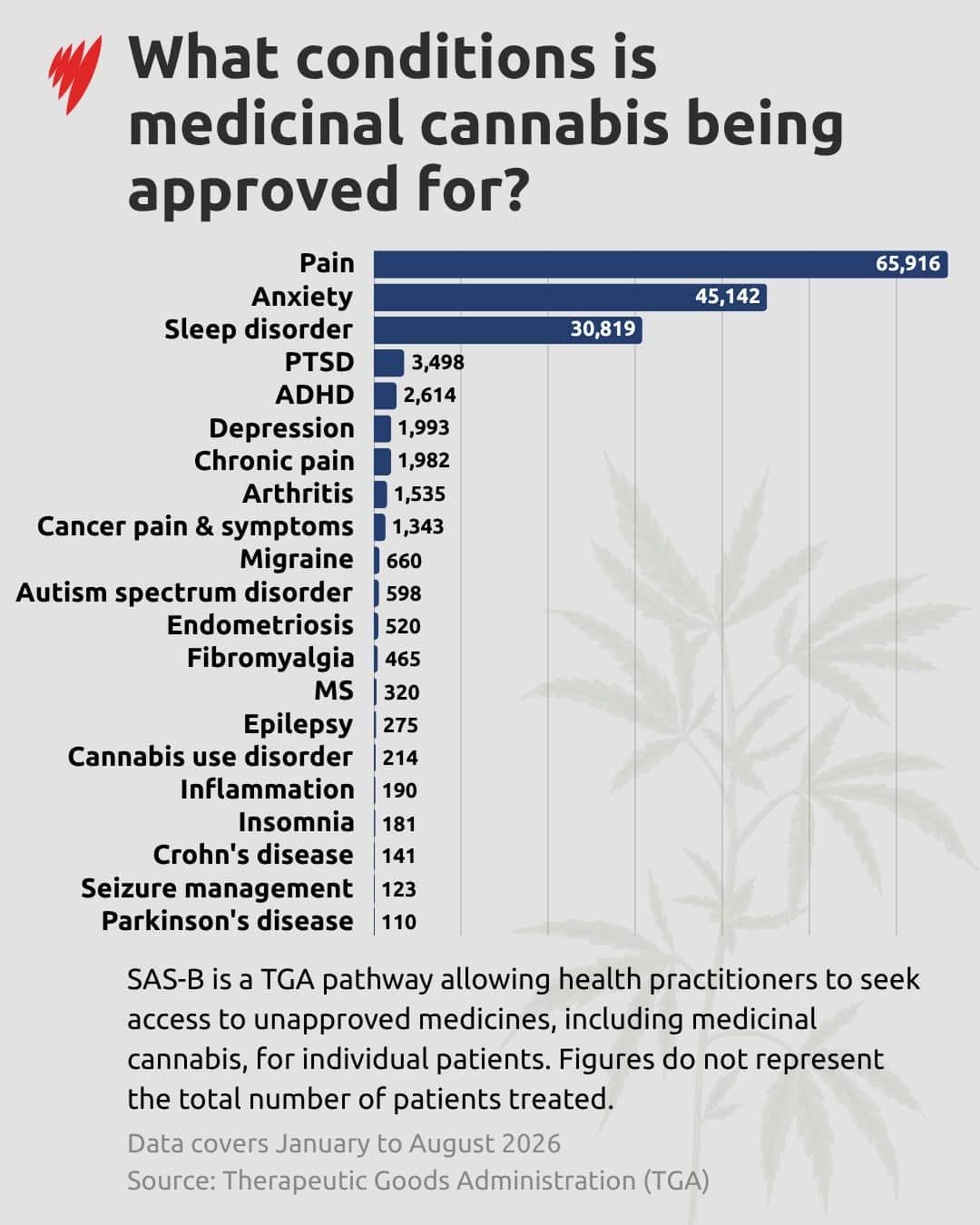
Large says since the COVID-19 pandemic there has been an “explosion” in cannabis prescribing, particularly for anxiety and depression.
He argues that cannabis can make people feel calmer in the short term without necessarily treating the underlying condition.
His concern is particularly focused on products containing high levels of THC — the psychoactive component of cannabis.
He says THC’s effects can be delayed, creating a gap between taking the drug and experiencing its negative effects.
This is a slow-moving problem with a delay between ingestion and toxicity.
Large points to research examining cannabis use and psychosis, saying the findings are concerning, and says the risk of psychosis may increase with greater cannabis exposure and potency.
Research has found an association between frequent use of high-potency cannabis and psychosis, although this does not establish that prescribed medicinal cannabis causes psychosis.
He also warns of the potential for dependence.
“I think it’s quite possible that we are going to have a much greater proportion of our population addicted to yet another compound.”
He stresses that not all medicinal cannabis products carry the same risks.
Low-THC products and topically applied products such as ointments are likely to be much less toxic, he says.
Concerns over prescribing
Melbourne-based Vicki Kotsirilos was among the first Australian GPs authorised to prescribe medicinal cannabis.
She initially obtained approval to treat patients suffering from chronic, severe cancer pain and neuropathic pain.
But a decade on, she is concerned about how easily some patients can obtain cannabis.
Prescribing medicinal cannabis should always be a last-resort treatment, after other non-cannabis options have been explored.
“We now have clinics and telehealth companies that solely prescribe cannabis to patients. That shows a lack of ethical guidance and professionalism,” she tells SBS News.
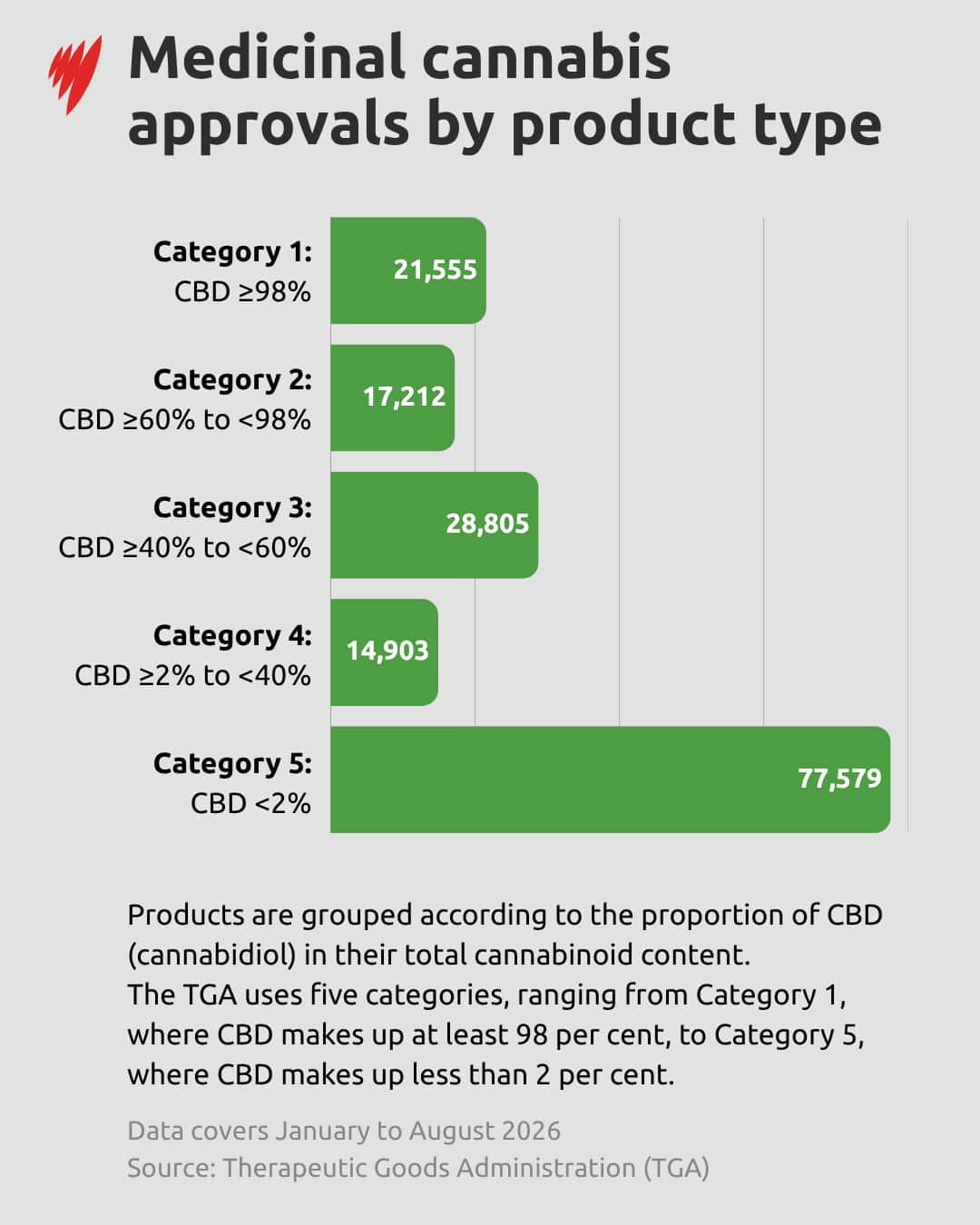 Source: SBS News
Kotsirilos says the greatest concern is not necessarily CBD-dominant products, but products containing high levels of THC.
Australian medicinal cannabis products are grouped into five categories according to their cannabinoid content. Categories 1 and 2 are CBD-dominant; category 3 is balanced; and categories 4 and 5 are generally THC-dominant.
Kotsirilos says doctors need to be particularly cautious when prescribing high-THC products to people with conditions such as anxiety.
“THC can aggravate anxiety, can cause delusions and psychosis, and aggravate mental health conditions,” she says.
She also warns that high doses can cause sedation and drowsiness and can lead to cannabis use disorder.
Kotsirilos says doctors should first consider behavioural and non-drug treatments, particularly when patients present with anxiety or sleep problems.
“For anxiety, it’s really important to first deal with the patient’s stresses in their lives, look at their behaviour, exercise, talk to them about sleep and how to correct sleep,” she says.
 Source: SBS News
If medicinal cannabis is ultimately prescribed, she advocates starting with lower doses and gradually increasing them where appropriate, while favouring CBD-dominant products over high-THC products.
The potency problem
Large says the potency of cannabis available today is substantially higher than that of cannabis that was commonly available decades ago.
“In the 1970s, illegal cannabis typically had THC concentrations of approximately 2 to 5 per cent at the very most,” he says.
“It’s possible now to ring up a doctor with a relatively minor complaint and get sent, within 24 hours, multiple scripts, some of which contain 35 per cent THC.”
The availability of high-THC products is one reason he believes the risks of cannabis need to be communicated more clearly to patients.
There are so many misconceptions about the toxicity of cannabis.
That makes the language clinics use particularly important.
For patients, the word “medicinal” can suggest that a product has been rigorously tested, is proven to work and is safer than recreational cannabis.
But those assumptions do not necessarily follow from the fact that a product has been prescribed.
The Royal Australian College of General Practitioners has called for changes to the regulatory framework, including greater safeguards around prescribing, and has expressed concerns about how some products are accessed through telehealth services.
The appeal of access
For patients like Alex, however, the distinction between the benefits and risks can feel less complicated.
She says medicinal cannabis has helped with her health concerns, and that the cost of accessing it fits within her budget.
She had a free video call with a nurse, followed by a consultation with a doctor and subsequent appointments every few weeks or months.
Each doctor’s appointment was substantially less than she would have paid at her private GP, which she says made the service attractive to her.
The accessibility did not mean the cannabis itself was necessarily cheaper.
Alex says the cost of the products themselves was comparable to cannabis she had previously bought illegally.
She was prescribed flower containing 25 per cent THC, as well as gummies and CBD oil.
Alex says her doctor was prepared to prescribe a higher-THC product because of her experience using cannabis recreationally.
She says she has not experienced the paranoia, dizziness or discomfort that can accompany cannabis use.
For Alex, the ease of accessing medicinal cannabis was part of its appeal. But experts say the question is whether patients are getting enough information to understand the potential benefits and risks.
Disclaimer: This article is for general information only and should not be relied on as a substitute for professional medical advice. Readers are advised to consult a qualified health professional for guidance specific to their situation.
For the latest from SBS News, download our app and subscribe to our newsletter.