

While it is still relatively rare for young children to be prescribed GLP-1 medications, researchers say their use is increasing quickly.
A study published in the journal Pediatrics examined more than 3.5 million children nationwide. Researchers found that the percentage of children ages 8 to 11 without diabetes who were using GLP-1 medications rose from 0.3% in 2019 to 9.3% this past summer.
Over the seven years studied, that amounted to about 20,000 children in the 8-to-11 age group.
The overall number remains relatively small, but the researchers said the sharp increase warrants attention as more families and doctors consider the medications for children.
Some GLP-1 medications are approved by the Food and Drug Administration for children and adolescents ages 12 and older for weight management.
Dr. Shaista Safder, a pediatric gastroenterologist and obesity medicine specialist with Orlando Health Arnold Palmer Hospital for Children, treats young people who use GLP-1 medications. She said some children are thriving while taking the drugs, but families need to consider several factors before starting treatment.
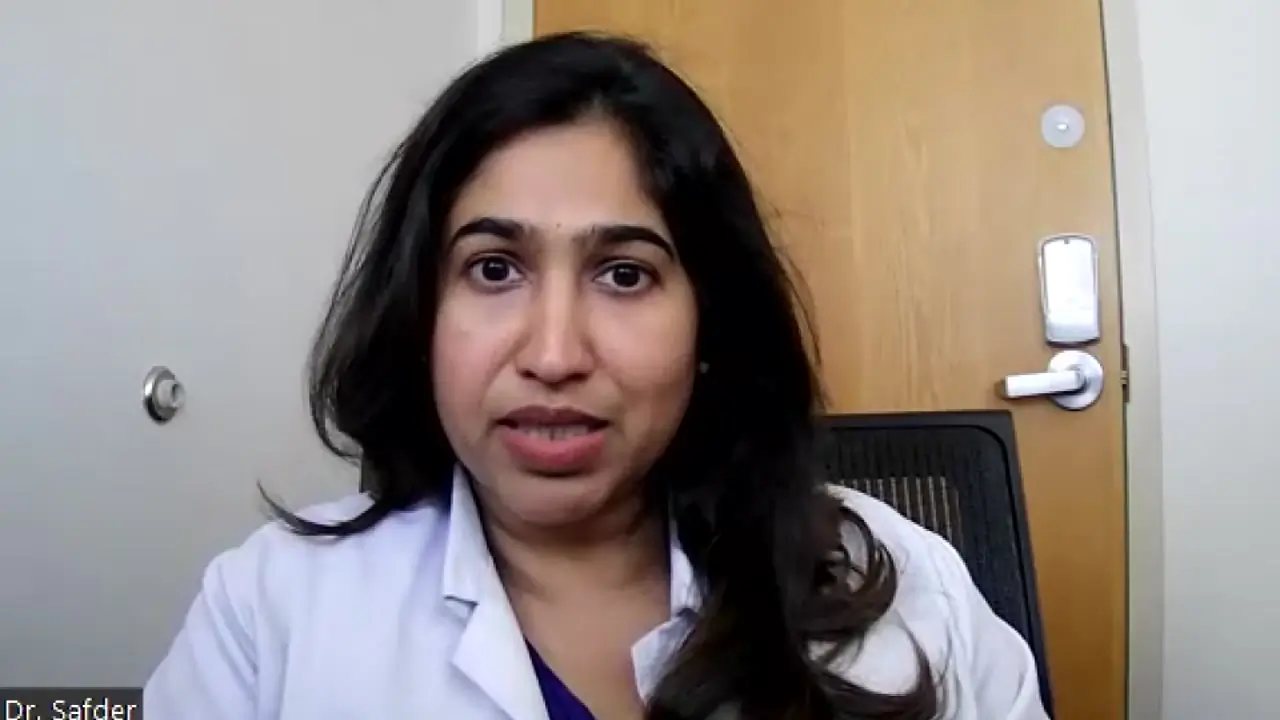 Dr. Shaista Safder, a pediatric gastroenterologist and obesity medicine specialist with Orlando Health Arnold Palmer Hospital for Children, treats young people who use GLP-1 medications. (WJXT)Pediatric obesity is a chronic disease
Safder said pediatric obesity should be viewed as a chronic disease that can affect multiple organs and systems, including the heart, liver and metabolism.
Children who seek treatment may already have conditions such as:
Prediabetes
Metabolic-associated fatty liver disease
High blood pressure
Sleep apnea
Menstrual irregularities
Safder said doctors are moving away from a “wait and watch” approach when children are already experiencing health complications.
“Waiting and watching doesn’t necessarily change the course,” Safder said. “It basically allows that trajectory to continue.”
Early treatment can provide an opportunity to prevent some health problems from becoming permanent, she said.
When might a child be considered?
Safder said GLP-1 medications are not automatically prescribed to every child with obesity or prediabetes.
 Dr. Shaista Safder said doctors must make sure children are losing the right kind of weight while continuing to grow and develop. (WJXT)
Doctors first consider the child’s overall health, medical history and any related conditions. They also look at whether the child and family have completed an intensive lifestyle and behavioral treatment program.
Medication may be considered when:
A child has obesity-related health conditions that are progressing
Lifestyle and behavioral changes have been attempted
The child is not improving as expected
The potential benefits outweigh the risks
The family and doctor agree on a treatment plan
Safder said a parent’s experience with a GLP-1 medication should not determine whether the drug is prescribed for a child.
“Just because the parents have had good success or they’re using it” does not mean the medication is right for their child, she said.
Weight loss is not the only goal
Safder said doctors must make sure children are losing the right kind of weight while continuing to grow and develop.
Because children are still growing, doctors monitor their muscle mass, nutrition, growth and development. Body mass index, or BMI, is only one measurement and does not provide a complete picture of a child’s health.
Safder said some children who are considered overweight or obese may also have nutritional deficiencies, including low levels of vitamin D or iron.
“Calories don’t equate nutrients,” she said. “You can consume 1,000 calories, but that doesn’t necessarily mean you’re consuming 1,000 calories of nutrients that are balanced and complete for a growing body.”
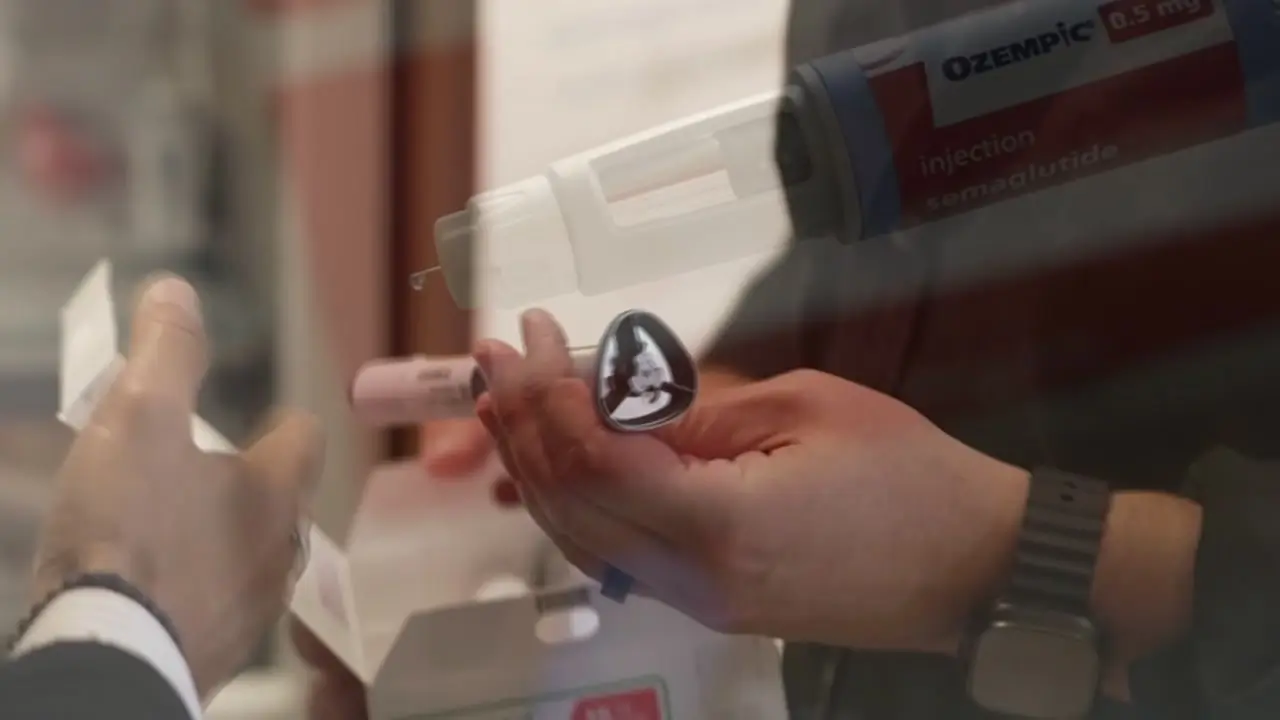 A study published in the journal Pediatrics examined more than 3.5 million children nationwide. Researchers found that the percentage of children ages 8 to 11 without diabetes who were using GLP-1 medications rose from 0.3% in 2019 to 9.3% this past summer. (WJXT)How might it affect puberty and growth?
Safder said excess body weight can affect puberty and growth, including menstrual cycles and hormone levels.
Doctors consider each child’s developmental stage before prescribing the medication.
For example, a child in a period of rapid growth or early puberty may not be an appropriate candidate at that time.
The decision depends on the child’s growth pattern, skeletal maturity, medical history and other health factors, Safder said.
Potential side effects
GLP-1 medications slow the emptying of the stomach. That can cause some children to experience:
Nausea
Feeling full quickly
Vomiting
Constipation or changes in bowel habits
Changes in stool consistency
Safder said some children are especially sensitive to the medication or the dosage. Doctors may start at a low dose and slowly increase it as needed.
She also said some patients may experience mental health effects, including depressive thoughts. Her program screens patients for anxiety and depression before and after treatment.
Children may also need to temporarily stop taking the medication before surgery because delayed stomach emptying can create additional risks during anesthesia.
What if they stop taking the medication?
Safder said some children may eventually be able to stop taking a GLP-1 medication, particularly if the medication helped address a temporary need and the child is able to maintain progress.
However, some patients may regain weight after stopping the medication. Others may need continued treatment or the lowest effective dose to maintain their progress.
The decision to reduce or stop the medication depends on the child’s health conditions and response to treatment, Safder said.
Questions parents should ask
Safder urged parents to make sure their child is being treated by someone with experience in pediatrics and obesity medicine.
Families should ask:
Who is prescribing the medication?
Does the provider have experience treating children?
Has the provider reviewed the child’s growth charts?
When did the weight gain begin?
Does the child have any related health conditions?
Has the child been screened for nutritional deficiencies?
What is the child’s gastrointestinal history?
Is there a family history of thyroid cancer?
What side effects should the family watch for?
What is the plan if the medication is stopped?
Safder said parents should be cautious if a child is offered a prescription without a thorough medical evaluation.
“I’d be very worried if you went somewhere and somebody just handed you this prescription with no questions asked,” she said.
A team approach to treatment
Safder said the most effective treatment plans typically involve more than medication.
A comprehensive program may include:
A pediatrician or obesity medicine specialist
A dietitian
An exercise physiologist or athletic trainer
Behavioral health support
Regular monitoring of growth, nutrition and lab work
The American Academy of Pediatrics recommends intensive, family-centered lifestyle and behavioral treatment, Safder said. She added that the strongest results may come when those efforts are combined with medication when appropriate.
Safder said her approach was shaped by becoming a parent herself. After returning from maternity leave, she treated an infant who had swallowed an earring that became lodged in the child’s esophagus.
The child’s mother grabbed Safder’s arm and asked her to take care of her baby.
“Parenthood changed who I was as a physician,” Safder said. “My philosophy is to treat every child like they’re my own.”
Watch News4JAX Anchor Joy Purdy’s full conversation with Dr. Safder on Thursday, Oct. 8 at 3 p.m. on our News4JAX+ streaming channel.
Copyright 2026 by WJXT News4JAX – All rights reserved.