
About three hours’ drive inland from the coastal Kimberley community of Bidydanga, the sacred freshwater spring sites of Malupirti lie hidden among the vast terrain of the Great Sandy Desert.
Malupirti, also called Munro Springs, is a protected area for Karajarri people due to its cultural significance and fragile ecosystem.
The sacred site is located within the 31,000-square-kilometre Karajarri native title area and is an Indigenous Protected Area.
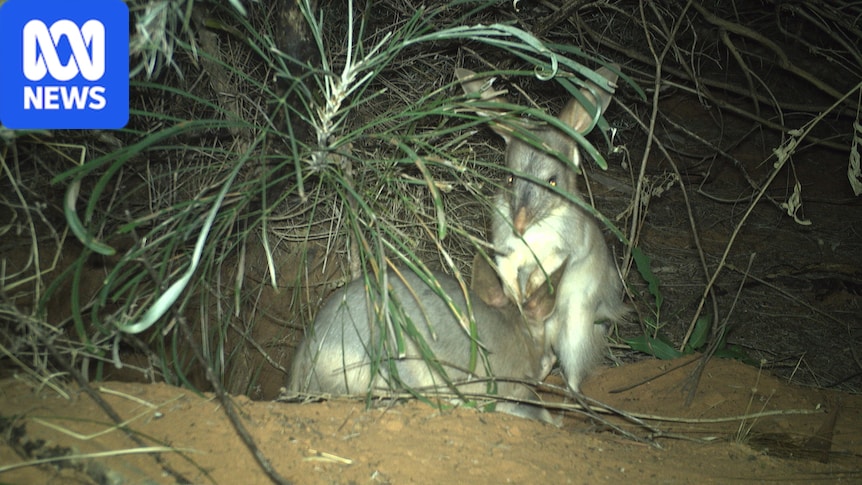
For the first time, local rangers and WWF-Australia conservationists used cameras to survey the site for the presence of the vulnerable greater bilby and the rare spectacled hare-wallaby.
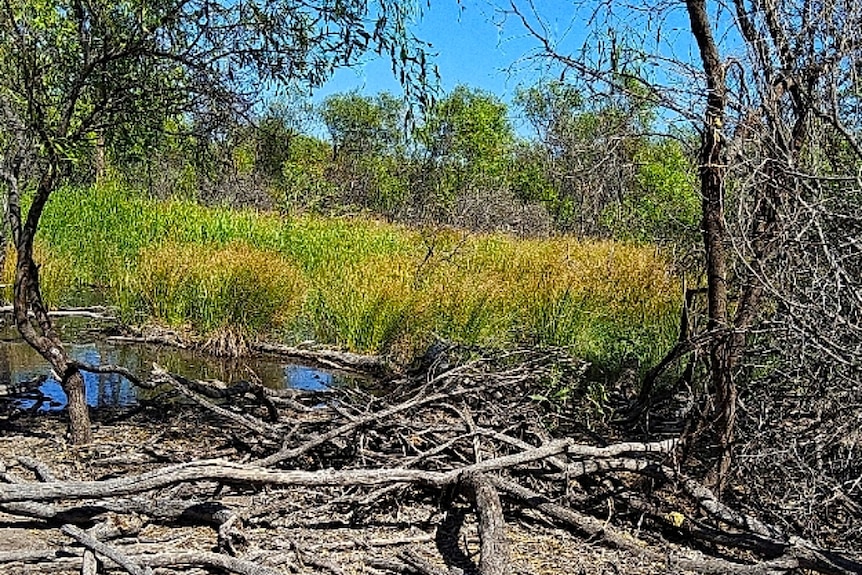
The Karajarri native title area is almost half the size of Tasmania. (Supplied: WWF-Australia)
Head Karajarri women’s ranger Hayley Mulardy said it was an important step in protecting the area.
“Back in the days, our old people used to walk this country and the one thing they would depend on is the springs for water and the other food sources that surround the springs,” she said.
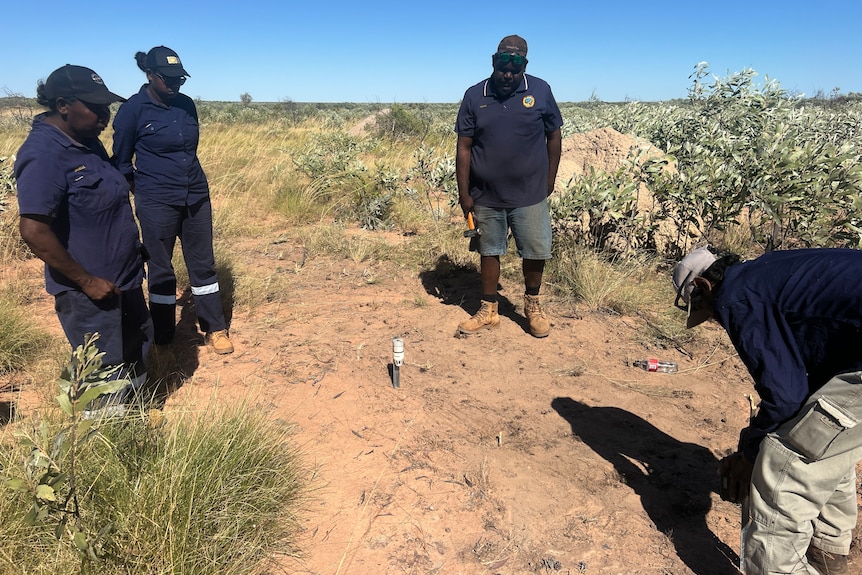
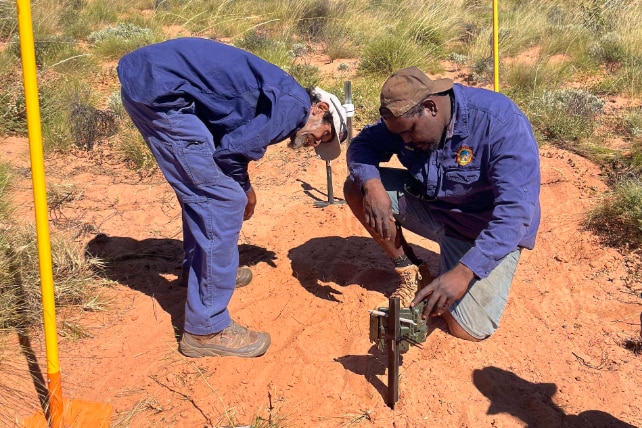
Karajarri rangers and WWF-Australia conservationists set up 41 cameras across Malupirti. (Supplied: WWF-Australia)
With the knowledge of elders, 41 cameras detecting animal movement were set up near the springs, animal burrows and shelters.
More than 220,000 images were taken during the four-month project and sorted using artificial intelligence.
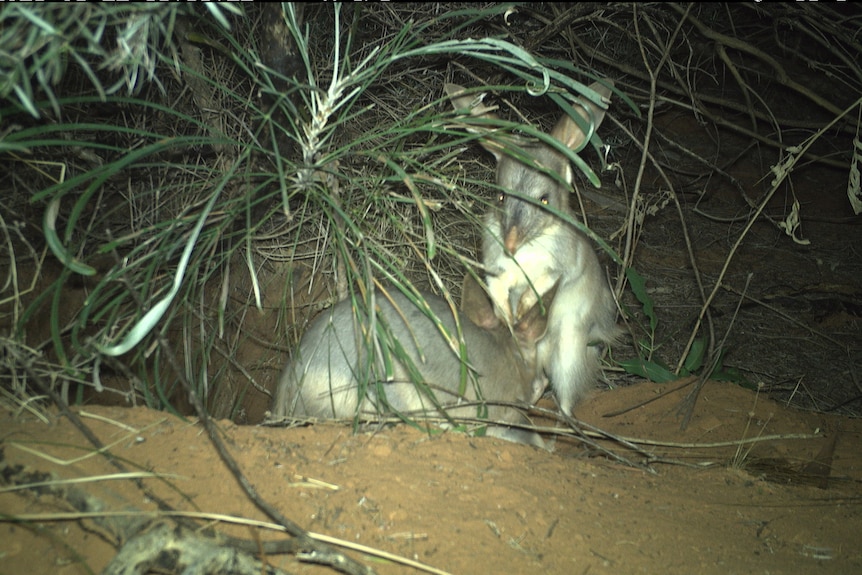
Four cameras confirmed the survival of of the bilby at Malupirti. (Supplied: WWF-Australia)
Bilbies present, but ferals a concern
Bilbies were seen at four of the sites and Ms Mulardy said it “was good to know native species were surviving on their own”.
The spectacled hare-wallaby was not caught on camera but a shelter was found near the springs.
Rangers and researchers were delighted to see bilbies, but were concerned with the number of feral cats and foxes.
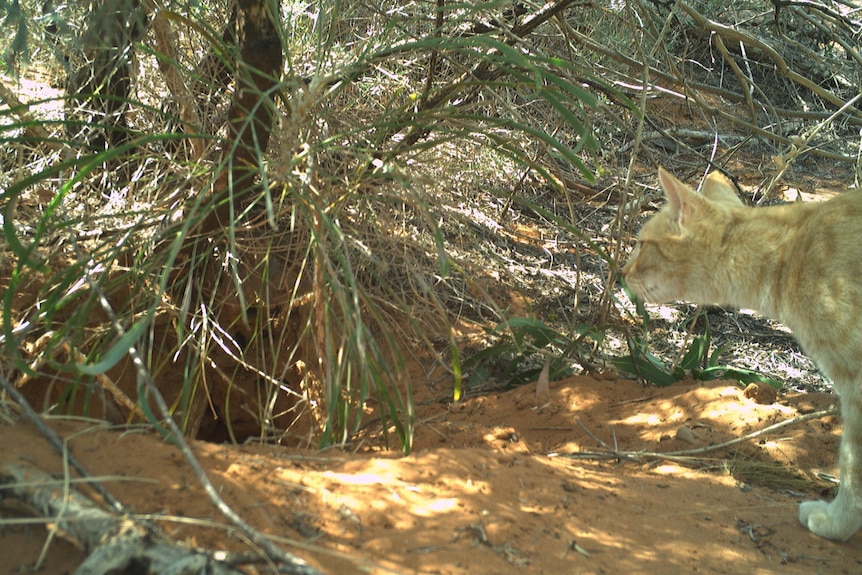
Feral cats were detected at 32 of 41 camera sites at Malupirti. Some were seen near bilby burrows. (Supplied: WWF-Australia)
WWF Kimberley conservation specialist Pius Gregory said he was not surprised by the presence of the predators.
“The cat and the fox eat the bilbies and all sorts of animals,” he said.
“They play a big role in the amount of animals put on the endangered list.”
Feral cats and foxes endanger many native species across the region. (Supplied: WWF-Australia)
Mr Gregory said it was “rewarding” to confirm several other types of native species inhabited Malupirti.
Overall, 21 bird species, six mammals and at least six different types of reptile were detected at the springs.
Camels trample fencing
Mr Gregory said camels and cattle also threatened Malupirti.
“You can put up a fence but in the end they’ll knock it down,” the Karajarri Yawuru traditional owner said.
“They will want to get to the water and when they do get in, the cattle follow and trample all around the edge of their springs, which is a sacred area, and foul up the water [using it as] a toilet.”
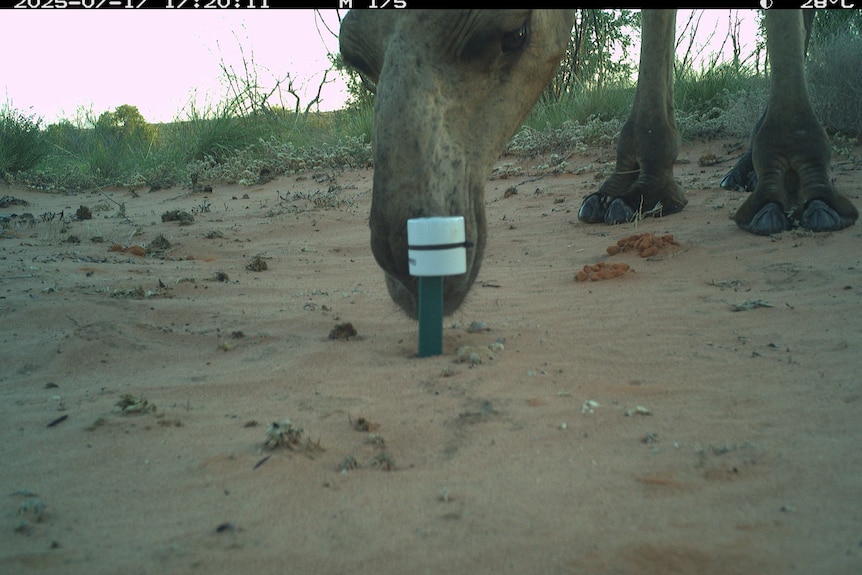
Camels were seen at nine where cameras were set up by rangers. (Supplied: WWF-Australia)
Ms Mulardy said rangers routinely checked the fencing.
“It’s getting really bad to the point where we go up and down, and put up fences pretty much every three, two months,” she said.
Protection for the next generation
Ms Mulardy and Mr Gregory said Indigenous-led conservation efforts and recording the status of the site’s native species were important for the “next generation”.
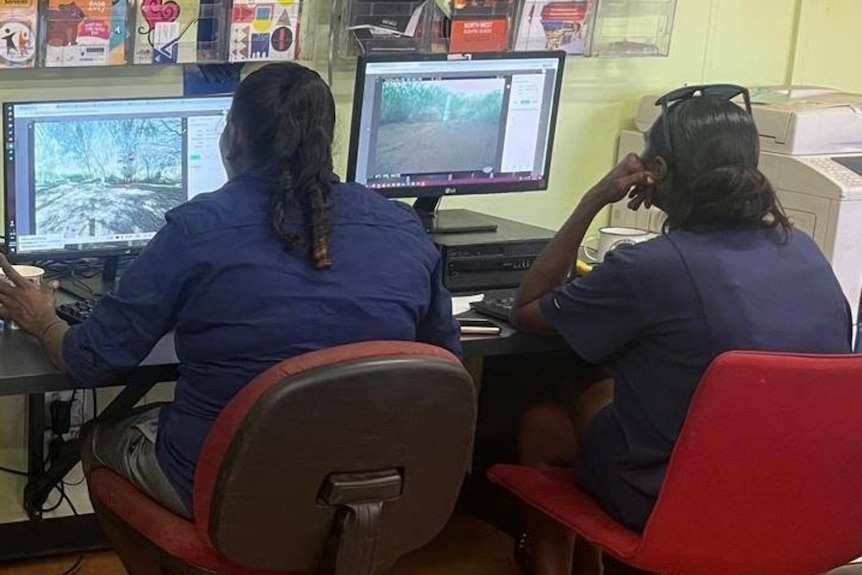
Karajarri rangers used AI to help sort through 220,000 images captured on cameras set up at Malupirti. (Supplied: WWF-Australia)
They said the groups would now focus on further tracking and management of the pests, including collaring feral cats and camels.
“We are going out on country and going out with a lot of other researchers and rangers to help with this work,” Ms Mulardy said.
“As Aboriginal people, we live off the country and we want to protect it. We can’t do that without seeing how the native animals and how our country is going.”