
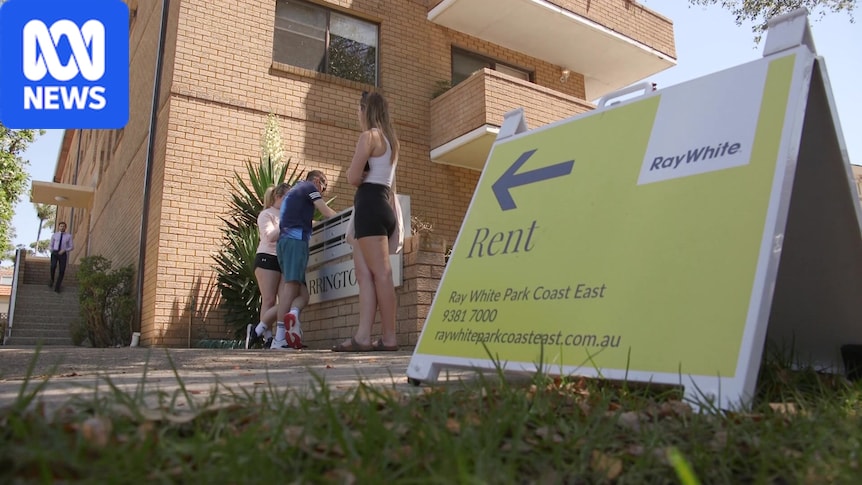
Australia’s rental market is beginning to lose steam despite rents remaining at record highs.
It is the rapidly emerging disconnect that experts say could suggest tenants are being pushed to the brink as rents flatline and even fall across most of the major capitals.
New data from Domain shows capital city house rents were unchanged at $700 a week over the September quarter, while unit rents rose by 1.5 per cent despite very low levels of rental properties available on the market.
That slowdown is challenging the long-held relationship between tight rental supply and growth, according to Domain’s chief residential economist Nicola Powell.
“Tenants’ ability to absorb further increases is really the dynamic that is limiting further rental growth,” she told The Business.
“There’s almost a disconnect now between where vacancy rate sits and what is occurring for rental growth.”
Loading…Lack of supply not translating into rent rises
Dr Powell said although it was still “a landlords’ market” in all major capitals and regional areas, the severe supply shortage was not necessarily transferring into rental increases as tenants hit their ceiling.
Rents for houses are at or near record highs, with Sydney, Darwin and Perth the most expensive cities to live in.
But most of that growth occurred earlier in the year.

Nicola Powell says the data indicates cannot pay more rent. (ABC News: Thorsten Joses)
The new data from Domain found rents in Melbourne, Brisbane, Perth and Adelaide flatlined over the past three months.
And housing rents fell in Sydney and Canberra by $5 and $10 respectively, erasing gains in June.
Only Darwin and Hobart bucked the trend across the capital cities in Domain’s dataset, recording rises of 5.3 per cent and 1 per cent respectively in houses in the past quarter.
Although the market is slowing, with the national vacancy rate rising by 0.1 percentage points to rest at 1 per cent, it is still much tighter than it was a year ago.
Renters compromise to avoid higher rent
Cameron Kusher of Kusher Consulting, an independent property economist, said renters were finding other ways to survive as the market squeezed them for all they were worth.
“Because rents have increased so much over the last few years, what people are doing is they’re renting in a less ideal location,” he said.
“So they’re opting for a cheaper rental, maybe not ideally where they want to live but basically a trade-off that they’re having to make.”
Other ways include share housing or adult children staying at home longer.
Migration cuts floated to curb rent rises
The figures came after One Nation released new modelling for its migration plan on Wednesday, saying it could save Australian renters almost $3,000 a year.
The party has pledged that, if elected, it would cut 750,000 temporary visas over three years to reduce rental inflation by 6.5 per cent.
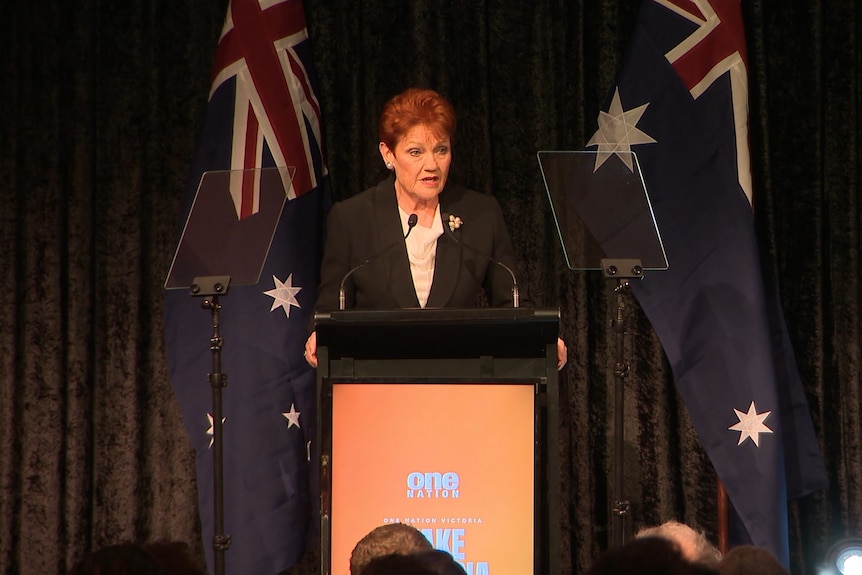
One Nation has announced migration policy it says will reduce rental supply issues. (ABC News)
“I don’t know that that’s enough to significantly improve rental affordability given how much rents have increased over recent years,” Mr Kusher said of the policy.
“But I feel like, at this point, renters would probably take any win that would lower their rent.”
He also said changes in this year’s budget that made property investment less attractive were still flowing through the system.
But at this stage, Mr Kusher said they did not seem to be causing the massive rent increases initially feared.
Loading…