
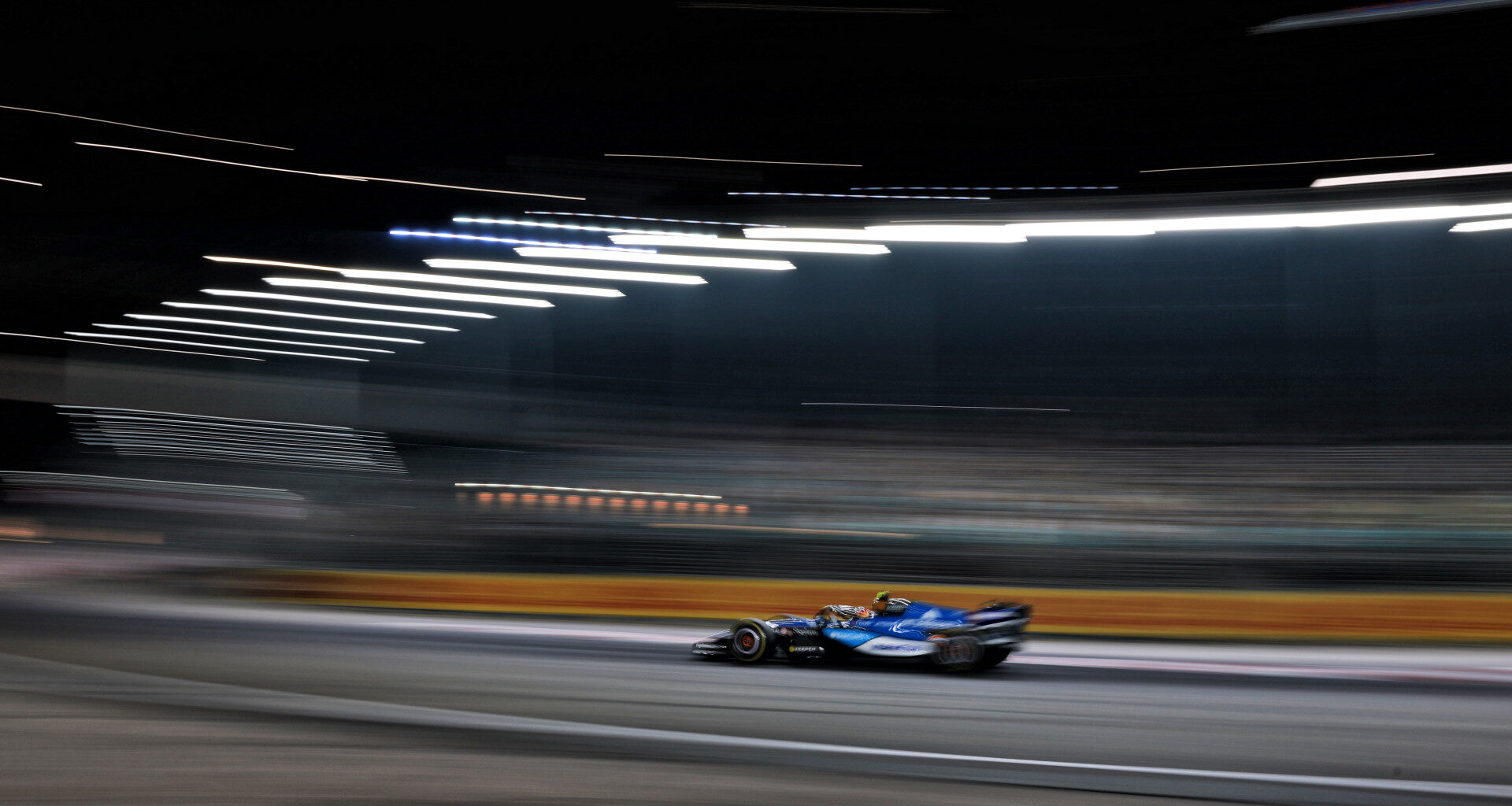
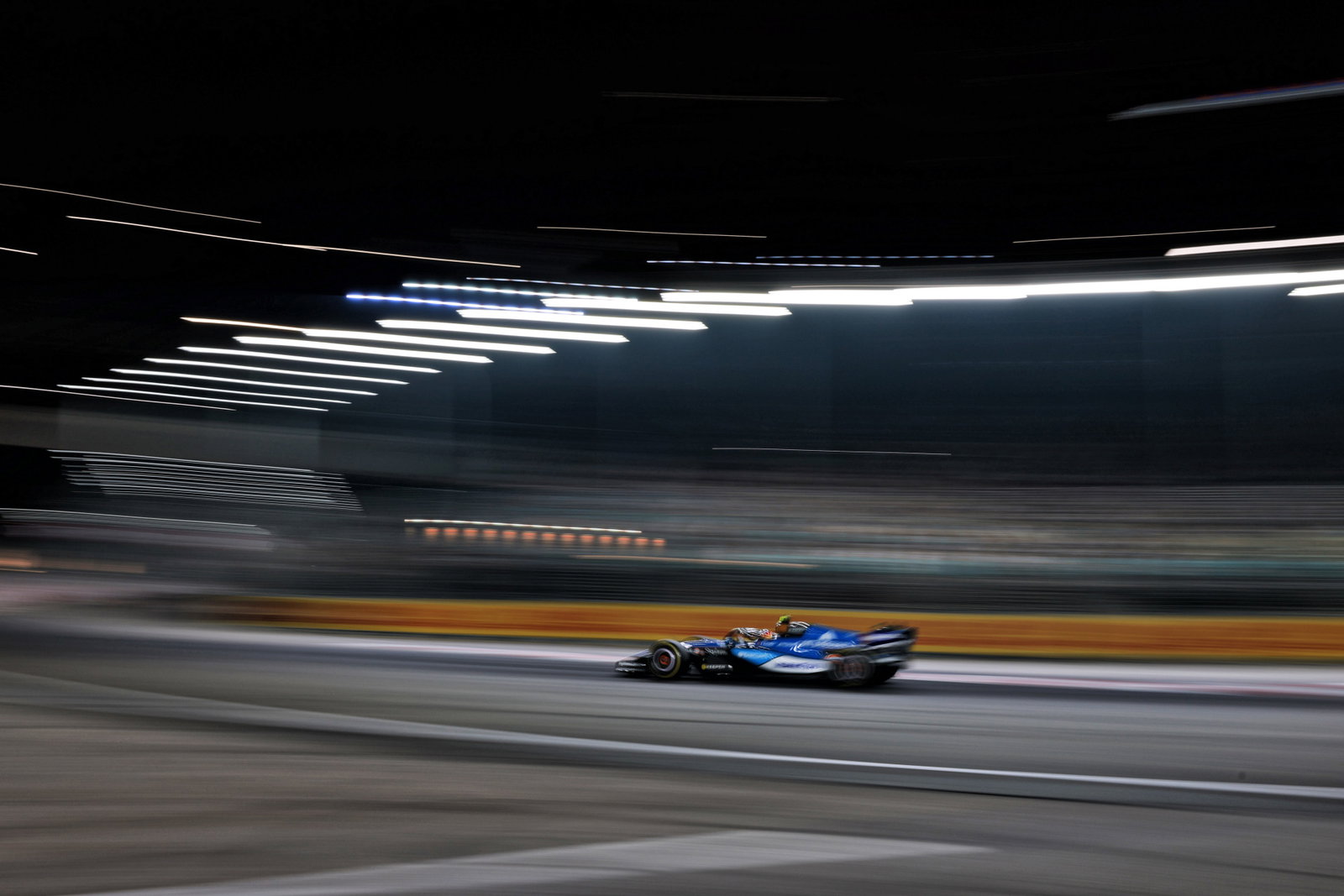
 Carlos Sainz has blasted the FIA over the latest software issue during qualifying. Image: XPB Images
The governing body confirmed that an error in race control meant drivers had differing levels of power available during the closing stages of SQ1, following a red flag caused by Sergio Perez crashing his Cadillac.
The issue left some drivers unable to access the additional energy deployment provided by Overtake Mode, while others briefly benefited from its availability, potentially influencing the outcome of the session.
Sainz was among those eliminated in SQ1, qualifying 22nd after struggling with braking and tyre problems, but was particularly frustrated by the circumstances surrounding his final attempt.
“There was another software issue with the cars this time around and we were on the bad end of it,” Sainz told Sky Sports F1.
“And for whatever reason the FIA, like in Malaysia, didn’t decide to do sport in equity and were happy to do half of the cars in quali with a higher power than the other half of the cars.
“So a bit confused why the sport keeps doing different things depending on who is out in Q1 or who is out in lap one.”
The Williams driver claimed the power difference had cost him around half a second, although he acknowledged that his difficulties with the brakes and tyres meant he would have struggled to progress regardless.
Following the session, the FIA confirmed that the problem had been caused by an oversight in race control rather than the separate timing system failure that also disrupted SQ1.
Overtake Mode had been disabled during the red flag period, but officials failed to restore it when running resumed with six minutes remaining.
After the mistake was identified, the system was switched back on for just 27 seconds before being disabled once more, creating a situation where its availability depended on when drivers were completing their flying laps.
The FIA acknowledged that the discrepancy had affected the performance of some cars, although it did not establish whether the mistake had changed which drivers progressed to SQ2.
“The FIA acknowledges that this unfortunate human error had an impact on the performance of certain cars based on the timing of their run and their position around the lap,” it said in a statement.
“The second and third periods of sprint qualifying were not affected.”
Several drivers had reported unexpected power limitations during the session, with Isack Hadjar among those complaining about a lack of performance during his final attempt.
George Russell was also informed over team radio that the problem involved FIA settings, while some cars experienced noticeable differences in straight-line performance between their qualifying runs.
Sky Sports F1 also reported that Aston Martin believed Lance Stroll would have progressed to SQ2 without the issue, with the Canadian eventually qualifying 18th.
Compounding the confusion was a separate problem with the timing system, which failed to register some lap times as SQ1 concluded.
The FIA subsequently delayed SQ2 by around 15 minutes while officials confirmed the classification and determined whether qualifying could continue.
The latest controversy comes just days after the FIA was forced to address a major software failure during the Bahrain Grand Prix in Malaysia, where several cars struggled to accelerate during the aborted start procedure in wet conditions.
That incident prompted an investigation and emergency software adjustments at Sepang, with the FIA subsequently confirming further changes ahead of the United States Grand Prix later this month.
Verstappen snatches Singapore sprint pole with stunning late lap