
Property investors across the country have been hitting the brakes as interest rate hikes and proposed tax changes cool the market, with investment plunging 9 per cent in the June quarter, according to a report released today.
The latest realestate.com.au Terri Scheer Investor Report found investor activity had seen a pullback this year, following strong growth in 2024 and 2025.
The May federal budget announcement of changes to the capital gains tax discount and negative gearing for established rental properties influenced the decline in investor loans along with the RBA rate hikes, realestate.com.au Senior Economist Angus Moore said.
“Over the long term, the budget changes may lead to a shift in investor demand, as investors look towards properties with higher yields,” he said.
“Low-yielding and loss-making rental properties are likely to become less attractive to investors, as negative gearing will be no longer available for existing residential properties.
“Although, rental market conditions remain tight and rent prices have continued to rise, as home prices have softened, which is likely to support investor activity over the next year.”

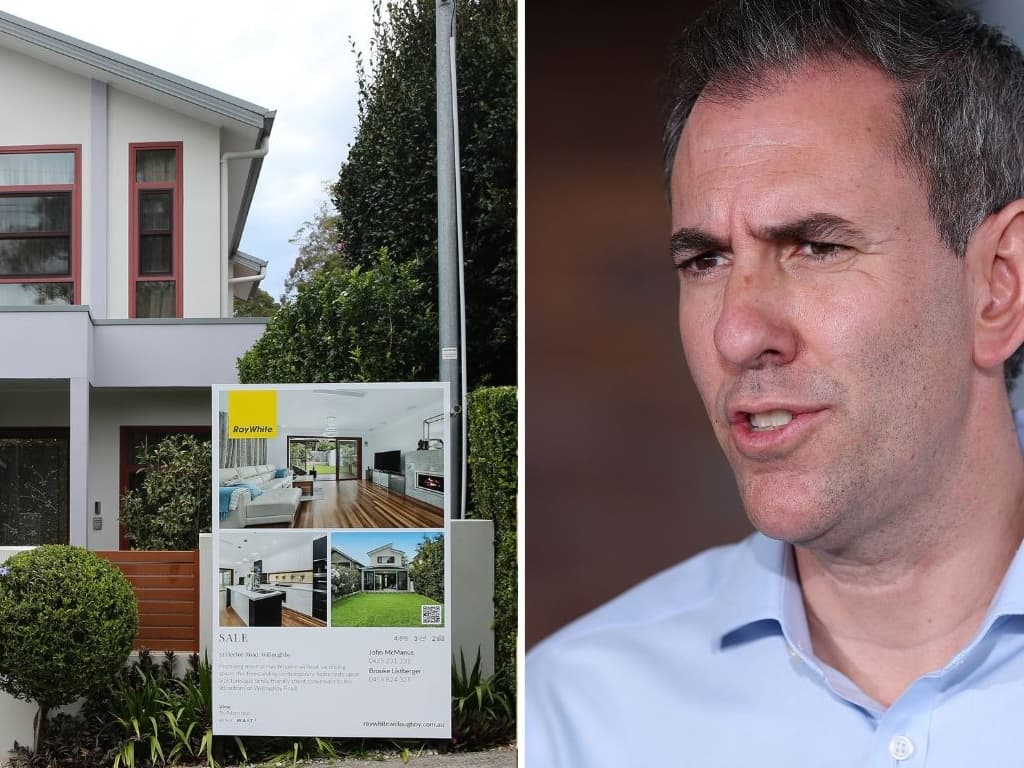
Changes to the capital gains tax discount and negative gearing, plus four RBA rate hikes, have driven a decline in investor loans. Picture: Tara Croser
Realestate.com.au economist Luc Redman said the investor pullback was seen across multiple states.
“NSW, in particular, had quite a strong pullback initially from the higher interest rates and that higher cost of borrowing, but we’ve seen that across basically Queensland, Western Australia and Victoria,” he said.
“That’s kind of what we would expect given the current cost of borrowing from the four interest rate hikes and the changes to the tax settings for investors.”
The data shows investor inquiry has shifted to higher-yielding properties as buyers increasingly focus on cash flow.
The report findings also show that most investors are still making a profit in 2026, with around 93 per cent of investment property resales so far this year having sold for more than they were bought for.
“Essentially you’re seeing investors in metro areas skewed towards more units and apartments or semi-detached dwellings,” Mr Redman said.
“Within regional areas, you’re still seeing them look towards houses because they can actually get them at a relatively similar price point.”
MORE: ‘Backfire’: Aussies warned over brazen lie
Mr Redman said New South Wales, in particular, had quite a strong pullback initially from the higher interest rates and that higher cost of borrowing
Mr Redman added it was likely the market would see strengthening in rental yield due to home prices softening and rental vacancy rates are still very low.
“That essentially means that the rental market is really, really tight, and that, in essence, pushes up rental prices,” he said.
“But ultimately, once these yields rebalance, which is probably going to be expected over the next six to 12 months, whether it’s a bit more attractive to an investor we’ll see them re-enter the market and we’ll kind of reach a new equilibrium.”
Despite the slowdown, lending for the purchase or construction of new homes rose 24 per cent.
“(Buyers) knew that there was higher borrowing costs at this point in time, they would have experienced the third rate rise in that period and essentially we actually saw an increase in that construction loans, which is really interesting given the current state of the construction sector and the lending constraints that we’ve heard a lot about,” Mr Redman said.
The report shows around 93 per cent of investment property resales so far this year have sold for more than they were bought for. Picture: NCA NewsWire/ Gaye Gerard
The data reveals the top investor suburbs for houses in Sydney included North Richmond, Austral and Airds where rental yield sits at 3.4 per cent and above. While Moorebank, Chipping Norton and Melrose Park were the strongest suburbs for units with rental yield of 4.8 per cent and above.
Melbourne’s Coolaroo, Meadow Heights and Carrum were the top housing locations for investors with yields at 3.6 per cent and above. While Flemington, Notting Hill and Burwood East saw investor yields for units above 5.5 per cent.
Brisbane’s hotspots for houses were Lowood, Laidley and North Booval with yields at 3.9 per cent and above. Whereas units saw rental yields at 4 per cent and above in Waterford West, Fortitude Valley and Thorneside.
MORE: Distressed property listings surge across Australia
Investors in capital cities are seeking units while regional investment tended to be houses
Houses in Adelaide saw the strongest investment in Elizabeth Park, Eyre and Elizabeth East that saw 4.3 per cent and above rental yield. Whereas units had a rental yield of 4.3 per cent and over in Plympton, Salisbury and Walkerville.
Perth’s Lockridge, Brookdale and Two Rocks houses had 4 per cent and above rental yield and units were the strongest in Leederville, Jolimont and East Cannington, with returns above 5 per cent.
Houses in Canberra saw rental yields above 4 per cent in Banks, Strathnairn and Calwell while units in Harrison, Mawson and Denman Prospect saw returns above 5.5 per cent.
Terri Scheer Executive Manager Carolyn Parrella said strong rental demand and improving yields reinforce why residential property continues to be an attractive long- term investment option for many Australians.
“While Australia’s property market is evolving, this report shows there are still compelling opportunities for investors who focus on strong fundamentals. Tight rental markets, improving rental yields and continued tenant demand highlight the enduring role residential property can play as a long-term investment.
“The findings show investors aren’t necessarily leaving the market, they’re adapting to it.”