

In briefNearly one in four Australians experience hay fever, according to the Australian Institute of Health and Welfare.For some migrants, hay fever doesn’t appear until years after they move to Australia.
Zoe had never experienced hay fever before moving to Australia.
But a few years after arriving, she began experiencing red and itchy eyes. At first, she assumed they were a reaction to her contact lenses.
When the symptoms worsened and returned year after year, she started looking for another explanation.
Along with itchy eyes, she said she developed severe nasal congestion and an urge to sneeze. After seeking medical advice, she was told she had hay fever.
“It took me years to realise,” Zoe, who asked for her last name to be withheld for privacy reasons, told SBS Thai.
Your trusted source for staying up-to-date with the world around you. Get free daily news updates and analysis, straight to your inbox.
Allergic rhinitis, commonly known as hay fever, occurs when the immune system reacts to airborne allergens. Common triggers include pollen, dust mites, mould and animal dander (flakes of skin in fur, hair or feathers).
Nearly one in four Australians experience hay fever, according to the Australian Institute of Health and Welfare.
For some migrants, the condition only emerges after several years of living in the country, with research suggesting exposure to new environmental allergens may play a role.
Why allergies can emerge years after migration
Dr Jason Yu, a Sydney-based general practitioner and clinical allergist, became interested in allergy medicine after moving between countries. He had not experienced allergies as a child but developed them years later.
He said allergies can develop at any stage of life, although they often first appear in childhood.
“We don’t know the exact reasons why people develop allergies,” Yu told SBS Thai.
One possible explanation for developing new allergies after migration is exposure to a novel environment, which can introduce people to allergens they hadn’t previously encountered.
Yu said dust mite allergies are common in Sydney and other coastal areas, while grass pollen, including ryegrass pollen, was another prominent trigger in Australia.
“Pollen can be blown kilometres away,” he said.
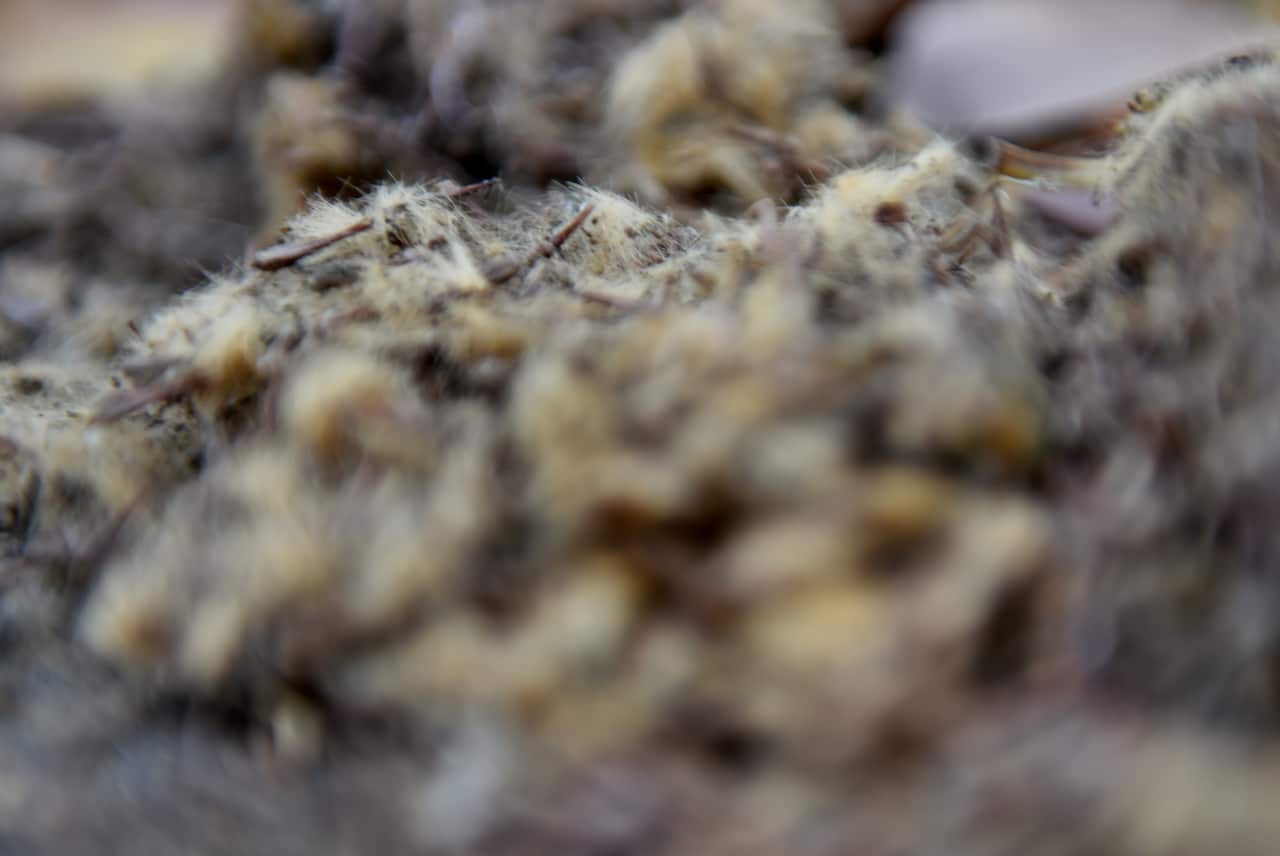 Pollen is a key trigger of hay fever. Source: AAP / Tracey Nearmy
Yu said there isn’t yet a definitive explanation for why some people develop allergies and others don’t.
Genetics and the development of the immune system may also play a role. Infections can also influence immune responses, although their relationship with allergy development is complex.
Research has previously documented the development of allergic conditions among people who migrate to Australia.
A 1996 study found up to 60 per cent of people who moved from South-East Asian countries to Australia developed hay fever, while 15 per cent developed asthma within their first 10 years in Australia.
A 2015 study from Curtin University also reported similar findings, suggesting people who migrated from China were more prone to allergies after moving to Australia.
For Hansa, whose last name has been withheld for privacy reasons, the first signs of hay fever were easy to mistake for a cold.
“One day, all of a sudden, my nose wouldn’t stop running, my eyes were watering, and I kept sneezing,” she told SBS Thai.
While living in Thailand, Hansa occasionally reacted to construction dust, but she hadn’t experienced the same symptoms after moving to Australia.
About three years after her arrival, the symptoms began.
She had assumed that if she was allergic to something, the reaction would appear straight away, rather than emerge several years after the move.
READ MORE
Antihistamines are commonly used to manage hay fever, but Yu said the ideal form of treatment depends on a person’s symptoms.
For those whose main symptom is nasal congestion, corticosteroid nasal sprays may be more effective than antihistamines alone, he said.
For persistent or more severe allergies, allergen immunotherapy may also be an option.
When hay fever becomes more serious
Hay fever and asthma are different but closely related conditions.
Hay fever primarily affects the eyes and upper airways, while asthma affects the lower airways and causes symptoms such as wheezing, chest tightness, and shortness of breath.
“If you feel short of breath, you feel like heaviness on your chest, you definitely should see someone about it,” Yu said.
He said this was particularly important because, in rare circumstances, exposure to grass pollen can trigger a potentially life-threatening event known as thunderstorm asthma.
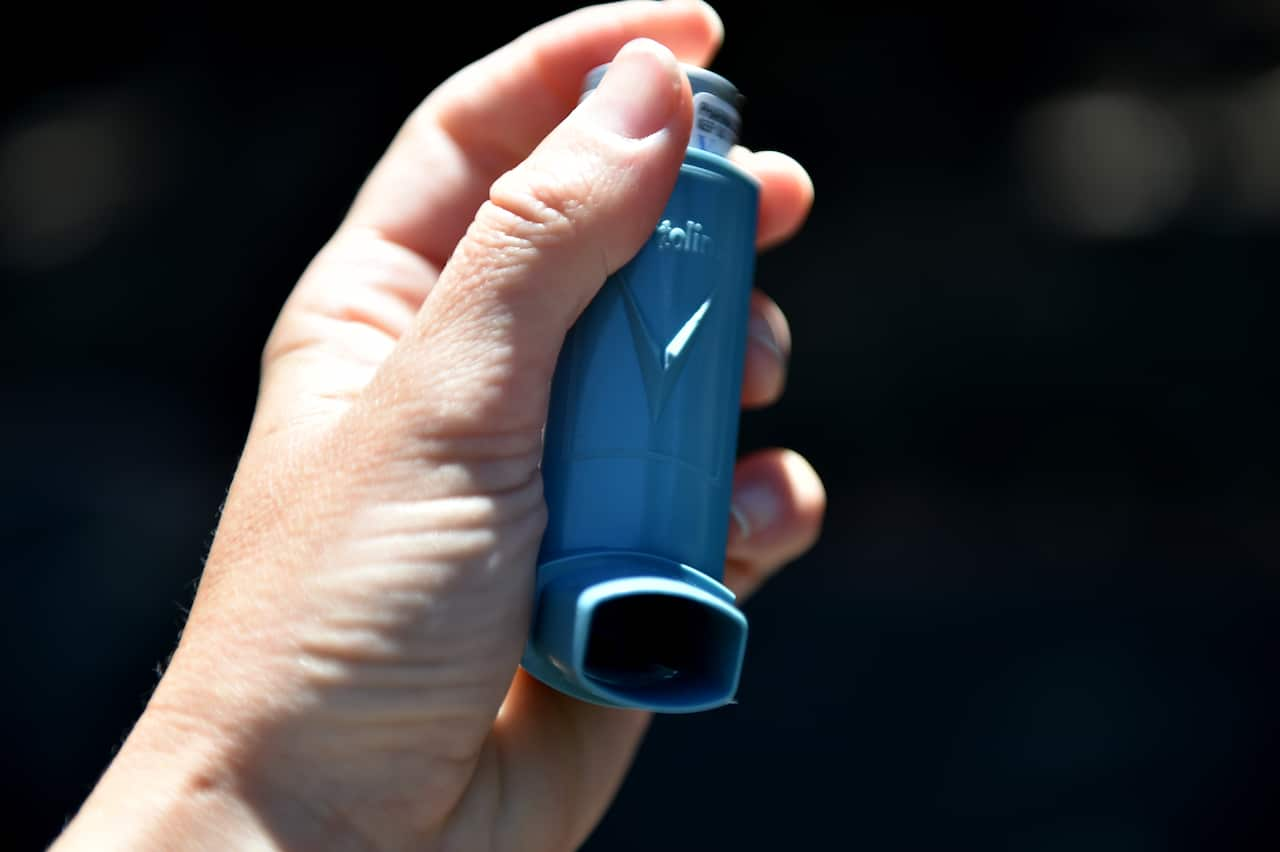 Asthma can cause severe breathing difficulties, raising the potential risks for undiagnosed persons. Source: AAP / Tracey Nearmy
Under certain weather conditions, storm outflows can concentrate grass pollen into smaller particles. When inhaled, those particles can penetrate deeper into the lungs, triggering inflammation and narrowing airways.
“It doesn’t happen often, but if it does happen, it has really deadly consequences,” Yu said.
Melbourne experienced what’s considered the world’s largest recorded epidemic of thunderstorm asthma in November 2016. Thousands of people developed breathing difficulties, placing significant pressure on the city’s emergency services and hospitals.
The event also highlighted the disproportionate impact thunderstorm asthma can have on some migrant communities.
A study published by The Lancet in 2018 found people of Asian or Indian ethnicity were disproportionately impacted, representing 39 per cent of people who attended hospital. Six of the 10 who died were of South or Southeast Asian ethnicity.
READ MORE
Hay fever and asthma can also occur together, and Yu said some people may not realise they have both conditions.
“I’ve had a few patients come in; they didn’t realise they had asthma as well; they thought they just had hay fever.
“But because I checked, I could actually identify they actually have asthma.”
Disclaimer: This article is for general information only and should not be relied on as a substitute for professional medical advice. Readers are advised to consult a qualified health professional for guidance specific to their situation.
This story was produced in collaboration with SBS Thai.
For the latest from SBS News, download our app and subscribe to our newsletter.