
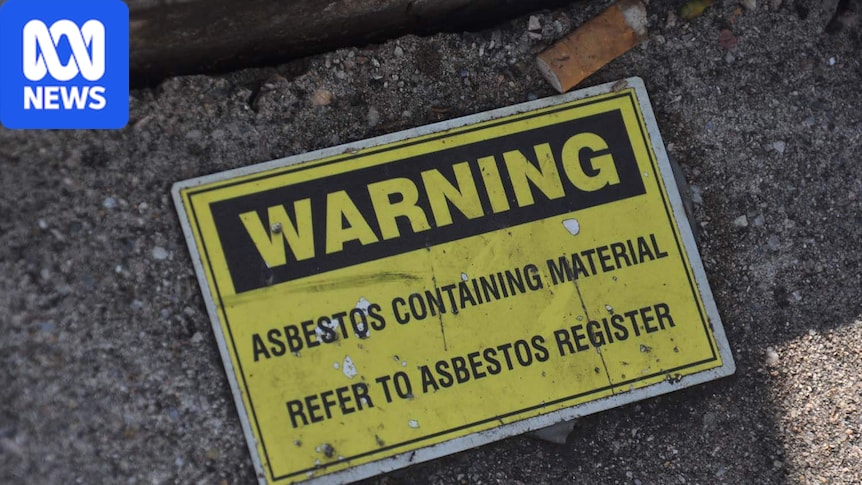
A Mackay grandfather dying from the debilitating disease asbestosis has won Australia’s largest compensation payment on record after being awarded nearly $1.9 million.
Robin Smith, now in his late 70s, developed asbestosis after exposure to dangerous silicate while working as a plumber from the mid-1960s onwards.
He was unwittingly exposed while working for the former Queensland government’s Mackay Harbour Board, now known as the North Queensland Bulk Ports Corporation Limited (NQBP).
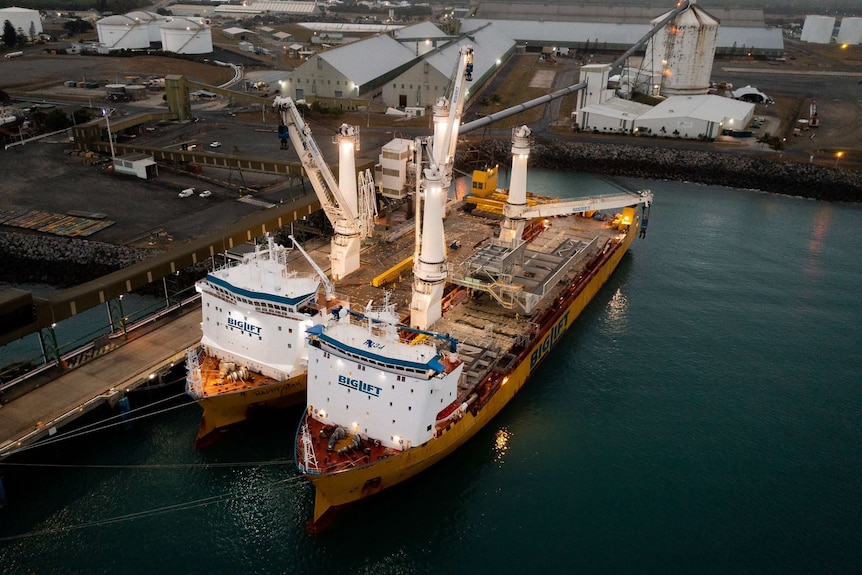
Robin Smith was exposed to asbestos while working as a plumber. (Facebook: North Queensland Bulk Ports Corporation Limited)
As a plumber, his work involved using a demolition saw to cut into asbestos cement pipes when working on the water lines throughout the port, during 1981 and the mid-1990s.
The judgment was the first of its kind in Queensland.
Mr Smith did not want to speak publicly, but through his lawyer, Slater and Gordon’s Sean Sweeney, he said he hoped his win was a “watershed moment” for other victims.
‘Pain and suffering’ critical part of payment
The lawyer said it was significant because $800,000 of the judgment was awarded for “pain and suffering”.
Asbestosis is a chronic lung condition caused by inhaling asbestos fibres. It can take 10 to 60 years to present.
It is a progressive, slow death; there is no cure.
The trial was held August 17–20 this year against Amaca Pty Ltd (previously James Hardie & Coy), North Queensland Bulk Ports Corporation and WorkCover Queensland for Mr Smith’s earlier de-registered employers.
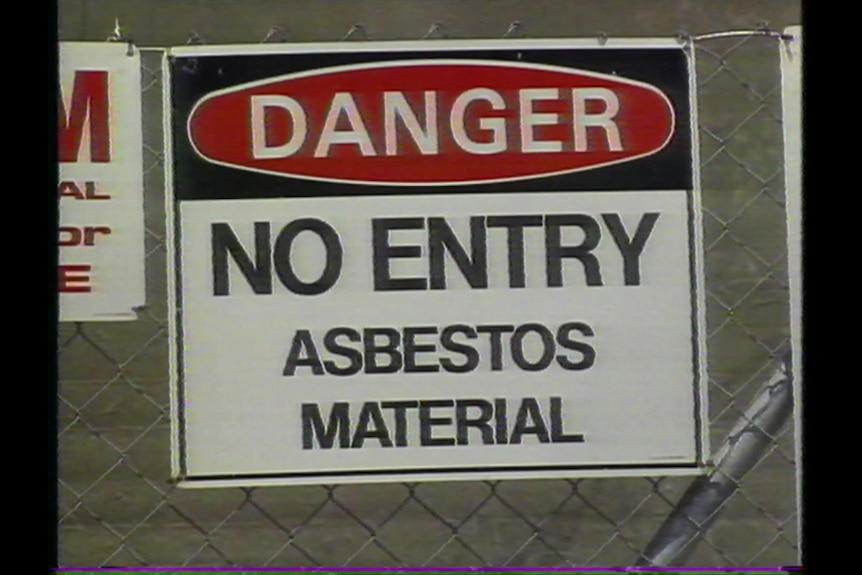
Asbestosis is a chronic lung condition caused by inhaling asbestos fibres. (ABC News)
Experts told the court Mr Smith’s asbestosis was progressive, irreversible and fatal, and his life expectancy was about five to six years.
“Asbestosis is a devastating diagnosis. It’s often a debilitating disease that progresses over a long period of time, taking a devastating toll on victims and their families,” Mr Sweeney said.
“By the time Mr Smith dies from the condition he will have suffered from deteriorating respiratory symptoms for over a decade.
“This judgment serves as a critical reminder about the dangers of asbestos.
“The fact that Mr Smith experienced such extreme asbestos exposure into the 1990s is deeply concerning.”
Separate historic case
Law firm Slater and Gordon had previously won another historic case involving WA man Kim Martin, for issues also related to asbestos, after he contracted mesothelioma, an incurable terminal cancer.
In 2024, the court found Mr Martin had been exposed to asbestos in James Hardie products while working in factories in Western Australia and Queensland in the 1960s and 1970s.
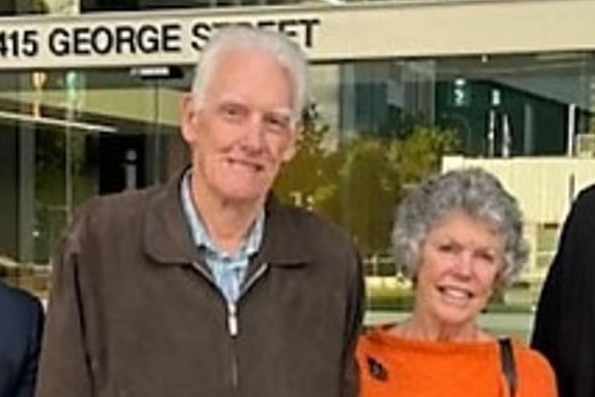
Kim Martin received $1.2 million after developing mesothelioma. (Supplied)
Mr Martin won a payout of $1.2 million, almost $700,000 less than this week’s win for Mr Smith.
As far back as 2018 James Hardie was accused of playing hardball with victims for allegedly not meeting compensation obligations and restricting asbestos payments to dying victims.
According to the Asbestos Safety and Eradication Agency at that time, the number of Australians with asbestos diseases was about 4,000 a year and rising.
Asbestos was banned in Australia two decades ago, but there remains more than six million tonnes of the dangerous material in buildings across the country.
“It keeps the conversation going about the dangers, it is still in our homes and schools,” Mr Smith said.
From home renovations to the uncovering of asbestos in mulch at schools across the country, the once popular product still haunts communities.
In July an area from a WA school was cordoned off due to dangers.
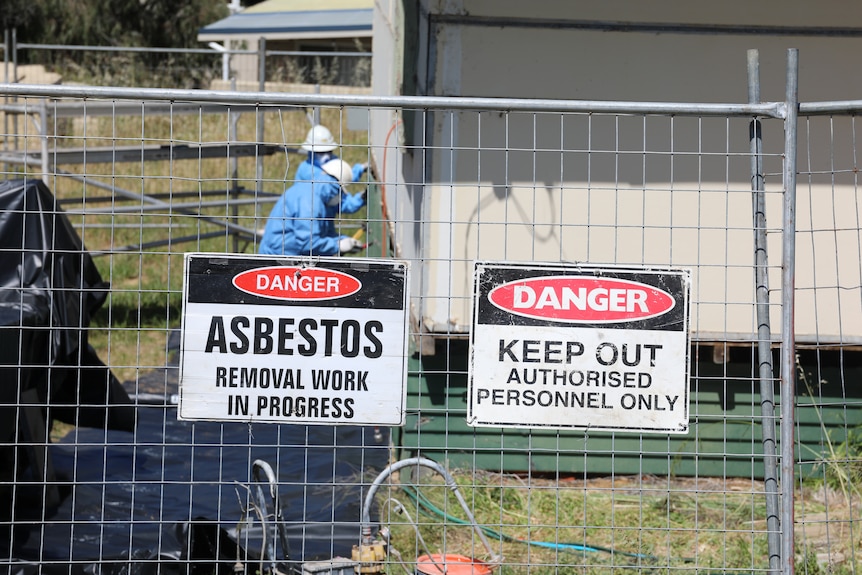
Asbestos was banned in Australia two decades ago. (ABC News: Claire Moodie)
Mr Sweeney said his law firm was now seeing cases related to tradespeople who worked with new asbestos products before they started to be phased out in the 1980s and, more recently through the 1990s and 2000s, others exposed through home renovations.
He stressed it was a legally fraught area due to issues about liability.
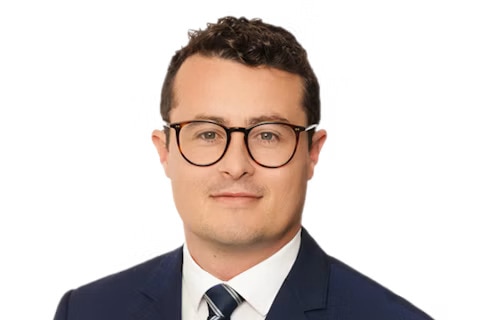
Sean Sweeney (pictured) said Robin Smith’s win was a “watershed moment” for victims. (Supplied)
“Decisions like this latest one can provide guidance for people pursuing compensation and also lawyers working in this space.”
In a statement, Mr Smith’s former employer NQBP said: “First and foremost, our thoughts are with Mr Smith and his family.
“We respect the Supreme Court’s findings but due to the nature of the case and other parties involved it is not appropriate for us to comment in detail,” the statement added.