
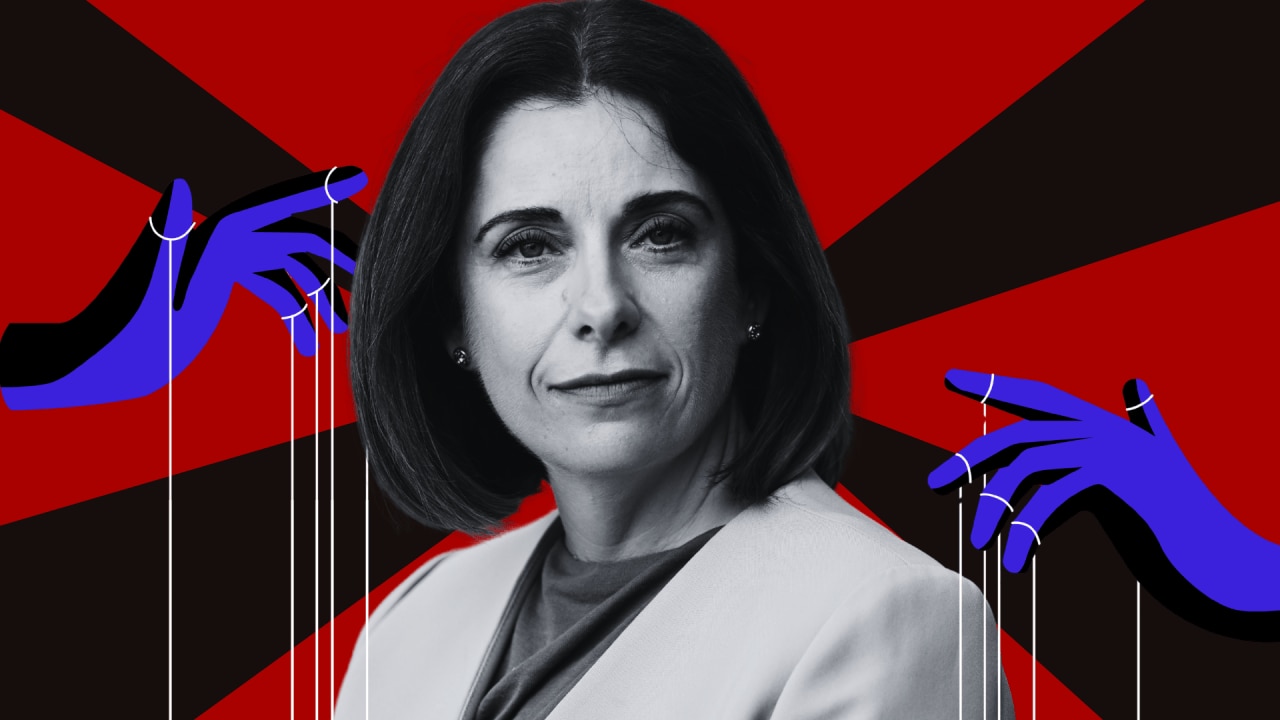
Communications Minister Anika Wells has confirmed the government will strip powers to decide what constitutes new forms of “serious harm” online from its proposed internet laws.
Ms Wells has conceded the controversial ministerial powers will instead require legislative changes through parliament.
In an excerpt of her speech to the National Press Club on Thursday, Ms Wells says she has removed the rule-making power from the Digital Duty of Care bill.
It comes following concerns about free speech raised during consultation on the exposure draft.
“In response to concerns we heard during the exposure draft consultation… we have removed the ministerial rule-making power to define new harms,” Ms Wells will say.
“New harms can be added by parliament through legislative amendment, with the legislation introduced to parliament (on Thursday morning).”
News24.com.au previously revealed Ms Wells was preparing to abandon the power after the Coalition, Greens and One Nation raised concerns about the draft laws.
The opposition and crossbench warned the proposed legislation had given the Communications Minister too much discretion over harmful content online.
News24.com.au also recently surveyed voters on the Digital Duty of Care laws, with roughly half of respondents uncomfortable about the ministerial powers.
Twenty per cent said there was “too much power with the Minister for Communications to determine what is harmful content”.
Another 28 per cent said the law was needed but the Communications Minister should not have that power.
By comparison, 42 per cent backed the proposition that “the law is needed to make sure there is no harmful content online”, while 10 per cent did not have a view.
Ms Wells had previously acknowledged that under the proposed laws, she would have ultimately determined what constituted a new serious harm.
The revised approach will instead require government to introduce legislation to parliament whenever it seeks to add new categories of harm.
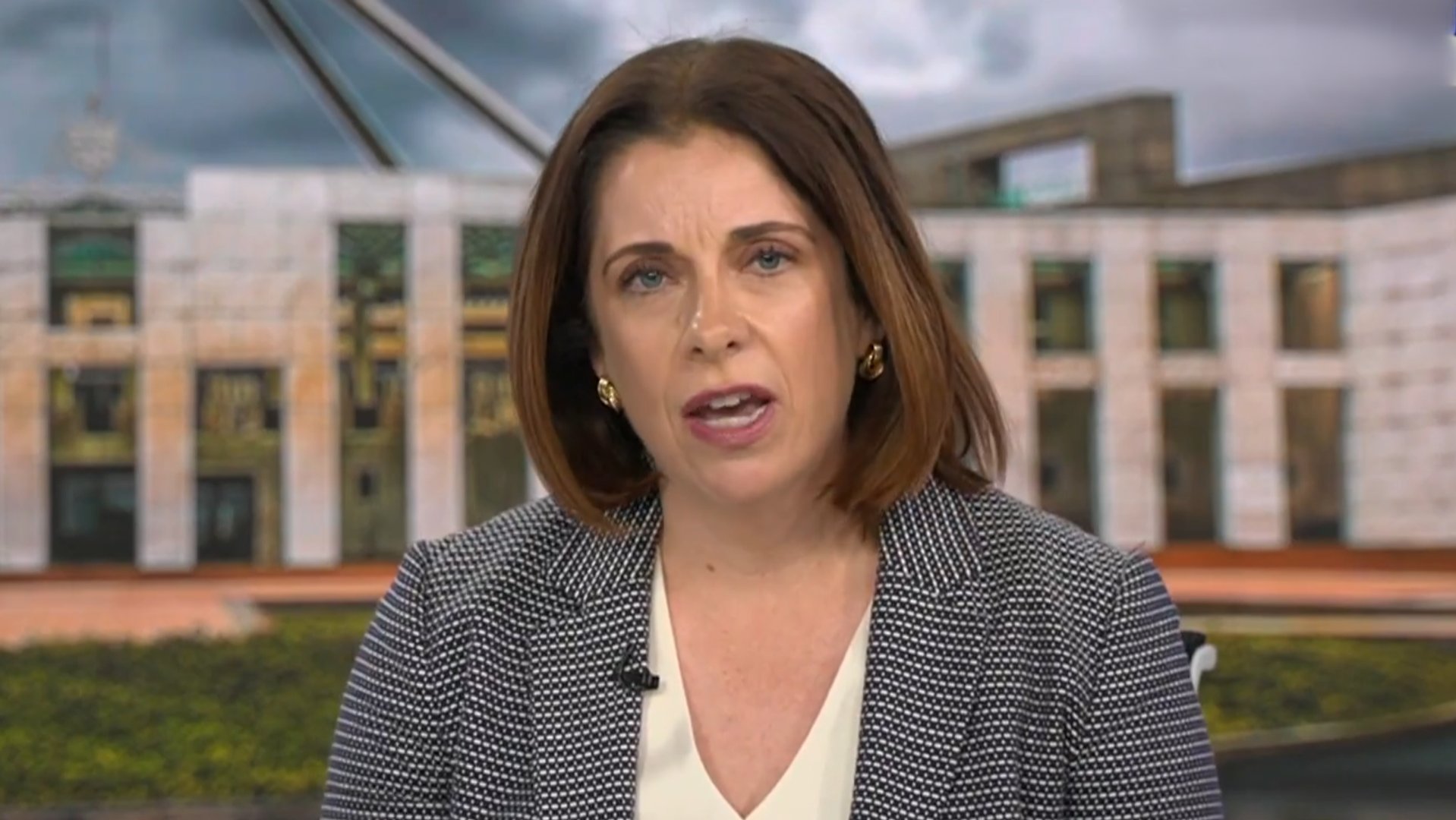
In her National Press Club address, Ms Wells will frame the legislation as a question of whether major technology companies were acting in the interests of families and kids.
“Do you really think that Big Tech is on the side of worried parents and vulnerable kids… or are they on the side of their shareholders?” she will say.
Ms Wells argues the online services should face basic safety standards comparable to those imposed on other industries.
“Australia’s Digital Duty of Care will set basic safety standards for the online services we use every day, just like we have in every other industry,” she will say.
“We must shift the burden from the shoulders of victims to the companies that are creating the environments where harms occur.
“The core of the duty is to provide a safe online environment, where all Australians are protected from seriously harmful and illegal content.”
She says under-18s will receive additional protections against content and features deemed harmful to young people.
These include material promoting eating disorders, glorifying crime or dangerous stunts, pornography, sexist content and abuse or bullying.
The legislation also includes provisions intended to give social media users greater control over what appears in their feeds.
Under the “My Feed, My Way” proposal, social media platforms will have to provide social media users power to opt in or out of the algorithm.
“If someone wants their feed filled with friends and creators they follow, the social media platforms must give them that choice,” Ms Wells said.
The Communications Minister also confirmed the final bill would include an exemption for professional news material to report on prohibited content.