
6 photos
Photo: Bogdan Popa/autoevolution
I really don’t think we needed a study to figure this out, but new research conducted by an Australian university highlights the ugly truth. People use Waze to avoid speeding tickets and escape unpunished when they go over the limit.
The University of the Sunshine Coast Research published a new paper to explain that navigation apps that include a crowdsourcing component eventually do more harm than good. The reason is simple: they help speeding drivers dodge tickets.
University of the Sunshine Coast Research Associate Dr. Levi Anderson said applications like Waze only “provide a short-term, localised benefit in reducing speeds and crash risks at particular sites for limited times.”
This is because an alert appearing on Waze makes people slow down, but most drivers end up speeding again after they go past the location where the alert was pinned. More specifically, when a driver running Waze receives an alert that a speed trap was reported ahead, he slows down until he goes past the speed trap and then accelerates, going over the limit again and, therefore, dodging a potential speeding ticket.
The University representative also said that Waze is a “long-term detriment to road safety,” as drivers rely on the data it offers to speed.

Photo: Dendermonde police department
So what exactly did the researchers discover during the study?
First, the researchers used a laser device specifically to measure the speed of incoming vehicles before and after getting a Waze alert. The test was conducted in multiple locations, including on the highway, as the purpose was to figure out where drivers tend to rely on Waze data the most.
The laser speed measurement device was used to clock the speed of over 9,000 vehicles in industrial areas, school zones, residential streets, and highways.
The results speak for themselves.

Photo: Dendermonde police department
When driving on a road with a 100 kph speed limit (that’s around 62 mph for our American friends), the number of vehicles going over the limit drops from 64% to no more, no less than 12% after getting an alert on Waze.
This means that out of all cars driving on the road when the test was conducted, 64% were going faster than the limit. When Waze issued a notification, the percentage fell dramatically, as drivers tried to avoid the speeding ticket.
Unfortunately, the same thing happens in those places where speeding is even more dangerous.
Case in point, school zones. In this case, while drivers are speeding, they don’t seem to react to Waze alerts as fast and as responsively as they do when they see a police alert. The drop in the number of people speeding in a school zone is concerning – from 64.3% to 38.5%.
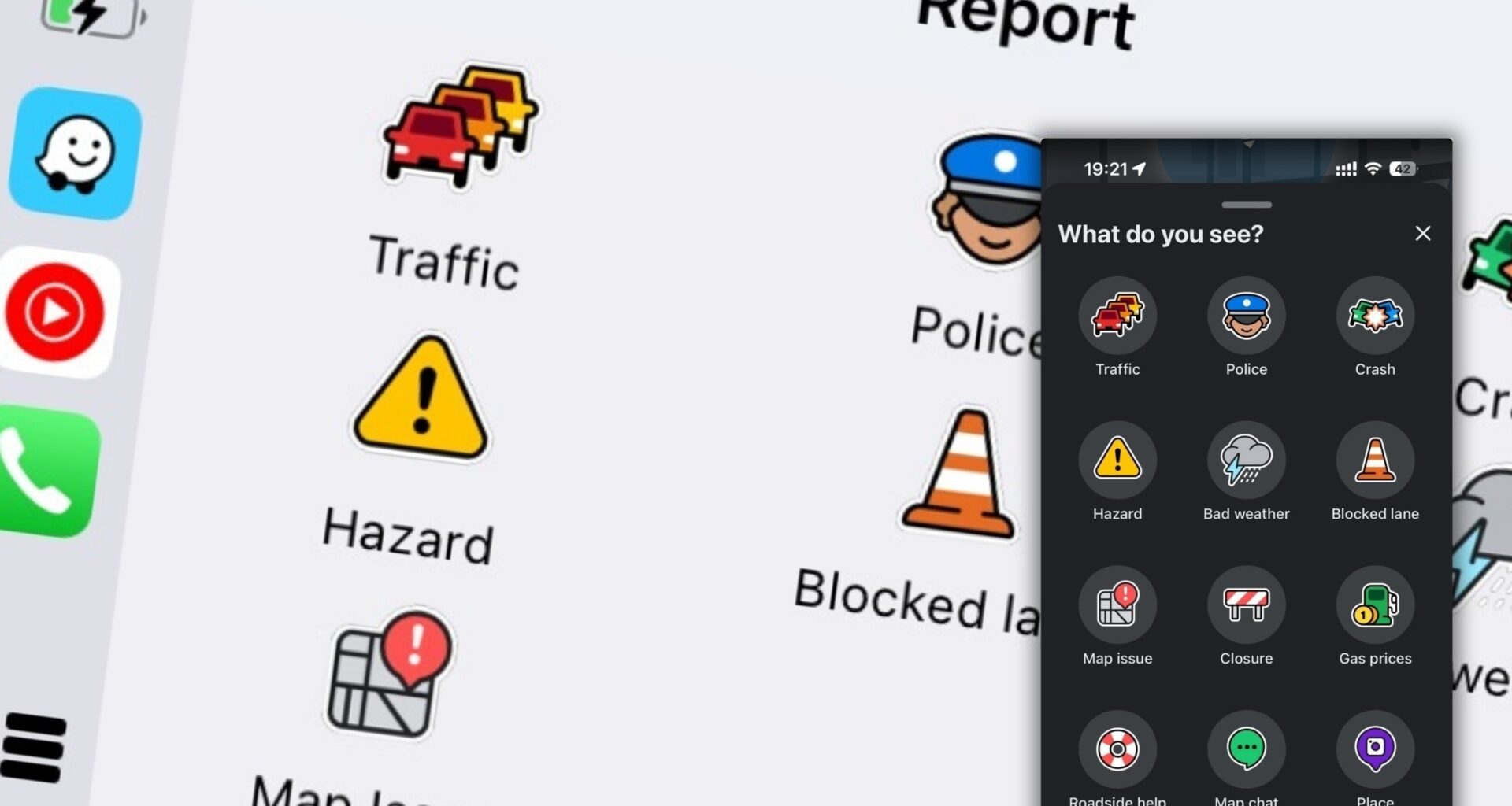
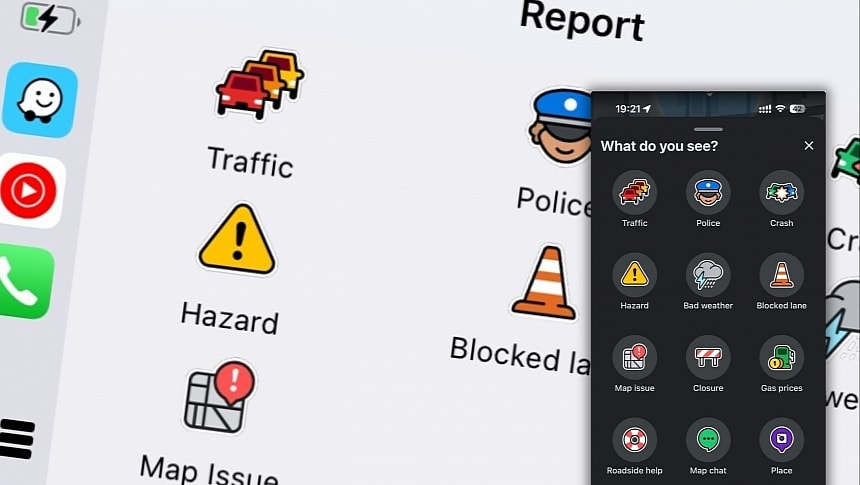
Waze’s crowdsourcing component relies on a gigantic user base. Drivers on the road run the app to send reports about what happens on the road. Waze supports a wide variety of traffic reports, including multiple types of speed traps, broken traffic lights, accidents, blocked lanes, roadworks, flooded roads, and objects on the road.
When a user sends a traffic report, Waze receives the data and generates an alert for the rest of the users whose routes include the flagged location. In the case of speed traps, a user can pin the police car on the map, with everybody else then getting a notification on the screen. Waze also prompts users to confirm the existence of a traffic report.
The study reveals that a speed trap appears on Waze after only 14 minutes. This means that once a police car stops on the side of the road to install a speed radar, Waze needs just 14 minutes (that’s on average, because the time could be significantly lower depending on the Waze user base at the time of speed enforcement) to start showing alerts to other drivers in the region.

Photo: Dendermonde police department
The only solution, the study shows, is to rely on “shorter, geographically dispersed deployments” for speed traps. In plain English, this means that police should set up speed traps in a specific region and move to another in the 14-minute window. Obviously, this is highly inconvenient for police officers in the first place, but this is the only way to avoid the Waze reports.
So why did some people not slow down during the test? The reasons are unclear, but the researchers believe that either they weren’t using Waze in their cars or they were going only a few miles per hour over the speed limit, therefore dodging a speeding ticket and only getting a warning.
Waze is not the only application that supports crowdsourced traffic reports, with Google Maps also offering similar functionality and even importing police reports from Waze. Waze is available on most platforms, including Android, iPhone, Android Auto, and CarPlay. Like Google Maps (Waze is also owned by Google), Waze is free for everybody, no matter where you install it.