
SammyGuru is reader-supported. We have affiliate and sponsored partnerships, so we may earn a commission when you buy through links on our site, at no extra cost to you. Posts may contain sponsored or affiliate link placements. Learn more.
October 19, 2026 • 6 min read
Add as preferred sourceAdd SammyGuru as a preferred source and Google shows more of our articles in Top Stories when we have fresh coverage of what you search for. You still see other sites, and you can change your picks at any time.Follow on Google Discover
Apple never seems like a company in a hurry. It enjoys outsize profits from its outsize market share of smartphones, and its customers tend to be some of the most loyal among brands both inside and outside the consumer electronics industry. It often waits years to adopt new features in its flagship products, and it plays it especially safe with its flagship iPhone lineup in particular. As the aphorism goes, if it ain’t broke, don’t fix it.
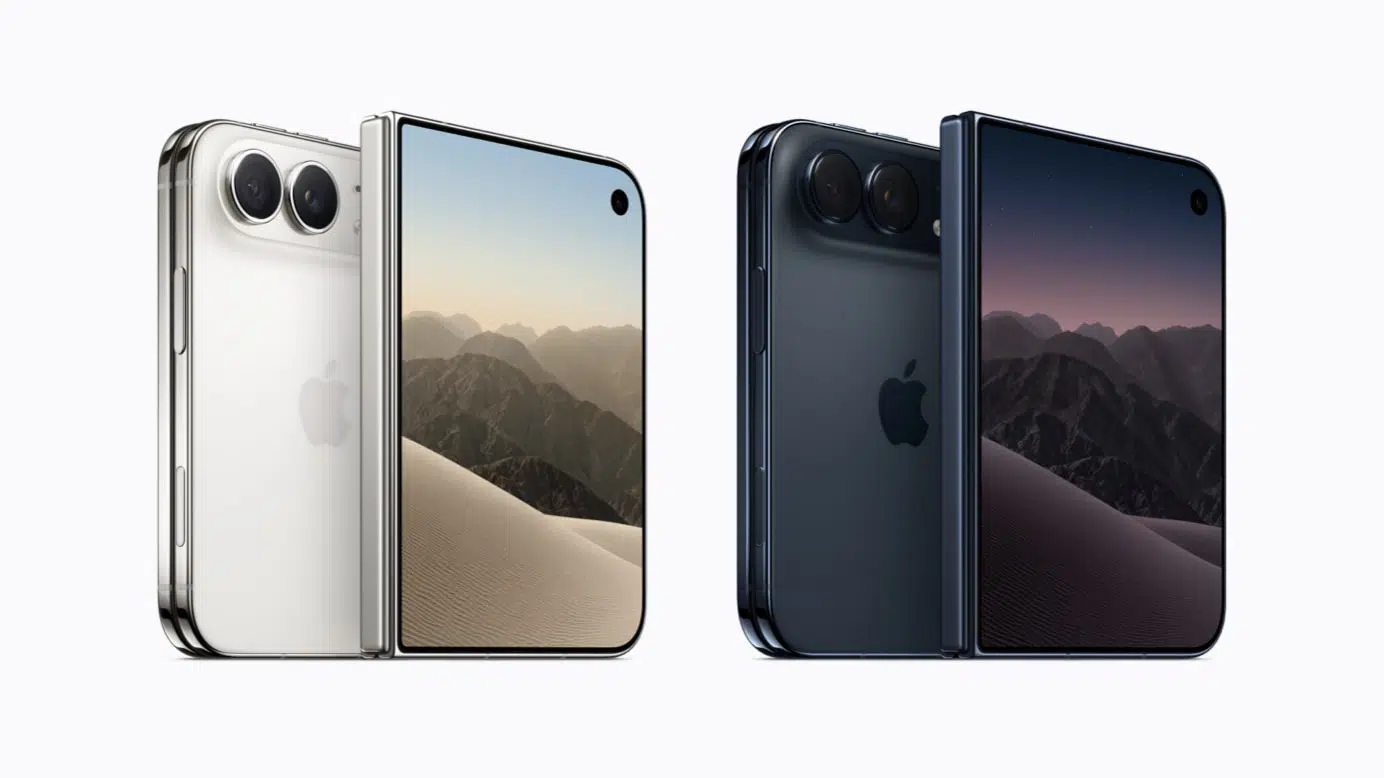
Samsung released its first foldable phone in 2019, and while the form factor gradually made its way into nearly every OEM’s lineup, Apple was content sitting on the sidelines for seven years. It was, of course, researching the technology, reportedly finding a number of drawbacks that it felt it needed to overcome before it was worthy of getting stamped with the Apple logo.
12 days left
SammyGuru October 2026 Giveaway
Smartwatch of your choice, up to $499
4,542 entries so far.
This patient approach to a new mobile paradigm that clearly interested its customer base was a very Apple thing to do. But it made it all the more puzzling, then, that the company chose to begin selling its first foldable before it had enough supply on hand to satisfy even a fraction of its voracious — and vocal — community of users.
The iPhone Duo went up for global preorder this past Friday, and the overarching narrative is that it only took minutes for ship dates to slip from the October 23 release to November, December, and finally January of next year. As the well-sourced Apple journalist Mark Gurman observed, some users will not be getting their Duos until its sequel is only three quarters away.
🎁 SammyGuru Rewards
Buying a new Galaxy foldable? It comes with free Bonus Gear
Buy your Z Fold 8 or Z Flip 8 through SammyGuru and US members get free Bonus Gear for it: real accessories matched to your device, plus Guru Points for visiting, posting and buying through us, and a hand-picked wallpaper free every week. Joining is free.
Who was Apple launching the Duo for?
Before we get into an analysis of the prudence of Apple’s launch timeline, it helps to identify the relevant stakeholders in order to determine where their interests align or diverge. Besides the company itself and its eager users, Apple also has a rich network of enterprise customers — think mobile carriers and big-box retailers — whose fortunes are significantly affected by new iPhones’ holiday season performance.
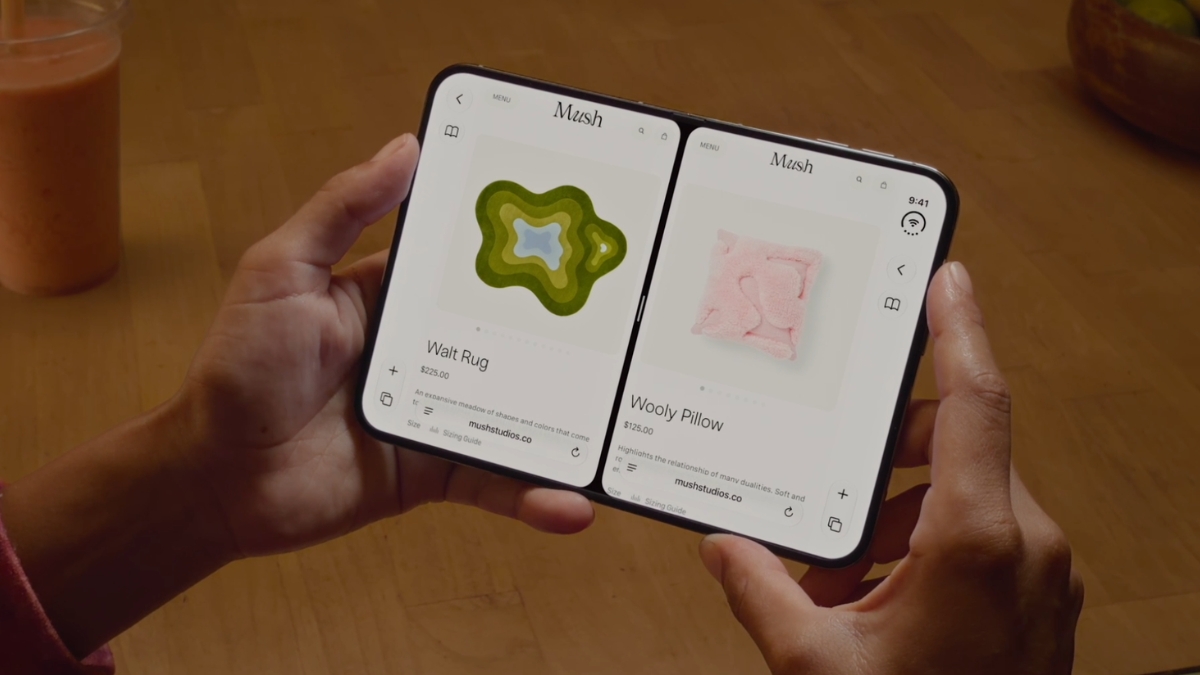
And it’s perhaps this latter group that Apple most sought to appease vis-à-vis the Duo’s tumultuous launch timetable, even as doing so may have proven detrimental to its individual users and even the company itself.
Why scarcity didn’t help this time
Conventional wisdom dictates that Apple can only benefit from demand for a new iPhone outstripping supply; perceived shortages generate buzz, which drives long term sales, the thinking goes. But that argument ignores the fact that Apple has both started to bifurcate its iPhone release cycle — saving the non-Pros, the “e” models, and potentially the iPhone Airs for a spring release — as well as offering its Pro and Pro Max variants a critical month prior to the Duo release.
Indeed, some reports on early sales of the 18 Pro series have indicated that demand is somewhat soft for those two models, which is at least partly attributable to customers eschewing them in favor of waiting only a month for the Duo.
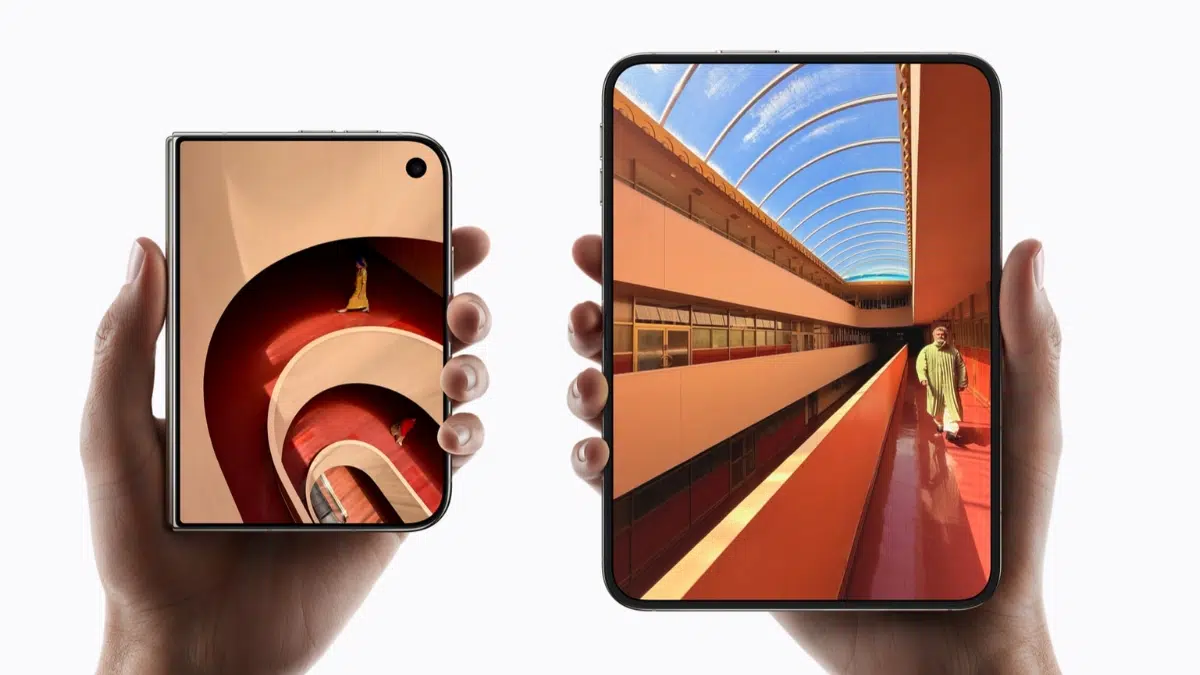
Unfortunately for both Apple and those who decided to forgo the 18 Pro launch, many people who waited for the Duo ended up with no new iPhone at all. Some folks are surely fine with the months-long wait. Others may decide to settle for an 18 Pro or Pro Max to achieve more immediate gratification.
But still others — it’s impossible to know how many at this point — may switch platforms completely, letting Samsung, Google, Motorola, or others sell them an Android-powered foldable. OEMs like Samsung may have even foreseen this dynamic many months ago, perhaps contributing to their eagerness to ape the hard-to-get iPhone’s basic form factor and aspect ratio.
The case for a spring launch
Truthfully, I suspect most iPhone owners are locked into the platform tightly enough that any benefit to Android foldable sales — at least from disenchanted iOS stalwarts — will be somewhat modest. Yet no matter how you look at it, Apple left some money on the table by generating hype for a device it could not deliver in sufficient quantities.
“Apple left some money on the table by generating hype for a device it could not deliver in sufficient quantities
With that in mind, it seems like the company would have been better off delaying the Duo release until spring. Not only would that have given the company time to build up a considerably more robust launch supply, but it would also have put the Duo up against a less-expensive iPhone lineup which would be less likely to cannibalize sales of its much more profitable foldable.
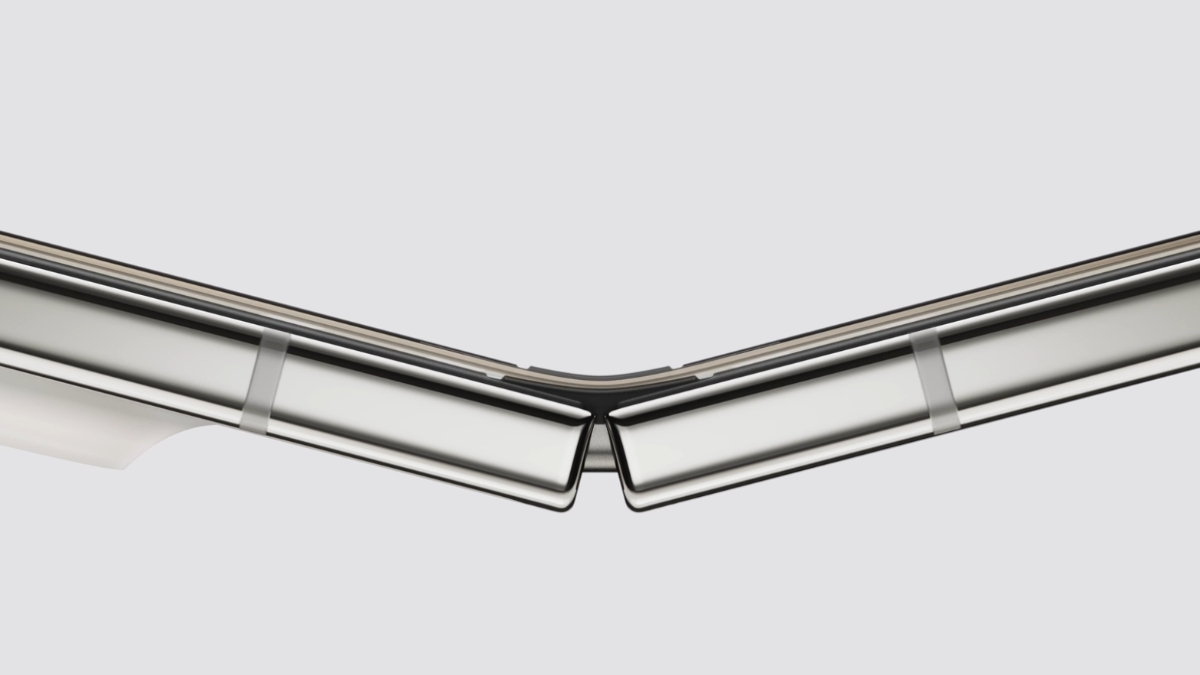
In other words, both Apple and its users would seem to have benefited from a slightly delayed launch. But, alas, the Verizons, AT&Ts, and Best Buys of the world would not have been at all keen to see a flagship iPhone — the most expensive one ever — completely miss the critical holiday shopping season by nearly half a year.
Not only would they fail to maximize the Duo’s halo potential during their busiest quarter, but they would also very likely face less of a demand for Apple’s other iPhones as customers held out for a spring Duo launch.
Lessons for the Duo sequel
Hindsight is 20/20, of course, and it’s easy to make these recommendations knowing how reputationally damaging the fall launch ended up being. At the same time, none of this could have come as much of a surprise to Apple, given how fully aware the company must have been that relatively low manufacturing yields and a global launch right out of the gate would lead to extreme imbalances between demand and supply.
Will the company course-correct going forward, tweaking its release strategy yet again as it accumulates and analyzes more data about the effects of a two-track, dual-flagship fall release? It’s hard to say, but I would not be at all surprised to see Apple much better prepared for the Duo sequel’s release. It’s once again time to think different.
From the community
How long would you wait for a foldable before buying something else?
Delayed ship dates test patience fast. Tell us what your personal cutoff is and which phone you would grab instead.

Written by
Evan Blass is a writer, editor, and reporter. He’s written for Engadget, Pocketnow, and VentureBeat, along with several other publications. He’s also widely regarded as the greatest phone leaker of all time.