
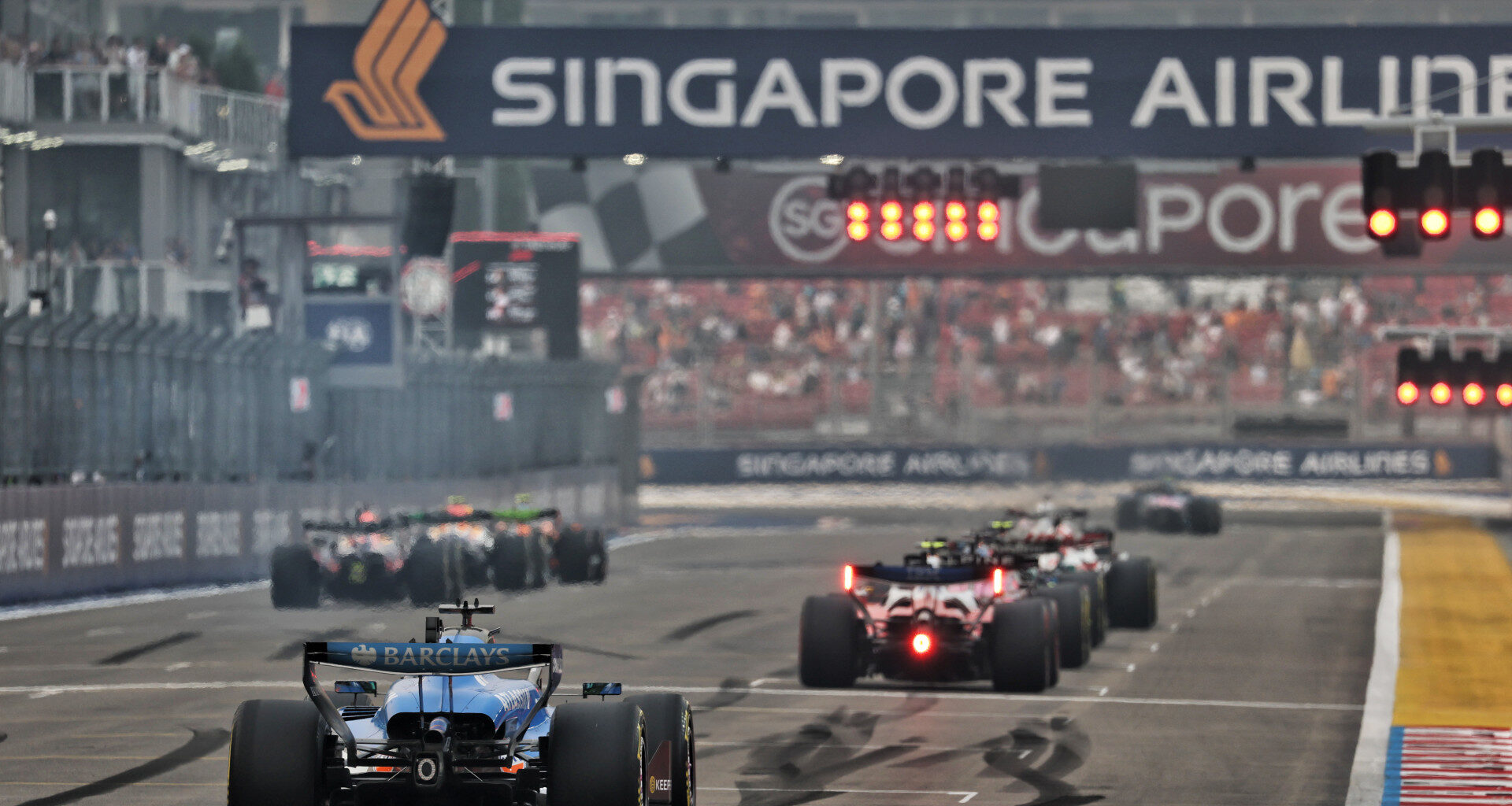
 The FIA is clamping down on F1 staff usage in cost cap changes in 2027. Image: XPB Images
The measures, endorsed by the FIA’s World Motor Sport Council, are intended to ensure that work benefiting an F1 team is not carried out elsewhere within its wider organisation without being properly accounted for under the cost cap.
They form part of a broader set of regulatory updates for next season, which also includes a confirmation of shorter grand prix distances and an extension of the allowances for power unit components.
The spending restrictions will be particularly relevant to teams that operate technology or engineering divisions beyond F1, with those departments often pursuing projects in other forms of motorsport or industries.
Previously, the FIA had introduced controls governing intellectual property transfers and the costs assigned to employees working across different activities.
However, according to The Race, concerns have remained that the close proximity of staff working on separate projects could allow expertise to reach a team’s F1 operation without being captured by its spending limits.
Under the 2027 operational regulations, teams must establish clearly controlled workspaces for their F1 personnel, separate from areas used by employees on unrelated projects.
The Race added that electronic entry systems will be required to manage access to restricted areas, while records must be retained for three years for potential FIA inspection.
F1 and non-F1 employees will still be able to use communal areas such as canteens and car parks, but will not be permitted to carry out their work there.
Other facilities, including wind tunnels and simulators, can be shared only when the two groups use them separately, while their computer systems and communications must also remain isolated.
Personnel transfers are another target, with the FIA seeking to stop teams from shifting employees between departments to work around spending restrictions.
Staff moving from non-F1 divisions into a team will have to spend three months away from both operations before taking up their new roles, followed by at least 12 months working exclusively in F1.
Those transferring out of F1 will face similar restrictions on their duties, along with changes to their contracts and IT access. Their salary must also count towards the cost cap for the year in which they leave.
The changes are intended to prevent work conducted elsewhere within an organisation from providing unaccounted-for benefits to its F1 team, and could force some outfits to rethink how their facilities and departments operate.
Separate changes to the sporting regulations will see most grands prix reduced from 305 kilometres to 290 kilometres in 2027, before the usual distance returns in 2028, with only Monaco’s 260-kilometre race remaining unchanged.
The temporary cut, which was first announced last month, has been introduced because F1 is adjusting the division of power supplied by its hybrid engines, increasing the reliance on the internal combustion engine and reducing the contribution from the electrical system.
The combustion engine’s share of output will rise from 53 percent this year to 58 percent in 2027, with 60 percent planned for 2028.
Alongside the revised balance, greater fuel flow is being permitted, creating the possibility that cars would need to carry additional fuel to complete races at their present length.
The shorter distance is intended to spare teams from making immediate major changes to fuel tank capacity and car design, although the longer races scheduled for 2028 will again bring those considerations into focus.
The FIA has also confirmed that drivers can continue using an additional example of each permitted power unit component in 2027 and 2028, extending a concession initially scheduled to apply only during the first season of F1’s latest engine regulations.