
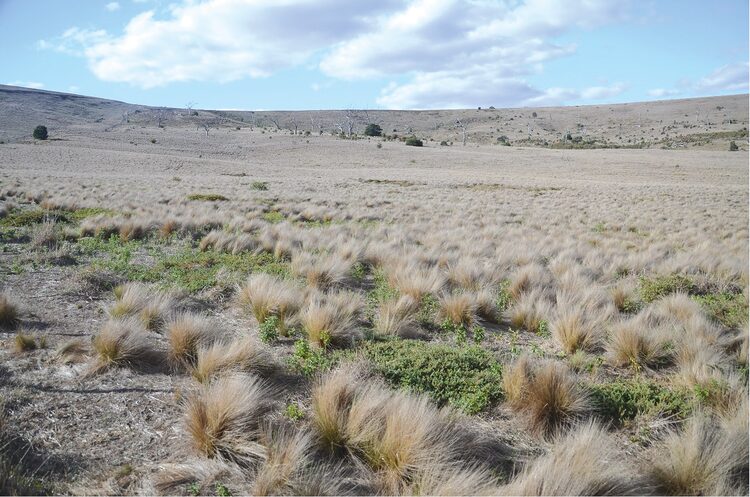
The Victorian Serrated Tussock Working Party (VSTWP) is urging landholders across East Gippsland and regional Victoria to take immediate action against serrated tussock before the invasive weed enters its annual seeding period.
With serrated tussock typically flowering and setting seed during late spring and early summer, October and November present a vital opportunity for primary producers to identify infestations, undertake control works and remove developing seed heads before they mature and disperse.
Serrated tussock (Nassella trichotoma) remains one of the state’s most damaging agricultural weeds, drastically reducing pasture carrying capacity, threatening native biodiversity, and creating heavy ongoing management costs for farming businesses.
VSTWP chair Lance Jennison said the coming weeks represent a crucial window for landholders to control plants before they contribute to the existing soil seed bank.
“Every serrated tussock plant that is allowed to set seed has the potential to create problems for years to come. A single mature plant can produce tens of thousands of seeds, which can be carried considerable distances by wind,” Mr Jennison said.
“Now is the time for landholders to inspect their paddocks, roadsides and property boundaries, identify serrated tussock plants and take action before those seed heads mature.”
The working party is encouraging landholders to prioritize the removal of seed heads from isolated plants and smaller outbreaks, where preventing seed production makes a significant difference to long-term containment.
Where seed heads have already developed, authorities recommend carefully removing and securely bagging them to prevent wind dispersal, followed by appropriate spot-spraying, grubbing, or pasture renovation.
“Removing seed heads before they release viable seed is an important preventative measure, particularly where immediate treatment of the entire infestation isn’t possible,” Mr Jennison said.
“However, removing seed heads alone won’t kill the plant. Landholders need to follow up with effective control measures to prevent regrowth and future seed production.”
Identifying serrated tussock can be difficult among non-target native grasses, particularly before its distinctive purple-tinged flowering heads develop and mature into golden
seed heads.
“Managing serrated tussock is a shared responsibility. When one property allows plants to set seed, neighbouring properties and surrounding landscapes can be affected,” Mr Jennison said.
Identification guides and landholder management resources are available online via www.serratedtussock.com.