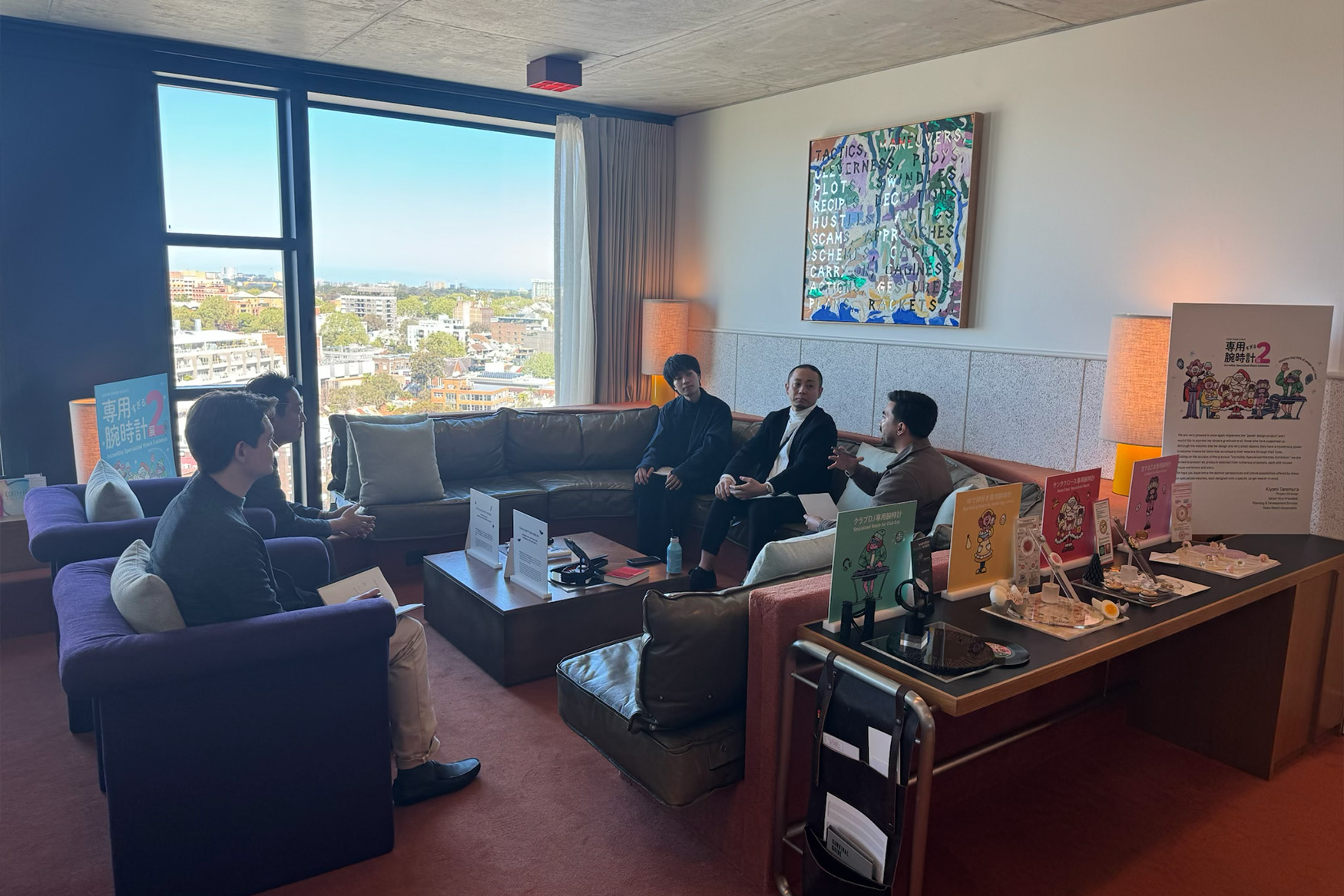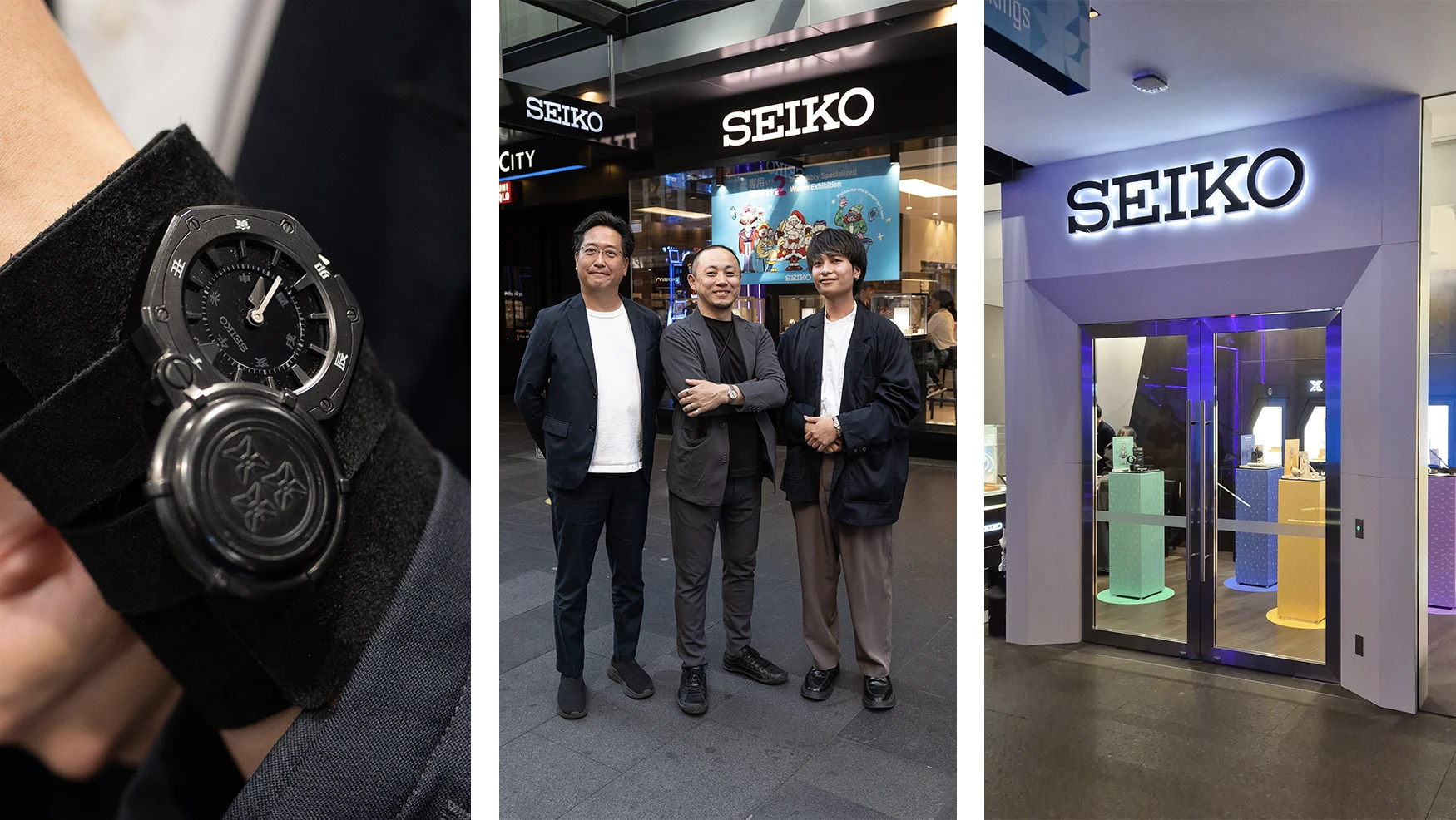
Within Seiko’s design studios, horology and conceptual expression coexist in seamless harmony. On one end stands Yu Ishihara, the visionary behind the Grand Seiko Kodo Constant-force Tourbillon, which won the prestigious Chronometry Prize at the 2022 Grand Prix d’Horlogerie de Genève.

On the other is Yuya Suganuma, who orchestrates the evolving visual vocabulary of the modern Seiko 5 Sports line. When both creators step away from production benches to participate in Seiko’s Power Design Project, conventional rules give way to pure imagination.
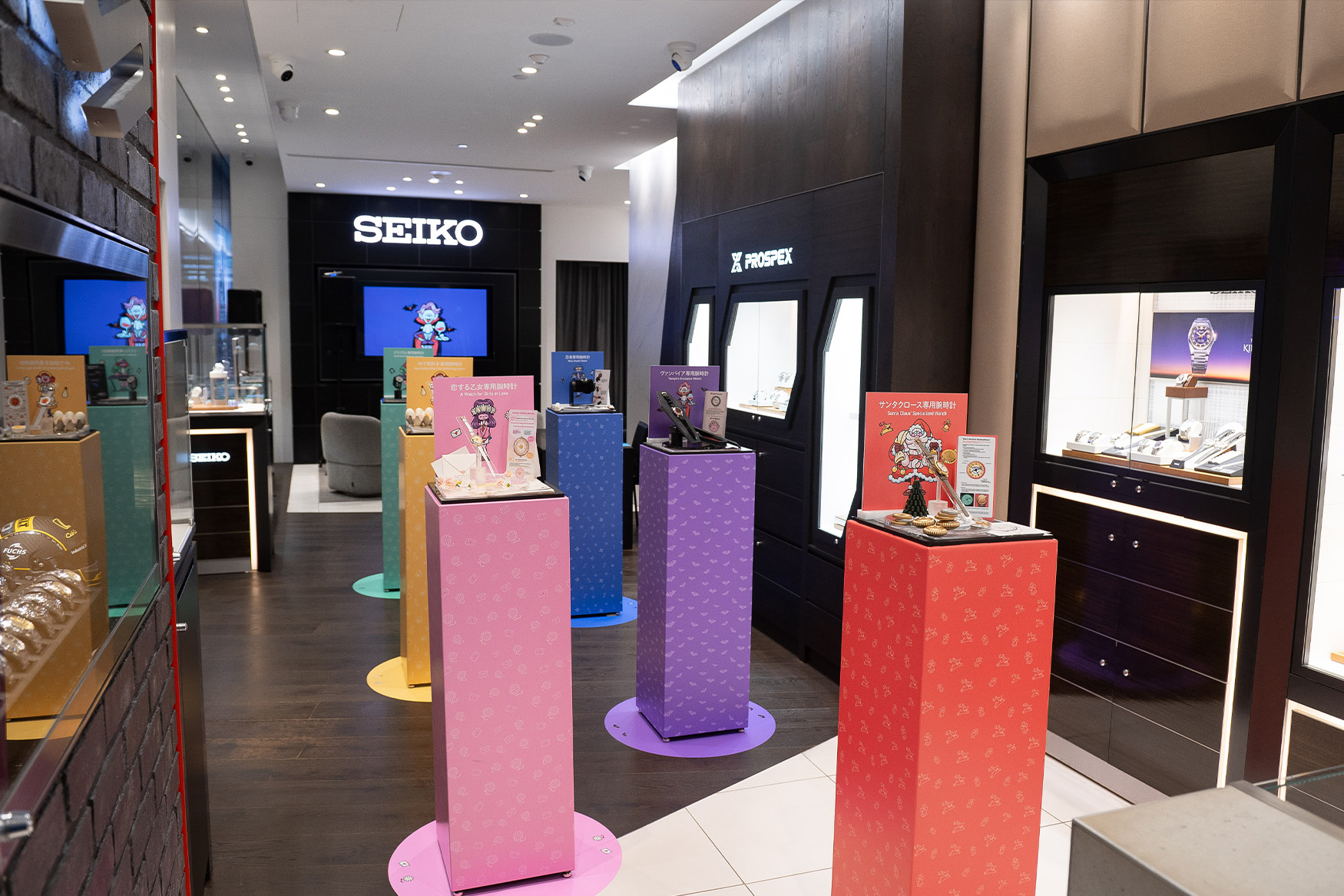
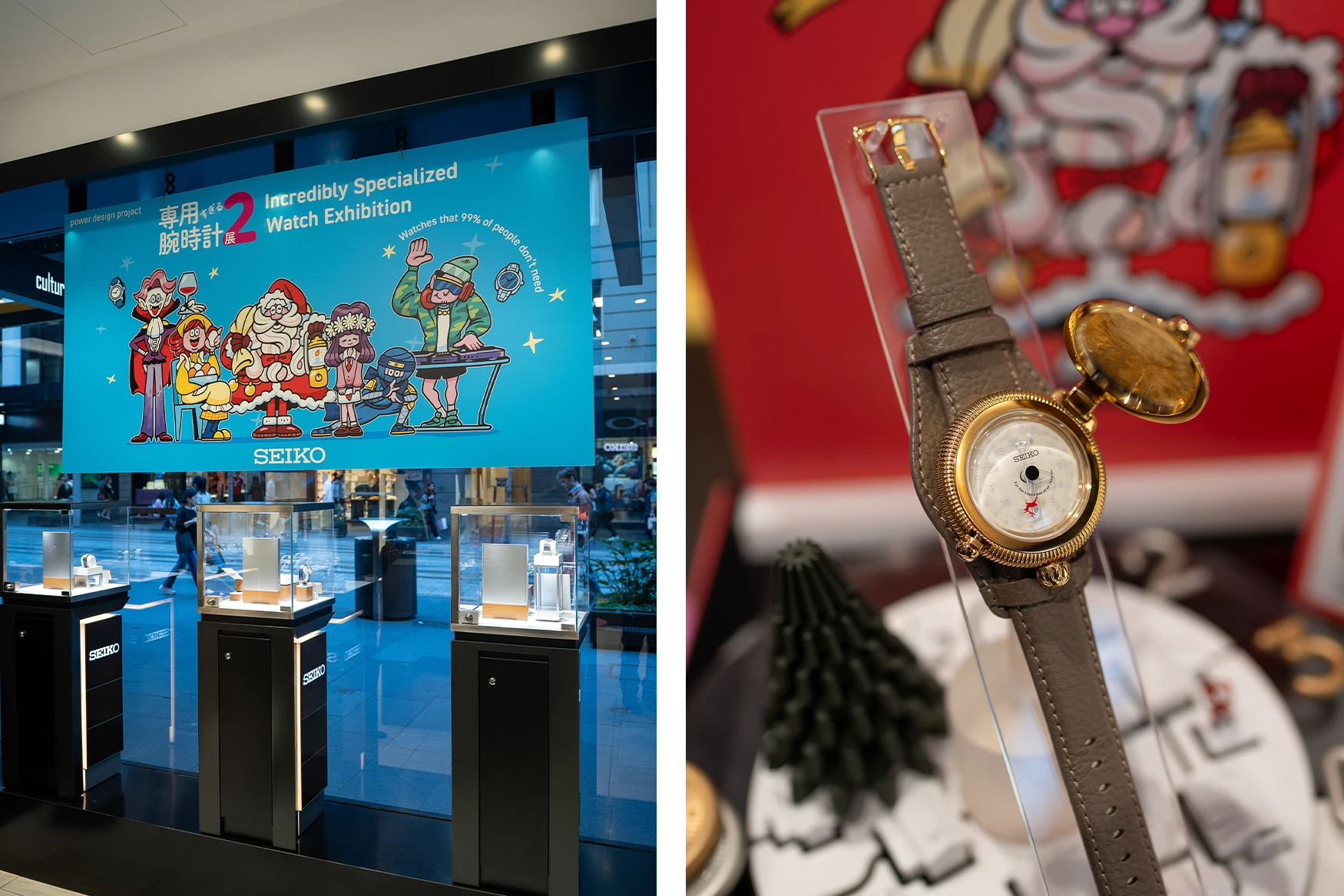
Originally established in 2001 under the direction of industrial designer Naoto Fukasawa, the Seiko Power Design Project began as an internal incubator designed to liberate in-house creatives from conventional commercial and manufacturing limitations. Following an extended hiatus after 2009, Seiko revived the initiative in 2022 as an annual experimental exhibition, creating an open laboratory where designers are granted total creative freedom to challenge traditional timekeeping.
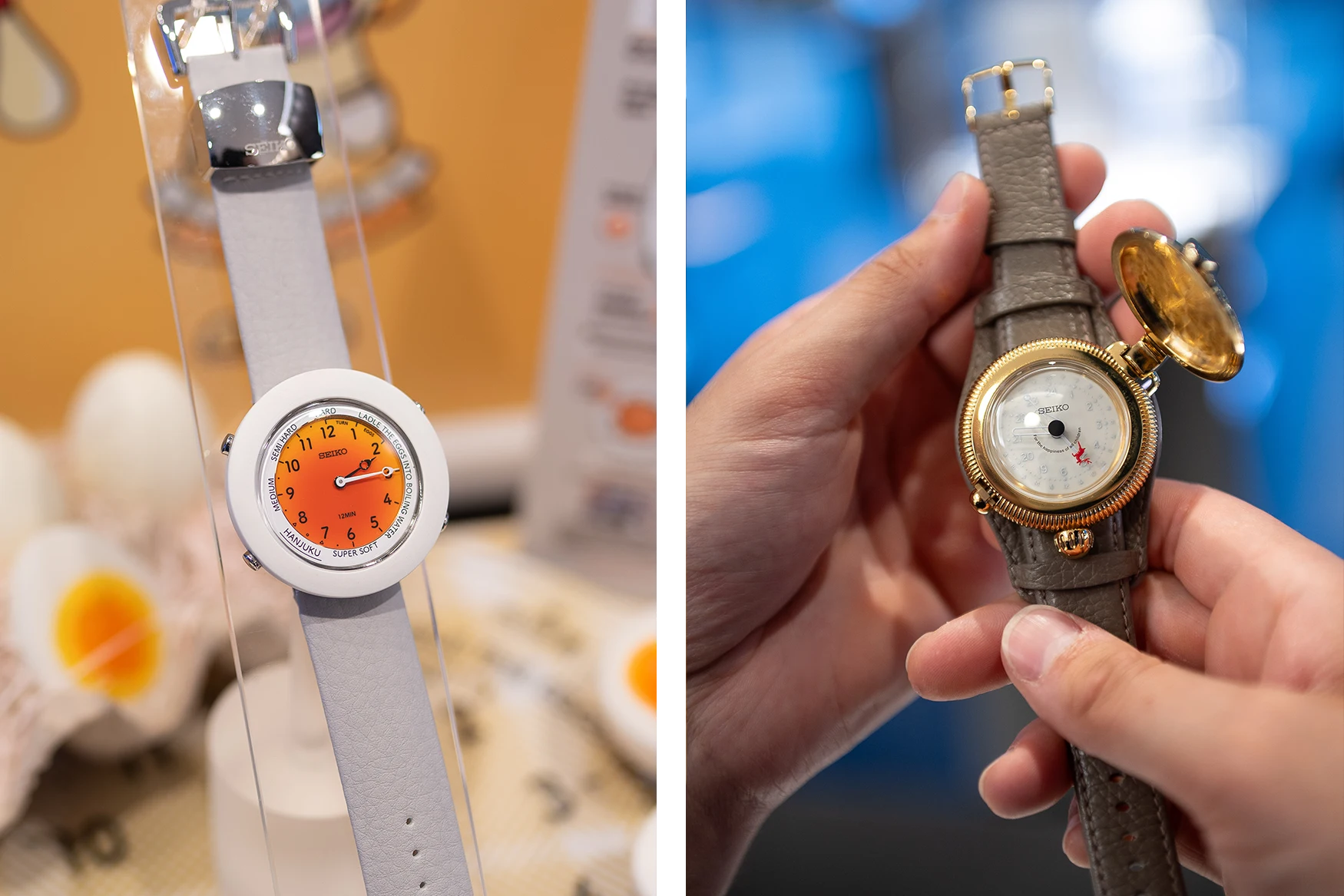
The theme for this latest iteration was to produce “Incredibly Specialized” watches, leading to mind-bogglingly creative designs ranging from watches for ninjas to watches for DJs, to a watch designed specifically for a young lady in love.
For Ishihara, reimagining boundaries is second nature. Developing the groundbreaking Grand Seiko Kodo required a decade-long endeavour where movement architecture and case geometry were conceived simultaneously. “The development of Kodo fundamentally changed the way I think about space in design,” Ishihara explains. “By developing the movement and the exterior simultaneously, we were able to design not only tangible elements such as the movement components and the case itself, but also the spaces that exist between them.” Central to this execution is ma, the Japanese aesthetic concept of the meaningful interval. “To me, negative space is not merely empty space; it is an essential design element that enhances the visual impact of both form and motion,” he notes, balancing tranquillity and dynamism through the interplay of light and shadow.
This spatial philosophy directly informs how Ishihara thinks about how a watch might look as part of the wearer’s ensemble from an outside observer’s perspective. “What I place the greatest importance on is not the actual dimensions themselves, but the visual impression they create,” he remarks. By manipulating reflections, the watch appears leaner and sharper than its physical thickness suggests. “Above all, I believe that a watch’s role is not to assert itself, but to enhance the character and individuality of the person wearing it.”

That same rigour underpins his conceptual experiments, including Vampire Exclusive Watch created for the Power Design Project. Contemplating how a vampire would track time in the modern day, Ishihara introduced a blood counter manifested via a red gradient gem-set bezel which indicates to the wearer that it may be time for a blood top-up!
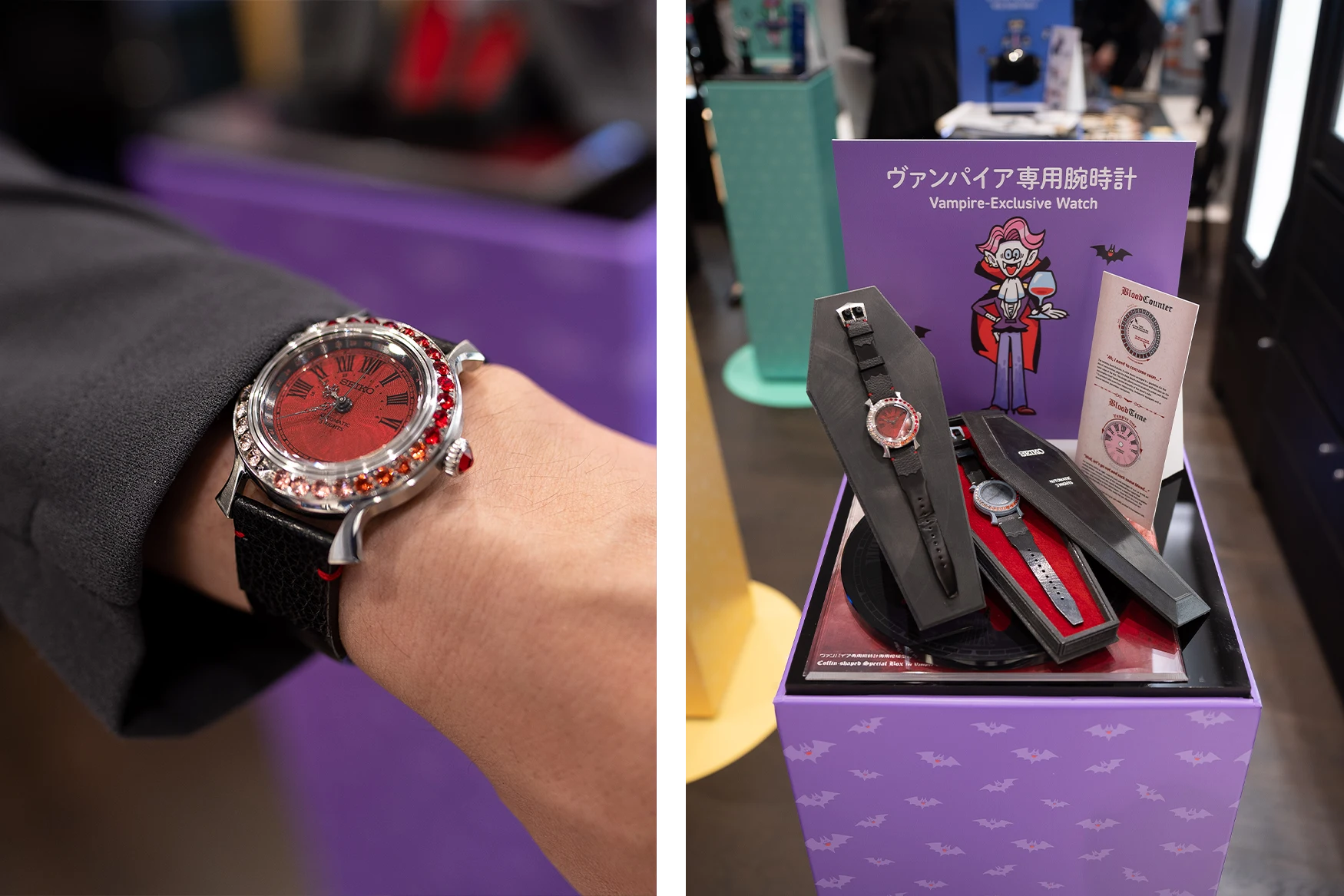
Ishihara explained that the design grew out of long consideration of what a vampire’s needs might be in 2026, leading to a design that incorporates gothic features closely associated with vampire myths, along with practical elements such as the absence of hour markings during daylight hours. “Conceptual projects and commercial products are not separate worlds,” Ishihara states. “They exist in an ongoing dialogue, constantly influencing one another and opening the door to new ideas and expressions.”
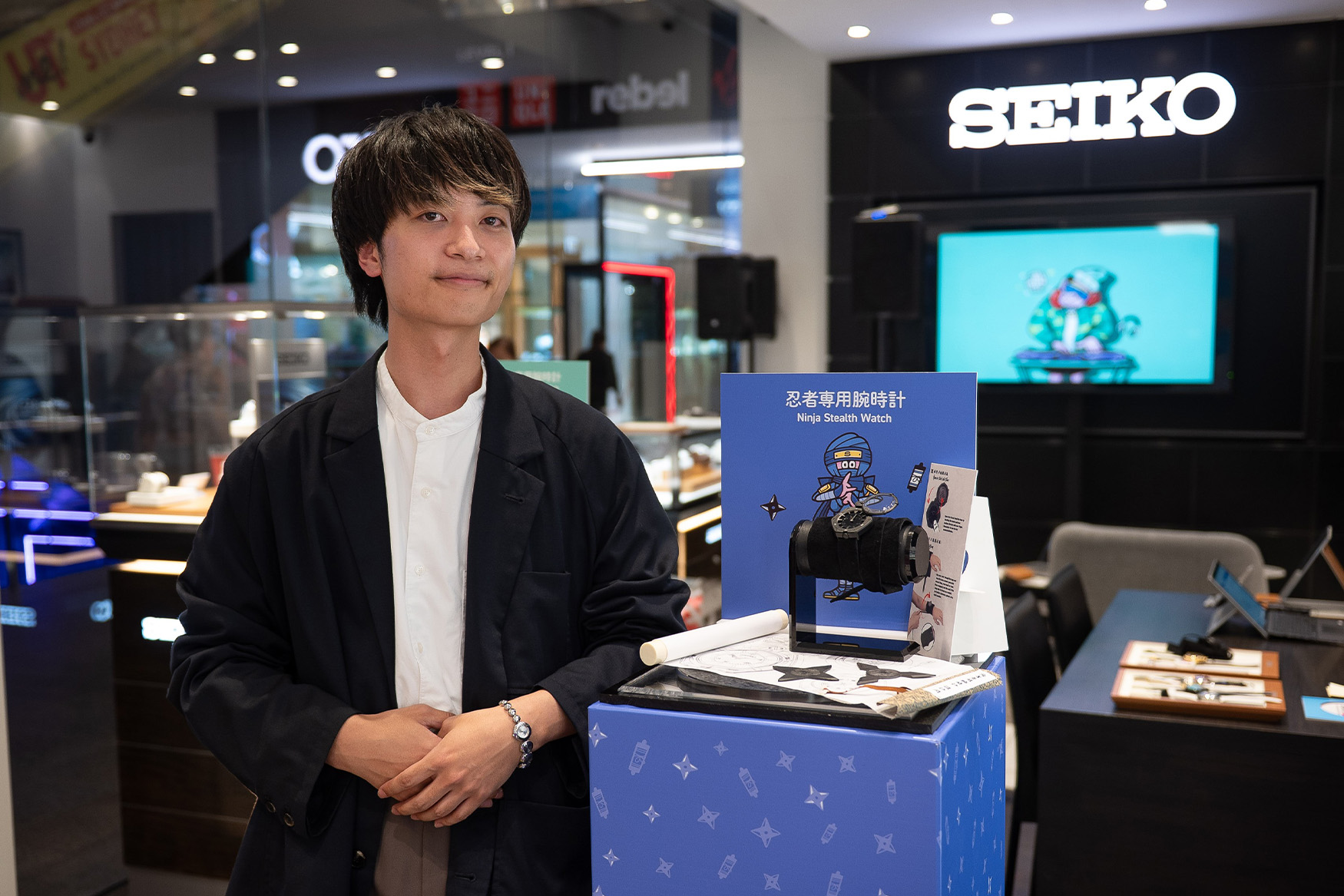
Suganuma approaches horology through an equally nuanced cultural lens. As director of Seiko 5 Sports, he treats design as an evolving exchange with younger generations. “I think younger generations increasingly see watches not just as tools for telling time, but as a way to express their personal style,” Suganuma reflects.
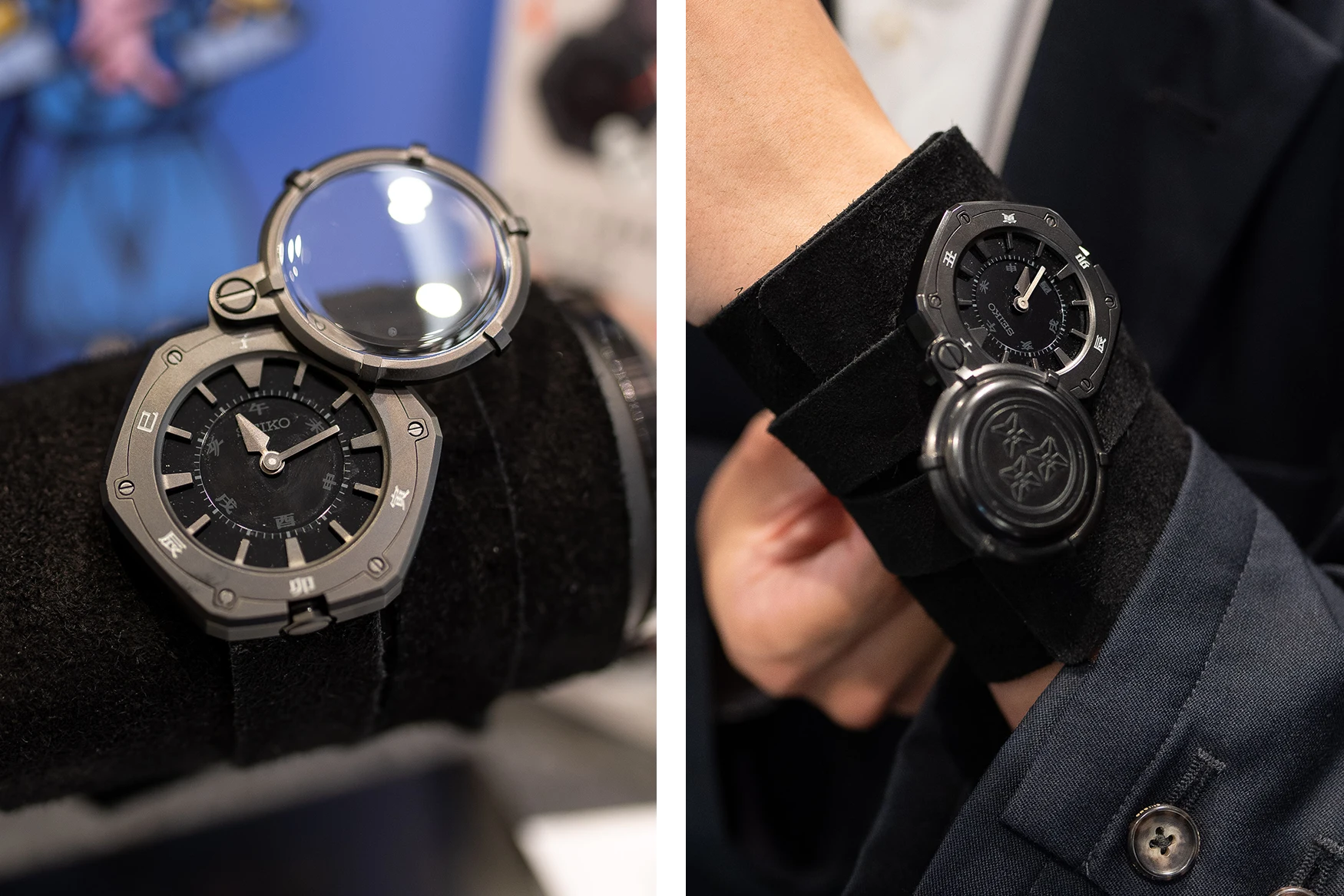
His contribution to the Power Design Project, the Ninja Stealth Watch, began as an understated everyday model before evolving into an authentic tribute to shinobi heritage. “As I imagined how it might be used in a ninja’s daily life and missions, I felt it should incorporate elements that reflect the spirit and traditions of ninjas,” he reveals. Initially, Suganuma had considered designing a non-descript watch that would allow the wearer (Ninja) to blend into the crowd without revealing their identity.
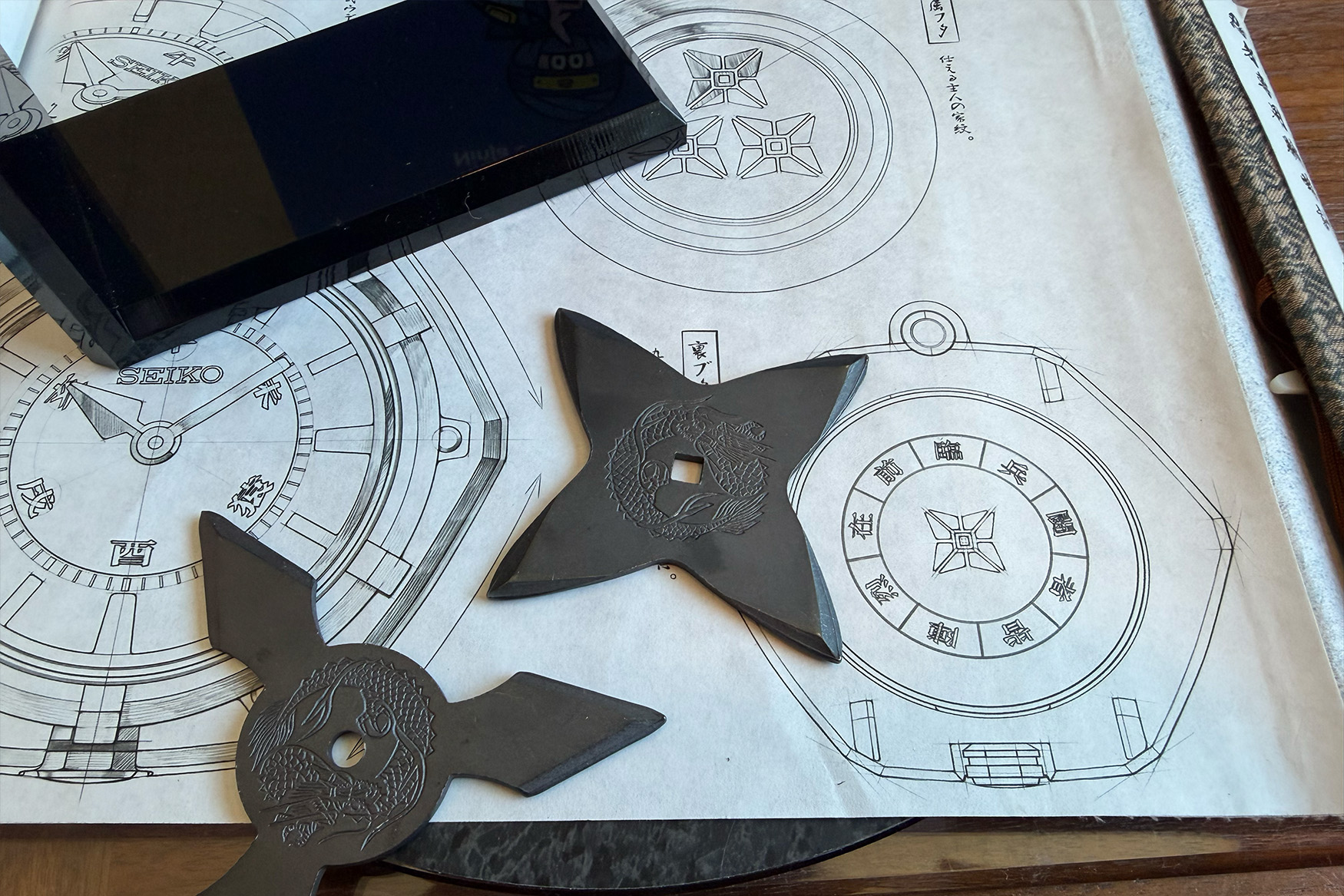
However, after conducting research and consulting with modern experts in the way of the Ninja, the final product could not be further from the original idea. The Ninja watch features a unique deer hide strap modelled after the protective arm bands used in traditional Japanese archery. The case can also be opened up, allowing the wearer to feel the hands and tell time even in complete darkness.
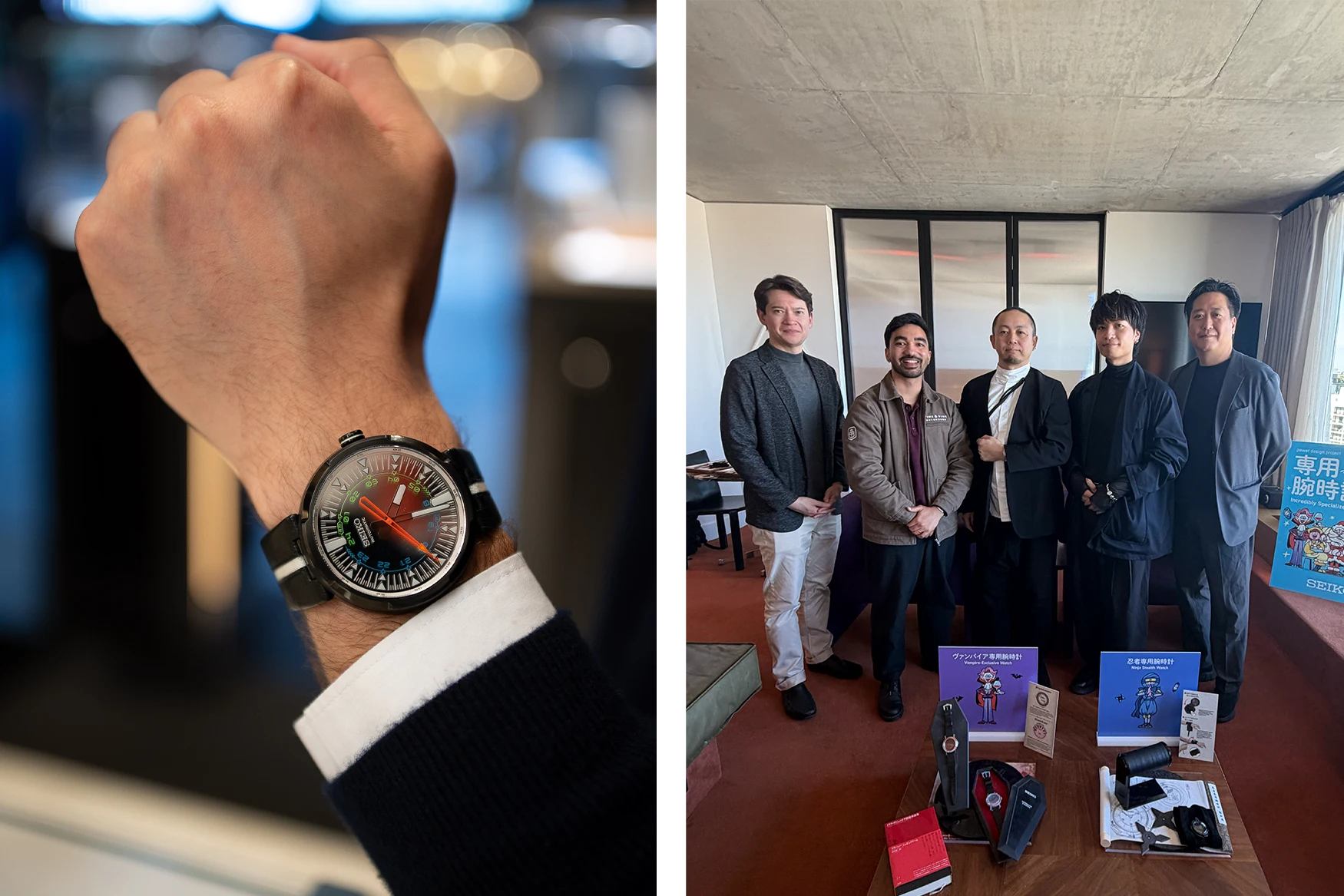
Behind the scenes, both designers bypass traditional sketches, translating brief notes directly into 3D CAD models. Ishihara finds joy in micro-engineering, rotating digital geometries to shave off fractions of a millimetre. Suganuma thrives on pulling abstract concepts from his mind and giving them tangible form for people to experience.
While navigating corporate constraints and technical parameters can feel daunting, Suganuma welcomes the challenge. A pure artist might work without boundaries, but as these designers prove, horology achieves its finest heights when imagination conquers real-world limitations.