
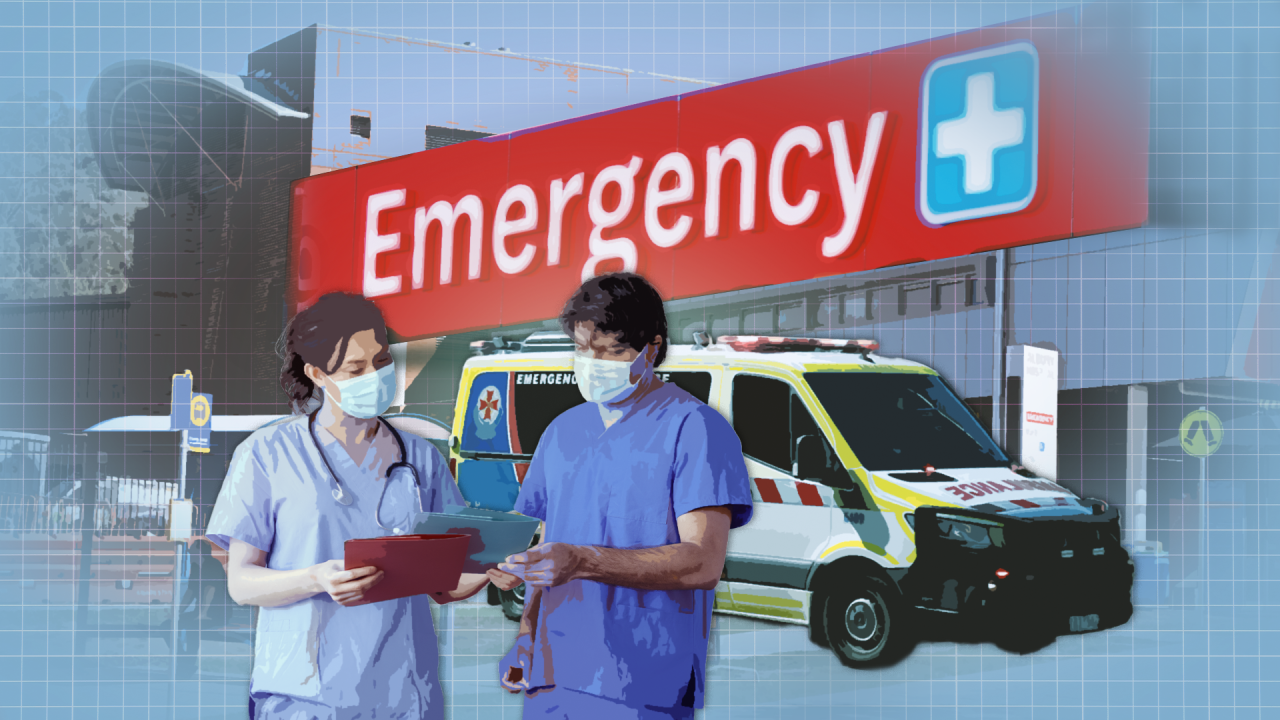
As Australians process the aftermath of the alleged attack on independent Indi MP Helen Haines, attention has again turned to whether gaps in the health system may have contributed to the circumstances surrounding the incident.
The alleged attacker, who is accused of ramming Haines with a car near her electorate office, reportedly has a rare neurological condition, idiopathic transverse myelitis, and has previously received treatment for mental health issues. He is also facing charges related to cultivating and possessing cannabis.
It comes after Queensland man Joel Cauchi, who had been diagnosed with recurrent schizophrenia, fatally stabbed six people at Westfield Bondi Junction in 2024 before being shot dead by police.
Earlier this year, two patients who escaped from Cumberland Hospital, a major mental health facility in NSW, allegedly committed separate crimes that resulted in the deaths of three people within days of each other.
Health economist Luke Slawomirski of The Australia Institute says the overwhelming majority of people with mental illness are not violent, but there are questions around whether they are receiving the care and support they need, and whether earlier and more consistent care could avert some crises.
Your trusted source for staying up-to-date with the world around you. Get free daily news updates and analysis, straight to your inbox.
“We have built a health system that is very good at delivering expensive medical interventions but much less effective at keeping people well,” he tells SBS News.
“Mental health is perhaps one of the clearest examples of this imbalance.”
READ MORE
This month, internal documents released by the NSW government under a parliamentary order revealed a shortfall of nearly $600 million in funding for the state’s public mental health services. Doctors across Victoria’s healthcare system also planned to strike over understaffing and unsafe working conditions.
Experts say change is needed to improve the healthcare system, including mental health services, especially for those in regional and rural areas.
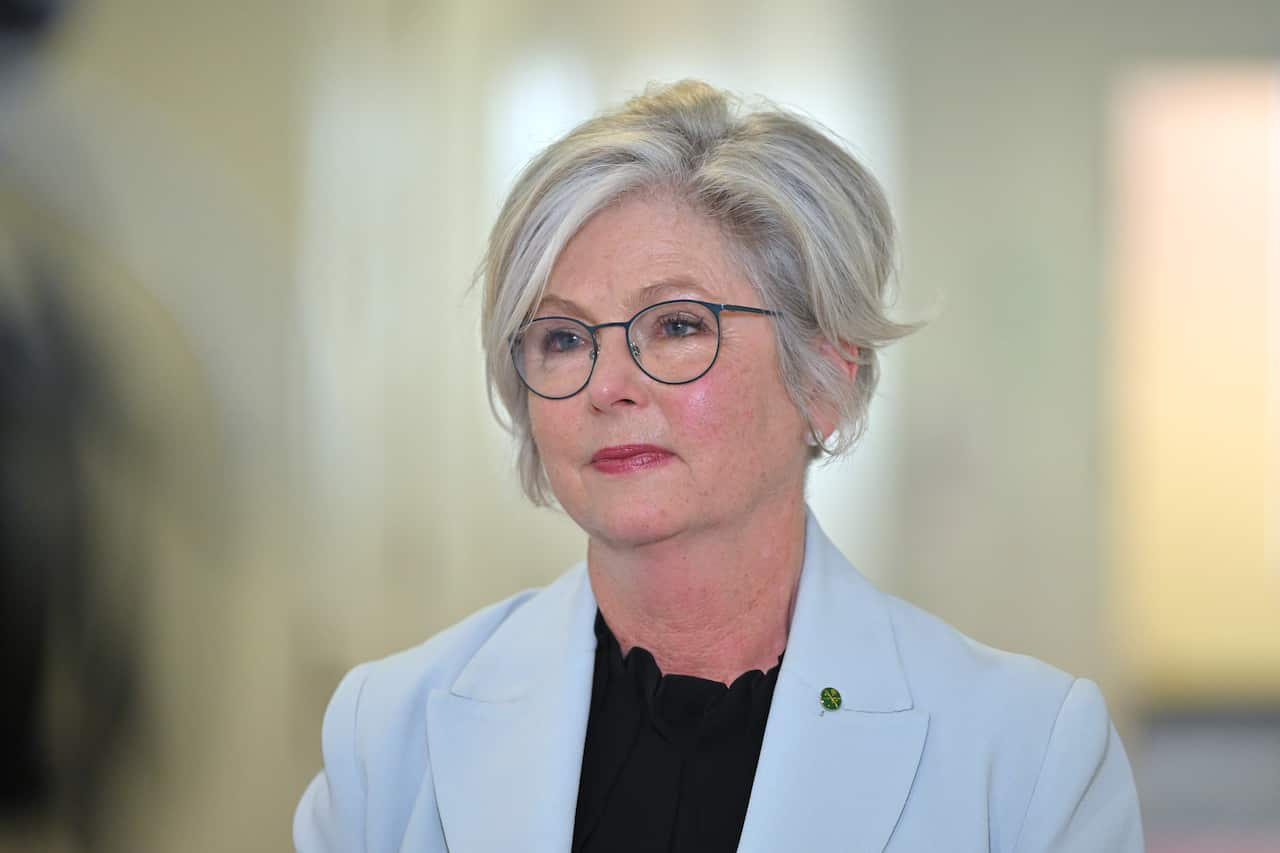 MP Helen Haines lost both her legs after an attack near her electorate office last week. Source: AAP / Mick Tsikas
Haines previously championed the need for reform in her own electorate, saying in a statement in March last year: “Indi does not have enough doctors, nurses, psychologists and allied health workers to care for our community and the result is people waiting too long, spending too much and travelling too far to access necessary healthcare.”
Are gaps in health care fuelling support for One Nation?
Disenchantment with Australia’s healthcare system may also be contributing to political volatility.
The electorate of Indi in Victoria’s north-east extends to the border with NSW and neighbours the electorate of Farrer, where One Nation won its first lower house seat earlier this year.
Support for One Nation, which wants substantial cuts to immigration, has grown significantly and polling indicates it may rival the Coalition as the party of opposition.
Research group Redbridge has found healthcare is frequently among the top two issues for One Nation voters.
During the Farrer by-election, the standard of care provided by the hospitals serving communities on the NSW/Victorian border, managed by Albury Wodonga Health, was one of the top issues raised.
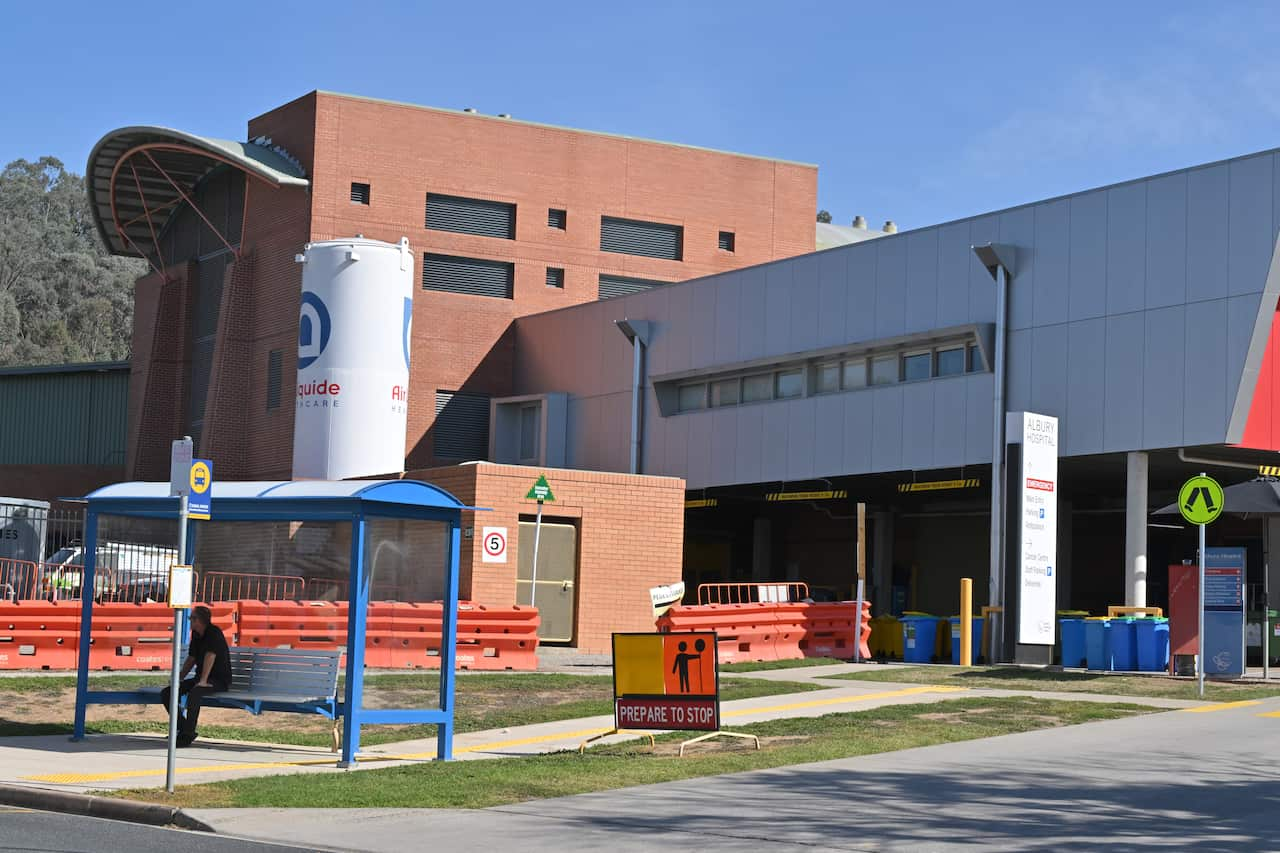 Victorian, NSW and federal governments have all pledged to contribute millions to the redevelopment of Albury Base Hospital, which was raised as an election issue ahead of the Farrer by-election. Source: AAP / Mick Tsikas
Redbridge research and reputation director Simon Welsh says some One Nation voters nominate immigration as one of their top concerns, but the majority rank cost of living and health among their highest priorities.
He says many believe a two-tiered health system is emerging in Australia, with certain services only available to those with money.
As part of research for the Australian Resilience Index, Redbridge found the average One Nation seat had five hospitals located within 15km, but the average Labor or Coalition seat had 38 hospitals.
“When you look at what we call ‘health resilience’, the lineup between the areas with the lowest health resilience and the areas with the highest One Nation vote is significant,” Welsh says.
Health resilience was assessed by looking at factors such as access to health care and mental health support, rates of alcohol and smoking consumption, and data on exercise and diet.
The ‘lost tribe’ of medical graduates
Australian Medical Association (AMA) vice president Julian Rait agrees Australia’s system has become very inequitable, especially for rural and regional Australians.
He believes there’s been a lack of investment in public hospital outpatient services — which provide care to patients who are not formally admitted to hospital overnight — as well as the health workforce.
There’s a nationwide shortage of practitioners of all sorts, including allied health professionals, and that has led to deficiencies [even] in the outer suburbs of major cities, or some of our smaller capital cities like Darwin or Hobart.
“We’re seeing a deficiency of sufficient GPs and also specialist services as well.”
Rait says the AMA has been calling for a national workforce strategy, and the reintroduction of Health Workforce Australia (HWA), an agency that used to oversee clinical training arrangements and planning for the sector, but which was abolished by the Abbott government in 2014.
The AMA also wants targeted strategies to boost the rural and regional workforce, including local hubs for specialist training.
READ MORE
While medical school places have expanded, Rait says many students struggle to find training positions after they graduate, limiting their ability to practice independently as GPs or other specialists.
“We’ve got large increasing numbers of people that have got medical qualifications but can’t actually train in any speciality,” Rait says, noting that positions are limited by a lack of state government funding.
We call them a ‘lost tribe’, [those] who finish their medical degrees but have nowhere to go in terms of their training pathways.
“It’s a depressing situation for those people, but also it’s a lost opportunity to try and address the shortages that are in rural and regional areas of our country.”
 Some medical graduates struggle to secure a training place to become a GP or other specialist. It’s also difficult for overseas doctors to practice in Australia. Source: Getty / Morsa ImagesRegional healthcare inequalities
Catholic Health Australia director of health policy Katharine Bassett says Australia has one of the best health systems in the world but access is an issue. She agrees on the need for a national, independent approach to planning the care workforce in Australia.
Workers move constantly between hospitals, aged care, disability and community services, as well as between states, but nobody is looking at the workforce as a whole.
The Australia Institute also supports the reinstatement of the HWA, and Slawomirski says it would be valuable to have a coordinated whole-of-system view of how many specialists and GPs are trained, and where they end up working.
He says the system should also make it easier for overseas-trained doctors to practice in Australia and make work in public hospital outpatient departments more attractive to specialists.
Fees charged by specialists should be scrutinised to assess whether they are justifiable, Slawomirski says, and potential Medicare incentives for rural and regional areas could help improve access.
READ MORE
More transparent information about the costs of seeing a specialist, expected treatment outcomes, and alternatives should also be considered.
While Slawomirski doesn’t think those living in the regions will ever have the same outcomes in terms of mortality as those living in the cities, he says the differences at the moment are “really appalling”, noting that the rates of premature deaths in some remote or regional areas were two or three times those in metropolitan areas.
“It’s just unacceptable,” he says.
Challenges to mental health treatment
Bassett says Australia performs well when it comes to acute mental health care through the public system, and community services for those with lower-level needs, but it struggles to maintain services for those whose needs fall in between.
“Where we struggle is the middle — people who are too unwell to be managed by a GP or a community program but don’t need an emergency admission,” she says.
Private hospitals carry a lot of that care in Australia, but only for people with private health insurance, and many people don’t have it or can’t afford it.
Bassett also stresses the importance of other factors that can influence outcomes.
“Whether someone stays well often depends on having a stable home, an education, a job and feel[ing] supported by people around them,” she says.
Despite this, housing, education, employment, health and disability support are run and funded as separate systems.
“Joining services up is the real challenge.”
Overall, Bassett believes too much health policy is “set and forget”.
“We need to be comfortable putting a policy in place, evaluating it honestly, and admitting when we haven’t got it right. Circumstances change, and policy has to change with them.”
For the latest from SBS News, download our app and subscribe to our newsletter.