
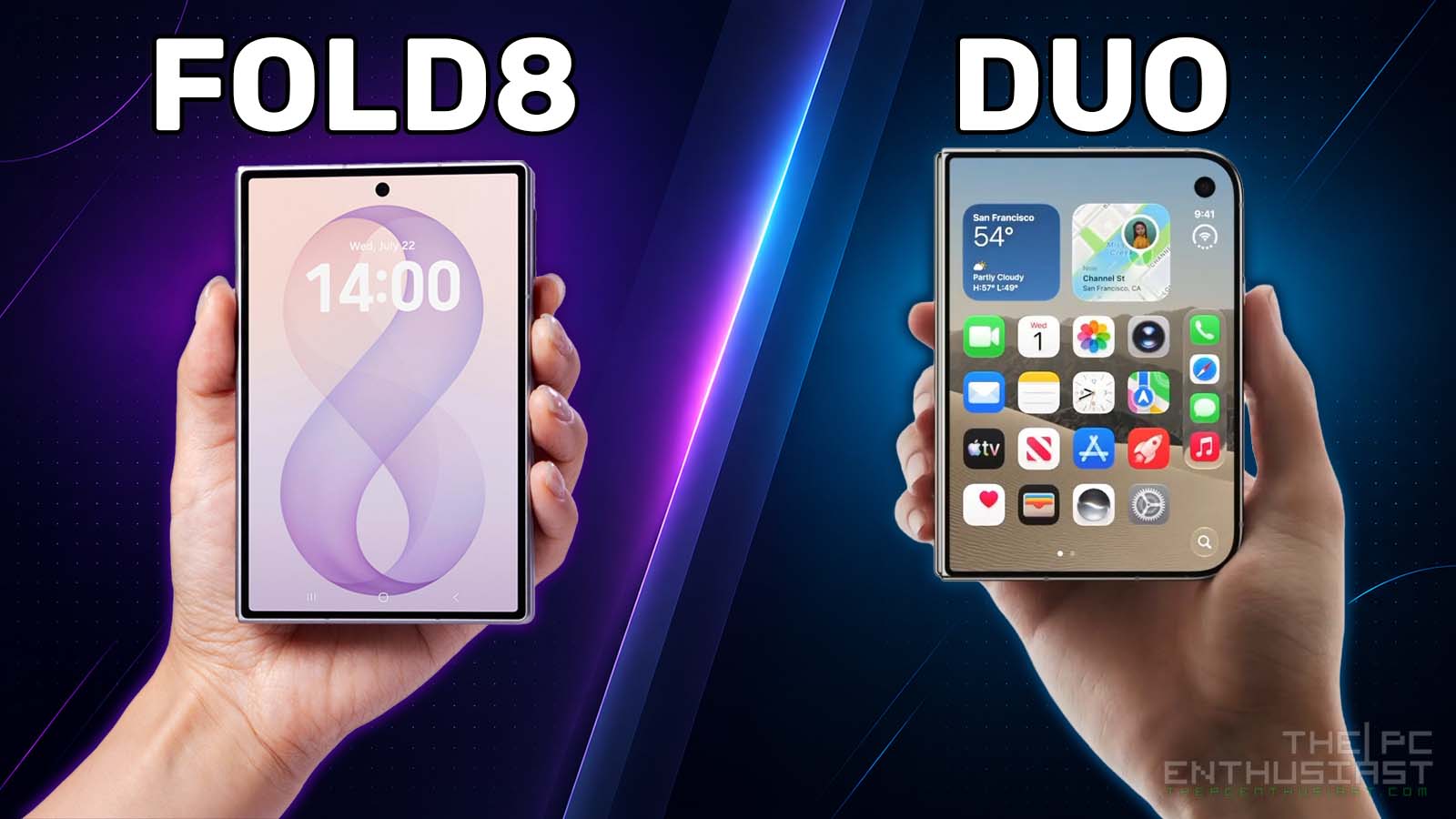
 Samsung’s Galaxy Z Fold8 and Apple’s iPhone Duo both feature passport-style folding designs and 7.6-inch inner displays, but they offer different advantages for buyers.
Samsung has spent eight generations refining foldable phones. Apple is making its first attempt with the iPhone Duo, and it’s already giving the Galaxy Z Fold8 some serious competition. In fact, independent testing has produced a few surprising results that challenge what buyers might expect from Apple’s first-generation foldable.
But Apple’s debut has also taken an uncomfortable turn. Reports of cracked inner displays (crackgate) began surfacing within hours of the iPhone Duo reaching customers, raising concerns about durability. Samsung has its own weaknesses, too, despite years of experience developing folding smartphones.
Both phones cost close to $2,000 and unfold into nearly identical 7.6-inch displays. They look remarkably similar on paper, yet choosing between them isn’t nearly as straightforward as it seems. The phone that wins the most tests isn’t necessarily the one we’d recommend spending our money on.
Samsung Galaxy Z Fold8 vs iPhone Duo Specs Comparison
These are the two closest competitors in the passport-style foldable category. The larger Galaxy Z Fold8 Ultra has a different form factor and isn’t the direct comparison here.
SpecificationsSamsung Galaxy Z Fold8Apple iPhone DuoInner display7.6-inch Dynamic AMOLED 2X, 120Hz7.6-inch Super Retina XDR OLED, 120HzCover display5.5 inches5.4 inchesProcessorSnapdragon 8 Elite Gen 5 for GalaxyApple A20 ProRear cameras50MP main + 50MP ultrawide48MP main + 48MP ultrawideDedicated telephotoNoNoWeight201g254gThickness, unfolded4.5mm5.2mmThickness, folded9.7mm11.3mmBattery4,800mAhDual-battery designOperating systemAndroid 17, One UI 9iOS 27Dust and water resistanceIP48IP68Stylus supportNo S Pen supportApple Pencil (USB-C), coming later in 2026US starting price$1,899.99$1,999
Prices are US launch MSRPs for the base 256GB configurations. Retail pricing and availability may change.
Check the latest pricing and availability: (ad)
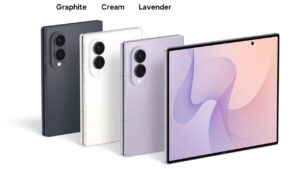
Samsung Galaxy Fold8 Unlocked Foldable Smartphone
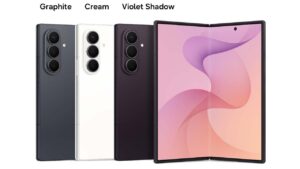
Samsung Galaxy Fold8 Ultra Unlocked Foldable Smartphone
Design and Displays: Samsung Has the Better Everyday Form Factor

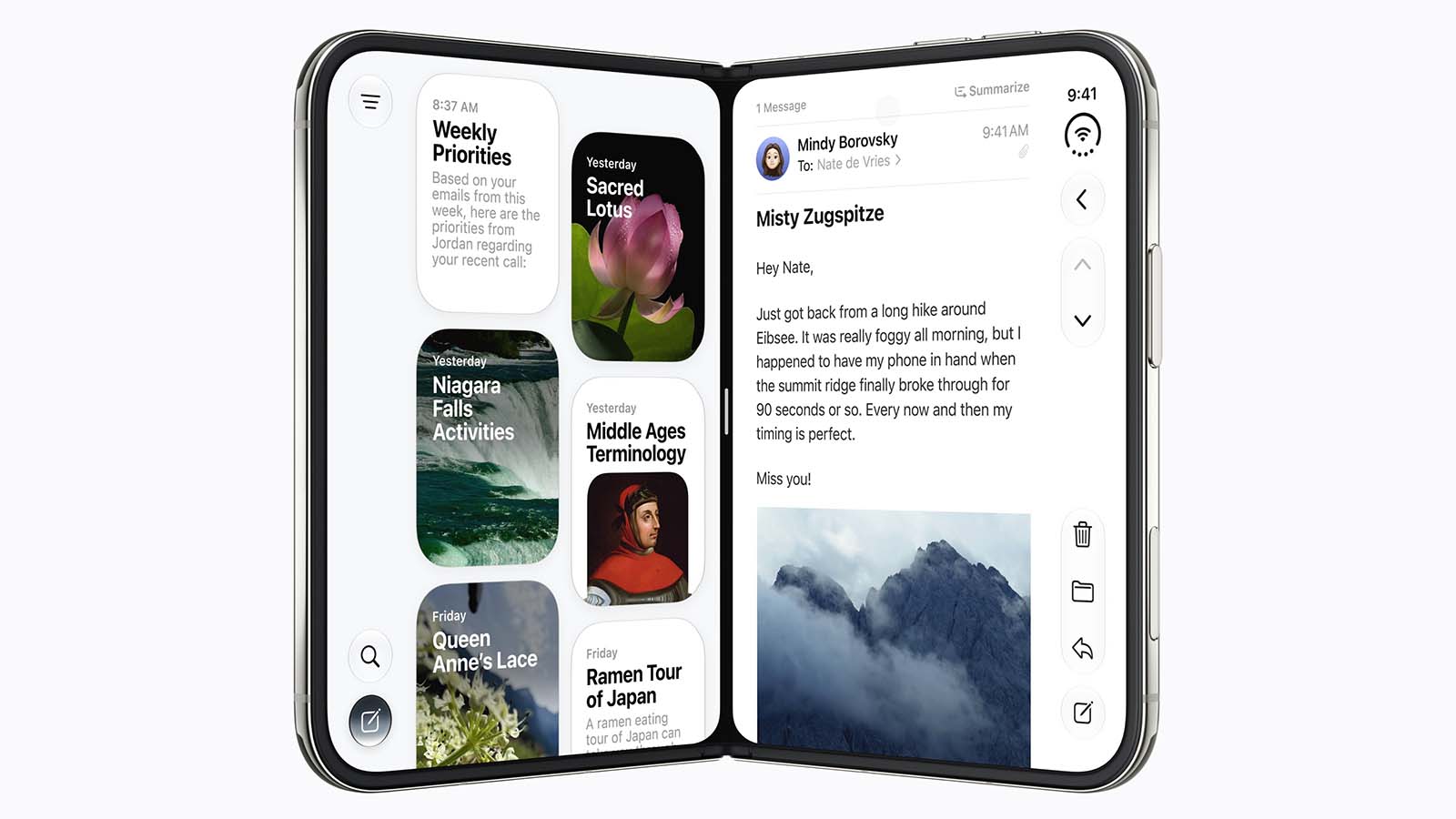
Samsung’s biggest advantage becomes apparent when you compare the weight. The iPhone Duo is approximately 26% heavier than the Galaxy Z Fold8. That’s a substantial difference for something you’ll carry in your pocket and hold for extended periods.
Samsung’s thinner chassis is another advantage. Despite having almost identical screen sizes, the Fold8 is noticeably slimmer both open and closed.
Both companies have done excellent work minimizing the display crease. Apple’s nano-texture inner display deserves particular praise. Its matte finish reduces distracting reflections and makes the crease harder to notice. Samsung counters with a bright AMOLED panel and its own anti-reflective treatment, but Apple’s screen has impressed early reviewers.
The Fold8 is arguably Samsung’s most practical foldable design yet. Its wider, shorter shape makes the cover display more useful for everyday tasks, and the large inner screen works well for reading, gaming, and multitasking.
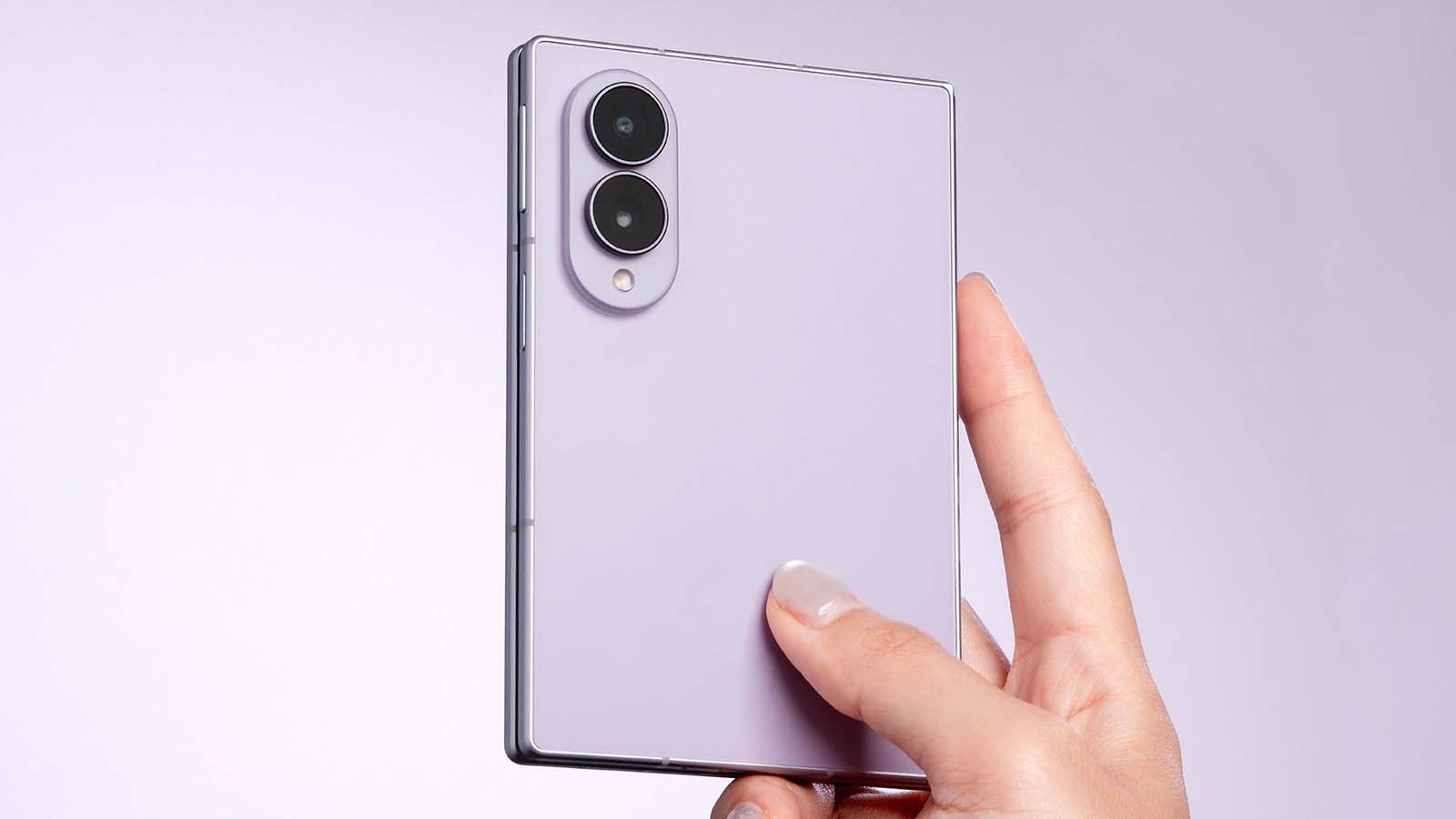
Apple’s Duo feels more substantial, and its titanium construction gives it a premium appearance. However, Samsung delivers nearly the same screen experience in a much lighter package.
Our preference: Galaxy Z Fold8 for portability, although the iPhone Duo has an excellent inner display.
Performance, Cameras, and Battery: Apple Has Some Real Advantages
Anyone expecting Apple’s first foldable to fall behind Samsung in performance may be surprised. The iPhone Duo’s A20 Pro is exceptionally powerful.
Independent sustained-performance testing found that it maintained stronger graphics performance than the Fold8 under prolonged workloads. Apple’s vapor-chamber cooling system also helps manage heat, although the Duo can become warmer externally during demanding tasks.
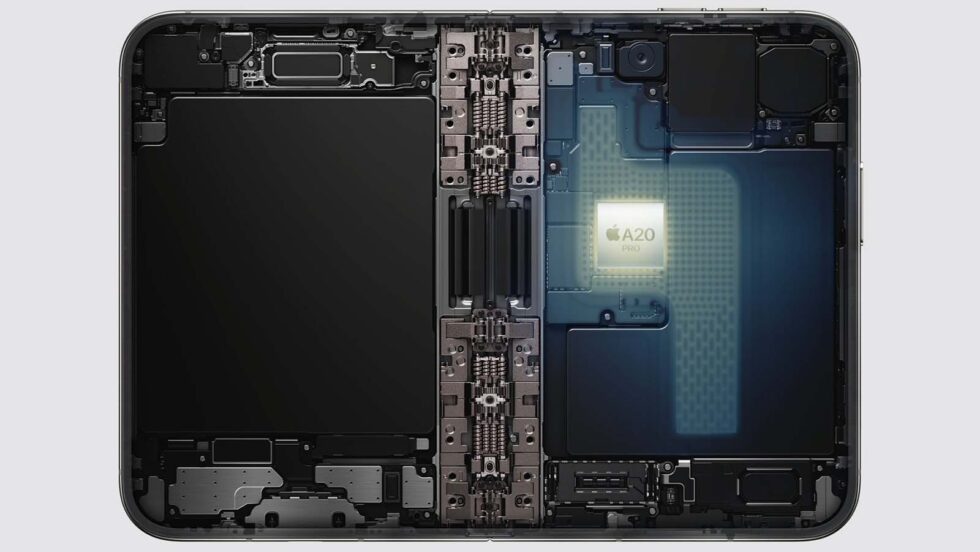
Battery life is another strength of the iPhone Duo. According to independent reviews, the Duo could last around 13 hours while web-browsing via 5G. Meanwhile, the Galaxy Fold8 manages around 12 hours only, give or take. Note that actual endurance and battery life will depend on usage and which display is active.
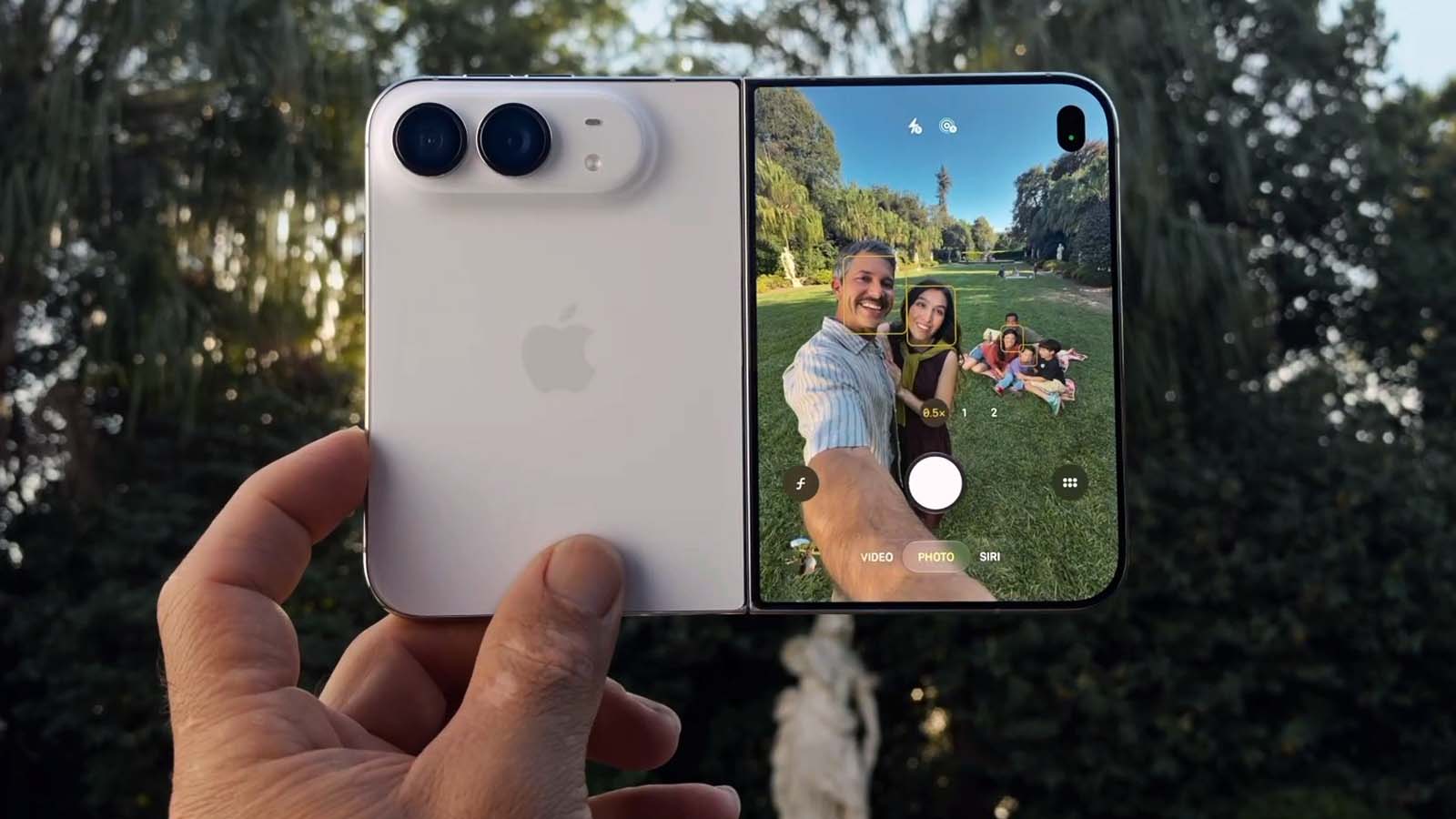
It’s also no surprise that the iPhone Duo also performed better in a camera comparison. It’s Apple’s forte after all. The Duo generally produced stronger detail, more balanced exposure, and better low-light results.
Meanwhile, Samsung’s Fold8 performed particularly well in macro photography and extreme digital zoom. However, neither phone includes a dedicated telephoto camera, which remains disappointing at this price.
For photography, battery endurance, and demanding workloads, the iPhone Duo has a legitimate advantage. Samsung’s flagship processor is still extremely capable, and performance shouldn’t be a concern for typical users.
Software and Multitasking: Samsung Makes Better Use of the Folding Screen
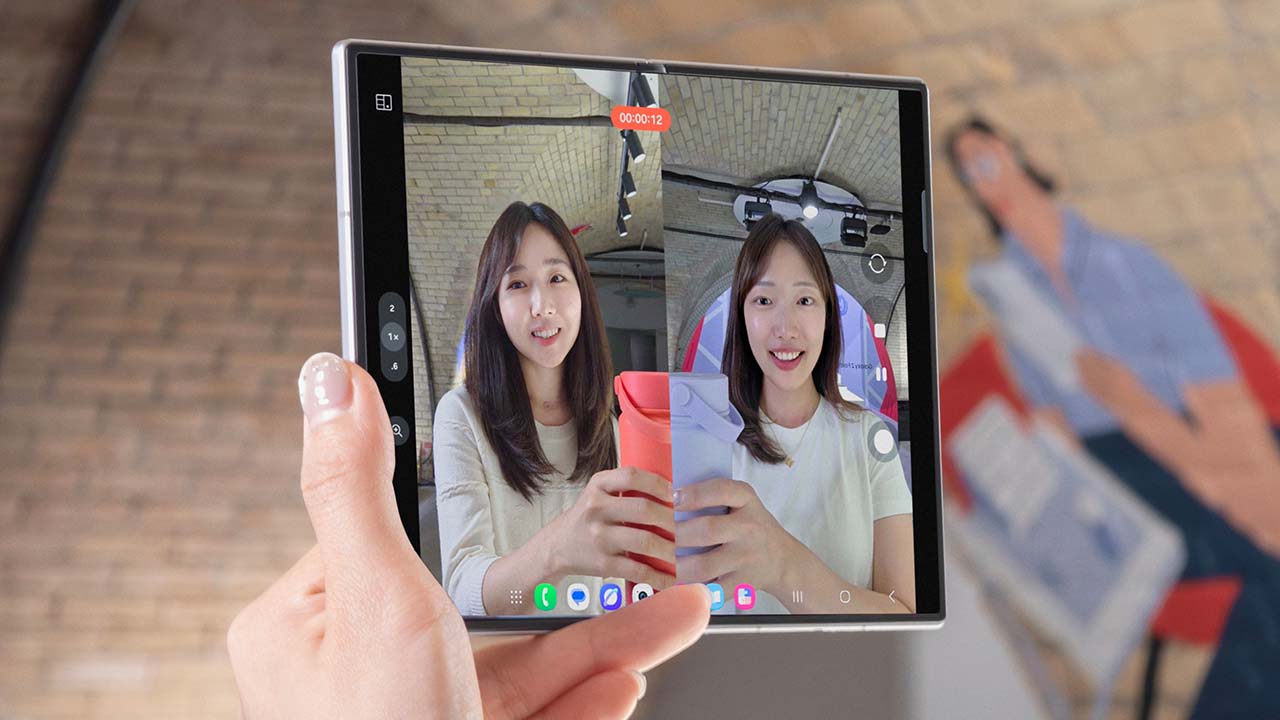

Samsung’s experience becomes especially valuable when you open the phone. One UI 9 builds on years of large-screen Android development. The Fold8 can run multiple apps simultaneously, supports flexible window arrangements, and offers Samsung DeX for a desktop-style experience.
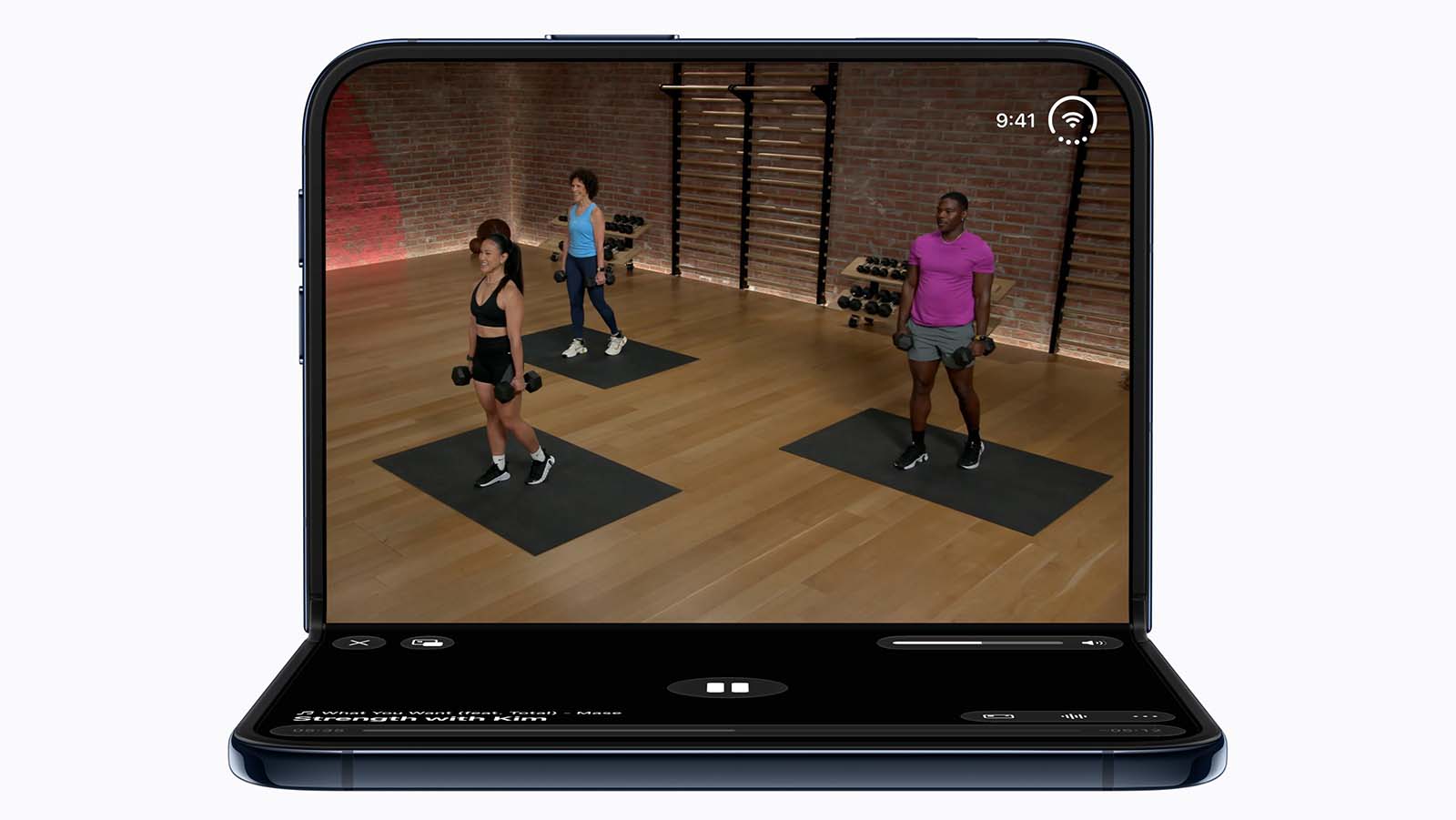
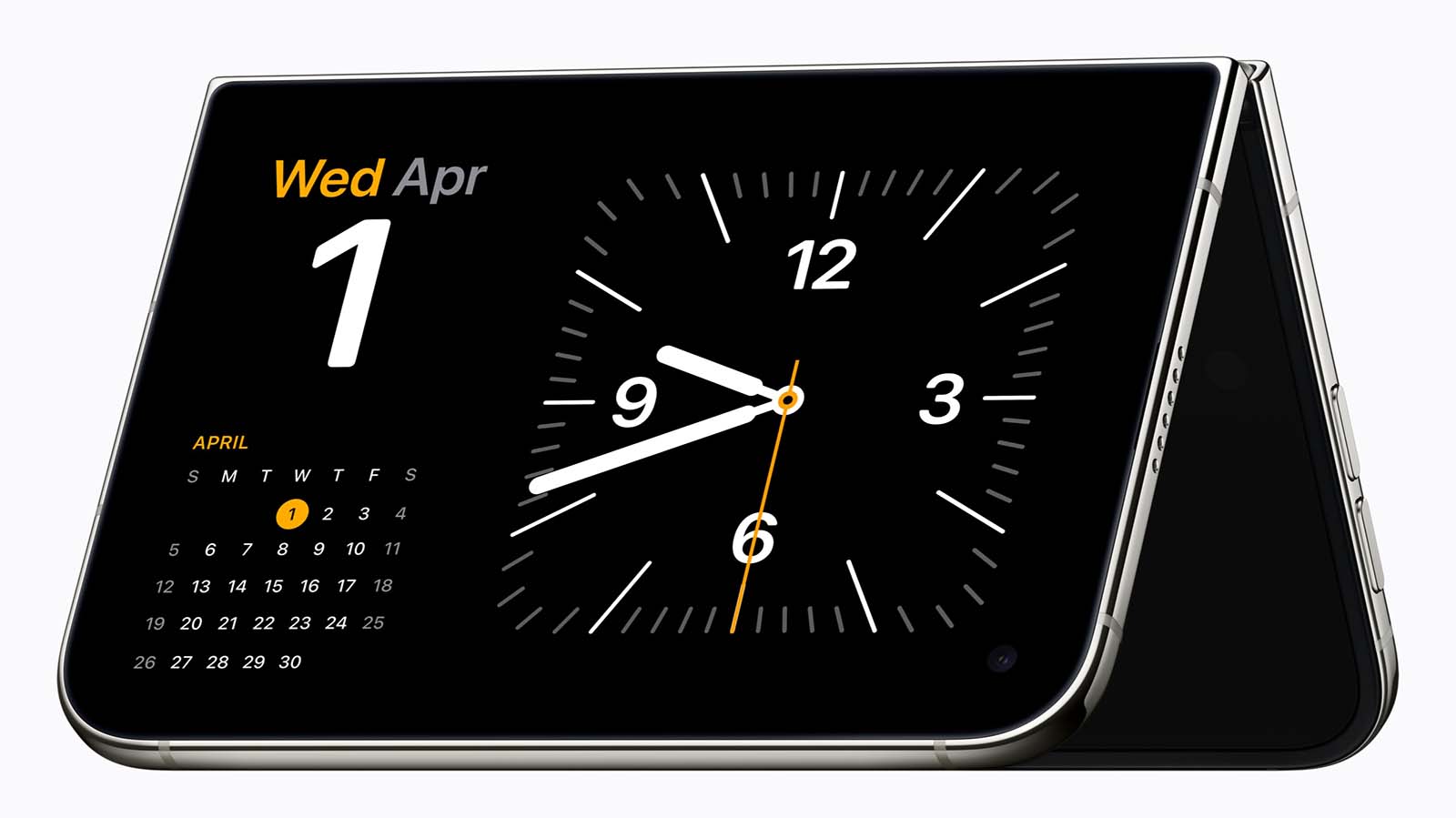
Apple introduces Split View to the iPhone Duo, allowing two applications to run side by side. It also supports saved app pairs and multiple windows of supported applications. These are welcome additions, although Samsung still offers more flexibility for users who regularly work across several apps.
Early reviews have also identified applications that don’t yet make full use of the Duo’s wider display. That should improve as developers update their software.
Interestingly, neither phone has every feature we might expect. Samsung removed S Pen and FlexMode support from the passport-style Fold8. Apple plans to introduce Apple Pencil (USB-C) compatibility later in 2026.
For buyers who primarily want a foldable phone for productivity, Samsung offers the more established experience today.
Durability and Repair Costs: Samsung’s Experience Matters, but Neither Phone Is Perfect
Samsung’s eighth-generation Galaxy Z Fold8 benefits from years of hinge and display refinements, although its IP48 rating still offers limited protection against fine dust.
Apple’s iPhone Duo has a stronger IP68 rating on paper, but its hinge proved vulnerable in JerryRigEverything’s durability test. Sand and dirt entered the folding mechanism, eventually preventing the phone from closing completely. It was a deliberately harsh test, but it raises concerns about smaller debris, dust, and even pocket lint collecting around the hinge over time.
More concerning are the early reports of cracked iPhone Duo inner displays, including a verified owner who experienced a screen failure within six hours. The cause and extent of these failures remain unclear, but they’re troubling for a first-generation device that has only just reached customers.
Repair costs make the risk considerably more expensive for Apple buyers. Without AppleCare+, repairing the iPhone Duo’s inner display carries an estimated US charge of $999, almost half the phone’s starting price.
Samsung’s official US repair pricing lists $419 for a Galaxy Z Fold8 inner-screen-only repair or $579 for a complete screen-module replacement. Both are expensive repairs, but Samsung’s published costs are substantially lower. For buyers planning to keep their foldable for several years, that difference is difficult to ignore.
Samsung Galaxy Z Fold8 or iPhone Duo: Which Should You Buy?

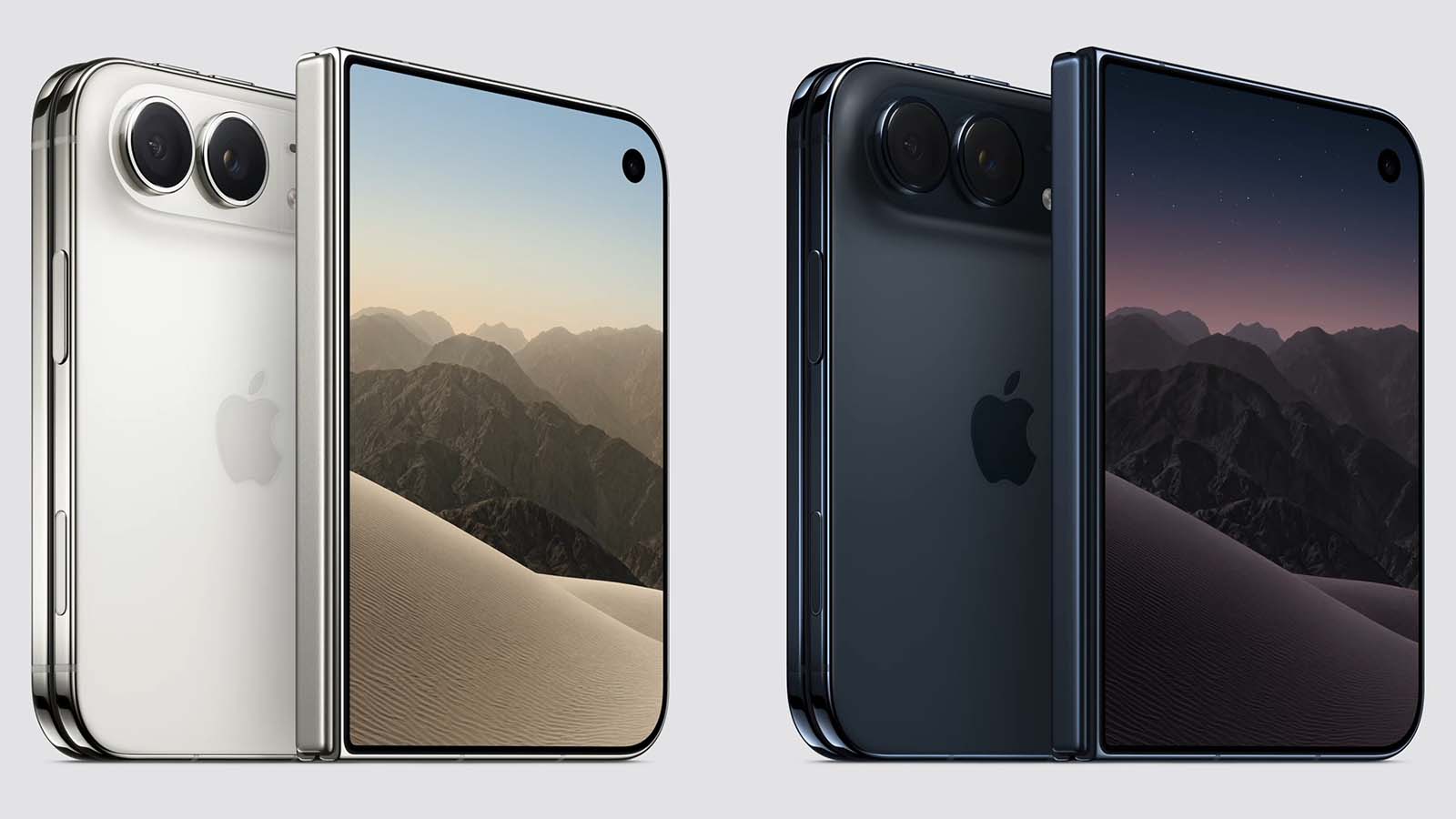
Apple makes a compelling case for the iPhone Duo. Its cameras performed impressively in independent testing, battery life is excellent, and the A20 Pro delivers strong performance. For someone who relies on an Apple Watch, iMessage, and a Mac, staying within Apple’s ecosystem may outweigh Samsung’s advantages.
The Galaxy Z Fold8 is no slouch either, and it has its own strengths. Samsung’s more flexible multitasking and DeX make better use of the larger folding display. It’s also noticeably lighter, has considerably lower screen-repair costs, and benefits from years of foldable development. That experience doesn’t guarantee reliability, but it’s reassuring when Apple’s first-generation device is already facing questions about its inner display.
Personally, I’d lean toward the Samsung Galaxy Z Fold8. If I’m spending this much on a foldable, I want the freedom to take full advantage of that larger screen. The iPhone Duo’s current multitasking capabilities feel restrictive to me, especially at its asking price.
That doesn’t mean Apple buyers should automatically switch to Samsung. The iPhone Duo has genuine advantages, and personal preference matters. But for someone comfortable with either Android or iOS, the Galaxy Z Fold8 would be my choice.
Shopping options: (ad)
Samsung Galaxy Fold8 Unlocked Foldable Smartphone
Samsung Galaxy Fold8 Ultra Unlocked Foldable Smartphone