
Most Queenslanders expect to be worse off or struggling as much as they are now over the next year, a new poll has found, as households brace for yet another interest rate rise on Tuesday.
The consumer sentiment polling by DemosAU also found One Nation voters and regional Queenslanders were the most pessimistic about their finances and the economy, in figures that will sound alarm bells for the government and Coalition politically.
THE FEDERAL GOVERNMENT MUST STOP DODGING THE BLAME FOR INFLATION. READ TODAY’S EDITORIAL AND JOIN THE DISCUSSION
The poll of more than 1200 Queenslanders in the week to October 21 found more than half (54 per cent) believe their household is worse off than 12 months ago.
Two in five households (41 per cent) expect the strain to get worse, while 38 per cent believe it’ll stay about as bad as it is now. Just 21 per cent think their finances will get better.
DemosAU head of research George Hasanakos said the gap between Brisbane and the rest of the state was striking, but warned it wasn’t a simple city-versus-country divide.
“People living in the rest of South East Queensland are just as pessimistic as those in regional Queensland, and considerably more so than people in Brisbane,” he said.
“LNP voters are the most optimistic group about Queensland’s economy, while Labor voters are more positive about their own household finances than about the state.
“One Nation voters are the most pessimistic group overall – which has significant political implications, given the surge in support for the party over the past 18 months.”
The pervasive pessimism among Queenslanders comes against the backdrop of an almost certain rate rise by the Reserve Bank of Australia on Melbourne Cup Day — the fifth of the year.
For those with an average mortgage of $750,000, yet another rate rise means their monthly repayment will be about $458 more than what it was at the start of the year.
Pressure is increasing on the federal government to cut total government spending to bring down stubbornly high inflation — which as of the latest Australian Bureau of Statistics dispatch was 4.3 per cent to the year ending September.
Independent economist Saul Eslake said households with a mortgage are entitled to ask why they are bearing the burden of fighting inflation.
“And the answer to that is in part because politicians don’t want to take responsibility for decisions that will make people feel temporarily feel worse off,” he said.
Mr Eslake said Treasurer Jim Chalmers needed to deliver a net savings package, rather than cut spending in one area and divert it to another.
Federal Finance Minister Katy Gallagher on Sunday declined to commit Labor to delivering a net savings package in December’s mid-year budget update, though she claimed there was an enormous push within cabinet to rein in spending.
“Government spending is not the primary driver of prices in the economy, but we have a role to play, and we have been playing that role, and we’ve got more to do and we acknowledge that every decision we take in the budget has to be thought through carefully,” she said.
The DemosAU polling showed just over half of Queenslanders (52 per cent) planned to spend less on non-essentials like shopping, holidays and eating out over the next three months amid the financial pain.
Experts, including KPMG chief economist Brendan Rynne, were “reasonably confident” Tuesday’s rate rise would be the last one needed, with expectations inflation would start to ease.
But Dr Rynne warned the hip pocket pain for many households and businesses would get worse before it got better.
This included more people losing their jobs, with Dr Rynne anticipating unemployment would hit 5 per cent in the next six months.
“I think it will get better, but we have to go through some pain first,” Dr Rynne said.
“While we’re not technically in a recession, for many households and businesses it will feel like it.”
Institute for Energy Economics and Financial Analysis energy finance analyst (Australian oil and gas) Kevin Morrison said motorists could expect fuel prices to stay high well into 2027 amid ongoing conflict in the Middle East.
The US’ war against Iran has made oil trade through the Strait of Hormuz more dangerous than ever before, and while barrels are flowing through the shipping channel at volumes similar to what they were before the conflict shipping costs were keeping prices high.
Queensland Council of Social Service chief executive Aimee McVeigh said cost-of-living struggles over the past five years had meant even Queenslanders in full-time work and with mortgages were now seeking help from community services to pay for fuel and food.
“We know from our research people with children are doing it really tough at the moment, in fact 61 per cent of parents say they are struggling with day to day costs and 14 per cent of parents say they’ve run out of food in the past 12 months,” she said.
“There’s no way you can disconnect the pressures families are facing with the crisis that we see in the child protection space in youth justice in family and domestic violence.
“And we think the state government should do more to take the pressure off families.”
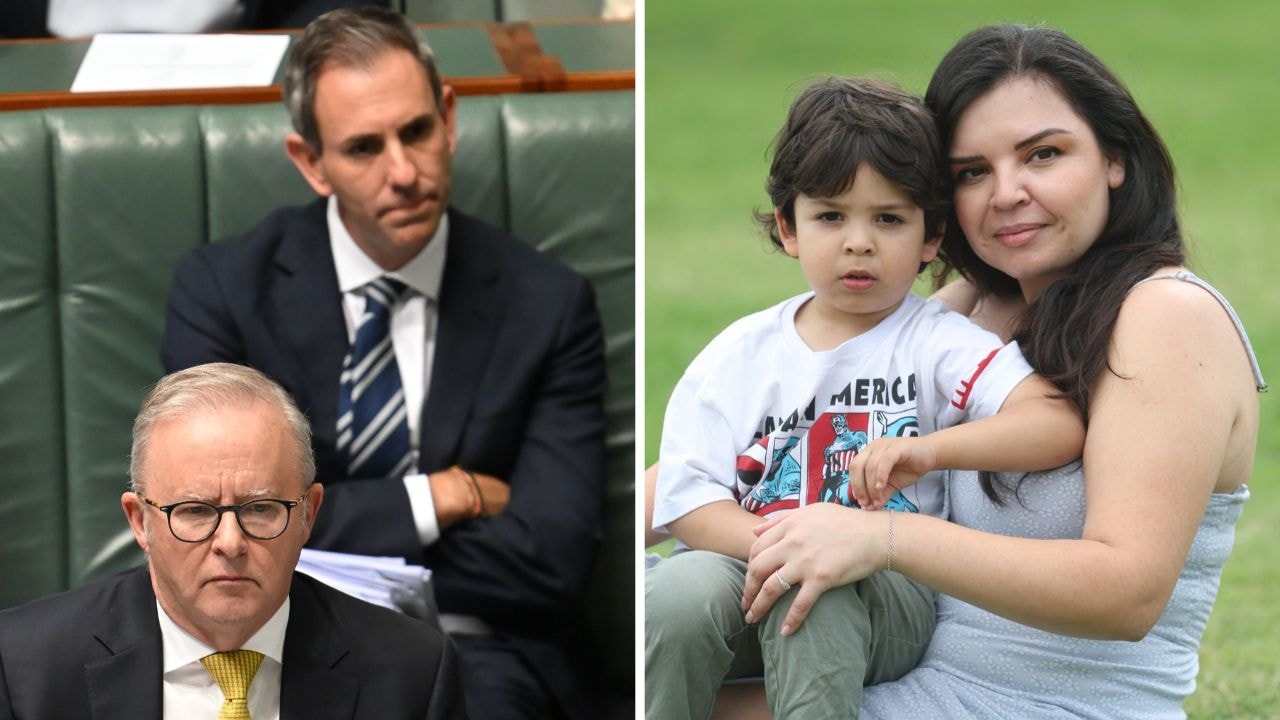
Business owner and mother Nataly Albornoz, from New Farm, said the repeated rate rises had squeezed the family budget, and where they used to be ahead on mortgage repayments they were now keeping up with what they owed the bank.
Ms Albornoz, who runs a home beauty salon, said it was those in the middle-income bracket like her family that were being hit the most.
She called for a reassessment of the tax brackets to help families keep more money in their pockets.
“Interest rates, inflation, cost of living are high, what is the point of earning more and pay rises when it is being absorbed,” she said.