
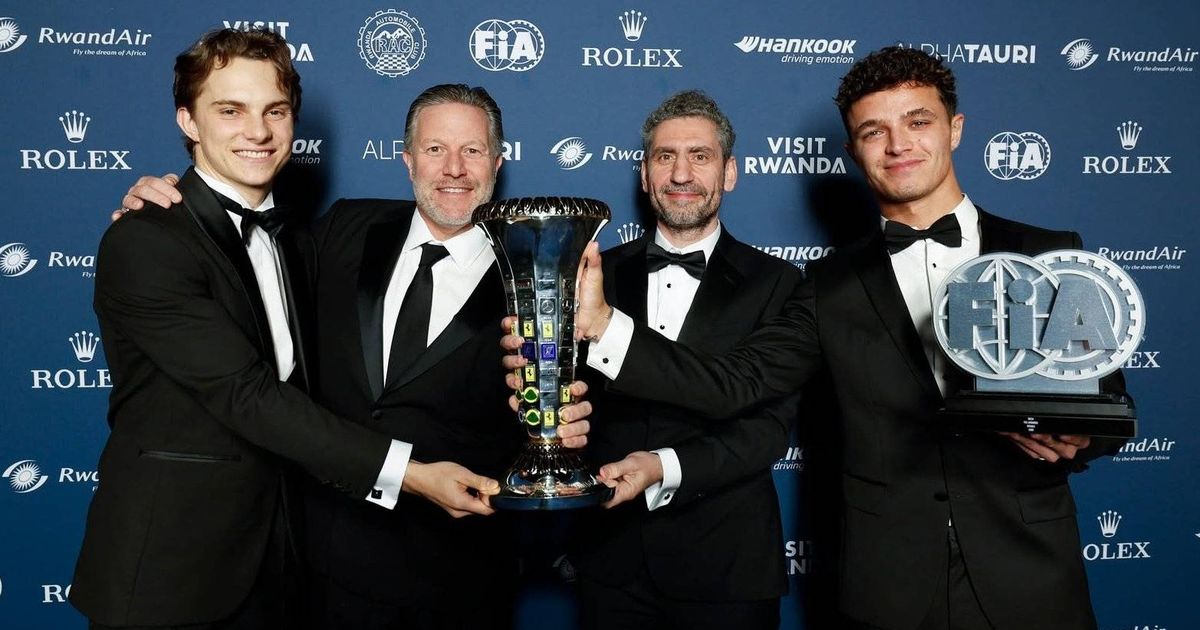
McLaren won everything there was to win on track in 2025. Off it, the paperwork tells a more complicated story.
In late September, McLaren Racing filed its annual report at Companies House in the UK. The headline grabber was Zak Brown’s pay: $110-million in salary and equity-based compensation for the year, while the company itself posted a $56-million operating loss.
Last week, McLaren Racing’s parent company, McLaren Group Limited, filed its own accounts. They lift the lid on a business that has been reshaped from the top down. Here are the key takeaways.
After a series of deals in 2024 and 2025, the group is simpler than at any time since Bahraini sovereign wealth fund Mumtalakat first bought into the business when it acquired a stake from Ron Dennis and Mansour Ojjeh in 2007.
Mumtalakat now owns 75% of McLaren Group Limited, with the remaining 25% held by the Abu Dhabi government’s CYVN Holdings. McLaren Group in turn owns 100% of McLaren Racing, which runs the team’s F1 and IndyCar programmes and, from 2027, its World Endurance Championship entry.
From Covid rescue to a $4.5-billion windfall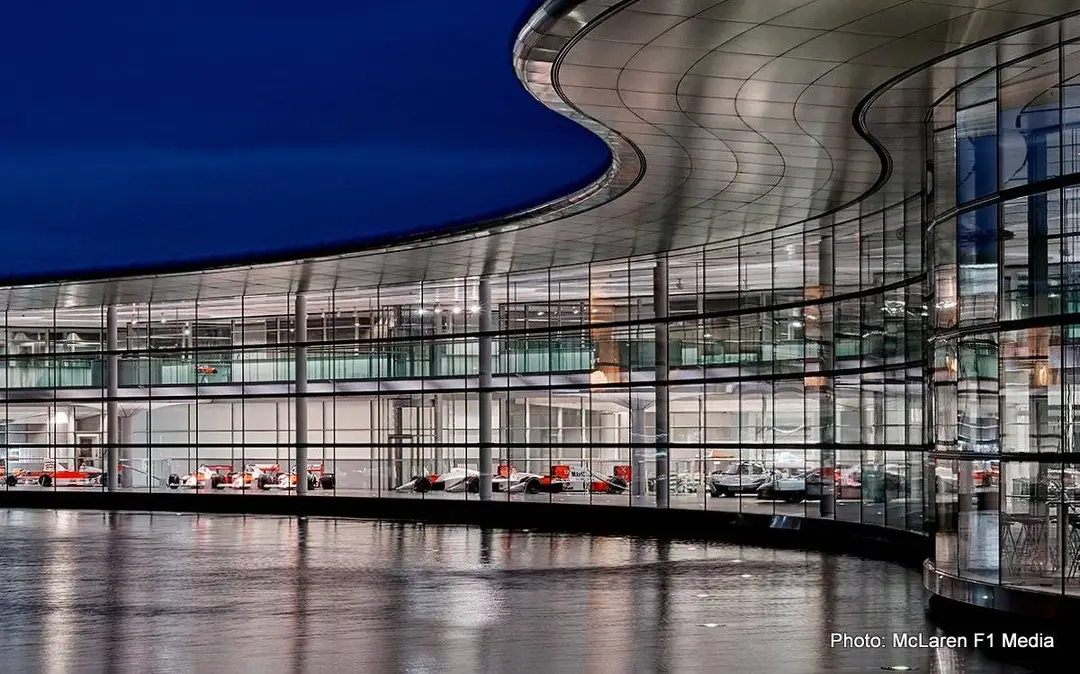
The road-car side now sits apart. CYVN owns 100% of McLaren Group Holdings, which controls McLaren Automotive, the company that builds McLaren’s road cars and sells high-end goods and experiences.
The restructuring included buying out the financial investors who stepped in to rescue the team during the Covid pandemic. MSP, Ares, O’Connor and Caspian invested in the F1 business at a $750m valuation in 2020 and exited at $4.5bn, an annual return of roughly 45%.
It is the latest proof that F1 team valuations are still heading in only one direction. The accounts reveal that the McLaren Heritage Collection numbered 203 cars at the end of 2025.
Putting a price on it is tricky. Older cars are carried at historic cost, while recent additions are booked at acquisition cost, which should be much closer to what they are actually worth. Either way, there is serious money parked in Woking.
A winning colour on track and a work in progress on the road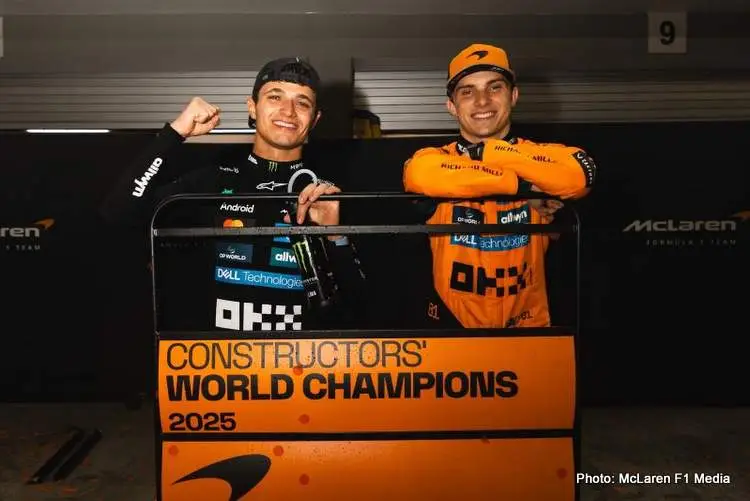
For reference, Red Bull heir Mark Mateschitz is believed to have paid close to $10m per car for Bernie Ecclestone’s collection. McLaren has already announced that five cars from its own collection will be offered by private sale.
This is not new news, but the accounts put hard numbers on it, because McLaren Automotive was consolidated into the group for the first quarter of 2025.
CEO Nick Collins has said full-year deliveries were 2,000 cars, down from 3,000, a fall of a third. The accounts show the first quarter was worse still: 483 deliveries against 796 a year earlier, a drop of nearly 40%.
Taken together, the accounts paint a picture of two McLarens. The racing operation is a championship-winning, multi-billion-dollar asset, with a heritage collection to match and an ownership structure that finally makes sense.
The road-car business, now under separate ownership, is shrinking by design as it resets production to match demand. A winning colour on track and a work in progress on the road.