
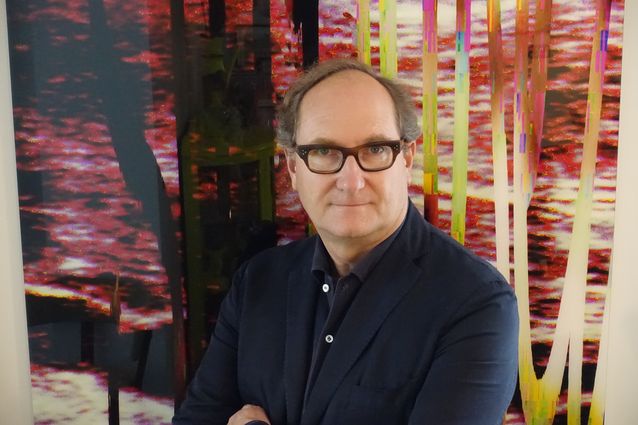
Born in Sydney and based in Italy since 1980, architect and designer Carl Pickering has spent more than four decades working across architecture, interiors and design. After graduating in Architecture from Venice University, Pickering began collaborating with Claudio Lazzarini in 1982, eventually co-founding the multidisciplinary practice Lazzarini Pickering Architetti (LPA).
With studios in Rome and Milan, LPA’s international portfolio spans architecture, historic restoration, hospitality, retail, residential, furniture, nautical design and branding. Its Australian work includes the celebrated Icebergs Dining Room and Bar in Bondi, alongside projects for international brands including Hermès, Fendi, Valentino and Wally Yachts. The practice has received numerous international awards, including the Compasso d’Oro, and has been widely published and exhibited. Pickering has also taught architecture internationally and at La Sapienza University in Rome.
Here, Carl takes on The Design Dozen.
View gallery
1. What was your seminal design moment?
When my aunt Beryl Guertner showed me her collection of Abitare magazines in the late 60s. Aunt Beryl founded House and Garden magazine in 1947 and championed architects such as Seidler, Boyd and Ancher as well as designers such as Marion Hall Best. I knew in that moment I was in love with Italian architecture and design. Abitare was also a very radical magazine politically.
2. It’s your ultimate design dinner party – which four guests are you inviting?
Pierre Chareau, Eileen Gray, Michelangelo and Borromini – four tormented souls that I think would get on.
View gallery
3. What’s been on your mind lately?
Landscape strategies are an ever more important part of our work and I love exploring this at macro and micro scale, including choosing plants for the courtyards and garden of our new house in Umbria.
4. What’s the most treasured design-y thing you own?
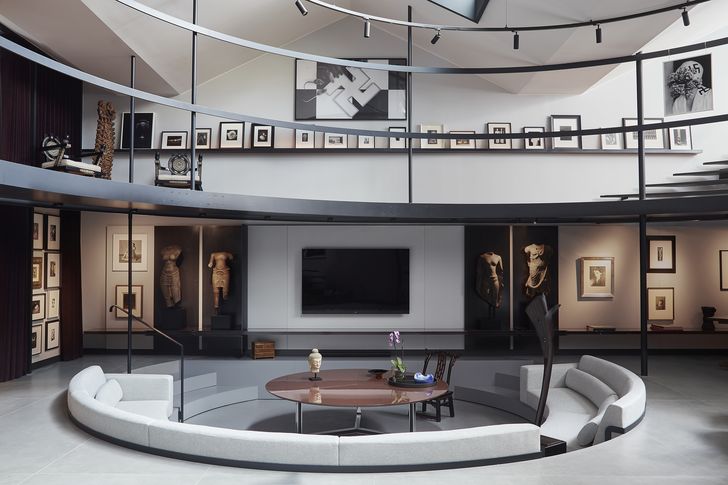
Camaleonda sofa by Mario Bellini for B&B Italia. This sofa system is now in almost every contemporary apartment around the world. It was revolutionary in its infinite configurations, a truly extraordinary concept with poetic technical details. Our first set was chosen by Claudio for his parent’s apartment in the early 70s. We love them so much we bought another vintage set to add to it when we moved to our new house in Trastevere in 2009. We then bought another large vintage set for our new country house in Todi. The last set has a wonderful stain-resistant velvet for our labrador.
View gallery
5. What is the most inspiring space you’ve been to?
The Pantheon.
6. What’s a design book you return to often?
I often find myself returning to my collection of books on the work of Italian landscape designer Pietro Porcinai. An unsung master of modern landscape design.
7. What is your favourite quote about design?
Kahn’s “What does this building want to be?”
8. Who do you look up to in design?
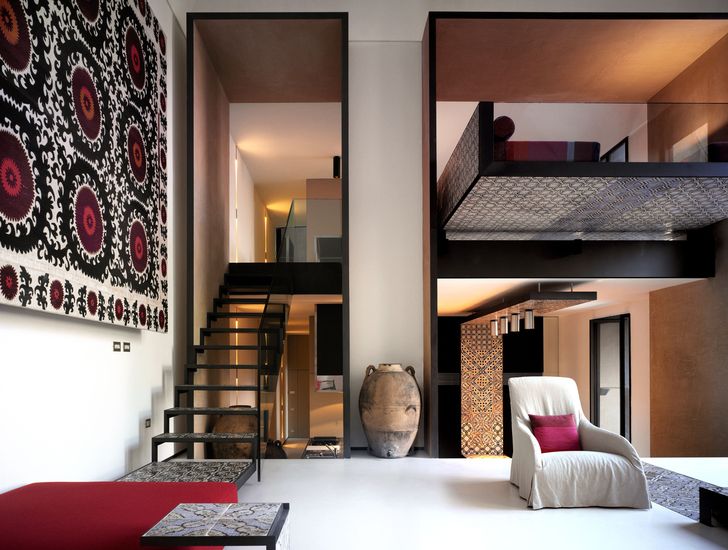
I think post-war Italian architects such as Ponti, Albini, Gardella, Caccia Dominioni and Rogers. They were cultured design strategists omnivorous in their interests. They created real houses which were abstract but warm spaces with cutting edge furniture, fine antiques and paintings.
View gallery
9. What do you consider the best project you’ve done to date?
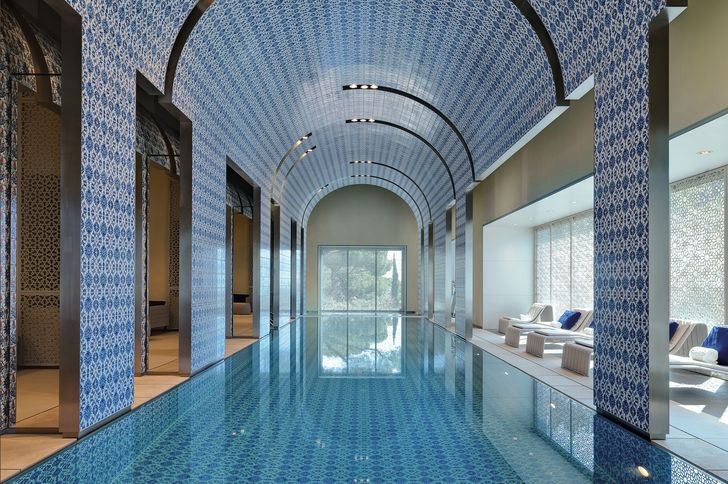
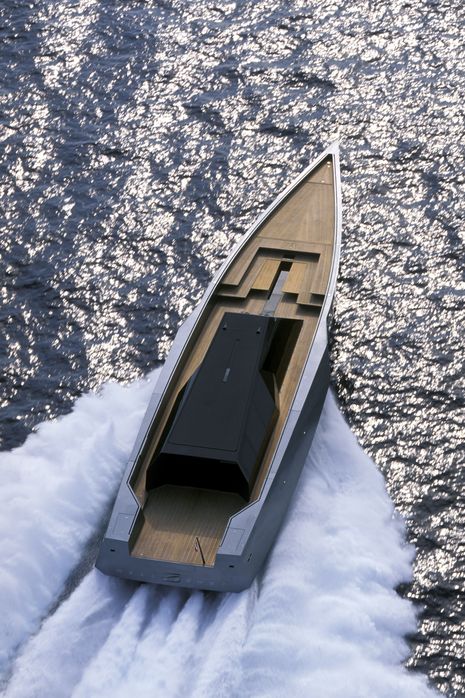
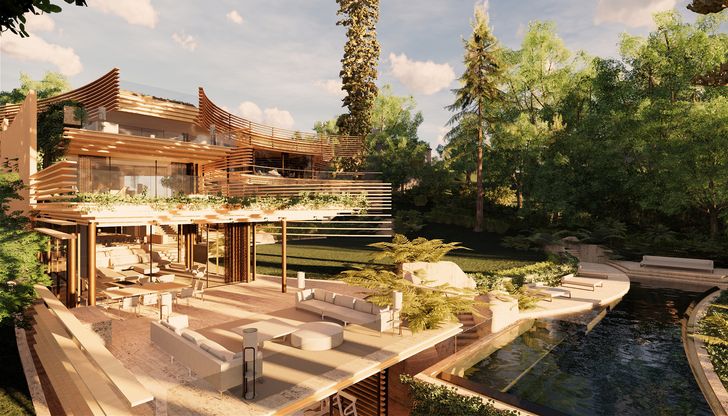
I think our project for the villa in Positano is a high point. It combines history, context, contemporary domestic figures, patina and decoration. Our project for Scott and Kim Farquhar’s villa on the Elaine site in Point Piper was the most beautiful project the office has ever designed, unfortunately only on paper. Our finest boat is the Wallypower 118.
View gallery
10. If you weren’t a designer, what would you be?
An enologist, a wine maker. I have always been interested in wine and the different types around the world. I would love to have worked with mother nature in creating unique wines.
11. What would you change about the state of design?
I think a return to the inventiveness of post-war Italian design created by architects, where true research created design objects that didn’t exist, that responded to new functions and social developments, they crafted with an artisan use of technology with an enlightened entrepreneur/producer. Most design today seems produced by marketing departments.
12. What is your dream project?
We would love to work at an urban scale which is what we were trained in at university. I also think we could have designed a true Ferrari electric car that respected the company’s DNA and taken it to another level rather than the current banale and clumsy results.