
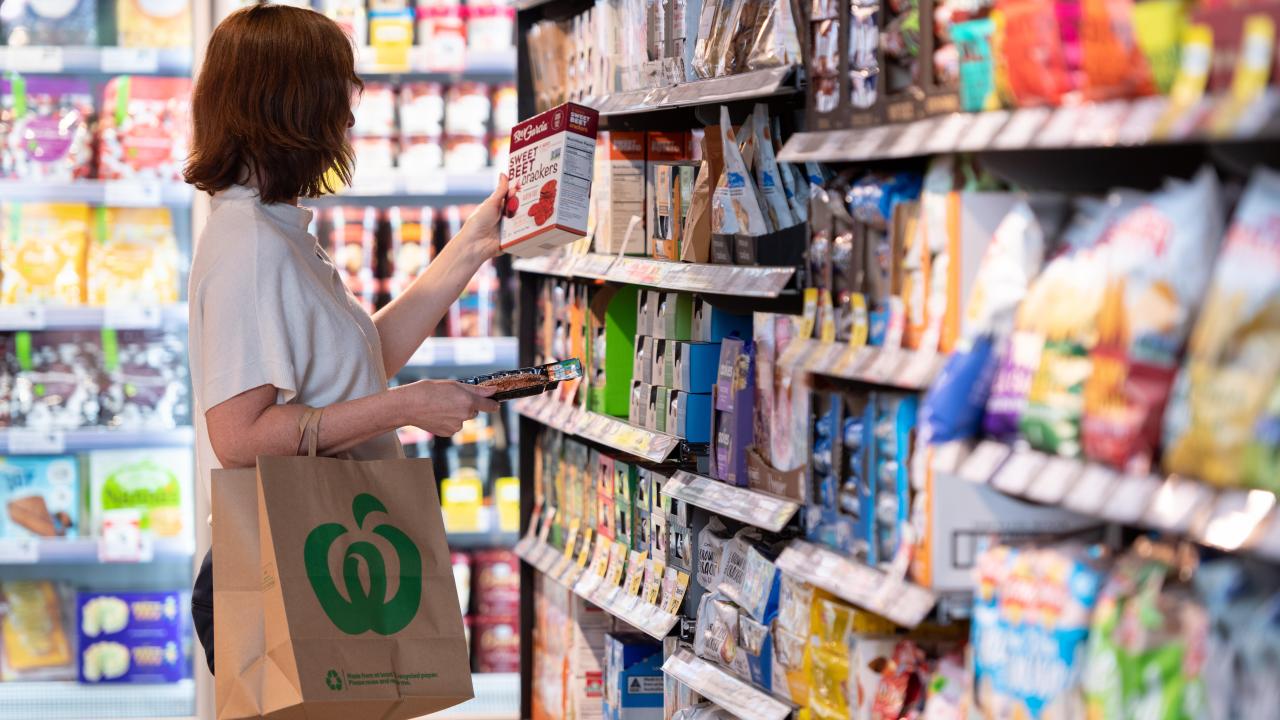
Australians are continuing to spend despite mounting cost-of-living pressures, with new figures revealing household expenditure increased 0.6 per cent in September.
The latest Australian Bureau of Statistics (ABS) data shows households spent $82.6 billion during the month, reversing a 0.1 per cent decline recorded in August.
Transport and health spending recorded the biggest increases, both rising 1.5 per cent.
Recreation and culture spending also increased by 0.8 per cent, while spending at hotels, cafes and restaurants climbed 0.5 per cent.
Higher transport spending was partly driven by increased expenditure on fuel, vehicle repairs and maintenance, as well as domestic air travel.
Fuel spending surged 5.4 per cent in September, reflecting higher global oil prices and the end of temporary fuel excise relief on August 3.
Experimental ABS volume data, however, suggests the volume of fuel purchased actually fell 2.2 per cent during the month.
Health spending also increased as Australians spent more on GP visits, dental and optometric services, medicines and toiletry products.
The ABS said increased demand for medical consultations and medicines was likely linked to late flu activity.
Not every category recorded growth, with food spending falling 0.1 per cent during September.
Spending on alcohol and tobacco dropped 0.7 per cent, while furnishings and household equipment declined 0.2 per cent.
Despite the monthly fluctuations, household spending remains significantly higher than a year ago.
The ABS figures show total household spending increased 6.8 per cent over the 12 months to September.
The figures come as inflation continues to put pressure on household budgets.
Annual inflation reached 4.3 per cent in the year to September, according to separate ABS data.
Housing costs increased 5.2 per cent over the year, while transport prices rose 8.7 per cent.
Australians are not simply spending more because goods and services cost more.
When adjusted for price changes, household spending volumes increased 0.7 per cent in the September quarter.
It marks the fourth consecutive quarter of growth, with seven of the nine spending categories recording increases.
Transport recorded the strongest quarterly growth, rising 1.6 per cent.
The ABS Household Spending Indicator draws on aggregated and de-identified bank card transactions, supermarket scanner data and motor vehicle sales information.
The next monthly household spending figures, covering October, are scheduled for release on November 30.
Read related topics:Cost of Living