
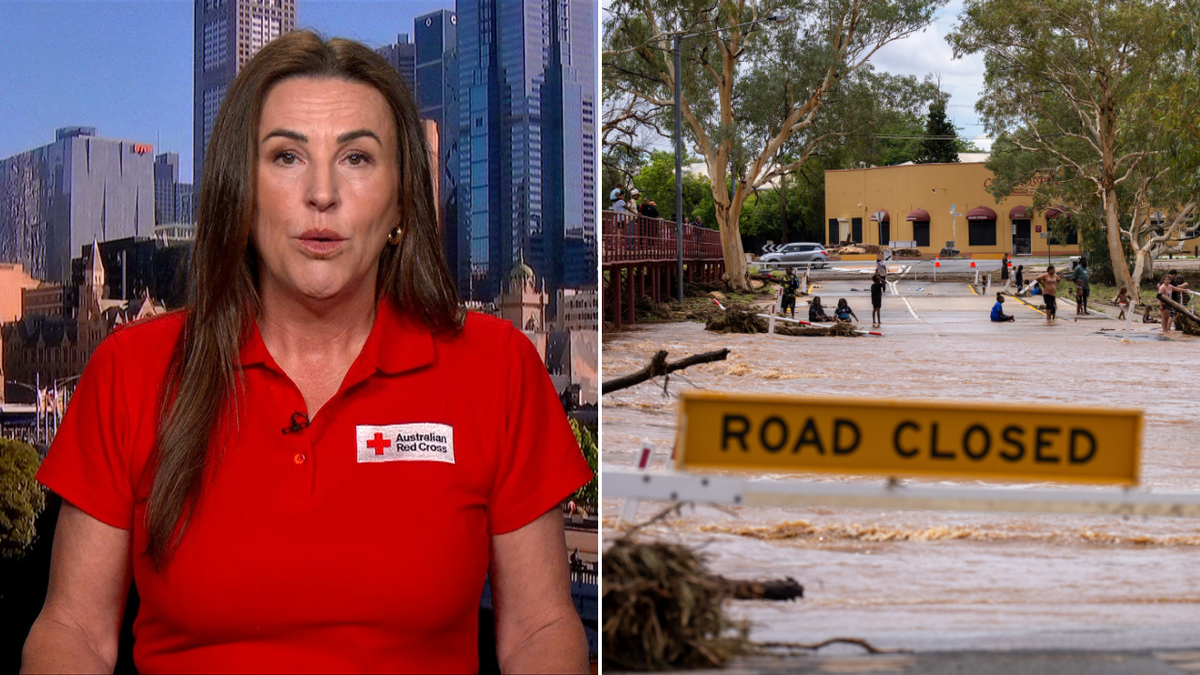
Australians have been urged to follow calls from global leaders and stockpile essential goods before a disaster strikes.
While Australia is yet to spur citizens into buy necessary items, leaders across Europe and Asia have told locals to stockpile as part of their preparation plans.
WATCH THE VIDEO ABOVE: Australians urged to prepare emergency stockpiles
Know the news with the 7NEWS app: Download today Arrow
Australian Red Cross National Resilience Director Nicola Cray said it isn’t just natural disasters, but also disruptions such as cyber attacks and damaged infrastructure.
She told Sunrise that Australians should always be prepared as the country is “experiencing more extreme and frequent weather events”.
“So we’re asking all Australians, as we do every year, to get in the know, understand what those natural hazards are in your community and what’s likely to impact your community,” Cray said.
“Know what your local arrangements are, where you would evacuate to, if indeed you were to evacuate and know your news sources.”
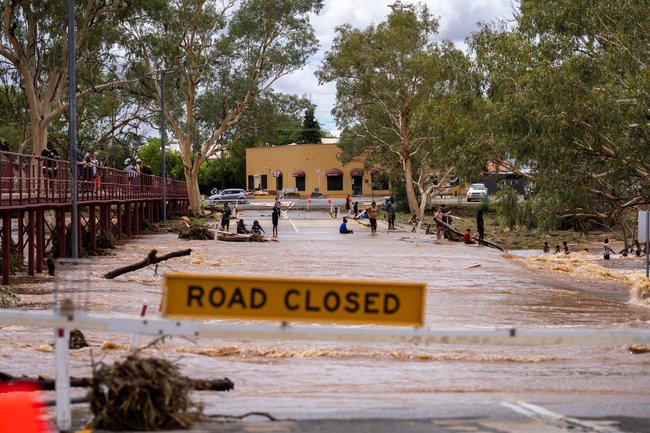 Australians have been urged to stockpile essential goods as part of their natural disaster and emergency plans. Credit: Rhett Hammerton/AAPIMAGE
She said the best course of action is to have a “grab bag” so crucial items can be taken at a moment’s notice in the event of an emergency.
“Put in your important documents, your passports, your birth certificates, insurance papers are important,” Cray said.
Be the first to know: Add 7NEWS as your preferred news source on Google
“What would you need overnight or indeed more than overnight? What do the kids need? Do they need fiddle toys, cards to keep them entertained whilst waiting for long periods of time?”
The most important item to think about is any medication, Cray said, with battery packs, torches and first aid kits also crucial.
While natural disasters like bushfires rarely impact major cities, the changing climate has also put them in the crosshairs of potential emergencies that don’t require them to leave.
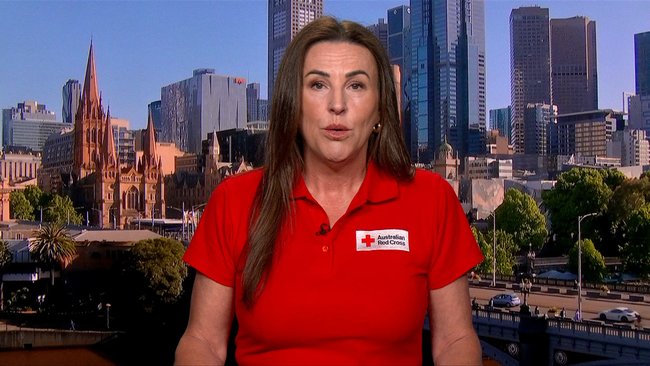 Australian Red Cross National Resilience Director Nicola Cray said medication, first aid kits and battery packs are among the most crucial items. Credit: Sunrise
“So in the city, you may be vulnerable to extreme heat, we’re seeing a lot hotter days in Australia,” Cray said.
“So in the event of an extreme heat wave, what would you do if you need to stay inside for a number of days?
“Do you have groceries? Have you got your prescriptions filled? Do you have ice packs? Can you cool down in your home?”
“And if you can’t cool down in your home, where are you going to go to cool down during a heat wave?”
Cray added part of being prepared is answering those questions in order to have a plan, so Australians panicking as little as possible during an emergency or disaster.
Qantas swings the axe at hundreds of jobs in outsourcing deal
2 min read
The three words mortgage holders need to know before it’s too late
2 min read