
AI data centre builder Firmus Technologies has told a parliamentary inquiry it would only use diesel generators at its sites during emergencies.
Firmus has operational AI data centres in Melbourne and Singapore, and is planning more in Tasmania, South Australia, Indonesia and Malaysia.
AI companies rely on energy-intensive data centres to train large language models and process and respond to queries from AI chatbots such as ChatGPT and Claude.
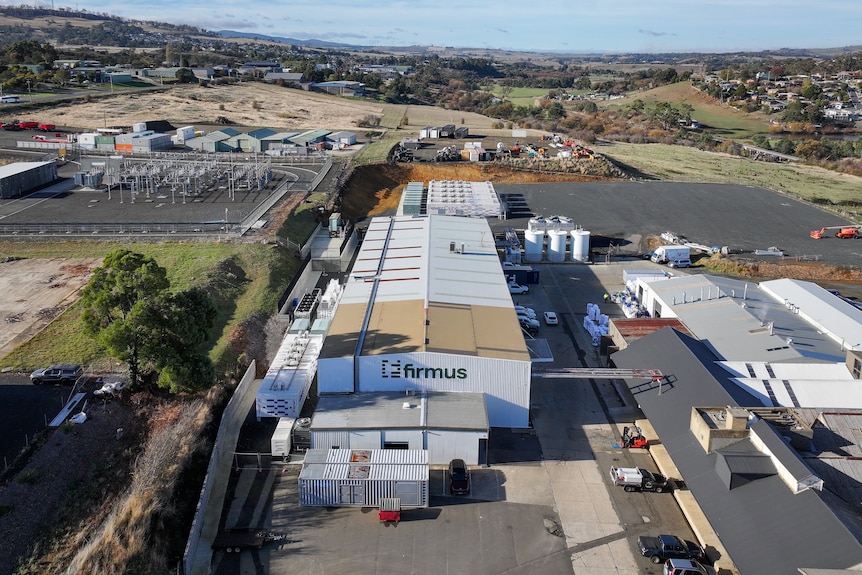
The Firmus Technologies site in St Leonards, Launceston, showing its research and development lab. (Supplied: Tasmanian government)
Firmus is building an AI data centre in the Launceston suburb of St Leonards, has approval for another at Long Reach in northern Tasmania, and is seeking approval for a third at Wesley Vale in the north-west.
When Firmus gained planning approval for its Long Reach facility, George Town Council imposed a condition that the 276 backup diesel generators could only be used during emergencies, maintenance and testing.
Community concerns had been raised about the environmental and noise impacts of their use.
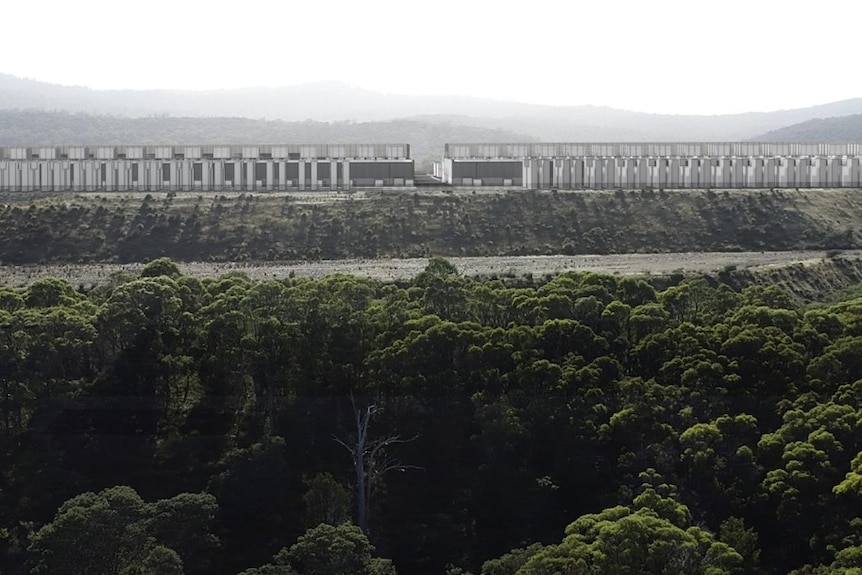
A render of Firmus Technologies’ proposed AI data centre at Long Reach, near George Town. (Supplied)
Firmus appealed the condition, calling it “unreasonable” and stating it would prevent it from using generators during periods of “energy market stress”.
Tasmania’s Environment Protection Authority has since sought to join the appeal, stating in its submission that it would have assessed the proposal differently had it known the generators would be used “potentially whenever it is commercially convenient for the operator”.
Questions at inquiry over diesel generator use
On Tuesday, Firmus faced a parliamentary inquiry into AI data centres in Tasmania and concerns over diesel generator use were raised.
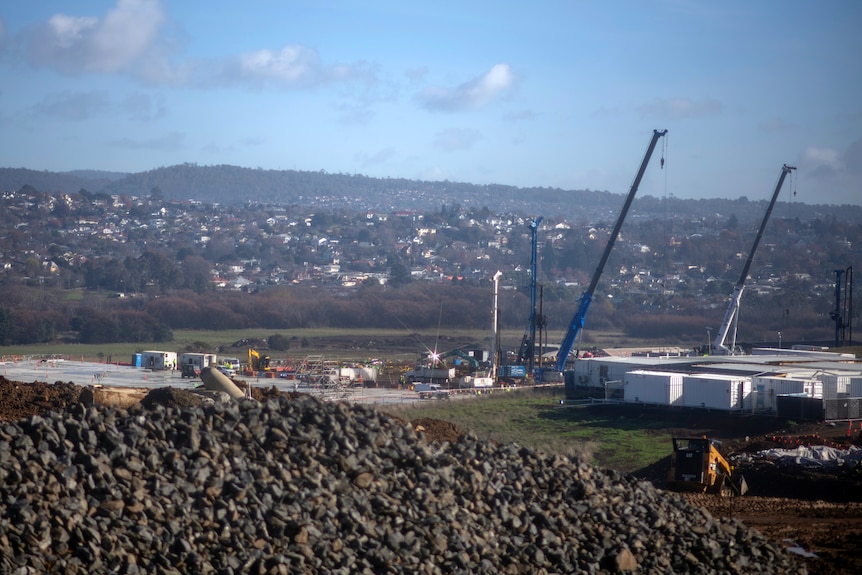
Firmus hasn’t revealed who its customers are for Tasmanian data centres. (ABC News: Morgan Timms)
Independent MP George Razay asked Firmus how often it would use its diesel generators.
“Our intent with regards to diesel generators is they’re backup generation,” Firmus energy manager Paul Grzinic responded.
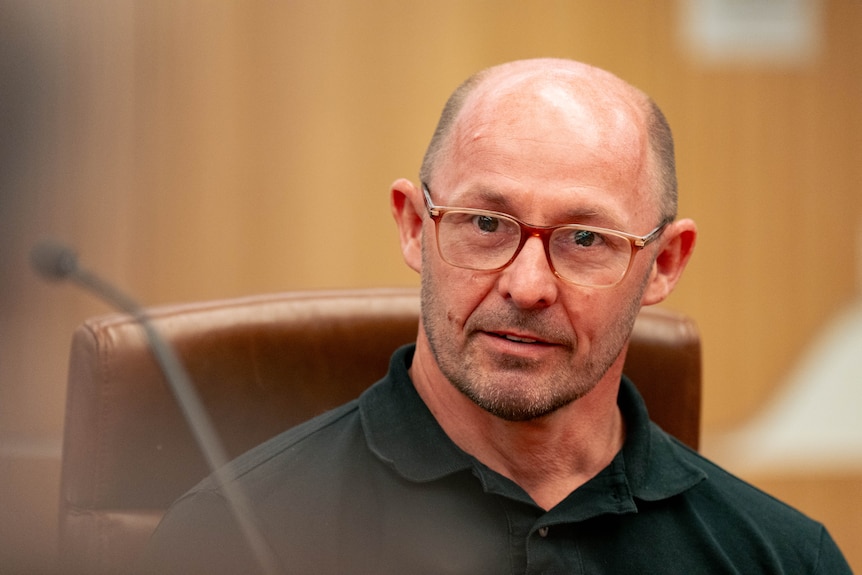
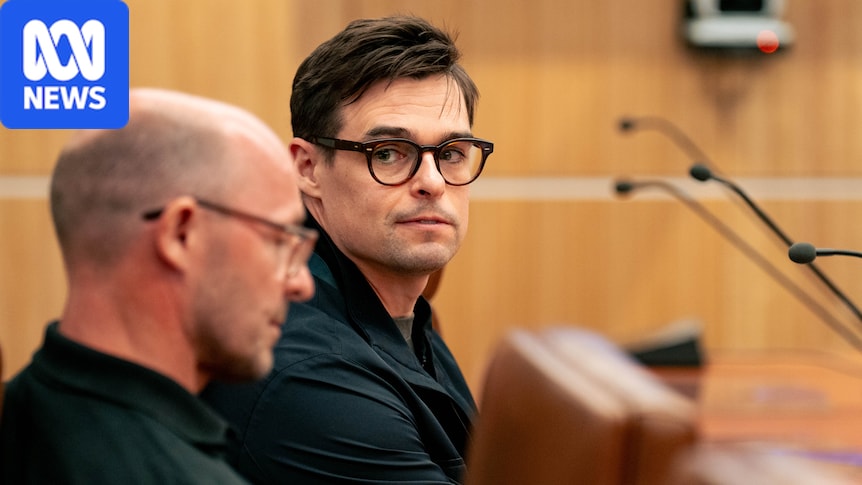
Firmus’s Paul Grzinic told the inquiry, the company was seeking clarification of the definition of “emergency”. (ABC News: Ebony ten Broeke)
“They are not intended — as others have claimed — for us to run these when commercially convenient, or any other means other than in an emergency situation.”
Greens MP and acting inquiry chair Tabatha Badger pressed the issue.
“You say it’s only for emergency use — that’s what the condition was imposed by the council — and yet you’re appealing that,” she said.
“So you can understand for Tasmanians listening, that’s not going to add up and make a whole lot of sense.”
Mr Grzinic said he could not speak in detail about the appeal while it was ongoing.
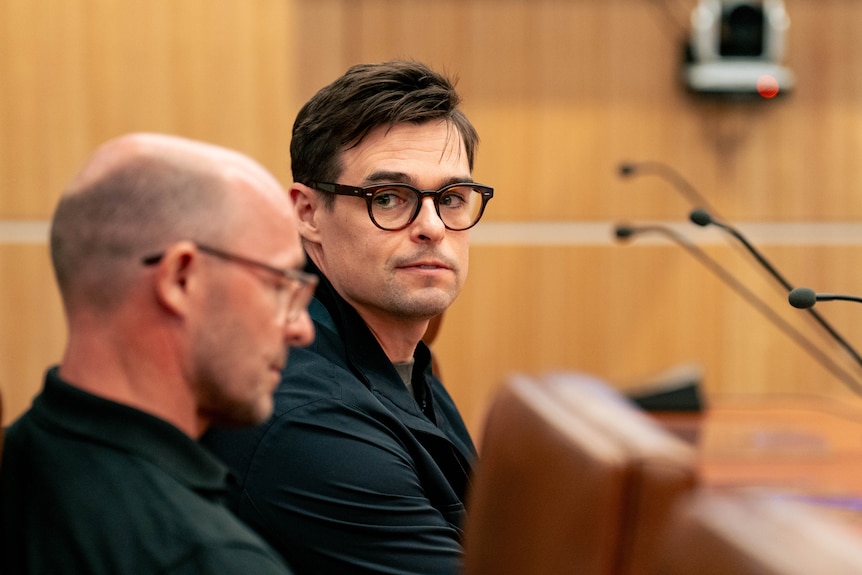
Tim Rosenfield and Paul Grzinic appearing before the Tasmanian committee. (ABC News: Ebony ten Broeke)
“We’re just seeking, effectively, clarification of — it’s quite broad, that definition of emergency — so we’re just seeking clarification,” he said.
Firmus is setting up a research and development facility at its Wesley Vale site to investigate ways to reduce reliance on backup diesel generators.
Customers not revealed
Asked by Ms Badger who Firmus’s customers were, co-chief executive and co-founder Tim Rosenfield declined to say.
“Like any commercial data centre developer, if you look at some of our listed peers in Australia, it’s not normal practice to disclose who your customers are at any particular location,” he said.
“That can be for security reasons or contractual confidentiality reasons, so I wouldn’t expect it to be an expectation for us to do so — it’s just not an industry norm.
“And I don’t think it’s something our customers would be particularly happy with us doing.”
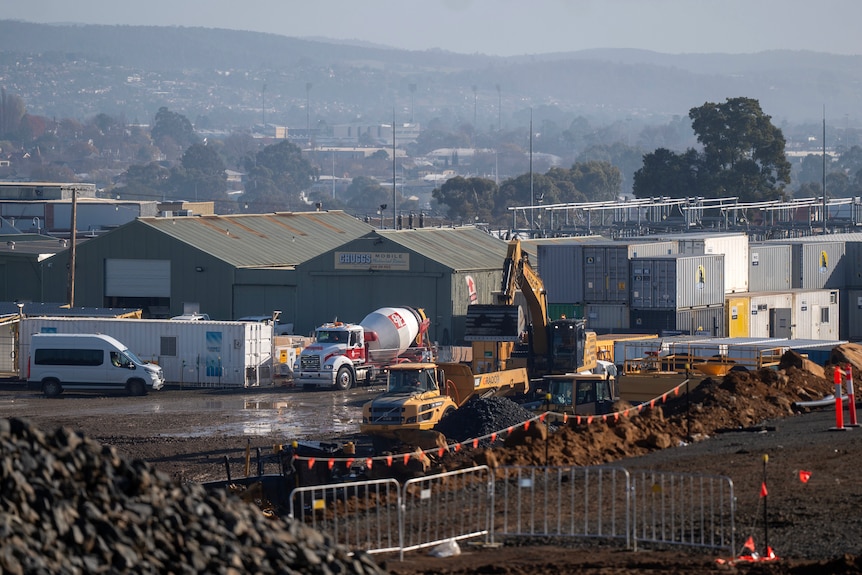
Construction underway at Firmus’ St Leonards site. (ABC News: Morgan Timms)
The company has previously said it has contracted the Launceston and Wesley Vale facilities to customers, while Long Reach was under option to a customer.
‘No change’ to plans despite cancelled float
Last month, Firmus was forced to withdraw its highly-anticipated initial public offering (IPO) — set to be the biggest float in the Australian share market since Telstra in 1997 — after lacklustre interest from investors.
Professor Razay asked about the impact that had on Firmus’s plans, but Mr Rosenfield said it did not change anything.
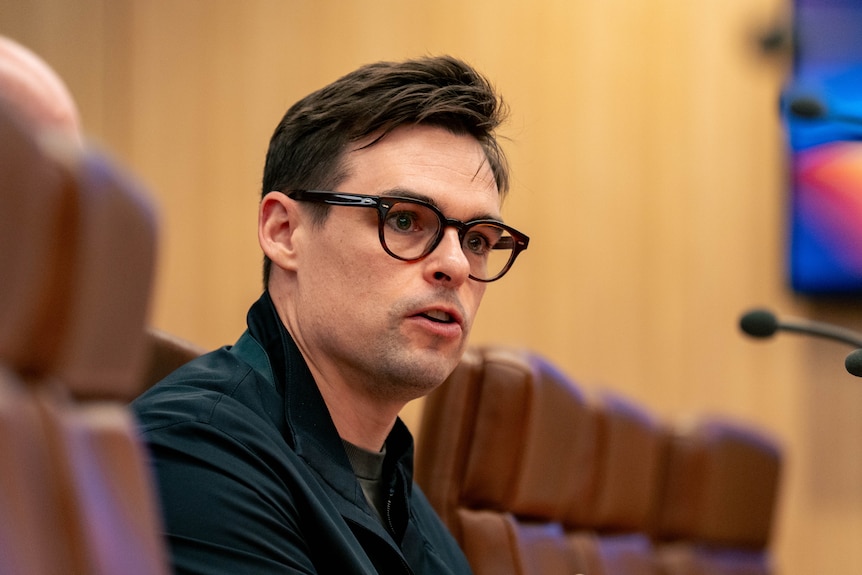
Tim Rosenfield said growth plans for Firmus were still on track, despite the abandoned IPO. (ABC News: Ebony ten Broeke)
“We have extremely supportive shareholders who are backing us to grow exactly the same way we’ve always planned to grow,” Mr Rosenfield said.
“An IPO is just a means to a transaction, we decided not to pursue that particular transaction but that doesn’t change our growth plans — not one bit.”
The inquiry will continue hearings with stakeholders about AI data centres in Tasmania before making recommendations to the government.
Students call for AI regulation
While the inquiry was taking place inside Tasmania’s parliament, some students were protesting outside about AI regulation.
Student Amaya Emery said she was hoping the federal and state governments will hold AI companies accountable.
She called on AI companies to be “transparent about their water use, their energy use, their diesel generators, if they’ll be using them”.
She also said the state-owned electricity generator Hydro Tasmania should be “transparent” about any energy deals with AI companies.
Classrooms get a ‘digital detox’
Student Ruby Bentley Turner expressed concerns about the use of AI in schools.
“The use of AI is significantly contributing to cognitive decline within students and schools.
“I think there are really grave environmental impacts that need to be considered and that the federal government needs to regulate.”
Tas stories you may have missed