
Follow us
Add us as a preferred source on Google
Newsletter
Subscribe to our newsletter
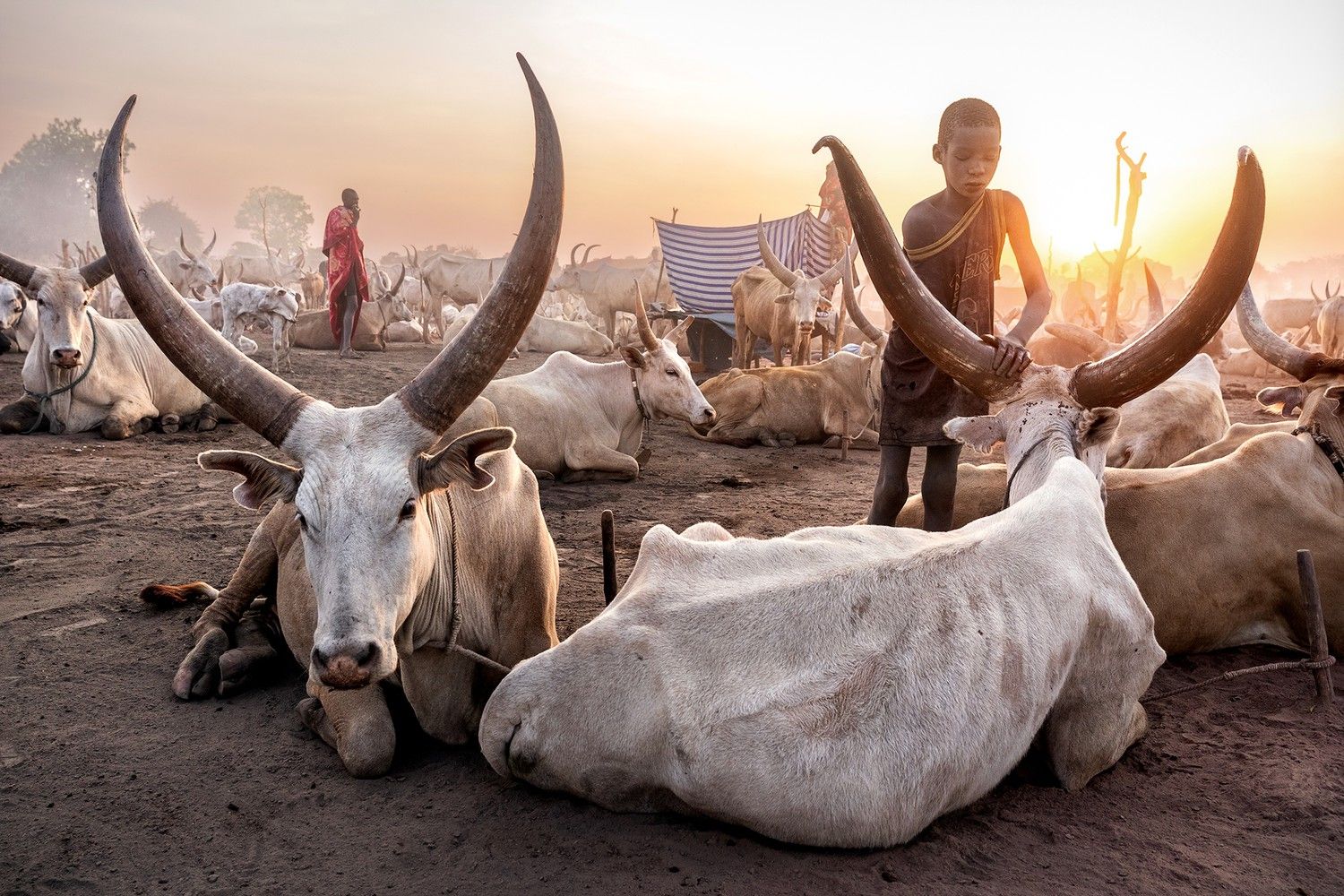
At sunrise a boy stands beside a white bull, his hands resting on its huge, curved horns. Smoke drifts across the camp. Dozens more cattle stretch off into the distance under a hazy orange glow.
It’s one of a series of dramatic pictures by photographer Roberto Pazzi, taken in the cattle camps of the Mundari people in South Sudan, titled A Childhood Between Cattle and Dust. Now the series has won the professional People category at the 1839 Awards 2026, a competition whose name honors the year that the daguerreotype photographic process was formally announced.
Aesthetically, they’re beautiful images: all warm light, swirling dust and giant horns. But they highlight a tough version of childhood that’s very different from the one most of us will have grown up with.
Latest Videos FromDigital Camera World
The Mundari are an ethnic group of around 70,000 to 100,000 people based around Terekeka, north of Juba, the country’s capital. They’re semi-nomadic and their lives revolve around herding cattle. In the camps, it’s the children who do most of the work.
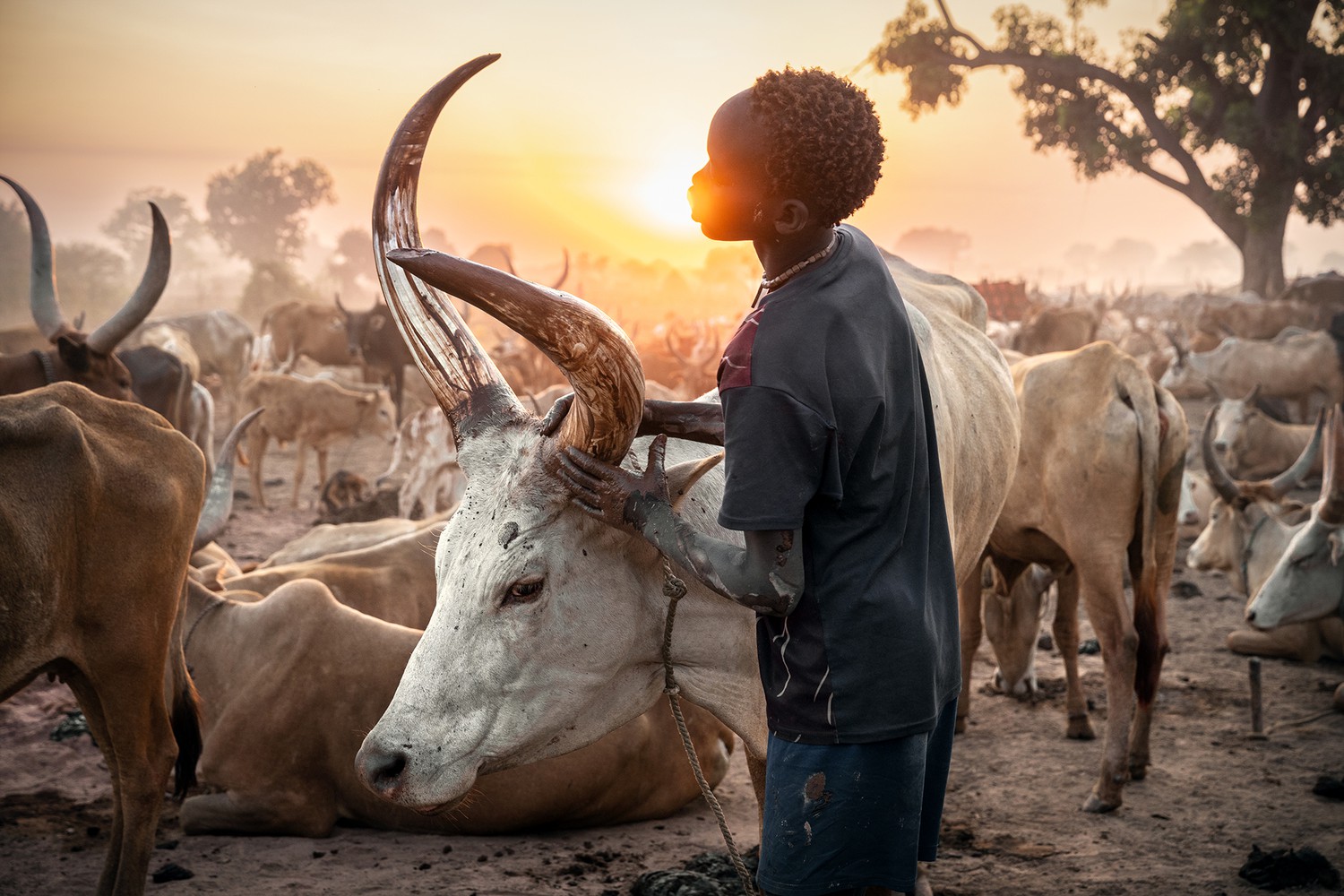
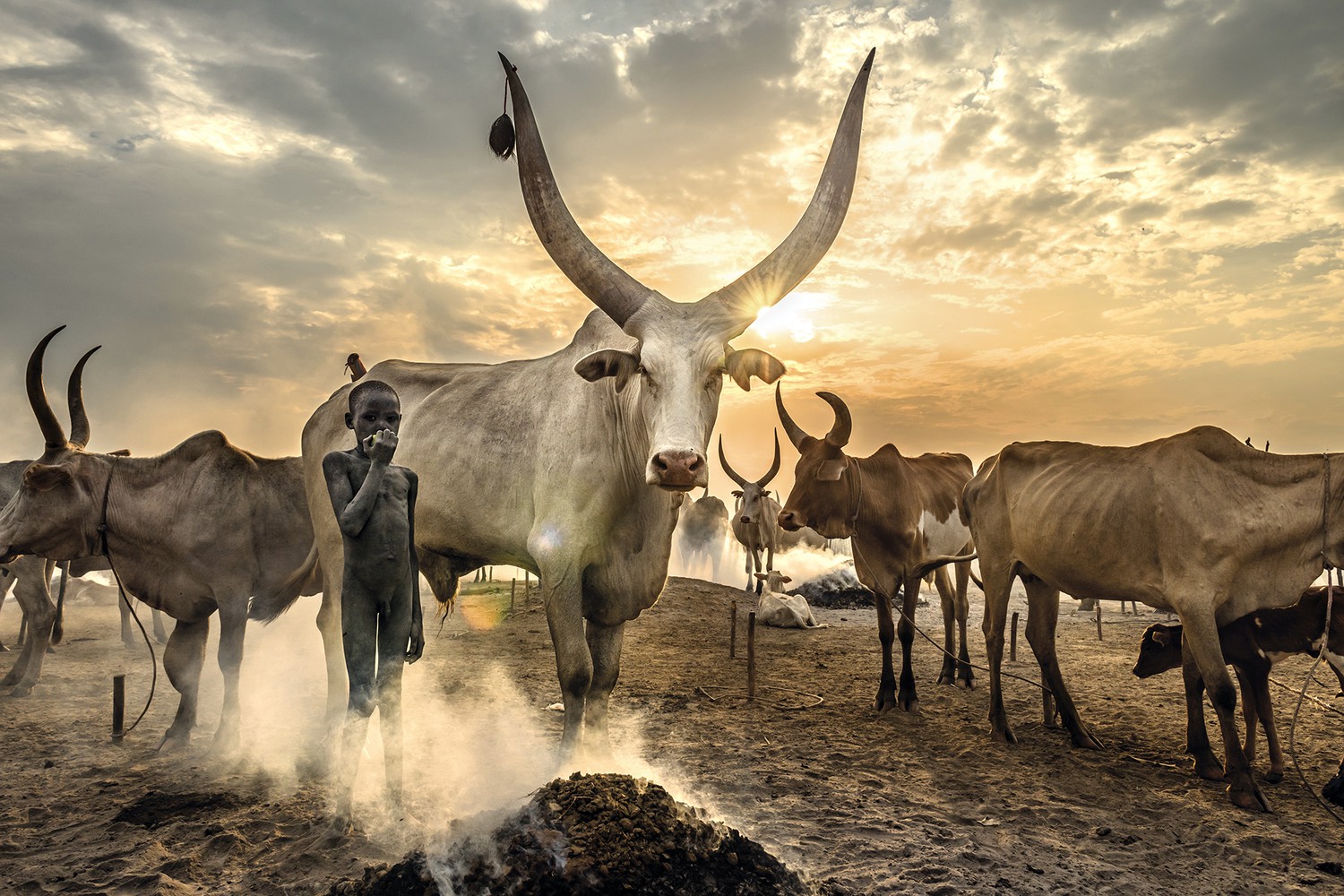
“They collect and dry dung and pile it up to be burned to repel mosquitoes,” explains Pazzi. “The ash, as fine as talcum powder, is rubbed onto their bodies and the cattle twice a day. It is also used as bedding.”
You may like
From the series Childhood Between Cattle and Dust (Image credit: Roberto Pazzi)
From the series Childhood Between Cattle and Dust (Image credit: Roberto Pazzi)
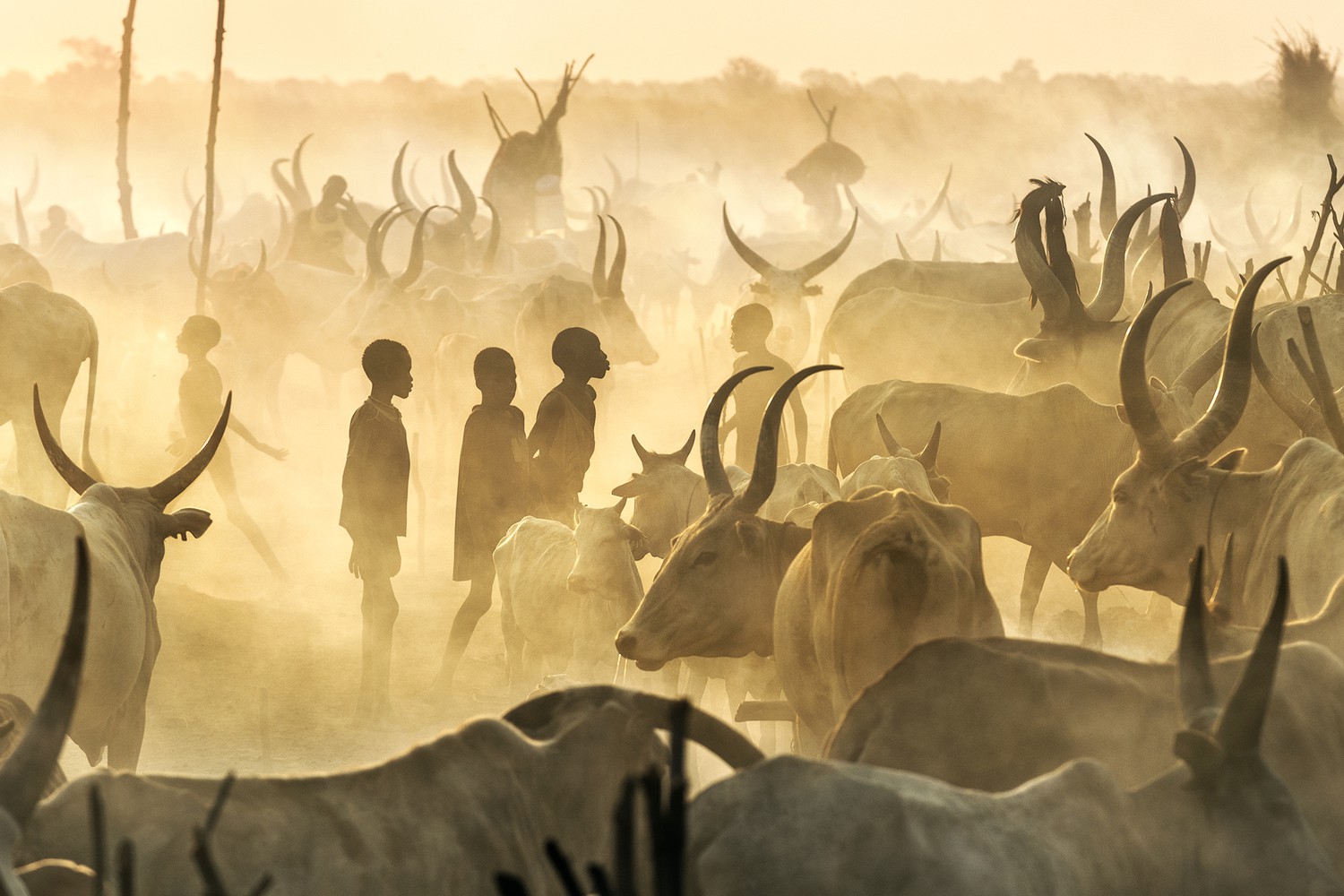
In one picture, a boy smears ash onto a bull’s head and horns, his own arm coated in grey. In another, a group of children stands silhouetted in a golden haze, surrounded by cattle with horns that seem to stretch in every direction.
In all these pictures, Pazzi makes the most of the low sun at dawn and dusk. It’s a clever creative move: the dust and smoke from the burning dung piles catch the light and diffuse it, making these scenes glow with soft gold and orange tones. He also makes visual use of the animals’ huge horns as imposing shapes against the sky.
As a result, these photographs work equally well as documentary and portraiture. Children are at the centre of every frame, but they’re never alone; instead, they’re inseparable from the herd and the landscape.
This year, the 1839 Awards drew entries from 79 countries, matching its previous record for international participation.
From the series Childhood Between Cattle and Dust (Image credit: Roberto Pazzi)
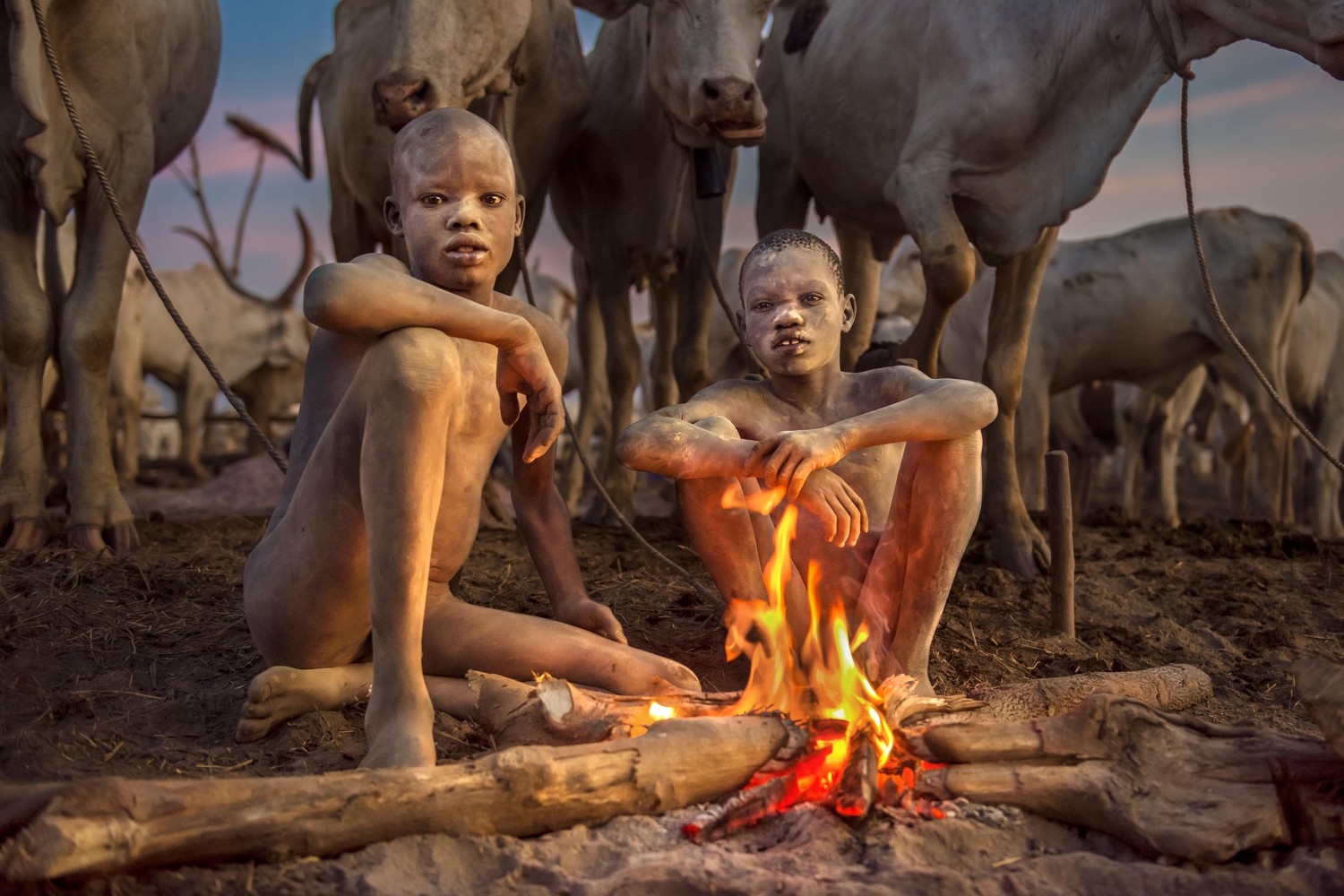
From the series Childhood Between Cattle and Dust (Image credit: Roberto Pazzi)
The jury included representatives from the Whitney Museum of American Art, Bonhams, Phaidon Press and Dwell. The top prize, International Photographer of the Year, went to Giacomo Marchione for The Invisible, a series showing marine life after dark.
Dammy Twitch was named International Discovery of the Year for What If We Lived Among Gods, a medium format film series blending myth with everyday Nigerian life. You can see all the winners on the 1839 Awards website.
Looking for competitions to enter? Here are 10 global photo contests now open for entries from November 2026 to January 2027.