
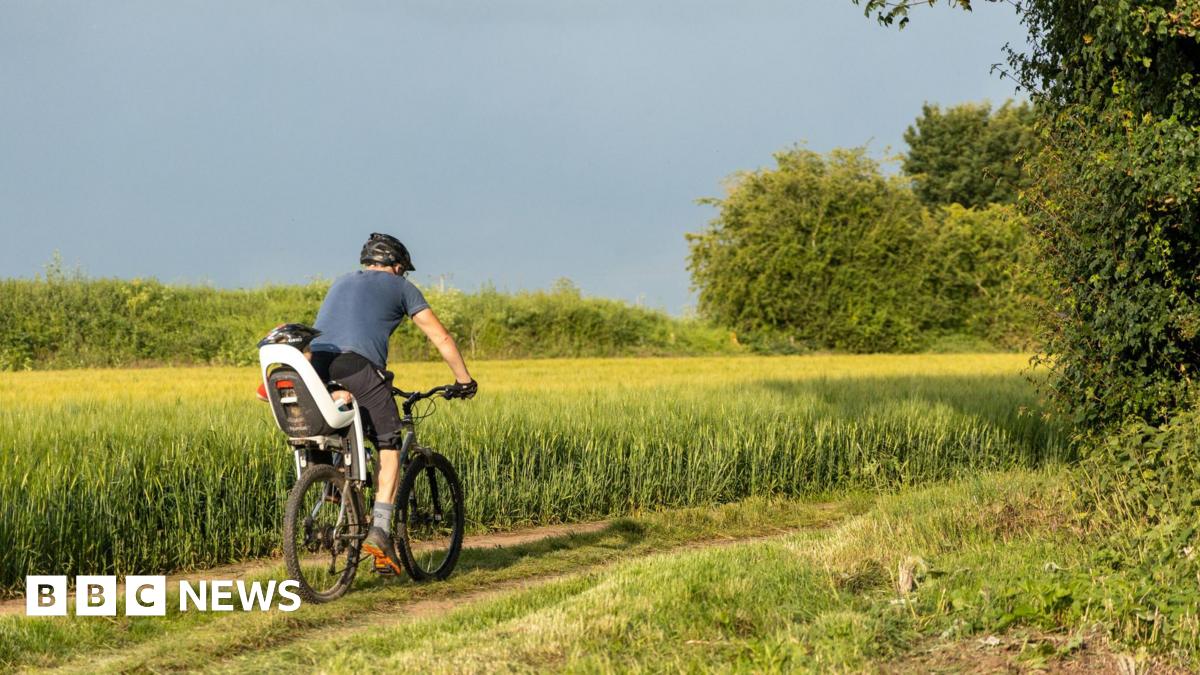
“Walking and cycling is polarising,” she said, adding that “people want us to focus more on car travel”.
The most popular suggestion, supported by seven in ten respondents, was for “quiet lanes”, or designated minor rural roads where drivers would be warned to look out for walkers, cyclists, riders and those with impaired mobility.
Options included Lumber Lane near Lugwardine, Ruckhall Lane, west of Belmont, and Ginhall Lane on the northwest of Leominster, according to a report for the meeting.
But segregated cycle lanes were not an option in much of Herefordshire as “we don’t have that many wide roads”, Ms Horton said.
She added developers were pushed to be compliant with current government guidance that prescribed cycle lanes.
Cabinet member for transport Philip Price stressed a plan was needed to move forward with any infrastructure, whether for roads, cycling or walking.
“The government have said in no uncertain terms that without these plans, you’re not likely to succeed in any bids for grant funding,” he said.
Rhiannon Evans, West Midlands manager at Active Travel England, said Herefordshire rated just 1 on its 0-4 scale of councils’ capacity to deliver active travel schemes, and that this was “linked to the amount of funding that you get”.