
By DAVID GREENE
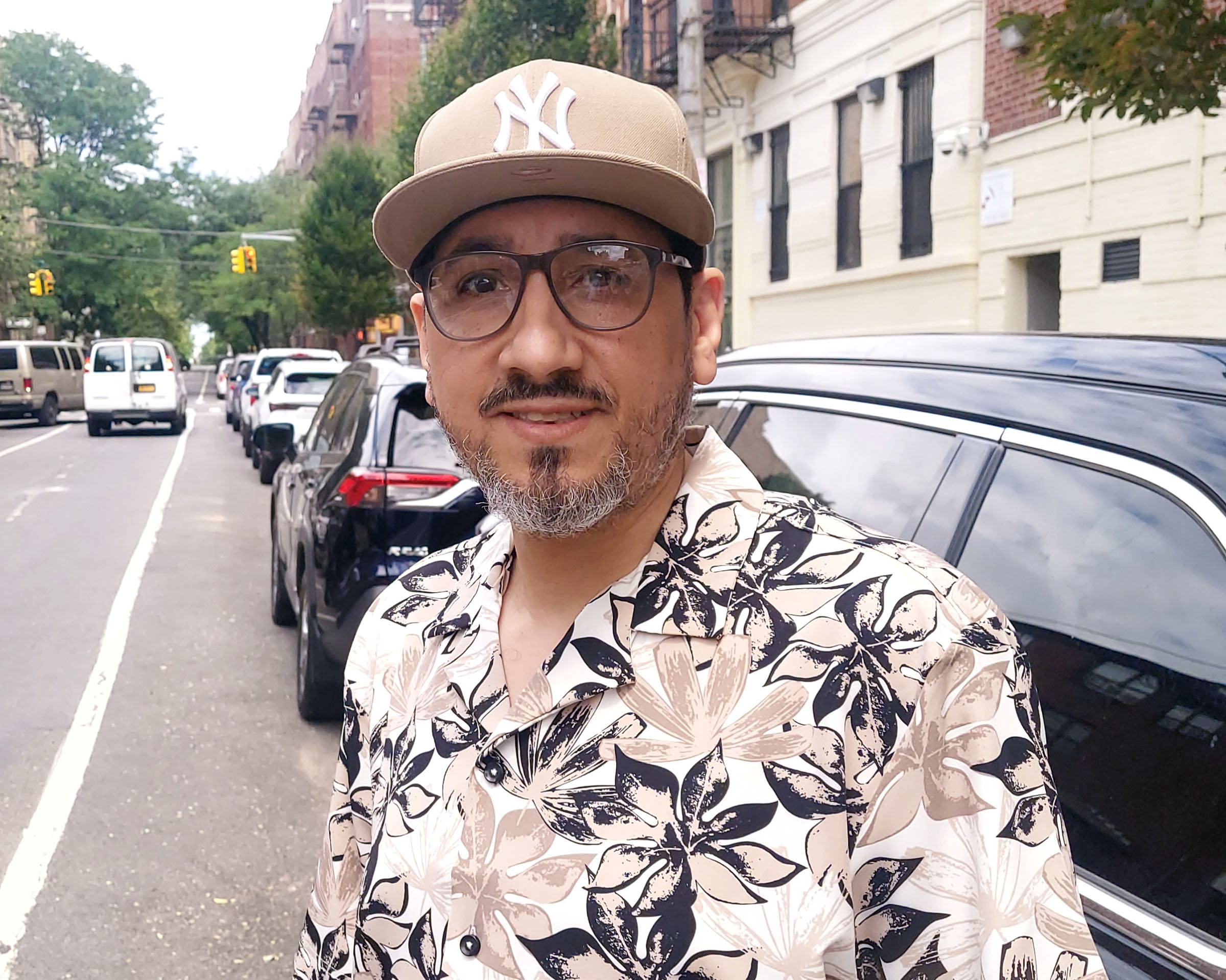 JOSEPH FONTANEZ, WEST Farms
Photo by David Greene
After a recent study found that 184,000 Bronxites do not own a computer, and 131,000 others said they were without reliable broadband service, this week, we asked readers for their views on internet accessibility.
According to the Center for an Urban Future (CUF), a leading think tank focused on building a stronger and more equitable economy in New York City, and expanding economic opportunity for all New Yorkers, consistent access to a computer and high-speed internet is essential in today’s economy, but CUF’s new report reveals that hundreds of thousands of Bronx residents remain cut off from these basic tools of modern life.
The study found that while there are significant digital gaps across the city, CUF’s report, “Understanding and Overcoming the Bronx Digital Divide,” reveals that Bronx residents face the greatest barriers of any borough, with 22.4 percent of households in The Bronx lacking broadband at home, compared to 18 percent in Queens and 12.5 percent in Manhattan.
Additionally, the report found that The Bronx also has the lowest rate of device ownership, with one in three households, or over 184,000 homes, lacking access to a computer. CUF officials said the disparities are even starker at the neighborhood level with 35 percent of households in Melrose, Mott Haven, and Hunts Point lacking a computer, compared to 19 percent in Riverdale and Kingsbridge.
They said the report also found that there are also troubling gaps in digital literacy and access to tech education, adding that today, just 11.5 percent of Bronx students are enrolled in a computer science class, the lowest share of any borough.
CUF officials said their research, made possible thanks to a grant from The Bronx Community Foundation, calls on City and State policymakers to implement a Bronx Digital Divide Equity plan that includes major new investments across three key areas: broadband adoption, device access, and digital literacy and tech education. To learn more and read the CUF’s recommendations for policymakers, see the full report here.
“I don’t know about our neighbors, but ours sucks. It just went down last night. I have no idea why it went down. It just went down and then I couldn’t get in. No T.V., no internet, so that was that. It happens often enough that I don’t have service. Walking in the street, there’s no problem, it’s just at home.”
Joseph Fontanez,
West Farms
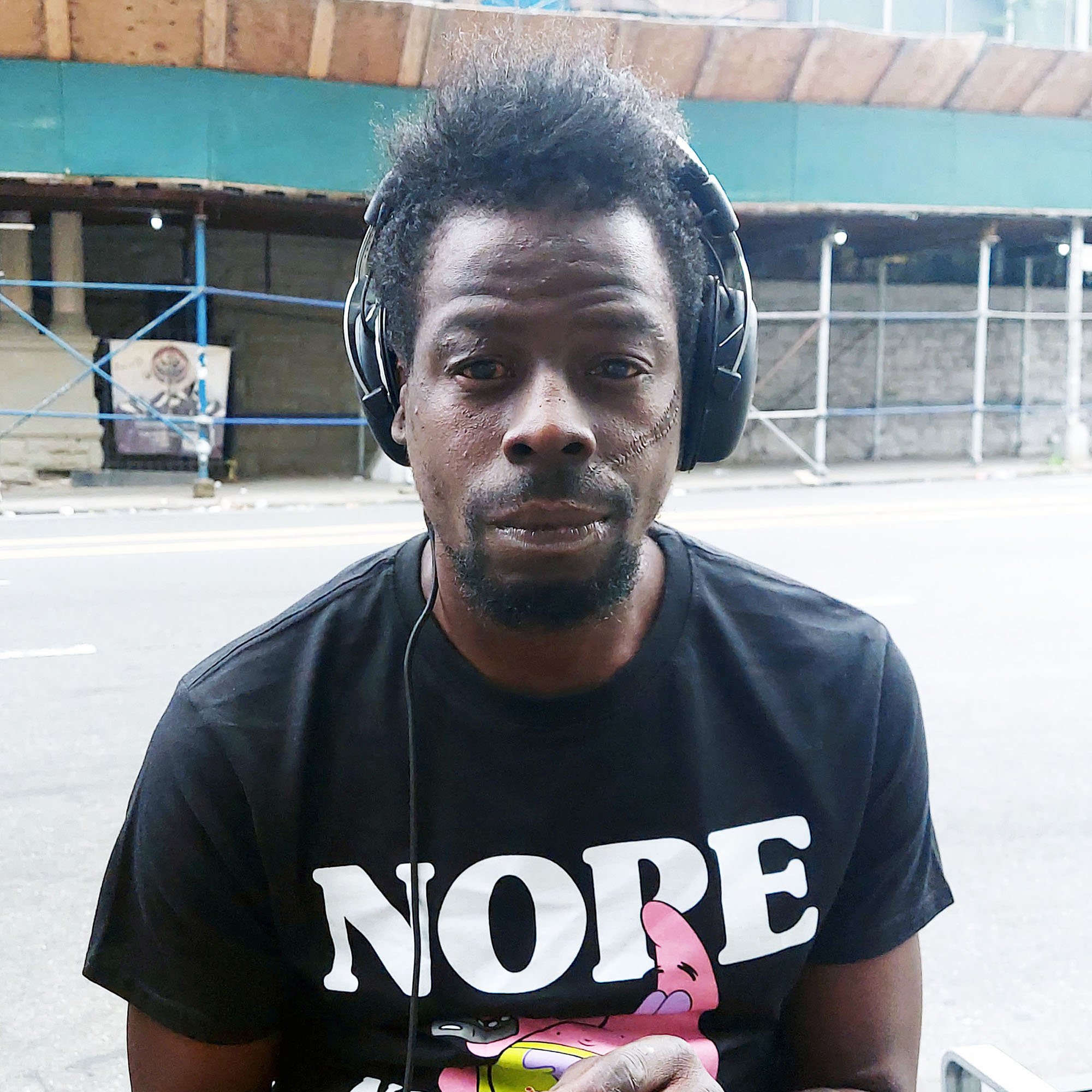 ERIC SUMMERS, TREMONT
Photo by David Greene
“Right now, I’m using an app so everything is fine. I get online with no problem; it’s perfect! Sometimes there’s a satellite problem and the service fades in and out, right? It could be for a week sometimes, or sometimes the signal will be weak and sometimes the signal is strong. It’s technically in and out, but it works. It turns on but it’s an in and out signal. It’s random from the weather, like when it rains. I think we need Starlink.”
Eric Summers,
Tremont
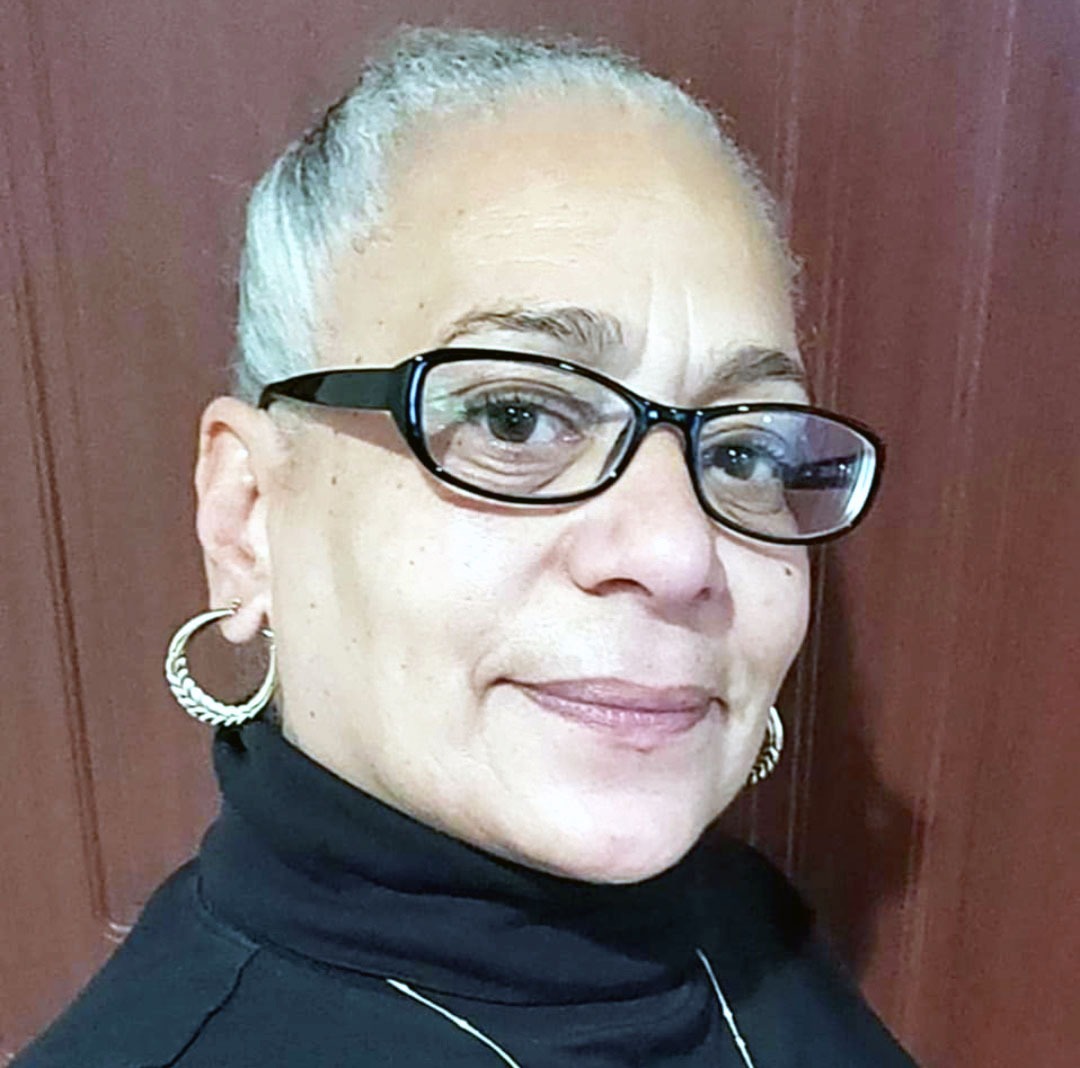 LYSSY PASTRANA, PELHAM Gardens
Photo courtesy of Lyssy Pastrana
“The service can be better; the internet is great until you have a power outage at home. You call the company and now they make you their technician. On road trips either you’re using your data capacity, or you connect to unsafe internet, which makes you vulnerable to hackers. It’s surprising that so many people are without reliable service. It’s a problem when it rains; the lights flicker a lot when we have power outages.”
Lyssy Pastrana,
Pelham Gardens
 FREDDA TOURIN, RIVERDALE
Photo courtesy of Fredda Tourin
“Having good Wi-Fi means more than being able to watch cute cat videos. FOMO (fear of missing out) can be very real in a world where situations can change in an instant, and especially when government sources of information have been compromised, for instance during weather disasters or a national emergency. Wi-Fi service in my neighborhood, while not perfect, has improved over the last 10 years.”
Fredda Tourin,
Riverdale
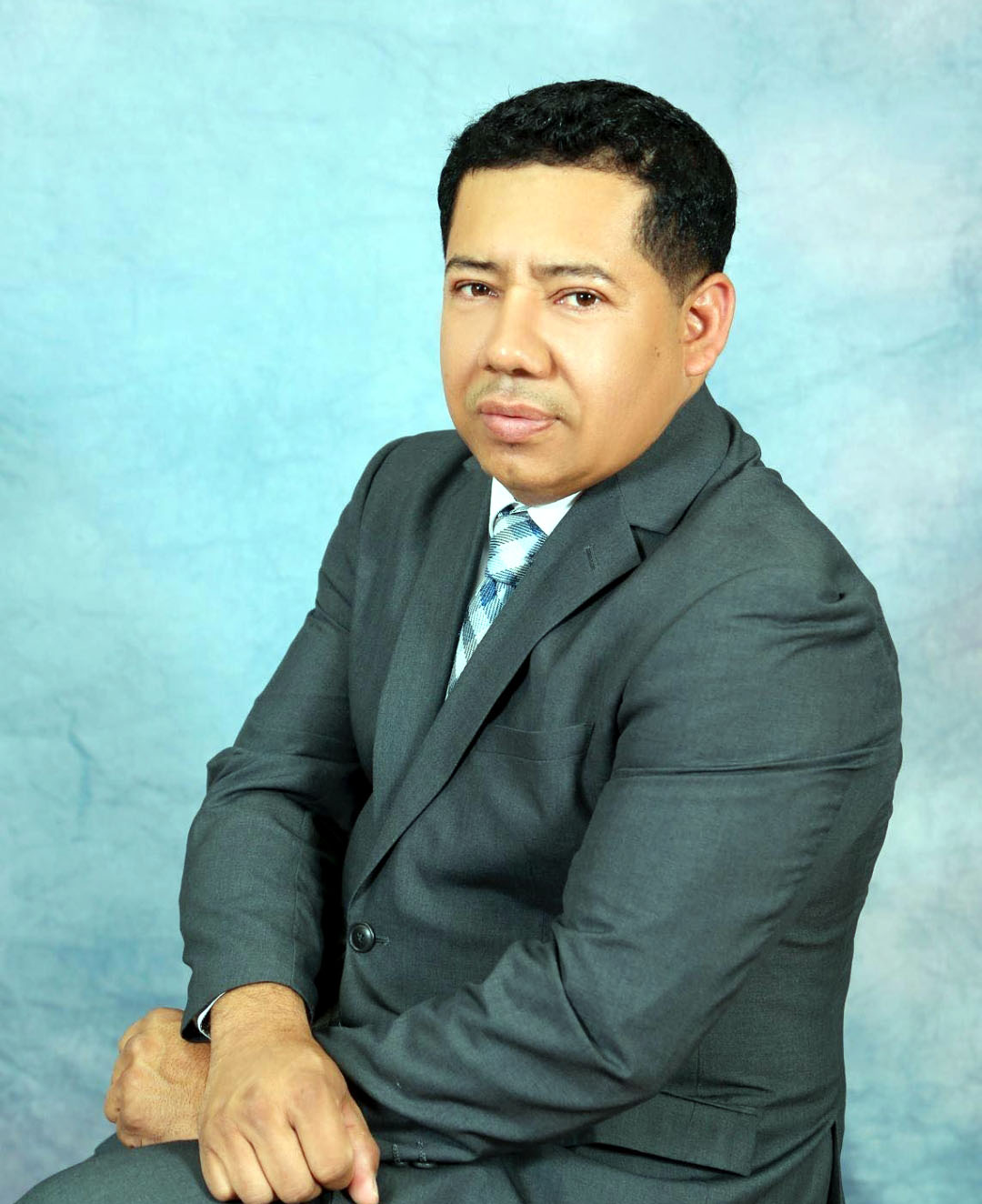 CARLOS E. Reyes
Photo courtesy oof Carlos E. Reyes
“Unfortunately, when it’s raining those are the worst days for the internet. Even if I am home, I don’t have enough signal and I’ve been trying different companies but still on cloudy or rainy days it’s hard to get a good signal. I don’t know what the problem is, but it’s not just one company.”
Carlos E. Reyes,
Long Island
Editor’s Note: CUF receives general operating support from The Clark Foundation and the Altman Foundation. The Center is also grateful for support from Fisher Brothers Foundation for the Center for an Urban Future’s Middle Class Jobs Project, and ongoing support from a number of other philanthropic funders.