Share
Tweet
Share
Share
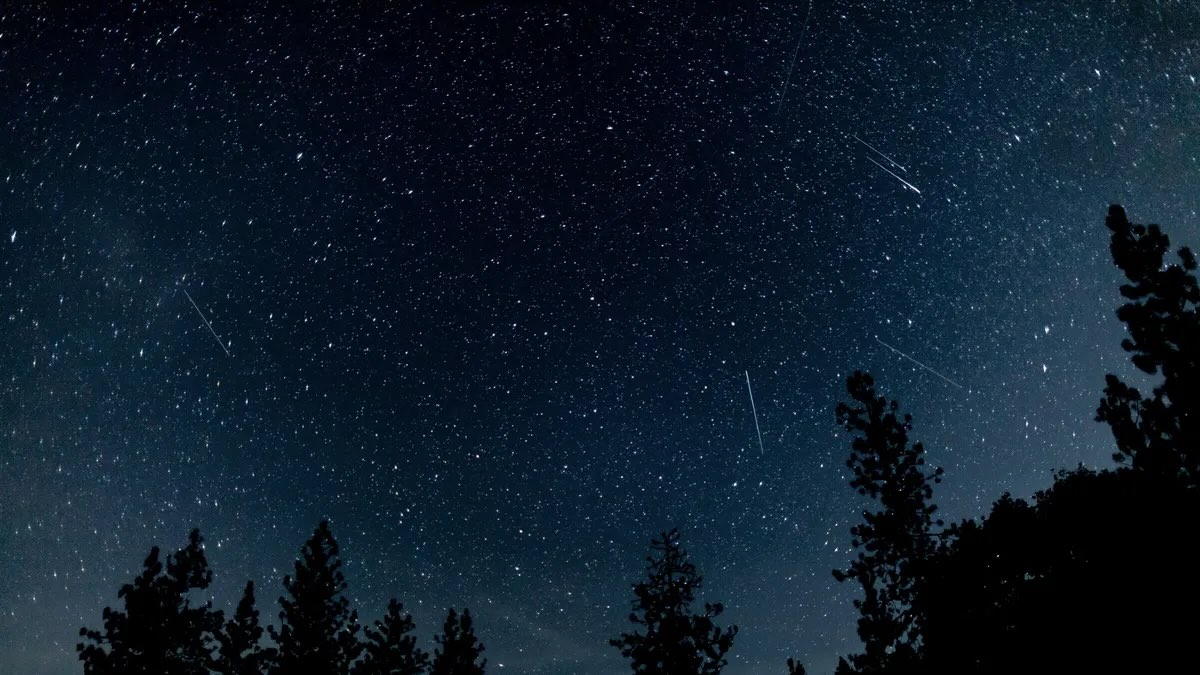
Image Credit: David Hoffmann Photography/Getty Images via Space.com
If you missed the peak of the Orionid meteor shower, don’t worry – there’s still time to catch one of the most spectacular sky shows of the year.
This week presents a celestial treat for stargazers across Australia, as the Orionids continue to light up the night sky following their peak visibility on October 21 and 22. Originating from the dust and gas trail left behind by Halley’s Comet, the shower offers an awe-inspiring display, with multiple meteors streaking across the heavens each hour. The Orionids are expected to remain visible until November 7, giving enthusiasts plenty of opportunity to enjoy the show.
Adding to the excitement, two rare comets – Lemmon and SWAN – are also visible this week. Comet Lemmon, which takes around 1,350 years to orbit the Sun, and Comet SWAN, which completes its journey only once every 20,000 years, are both making close approaches to Earth, offering a truly unique opportunity for observation.
For the best experience of the Orionids, it’s recommended to look towards the north-east after midnight, in the direction of the Orion constellation — known in Australia as The Saucepan. The radiant point, located just below Orion’s bright shoulder star Betelgeuse, marks the spot from which the meteors appear to emerge.
The optimal viewing time was during the early hours of October 22, when Earth passed through the densest part of Halley’s debris trail. But visibility continues each night, from midnight through until dawn, allowing for flexible viewing. Under clear skies, spectators can expect to see around 15 meteors per hour, painting bright, fleeting trails across the darkness.
While Halley’s Comet itself won’t be visible – it only returns every 75 years, with its next appearance due in 2061 – the sight of Comets Lemmon and SWAN makes for a fitting consolation. Comet Lemmon can be best spotted 90 minutes after sunset in the northwest or before sunrise in the northeast. It can be seen with the naked eye, but binoculars will make the view even more vivid. Comet SWAN, meanwhile, is best seen in the western sky just after sunset, near the bright star Spica, and may also benefit from binocular assistance.
The best viewing conditions for both the meteors and comets are found away from city lights, where minimal light pollution allows the sky to come alive. No special equipment is required, just a clear horizon, patience, and a bit of curiosity.
For more info, click here.