
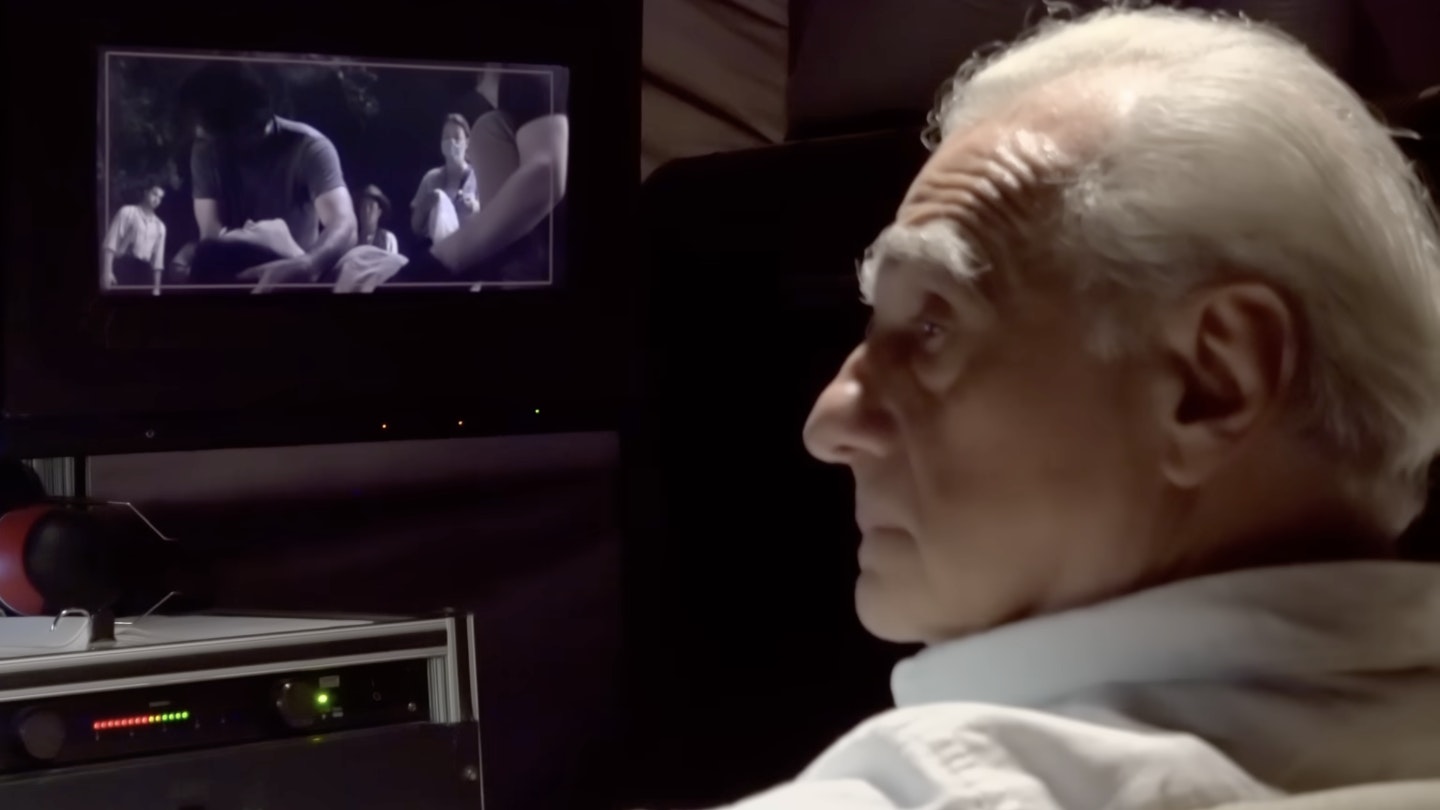
After 27 feature films, legendary filmmaker Martin Scorsese sits down to reflect on his life, with collaborators and old friends weighing in.
“EVERY MAN HAS to go through hell to reach his paradise.” Not our words, but the words of cigar-sucking maniac Max Cady in Cape Fear. And they apply, aptly, to the director of that 1991 thriller, as is proven in this phenomenal five-part documentary, so kinetic and compelling that it could be mistaken itself for a Martin Scorsese Picture.
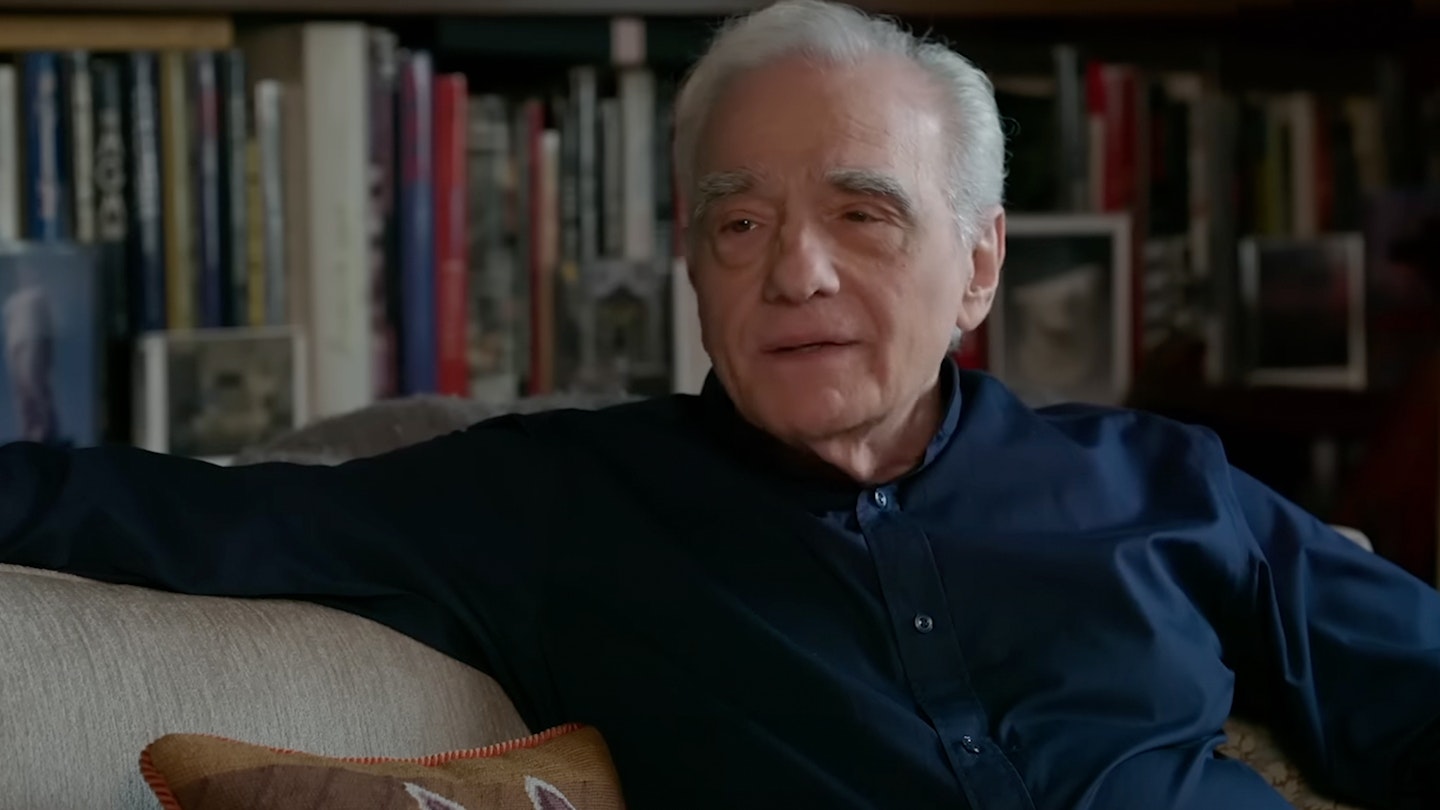
Scorsese has — despite his current status as a pop-culture icon, part cuddly grandpa, part saint-like protector of cinema — been through it. He’s battled it all, from cocaine addiction to blue spells to Harvey Weinstein. And just as his movies gaze unflinchingly at whatever worlds they chronicle, this “film portrait” by Rebecca Miller pushes into some raw places, an honest look at a complex man rather than the syrupy hagiography it could have been. Two people (Isabella Rossellini and Thelma Schoonmaker) refer separately to Scorsese as “a volcano”; we also hear how he furiously shoved Weinstein’s desk out of a third-floor window while making Gangs Of New York, only to discover he’d got the wrong desk. The five-times-married director’s tricky history with women is also probed, and Sharon Stone tells of the boys’ club that was the Casino set, until she cornered Scorsese and told him he had to start talking to her.
Here, we get the story of a man, not an icon.
The brilliance of this doc is showing clearly how Scorsese has fed all that human frailty into his work. Raging Bull, a film that Steven Spielberg describes here as putting him into a catatonic state when he watched it, was fuelled by his crisis of faith. So affected was Scorsese by Shutter Island’s dark material that he had panic attacks making it. Here, we get the story of a man, not an icon. And the glimpses of his life away from soundstages are fascinating, like extremely affecting footage of him with Helen, his wife of 26 years, who has Parkinson’s.
Miller’s husband is Daniel Day-Lewis; he appears here (charmingly, he may be the only person on the planet to refer to Scorsese as “Martin”), talking about how Taxi Driver blew his mind. The access is, in fact, incredible across the board. You get the talking heads you might expect: Spielberg, De Niro, DiCaprio. But you also get Scorsese film-pals Ari Aster and Spike Lee (“What’s his name? Rupert Pumpkin?”). And best of all, friends from his old neighbourhood, shooting the shit in what could be deleted scenes from Mean Streets. Mr. Scorsese’s biggest coup sees the man upon whom that classic’s shit-stirrer Johnny Boy was based make a showing, despite De Niro having thought he was dead, and being as chaotic and hilarious as you’d hope. You can’t keep a good mook down.
Incisively making links between Scorsese’s life and work, and letting its A-list guest stars tell wonderful stories, this is a smart, fast salute to a goodfella.