
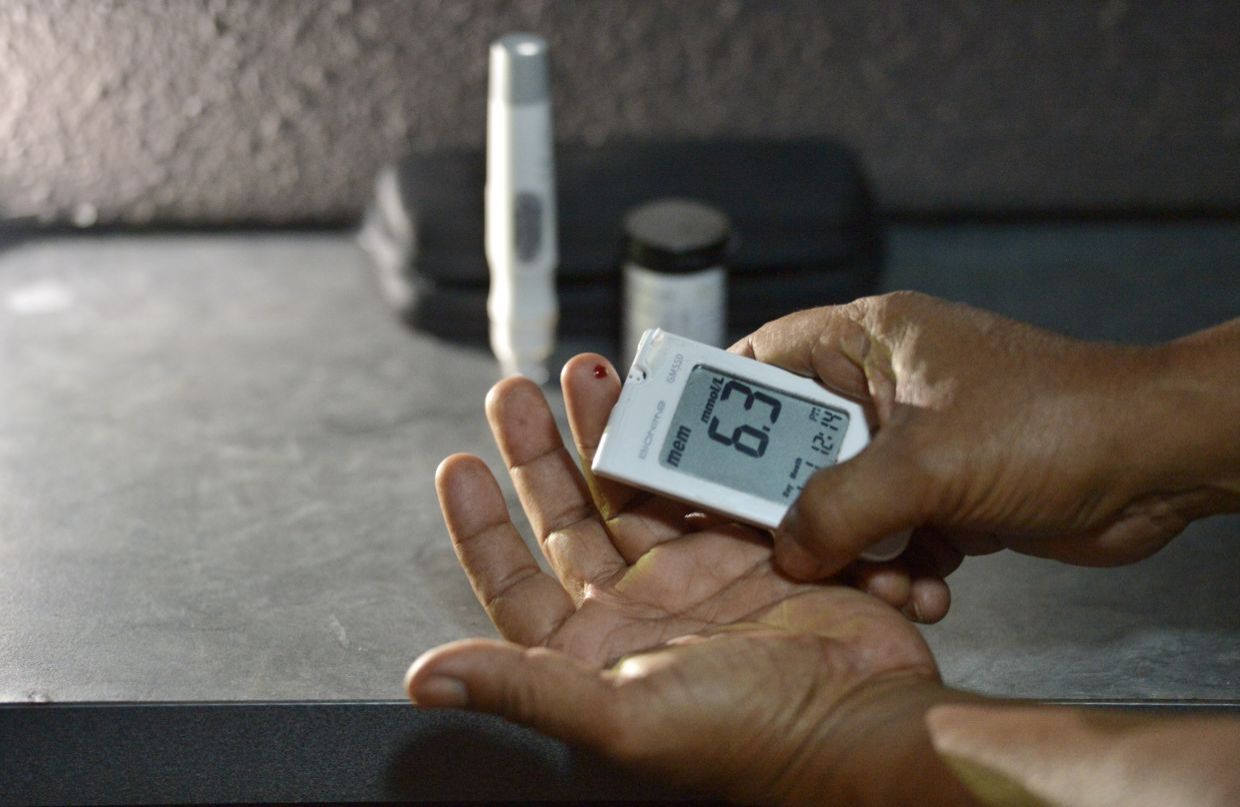
KUALA LUMPUR: The Malaysian Medical Association (MMA) is calling for a 30% reduction in added sugar content across manufactured food and beverages within the next five years and for the sugar tax to be expanded.
MMA president Dr Thirunavukarasu Rajoo said drastic measures were urgently needed as Malaysia now ranks 13th in the world—and the highest in Southeast Asia—for diabetes prevalence.
He said efforts must include a gradual 20% to 30% reduction in added sugar content in manufactured foods and drinks over a three- to five-year period.
“This target is achievable, aligned with global practice, and capable of significantly reducing the burden of non-communicable diseases,” he said in a statement for World Diabetes Day on Friday (Nov 14).
He added that the MMA also wants to see the expansion of the sugar tax, clearer front-of-pack nutrition labelling, and wider promotion of affordable, nutritious food options.
Dr Thirunavukarasu said the situation had reached a critical point, citing recent data that placed Malaysia among the worst globally for diabetes prevalence.
“According to The Star’s report on Thursday (Nov 13), Malaysia now ranks 13th worldwide and highest in Southeast Asia, with 21% of Malaysians—one in five adults—living with diabetes.
“The National Health and Morbidity Survey 2023 found that 15.6% of adults have diabetes, and more than half are overweight or obese.
“This is deeply worrying. Diabetes is no longer just a health issue. It is a national crisis,” he said.
He stressed that bold and coordinated action involving the government, industry players, educators and the public was urgently needed.
“This issue goes far beyond hospitals and clinics.
“Poorly controlled diabetes leads to complications such as kidney failure, heart disease, amputations, blindness and stroke—many of which require costly, lifelong care,” he said.
He noted that reports from the Health Ministry and the World Health Organisation showed that diabetes-related treatments accounted for RM4.38bil in direct healthcare costs in 2017 alone.
“If prevention and lifestyle change are not prioritised, these costs will continue to rise, placing a growing burden on families, employers and the national health budget.
“We cannot afford for this trend to continue. Prevention is far more cost-effective than treatment,” he said.
Other recommendations by the MMA include promoting annual health screenings for adults.
“Early detection is key. Many live with diabetes unknowingly, missing opportunities for timely intervention.
“Making annual screening accessible, affordable and culturally normal—starting from age 18—can reduce complications and long-term costs,” he said.
He added that public health education must also be strengthened in schools, workplaces and the media.
“MMA also supports the formation of inter-ministerial task forces or strategic partnerships between public health agencies and non-governmental organisations.
“While some initiatives already exist, stronger alignment and measurable national targets are urgently needed,” he said.