
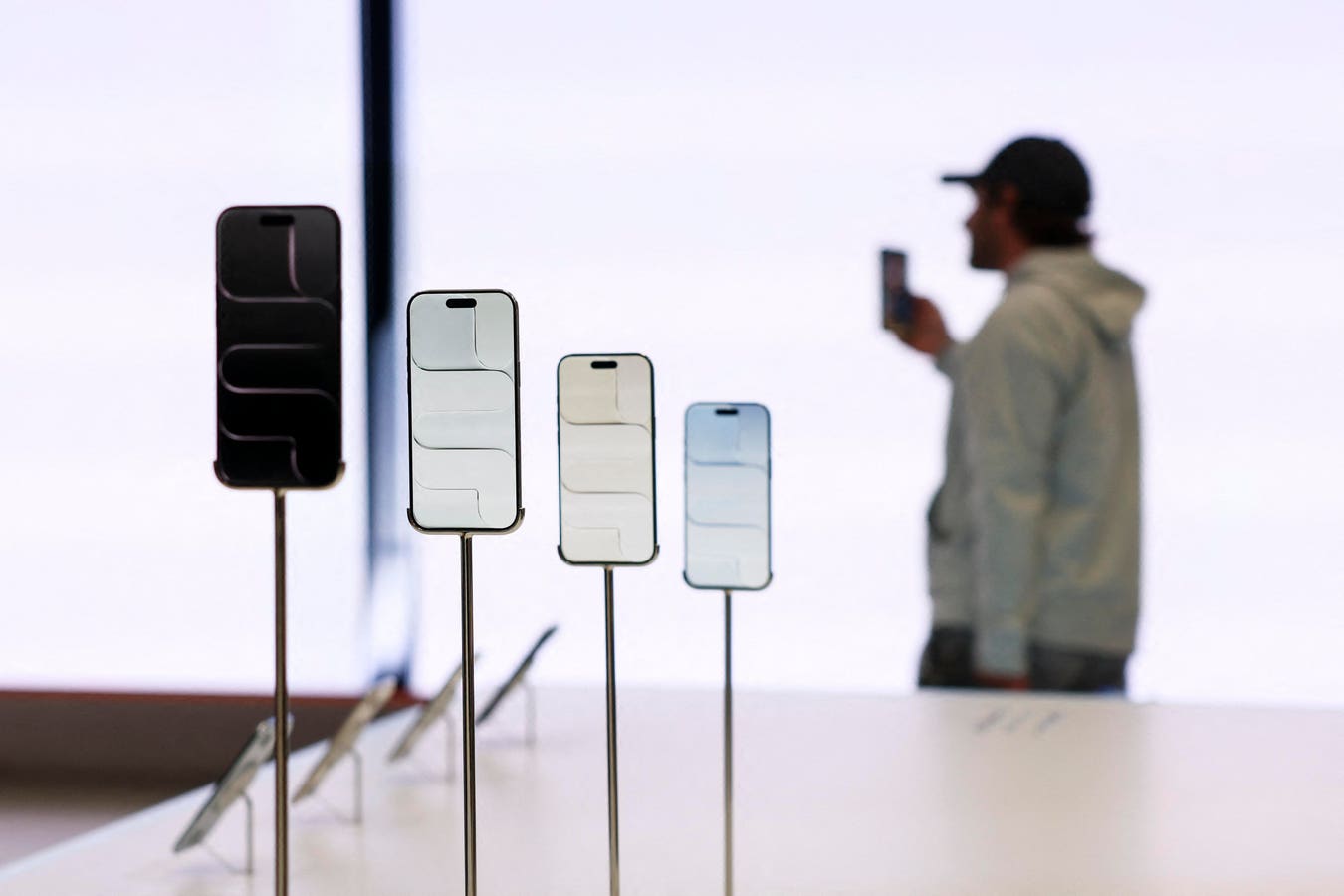
The iPhone Air, are displayed at the Apple Store in New York (Photo by ANGELA WEISS/AFP via Getty Images)
AFP via Getty Images
Taking a look back at this week’s news and headlines from across the Apple world, including iPhone 18 Pro Max leaks, iPhone Air disappointment, Apple Socks return, Apple Silicon’s evolution, Mac Mini M5 dates, Opera celebrates DMA win on iOS, and happy birthday to the iPod.
Apple Loop is here to remind you of a few of the many discussions around Apple in the last seven days. You can also read my weekly digest of Android news here on Forbes.
iPhone 18 Pro Max Design Leaks
Next year’s iPhone 18 Pro Max, which is expected to once again be the largest iPhone in the next-generation family, is going to gain some weight. Supply chain reports suggest a four percent (10g) increase over the current model. This could involve a larger battery, improved optics, or increased cooling requirements for a 2nm-based A20 chipset.
Writing for Notebook Check, Vineet Washington picks out the impact of the potential iPhone Pro Max design changes:
“This means the phone will weigh around 243 grams, making it the heaviest iPhone ever. The record, for now, is held by the iPhone 14 Pro Max which weighs 240 grams. With the iPhone 15 and iPhone 16 series, the use of titanium allowed for some weight reduction. The iPhone 17 Pro Max went back to an aluminum body which brought it up to 233 grams.”
The Air May Have To Last A Bit Longer
Echoing news around Samsung’s thin Galaxy S25 Edge, Apple is reportedly delaying the release of the second iPhone Air into 2027. The fashionably thin smartphone was released in September alongside the iPhone 17 family and received significant marketing from Apple. This does not look to have translated to the sales Tim Cook and his team were hoping for:
“Apple has already been planning for a split launch for the iPhone starting with the iPhone 18 models. The iPhone 18 Pro, iPhone 18 Pro Max, and foldable iPhone are planned for fall 2026, while the iPhone 18 and iPhone 18e will be held until early 2027. It’s possible that the next-generation iPhone Air will come out alongside the iPhone 18 in the spring.”
Sock It To ‘Em
Apple’s latest product is a throwback to one of the classic iPod accessories of the last two decades… the sock. Apple has reintroduced the fabric carry case for its latest iPhones. They are available in either pocketable or over-the-shoulder designs. The Register’s Paul Kunert takes a decidedly British look at the latest from Cupertino:
“Apple, the reassuringly expensive US technology brand, is selling a sock in which iPhone owners can house their gadget. “Inspired by the concept of ‘a piece of cloth,’ its singular 3D-knitted construction is designed to fit any iPhone as well as all pocketable items,” according to Apple. It is designed by the Japanese fashion house ISSEY MIYAKE, which may mean something to Steve Jobs fanatics as it produced the black turtleneck Apple’s co-founder frequently wore when on stage.”
The M1 to M5 Evolution
It’s been five years since Apple introduced the ARM-based Apple Silicon M1 in the MacBook Air, MacBook Pro, and Mac Mini. Replacing the x86-based Intel chipset enabled Apple’s Mac platform to take a generational leap over the competition, a leap that the company has continued to maintain with each iteration.
With the M5 now available in the latest MacBook Pro, it’s an opportunity to see how far ahead it has remained over the last five years. Juli Clover takes a walk down a Mac memory (and processor) lane to find out how much the M5 dominate the M1.
The Rise Of The M5
With the M5 chipset now available in the latest MacBook Pro, attention is turning to the higher-spec variant and when that hardware will be on sale. A new report from Bloomberg’s Mark Gurman suggests the M5 Mac Mini and Mac Studio are set for a “mid-2026” launch. “The middle of the year will bring the M5 and M5 Pro Mac mini, in addition to M5 Max and M5 Ultra versions of the Mac Studio.”
…which potentially lines up with Apple’s regular Worldwide Developer Conference in June. Given the different target audiences for these laptops, launching them at the same event would be a strategic move that leverages synergy. With a new MacBook Air expected in late Q1, an Air/Mini pairing feels more likely.
DMA Support Contributes To Opera’s iOS Win
Thanks to provisions in Europe’s DMA to increase competition in the browser market by offering users a choice on initial setup, Norway’s Opera has seen an 88 percent surge in daily users on iOS across the continent. Opera’s Executive VP Jørgen Arnesen explains:
“Fifteen years ago, Opera launched the first alternative to Apple Safari for the iPhone. After more than a decade of small digit growth, we saw an opportunity to revamp the browser two years ago, bringing several of our unique trademark Opera features such as free browser VPN to iOS users. (…) Since then, the combination of a relentless focus on unique browser innovations, a more leveled playing field in Europe, and focused marketing has created the highest growth product we have seen for years in our portfolio.”
It’s worth noting that Opera’s nod to the positive impact of the DMA comes in the same week as an Apple-funded study conducted by Analysis Group (PDF) highlighted the lack of impact of the DMA on app pricing. In a statement to Forbes contributor David Phelan, Apple said:
““The DMA has failed to live up to its promises, delivering less security, less privacy, and a worse experience for consumers across Europe. This study provides further evidence that the DMA is not benefiting consumers in the form of lower prices. At the same time, we know the regulation is creating new barriers for innovators and startups while exposing consumers to new risks.”
And Finally…
November 10 was the anniversary of the iPod launch, going on sale. One month after the reveal in October, the public could pick up the most impactful media player since the Diamond Rio. The MacRumors team head into the museum of specs to be astounded by the capabilities:
“It was impressive to be able to have a 5GB FireWire drive in your pocket at the time, and iPod owners used it as a hard drive for file transfers. MP3 players existed, but nothing with the storage capacity and design of the iPod.
“With the iPhone that does everything an iPod does, there’s no longer a need for the iPod. The very last iPod was the iPod touch, which Apple updated sporadically and then didn’t touch after 2019. It was officially discontinued in 2022, marking the end of the iPod line. Apple almost never announces when a product has been discontinued, but the iPod was an exception given its history.”
Apple Loop brings you seven days worth of highlights every weekend here on Forbes. Don’t forget to follow me so you don’t miss any coverage in the future. Last week’s Apple Loop can be read here, or this week’s edition of Loop’s sister column, Android Circuit, is also available on Forbes.