
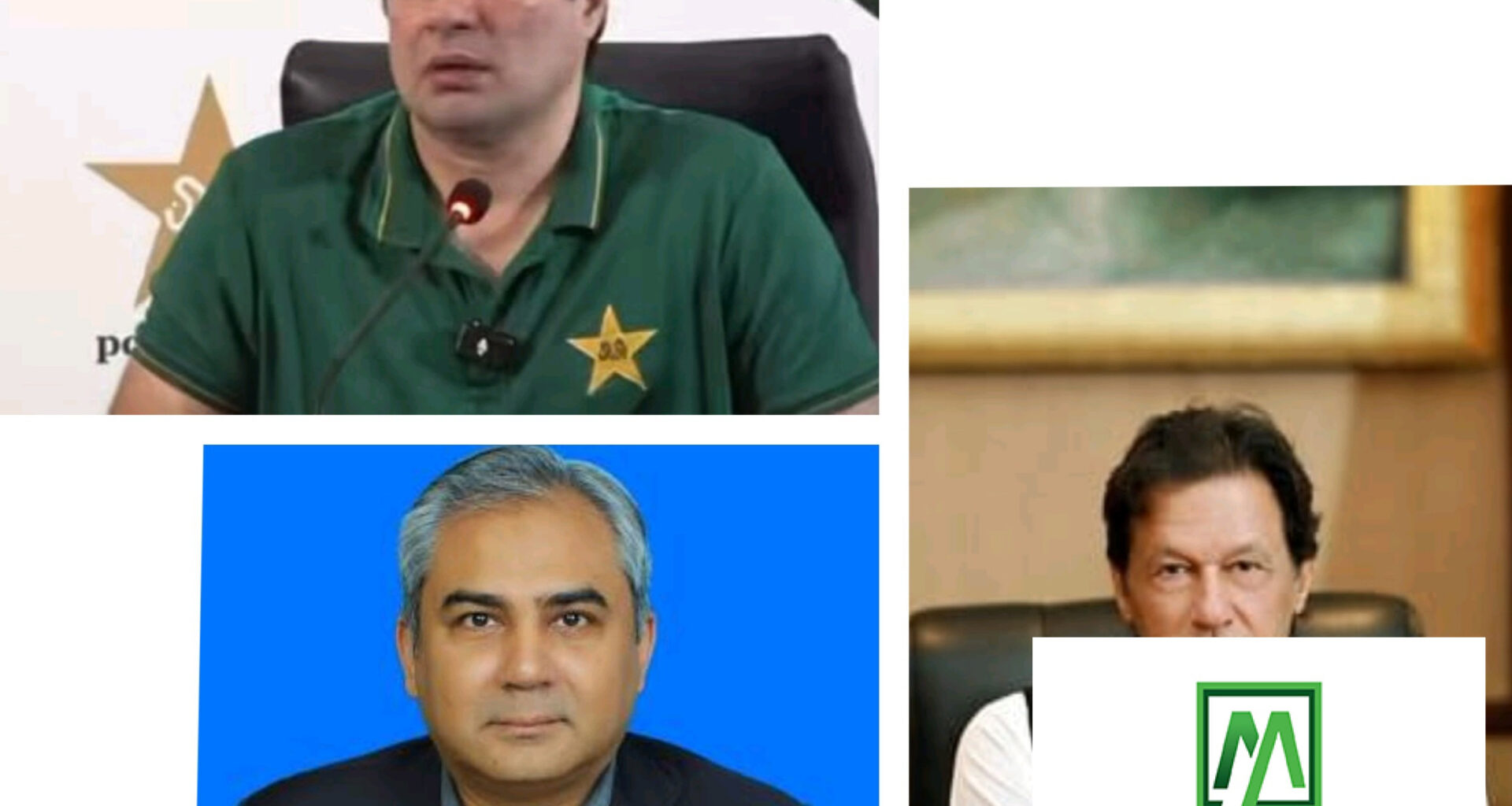
The Pakistan Cricket Board, under Mohsin Naqvi and Abdullah Khurrum Niaz,i looks like a big fan club of former prime minister Imran Khan. Despite the change of guards at the top level, the PCB continues to follow Imran Khan’s policies regarding domestic cricket. PCB Director of Domestic Cricket Abdullah Niazi is a bureaucrat-turned-cricket administrator. Before joining the PCB, Mr Niazi was serving as the Jhang deputy commissioner.
Mr Niazi previously worked as chief executive of the Central Punjab Cricket Association during the restructuring phase when Imran Khan replaced Pakistan’s long-standing departmental and regional cricket system with a six-association model. It replicated the Australian domestic structure. However, the results in Pakistan have been starkly different.
While Australia’s model nurtured competitiveness and depth, Pakistan’s transition left hundreds of departmental players jobless and severely weakened the grassroots and regional cricket nurseries that once produced world-class talent. During that period, the national team’s performance also began to fall back.
When the Shahbaz Sharif government came to power in 2022 after a successful no-confidence move against that prime minister Imran Khan, the PCB was handed over first to Najam Sethi and later to Zaka Ashraf. They both undid Imran Khan’s policy on domestic cricket and restored both regional and departmental cricket. It is said it brought relief to struggling players and revived the country’s domestic depth. Under this restoration, 18 regional teams and departmental sides competed actively in tournaments like the Patron’s Trophy and President’s Cup, breathing new life into the system that once delivered Pakistan’s greatest triumphs.
However, with the arrival of Mohsin Naqvi as chairman, Abdullah Khurram Niazi has once again been handed the reins of domestic operations. His approach has been marked by frequent structural changes, including the introduction of mentor-based teams, the reduction of regional teams from 18 to 8, and later an adjustment to 10 teams under pressure after Karachi’s exclusion from Grade-II cricket.
This constant shrinking and reshaping of domestic cricket, critics argue, has undermined the system’s competitive fabric and talent pipeline. Players who perform in tournaments like the Quaid-e-Azam Trophy are often fast-tracked into national selection, but with a limited talent pool and inconsistent structure, Pakistan’s international results have suffered drastically.
Many observers see this as a continuation of Imran Khan’s six-association experiment, still being executed by officials once aligned with his vision, including Niazi. The persistence of that model—despite repeated failures and public criticism—has left Pakistan cricket caught between bureaucratic control and sporting meritocracy.
As Pakistan prepares for its upcoming international commitments, one thing remains clear: unless the domestic structure regains stability and inclusivity, the national team’s decline is unlikely to be reversed.
Minute Mirror contacted PCB Media Director Amir and Mr Niazi for their comment, but neither of them responded to the questions floated to them via WhatsApp.
We welcome your contributions! Submit your blogs, opinion pieces, press releases, news story pitches, and news features to opinion@minutemirror.com.pk and minutemirrormail@gmail.com