
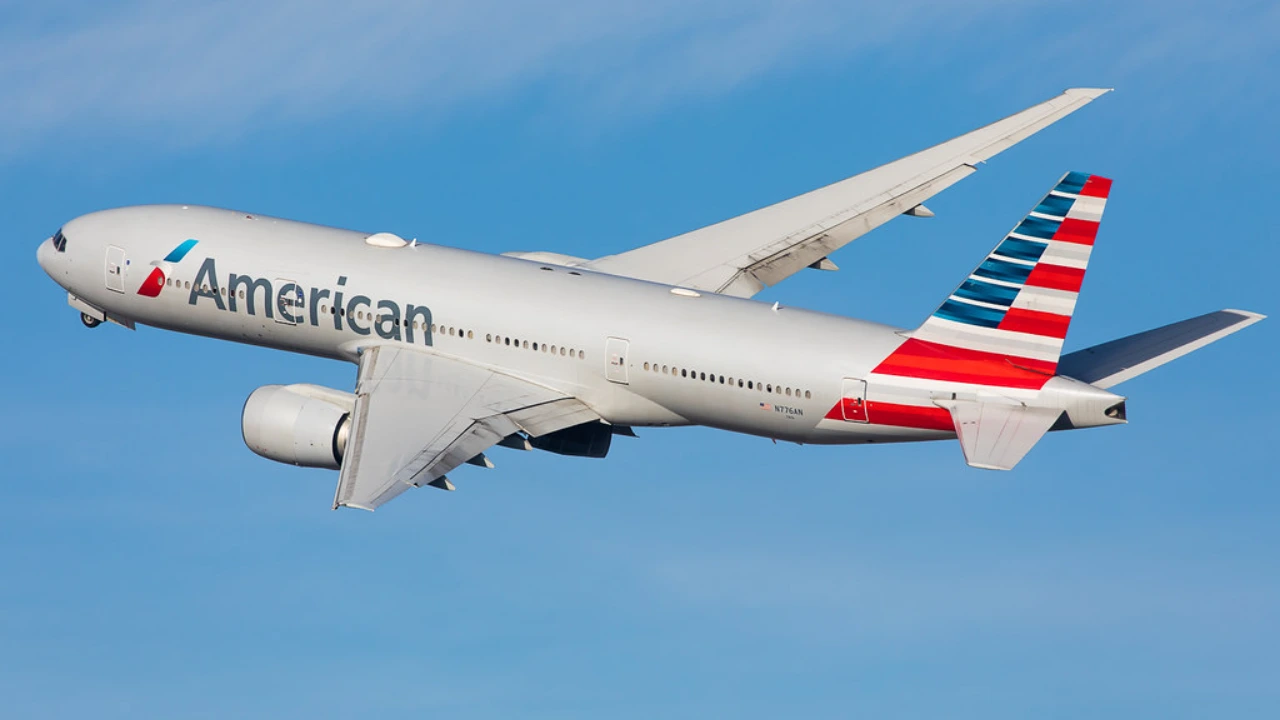
WASHINGTON- Airlines operating Boeing 787 jets from the US Hubs are being asked to replace mode control panels (MCP) following reports of uncommanded altitude changes.
The Federal Aviation Administration (FAA) has proposed critical safety directives affecting Boeing 787 aircraft operating in the United States. The directive is aimed at preventing potential controlled flight incidents.
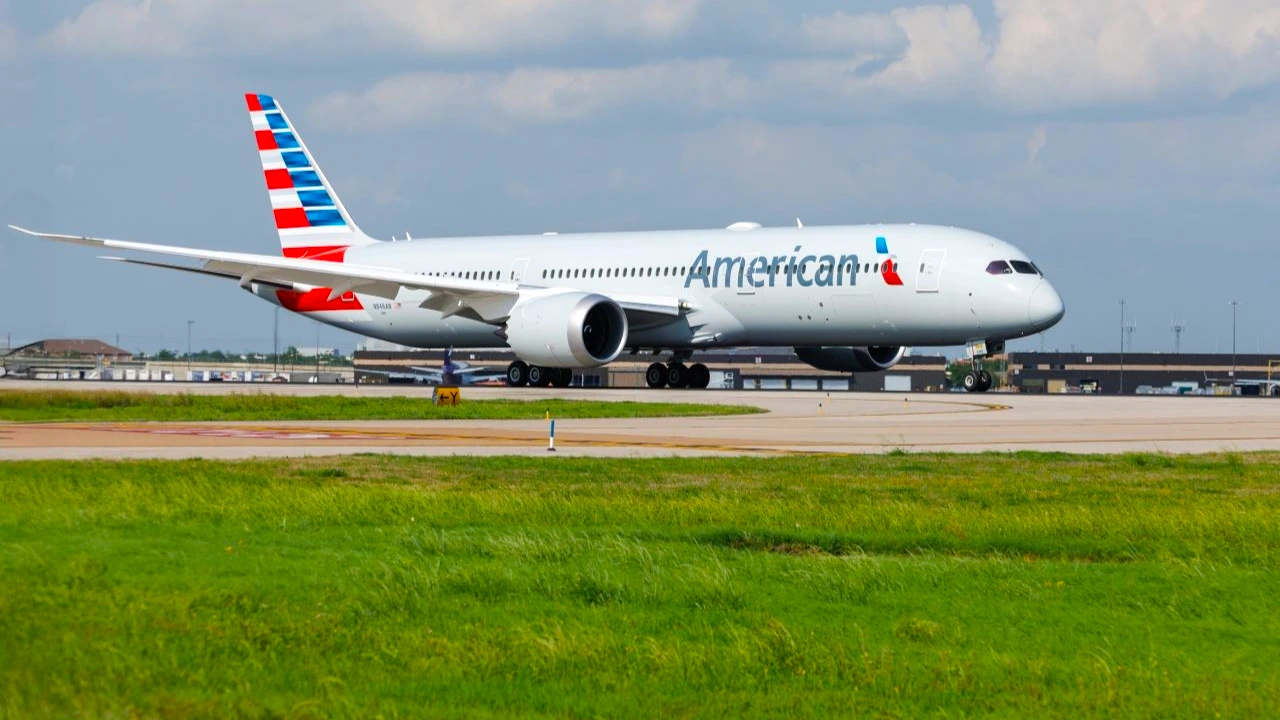 Photo: American Airlines
FAA Proposes 787 Safety Fixes
Boeing 787s that are being operated from hubs such as Seattle-Tacoma International Airport (SEA) and Boston Logan International Airport (BOS) are one aircraft types to have received the directives.
The FAA’s proposed airworthiness directive for the Boeing 787 covers all U.S.-registered variants, including -8, -9, and -10 models, totaling 165 aircraft, reported Flight Global.
Reports indicate the MCP, manufactured by Honeywell, can cause uncommanded changes to the selected altitude due to software malfunctions and electrical power irregularities.
Operators are required to follow Boeing’s April service bulletin to replace the faulty panels. Failure to comply could result in controlled flight into terrain or traffic conflicts.
The FAA estimates the replacement cost at $405,000 per aircraft, although Honeywell may cover part of this expense under warranty. Public feedback on the proposal is open for 45 days following 17 November.
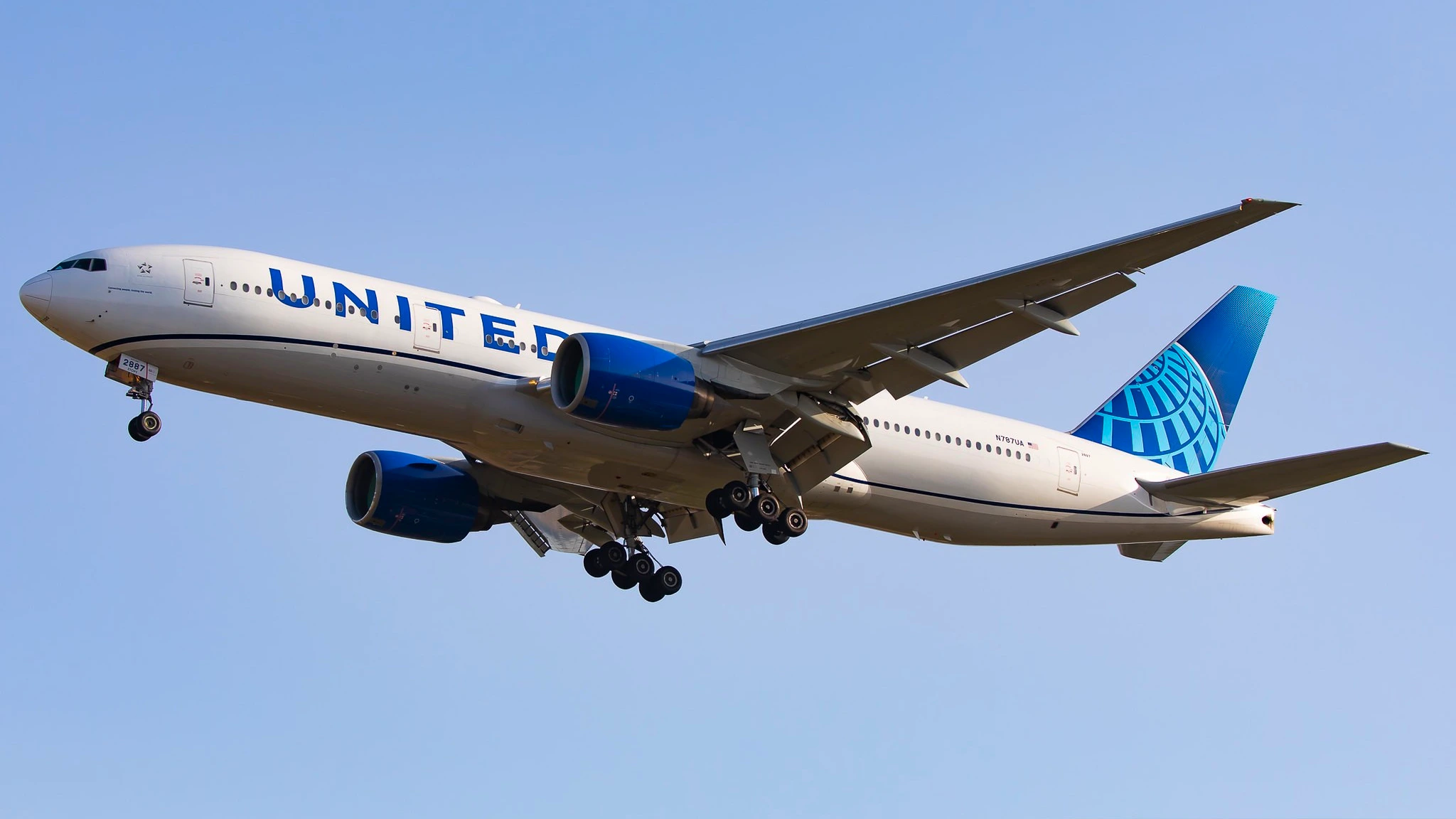 Photo: Clément Alloing
777 Landing Gear Recall
Similarly, Boeing 777 operators must replace main landing gear pumps after a wheel well fire raised safety concerns.
The Boeing 777 fleet, comprising 340 U.S.-registered jets, faces a separate FAA directive after a wheel well fire caused by an overheating alternating current motor pump (ACMP).
Investigations revealed a missing lock washer and nut in the electrical load control unit, which allowed two-phase power to reach the pump, leading to overheating and hydraulic fluid leakage.
Boeing issued a service bulletin on 11 September recommending operators inspect records and replace ACMPs with modified pumps that include fusible links to prevent future overheating.
The FAA requires airlines to follow these procedures to ensure flight safety. Comments on this proposed rule are also being accepted from the public.
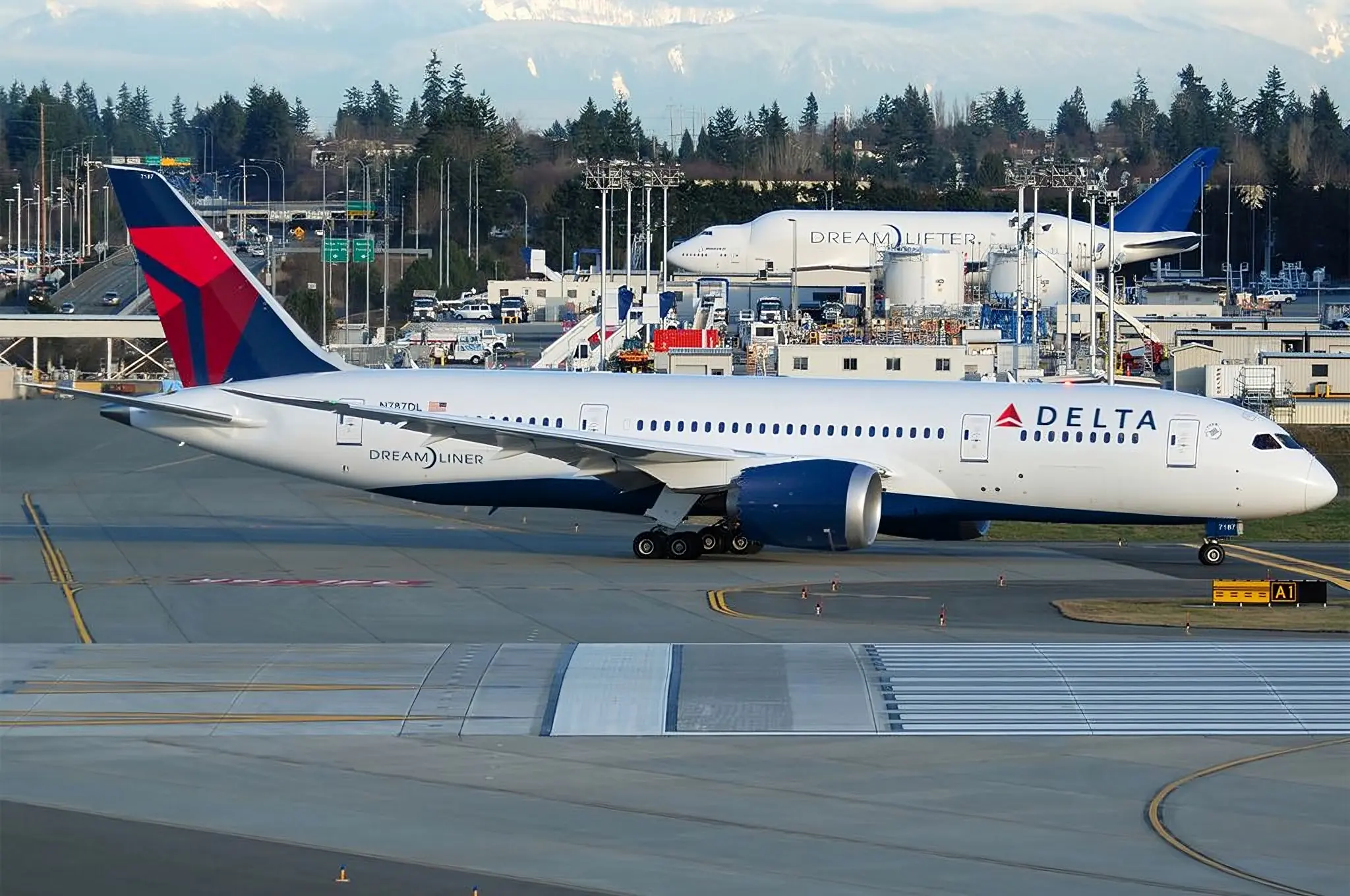 Photo: DJs Aviation
Industry Impact
These directives reflect growing attention to both electronic and mechanical safety systems in commercial aviation.
Airlines must act swiftly to implement repairs to avoid potential incidents and comply with regulatory requirements.
While costs are significant, the directives aim to protect passengers, crews, and the broader aviation network from preventable hazards.
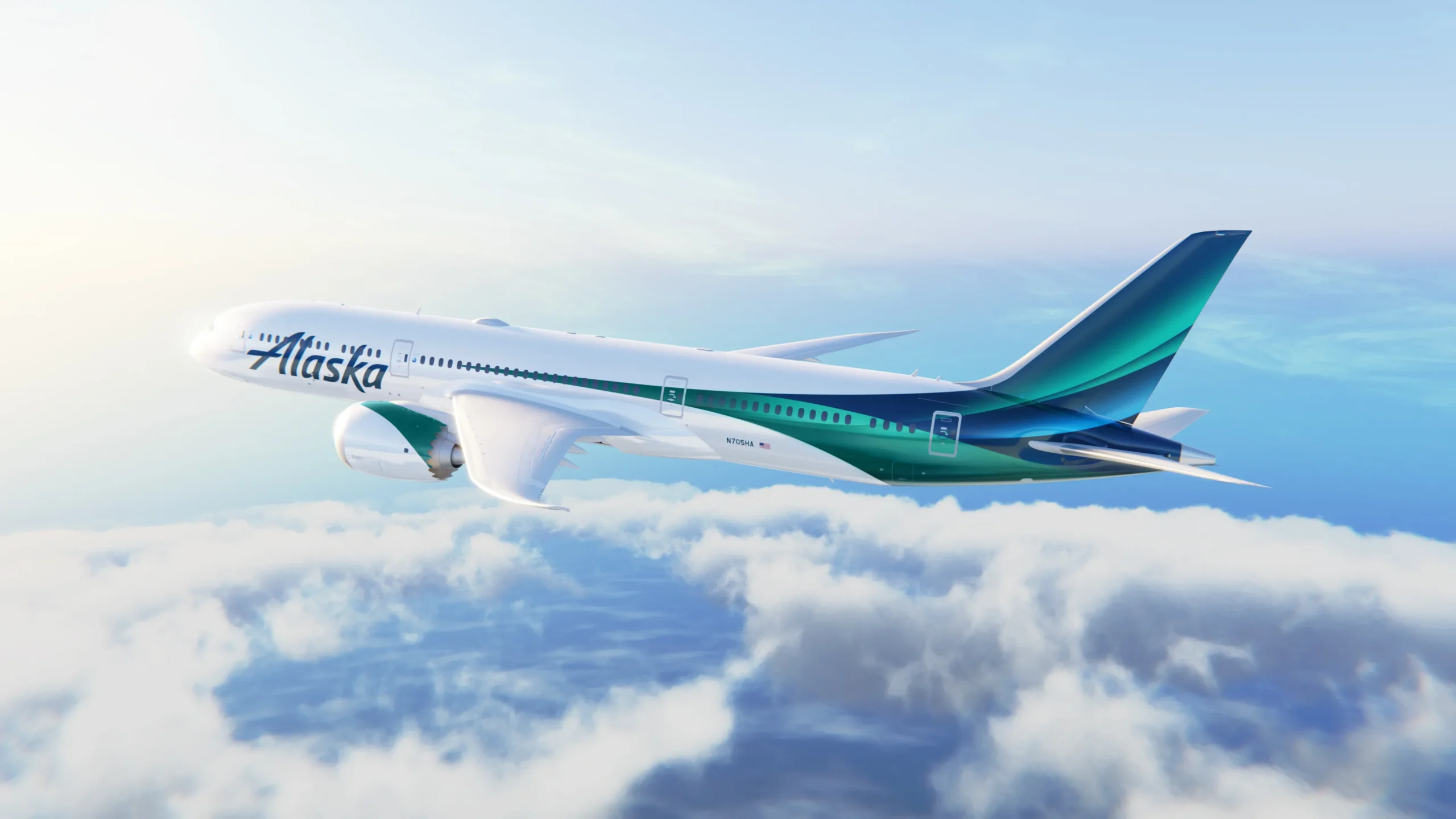 Photo: Alaska Airlines
Bottom Line
The FAA’s twin directives targeting the Boeing 787 and 777 fleets highlight the importance of proactive maintenance and regulatory oversight.
By replacing faulty MCPs and ACMPs, operators reduce risks of altitude errors and wheel well fires, enhancing overall flight safety.
Both directives remain open for public comment, giving industry stakeholders a chance to provide input before final rules are enacted.
Stay tuned with us. Further, follow us on social media for the latest updates.
Join us on Telegram Group for the Latest Aviation Updates. Subsequently, follow us on Google News