
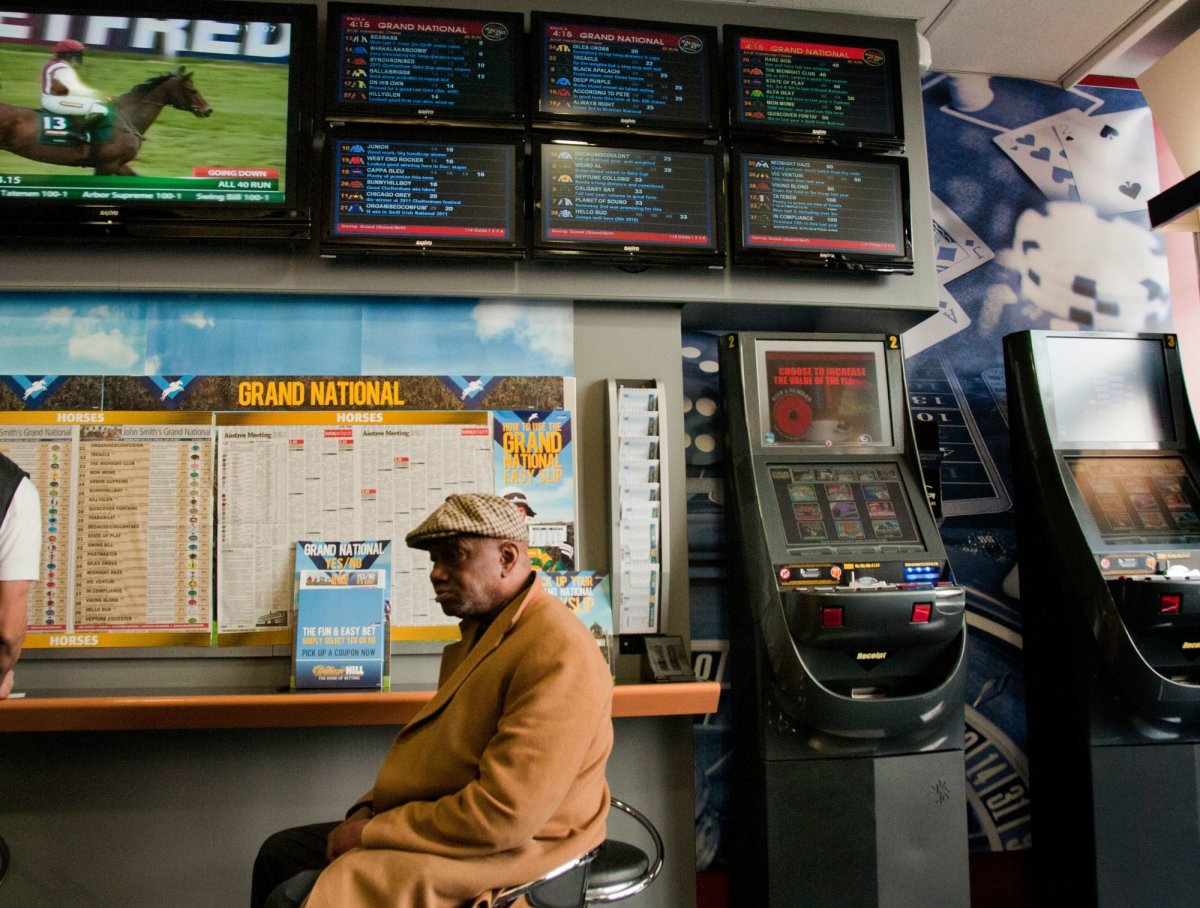
The Men’s Health Strategy is set to be published on Wednesday (Alamy)

5 min read17 November
The government’s Men’s Health Strategy is expected to include new measures to tackle gambling-related harm, as pressure grows for ministers to treat gambling addiction as a major public health threat.
PoliticsHome understands that the new strategy, set to be published on Wednesday, is expected to contain a significant package on mental health, including commitments to substantially increase access to gambling-related mental health support on the NHS.
The Men’s Health Strategy will take a similar form to the Women’s Health Strategy, which was published by the previous Conservative government in 2022, and is set to be renewed next year.
The Health and Social Care Select Committee, chaired by Liberal Democrat MP Layla Moran, called earlier this year for a full review of the Gambling Act to ensure there is a legislative footing for a whole-of-government approach to reducing gambling harms.
Moran told PoliticsHome: “The Men’s Health Strategy should be a golden opportunity for the government to get serious about reducing harms caused by gambling addiction.
“The committee has already called on ministers to consider regulations on gambling ads, particularly to limit the frequency and kinds of promotions and incentives that can be sent to encourage individuals to gamble.
“And as many local authorities often struggle to prevent gambling venues from clustering on high streets in deprived areas, due to a lack of resources in the face of legal challenges, we say that public health officials should be given a greater say in the planning system.”
The publication of the Men’s Health Strategy comes as pressure intensifies on Labour to treat gambling addiction as a major public health issue, and a government source said they would be “very surprised” if measures to address gambling addiction were not included.
PoliticsHome understands that some senior officials pressed for measures to tackle gambling harms – alongside other interventions targeting preventable harms to public health – to be included in the government’s 10 Year Health Plan, but the proposals were not taken up by No10 over fears they would be seen as politically toxic.
There was no mention of gambling in the final 10 Year Health Plan, which was published in July and set out a long-term blueprint for NHS reform, including prevention, productivity and service transformation.
The government source told PoliticsHome that if it was up to certain senior officials, “there would be a ban on outdoor smoking in pub beer gardens, there would be more done on fast food, and there would be more done on gambling”.
“But of course, politically, you have to balance that up between being called a nanny state and being the fun police. That’s the tension.”
Chancellor Rachel Reeves is facing growing calls to raise gambling taxes in the upcoming Budget as part of a broader shift toward a “polluter pays” approach to gambling harms.
In September 2024, the IPPR think tank, which has close links to Labour, called for remote gaming duty to rise from 21 per cent to 50 per cent, arguing that this could raise up to £3bn. More than 100 Labour MPs backed former prime minister Gordon Brown’s call for the government to adopt the increase as a way to help fund the scrapping of the two-child benefit cap.
Labour MP Alex Ballinger, who sits on the Gambling Reform APPG, told PoliticsHome in July that “people don’t realise the scale of the problem of gambling harm in this country”. Labour donor and gambling reform advocate Derek Webb warned in an interview with PoliticsHome in August that it would be “detrimental to Labour to be perceived to be weak on gambling”.
PoliticsHome understands that the Treasury is currently leaning towards a tiered approach to gambling duty hikes in the Budget on 26 November.
Multiple sources have suggested that Remote Gaming Duty is expected to rise more substantially, while only small changes are being considered to Machine Gaming Duty. General Betting Duty – more closely linked to horse racing and live sports – is viewed as less likely to face a major increase due to concerns over the potential impact on the racing industry.
After reports that the Chancellor has dropped plans to increase income tax in the Budget, some gambling reform campaigners now hope that this means gambling tax hikes will be higher up on the agenda to raise much-needed revenue for the Treasury.
Next year, ministers are expected to introduce a major bill to legislate for structural changes to NHS England. Multiple sources told PoliticsHome the legislation is likely to become a battleground for campaigners seeking to include new public health commitments, including measures to prevent gambling harm. The bill is also expected to include digital health reforms, such as changes to NHS data control and moves toward a single patient record.
A government spokesperson said: “Gambling can be hugely damaging for people and their loved ones, disproportionately affecting men, and this government is committed to better protecting people from these harms.
“The Department of Health and Social Care has been appointed Gambling Prevention Commissioner for England under the new gambling levy. This presents a unique opportunity to prioritise the prevention of gambling related harms for the first time.
“One major step is the introduction of the statutory levy, which is expected to raise around £100 million per year and support improvements in research, prevention and the treatment of gambling-related harms across Britain.”
