Share
Tweet
Share
Share
South Australians are facing an increase in snake activity as summer approaches, prompting a call for heightened awareness and caution. Recent data from the SA Ambulance Service show a surge in snake bite incidents, with 91 patients treated in 2024 alone, marking the highest number in the last five years.
Snakes emerge from brumation, a dormant state similar to hibernation, during warmer months, driven by the need to feed and breed. With summer being the peak season for snake bites, the period between December and February has seen over 170 cases since 2020, significantly more than the approximately 130 incidents each spring.
Lucy Hood, Minister for Climate, Environment and Water, shared, “With summer on our doorstep and the weather heating up, snakes are starting to venture out more often. They largely want to leave you alone, but steps can be taken to avoid an unexpected encounter, and calling an ambulance for help. Cleaning up around the home, supervising pets outdoors and sticking to the trails when enjoying our state’s parks are a few simple ways we can live safely with snakes.”
For those visiting national parks and reserves, you should stick to trails, make noise while walking to alert snakes of human presence, and wear protective clothing such as enclosed shoes and long pants.
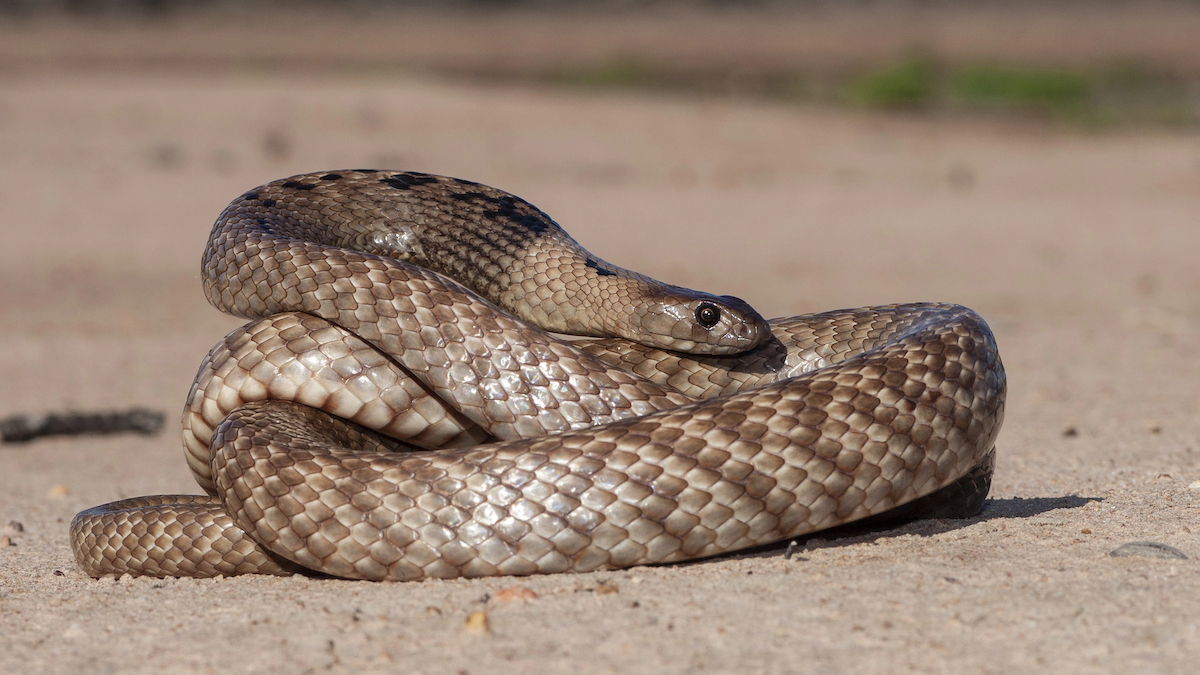
South Australia is home to various venomous snakes, including eastern brown snakes, red-bellied black snakes, and tiger snakes. Despite their potential danger, these creatures are protected under state law and play crucial roles in the ecosystem, particularly in controlling pest populations.
Benita Dillon, Principal Ecologist of Wildlife Management at the Department for Environment and Water, said, “Snakes are protected under South Australian law and have an important place in our ecosystem, especially controlling rats and mice. Just because you’ve never seen a snake on your property doesn’t mean they aren’t there, so you should always be careful about putting your hands or feet into spots you can’t see, like long grass, or that pile of junk behind the shed.”
Snakes usually prefer to flee or remain motionless to avoid conflict, but will defend themselves if threatened or cornered. If a snake is found indoors, it is essential to keep children and pets at a distance, observe the snake’s location safely, and contact a licensed snake catcher.
In the event of a snake bite, urgent medical attention is crucial. The immediate steps are to dial Triple Zero (000), keep the victim calm and immobile, and apply pressure bandaging adequately. It is crucial not to wash or cut the bite site, use a tourniquet, or attempt to capture the snake.
For more information, click here.