
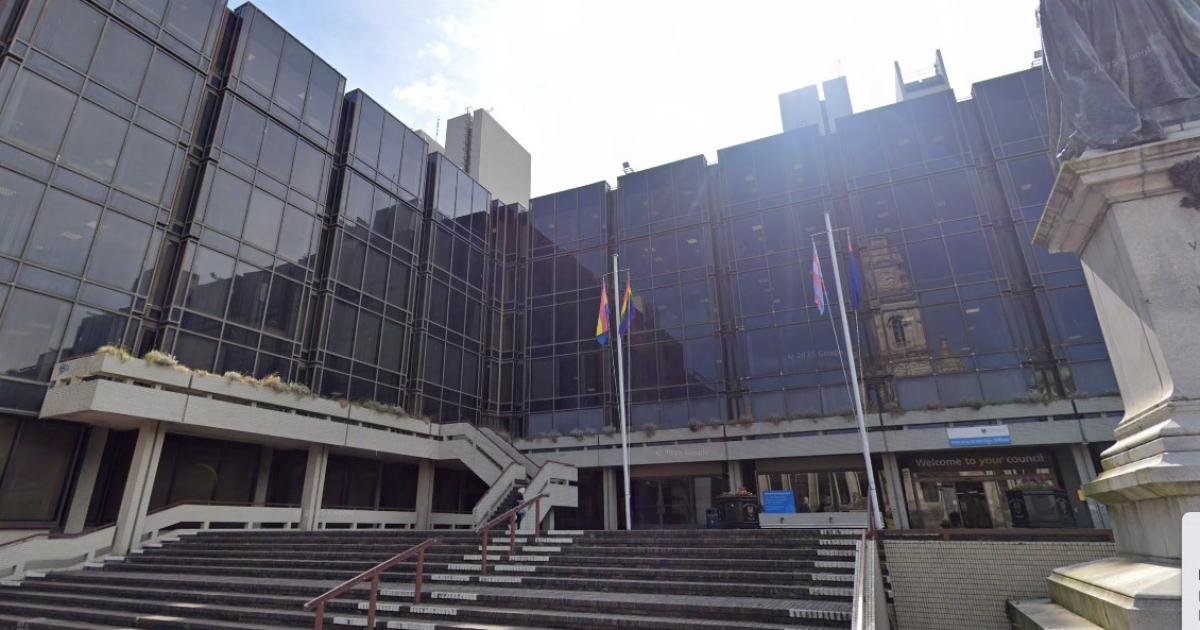
Stress, anxiety and depression were the leading causes, accounting for nearly 50,000 sick days within Portsmouth City Council over the past 12 months.
The council’s employment committee reviewed its annual report on sickness rates among its workforce of around 5,000 people.
Between October 2024 and September 2025, 40,964 working days were lost to sickness – excluding schools and agency workers. A further 418 sick days were taken by agency staff and 8,979 by local authority school staff.
This represents an increase of 4,840 working days compared with the previous year. The average staff member took 10.37 sick days, up from 9.06 the year before.
Portsmouth International Port, owned by the council, recorded the largest rise in average days lost, with an increase of 5.08 days compared with last year. Finance and resources followed, then culture, leisure and regulatory services.
Adult services, housing and education recorded decreases in sickness absence.
The officer’s report highlights that stress, anxiety and depression remain the top reasons for absence, “with 8667 working days lost in the past 12 months” – more than 21 per cent of all days lost.
Work-related stress, anxiety and depression ranked eighth, totalling 2,091 days, just over five per cent. In total, mental health accounted for 10,758 sick days in the past year – 26.26 per cent of all absence.
Colds, coughs and influenza (excluding COVID-19) were the second-highest cause, with 4,480 days lost – nearly 11 per cent.
Musculoskeletal issues, linked to injuries or ageing, ranked third with 4,063 days lost, with cleaners and loaders taking the most.
Adult services, including care for older people and those with mental or physical illnesses, recorded the highest number of absences linked to non-work-related psychological reasons.
In response, the council is developing a range of well-being initiatives, including support groups, a well-being champion, lunchtime learning sessions, and mental health first aid and suicide awareness training.
Professional menopause support sessions and a “Menopause Cafe” will also be established, alongside an “enhancement” of the women’s health offer.
Councillor Charlotte Gerada welcomed the emphasis on women’s health, noting that it could lead to better identification of conditions such as endometriosis and polycystic ovary syndrome, which often go undiagnosed.
Cllr Cal Corkery queried how work-related mental health issues are distinguished from general mental health absences.
Rochelle Williams, the council’s assistant human resources director, explained that the classification is based on a conversation between the staff member and their manager, and that employees can challenge the formal reason for their absence.